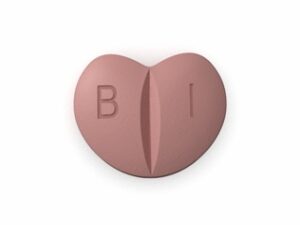
Bisoprolol (Oral)
Bisoprolol is a prescription medicine belonging to a group called beta-blockers. It is commonly used to manage certain heart conditions and to help control symptoms such as fast heart rate and palpitations. This page explains how bisoprolol works, how it’s taken, and what to consider for safe and effective use in Australia.
Always read your specific product label and the accompanying Consumer Medicine Information (CMI) for your brand and dose.
Basic product information
| Feature | Details |
|---|---|
| Generic name | Bisoprolol |
| Medicine class | Beta-1 selective beta-blocker (cardioselective) |
| Common forms | Oral tablets (immediate or extended/modified release depending on brand) |
| Typical dosing schedule | Often once daily; some situations may use a different schedule as directed |
| Therapeutic areas | Heart rate control, heart failure, angina, and other cardiovascular conditions |
How bisoprolol works (mechanism of action)
Bisoprolol blocks beta-adrenergic receptors, particularly beta-1 receptors found mainly in the heart. By doing so, it can:
- Lower heart rate (slower pulse)
- Reduce the force of contraction of the heart muscle
- Decrease oxygen demand of the heart, which can help in conditions such as angina
- Improve blood pressure control in some people by reducing cardiac output and modulating regulatory signals
Over time, in selected patients, beta-blockers may also support longer-term cardiovascular health, including in chronic heart failure where they are part of evidence-based care.
Pharmacokinetics (absorption, distribution, metabolism, elimination)
While exact numbers vary by formulation and individual factors, the following patterns are typical for bisoprolol:
- Absorption: Bisoprolol is generally absorbed from the gastrointestinal tract and reaches peak levels within a few hours after a dose.
- Bioavailability: It has relatively good oral bioavailability, meaning a meaningful portion of the dose reaches the bloodstream.
- Distribution: It distributes through the body, with highest relevance to the cardiovascular system.
- Metabolism: Bisoprolol is metabolised mainly by the liver and kidneys contribute to elimination. The extent of liver/kidney involvement can vary by patient.
- Elimination: The medicine is cleared from the body over hours to days depending on dosing and individual clearance.
- Half-life: Bisoprolol has a dosing interval compatible with once-daily dosing for many patients.
If you have known liver or kidney impairment, your prescriber may adjust the dose and monitor you more closely.
Typical uses (indications)
Bisoprolol is used to treat several cardiovascular conditions, including:
- Chronic heart failure (to help reduce symptoms and improve outcomes in appropriate patients)
- Angina pectoris (to reduce the frequency and severity of chest pain episodes in some people)
- Heart rhythm and rate control in selected cases (for example, when reducing a fast heart rate is needed)
- High blood pressure in certain patients as part of a broader treatment plan
The exact indication depends on your diagnosis, overall health, and other medicines you may be taking. Different doses and formulations may be used depending on the condition being treated.
When and how to take bisoprolol (timing and dosing overview)
Most people take bisoprolol once daily. Your dose should be based on your condition, response, heart rate, blood pressure, and tolerance.
Timing
- Take at the same time each day to help maintain steady medicine levels.
- If the prescription label (or CMI) instructs once daily, choose a time you can stick with easily.
- If you experience side effects such as dizziness, some people find taking it with bedtime helps—only do this if it fits your dosing instructions.
Dose adjustment (general principles)
For conditions such as heart failure, bisoprolol is often started at a low dose and then increased gradually. This “titration” helps your body adapt. For other conditions, the dose may still be adjusted stepwise to achieve target heart rate and symptom control while avoiding excessive slowing of the heart.
If you miss a dose
- If you remember soon after: take it if it’s still close to your usual time.
- If it’s close to the next dose: skip the missed dose and take the next one at the usual time.
- Do not double up unless your clinician specifically advises.
Dosing (what’s “typical” and why your dose may differ)
Dose strengths vary by product and country availability. In Australia, bisoprolol is marketed in different tablet strengths and possibly different release forms. Below is a general guide only—your actual dose should follow your product label and clinical plan.
- Heart failure: clinicians often begin with a low dose and adjust gradually based on symptoms, blood pressure, and heart rate.
- Angina / rate control: dosing may start low and then increase until angina episodes are reduced and heart rate is controlled.
- Hypertension: may involve dose selection based on blood pressure response.
Important: Do not change your dose or stop bisoprolol suddenly unless instructed. Sudden withdrawal can lead to worsening of symptoms and, in some cases, increased heart-related risk.
Food interactions and absorption
Bisoprolol may be taken with or without food, depending on the product instructions. Many people find taking it with a meal reduces stomach discomfort.
Practical guidance
- Consistency matters: take it the same way each day (with or without food) unless your CMI says otherwise.
- Grapefruit: Unlike some other cardiovascular medicines, bisoprolol is not typically associated with strong grapefruit interactions. Still, it’s wise to check with your pharmacist if you regularly use grapefruit products.
If you switch to a different brand or formulation (for example, different release characteristics), confirm with your pharmacist to maintain equivalent dosing guidance.
Alcohol interactions
Alcohol can increase the risk of side effects with beta-blockers, particularly:
- Dizziness and light-headedness (especially when standing)
- Low blood pressure (additive blood pressure–lowering effect)
- Fatigue and reduced exercise tolerance
If you drink alcohol, consider:
- Start with small amounts to see how you respond
- Avoid heavy drinking, particularly during dose changes
- Stay well hydrated
If you’ve previously had fainting episodes, severe dizziness, or very low blood pressure, discuss alcohol use with your clinician.
Medicine interactions (important considerations)
Bisoprolol may interact with other medicines that affect heart rate, blood pressure, or heart rhythm. Always provide your pharmacist or clinician with a complete list of medicines, vitamins, and supplements.
Common interaction themes
- Other heart-rate–lowering medicines: Some medicines can further slow the heart or lower blood pressure when combined.
- Calcium channel blockers: Certain types (especially non-dihydropyridines) can have additive effects on heart rate and conduction.
- Antiarrhythmics: May affect heart rhythm and require monitoring.
- Medicines for diabetes: Beta-blockers can mask some symptoms of low blood sugar (such as palpitations); monitoring may be important.
- Clonidine: Abrupt stopping can cause rebound effects; if used together, changes should be managed carefully.
- Some antidepressants and antipsychotics: May influence heart rhythm or blood pressure in some cases.
- Fingolimod (multiple sclerosis): can slow heart rate; combining may increase bradycardia risk.
- Other interacting agents: Certain drugs that affect liver enzymes or drug transporters may alter bisoprolol levels.
Over-the-counter and herbal products
Some non-prescription products can affect blood pressure or heart rate. Examples include certain cough/cold medicines containing decongestants (which can raise heart rate or blood pressure). Herbal supplements may also have cardiovascular effects. Ask your pharmacist before combining.
Safety profile and side effects
Like all medicines, bisoprolol can cause side effects. Many people experience mild effects that improve as the body adjusts. However, some effects may require urgent review.
Common side effects
- Slow heart rate (bradycardia)
- Dizziness or light-headedness
- Fatigue, low energy, or tiredness
- Cold hands or feet
- Sleep disturbance or vivid dreams (reported by some users)
Less common but important effects
- Low blood pressure (especially when standing)
- Worsening of breathlessness in some people with asthma or certain airway diseases
- Changes in exercise tolerance
- Gastrointestinal symptoms (nausea, diarrhoea) in some cases
Seek urgent medical help if you experience
- Fainting or severe dizziness
- Chest pain that is new or severe
- Severe shortness of breath or wheezing
- Very slow heart rate with weakness or confusion
Special populations
- Asthma / COPD: Bisoprolol is beta-1 selective, but higher doses or individual sensitivity can still affect breathing. Use only under close guidance.
- Diabetes: Beta-blockers may reduce warning signs of low blood sugar (like palpitations). Do not ignore symptoms of sweating, confusion, or weakness—check glucose if advised.
- Peripheral vascular disease / Raynaud’s: may worsen coldness or circulation symptoms in some people.
- Pregnancy and breastfeeding: safety depends on the individual situation. Discuss with your clinician for the best plan.
Practical use tips for everyday life
- Monitor your pulse if advised: If your clinician provided target heart rate guidance, check regularly.
- Stand up slowly: helps reduce dizziness, especially after dose changes.
- Track symptoms: note trends in chest pain, breathlessness, or palpitations to inform follow-up.
- Don’t stop suddenly: if you’re unwell or planning surgery, speak to your healthcare team before any changes.
- Be consistent with the same tablet type: if you receive a different brand or release formulation, confirm equivalence with a pharmacist.
- Inform other clinicians: tell doctors and dentists you use bisoprolol, especially before procedures.
Alternatives to bisoprolol
The “best” alternative depends on why you take bisoprolol (heart failure, angina, blood pressure, or rate control) and your overall health. Your clinician may consider other beta-blockers or medicines from different classes.
Possible alternative beta-blockers (examples)
- Metoprolol
- Atenolol
- Carvedilol
- Nebivolol
Other classes that may be considered
- Calcium channel blockers (depending on the condition)
- ACE inhibitors / ARBs (often used in heart failure and hypertension)
- Diuretics and other heart-failure therapies
- Antianginal medicines for chest pain management
Switching between medicines should be guided by your clinician, particularly if you’re being treated for heart failure.
Australia: market and legal context (consumer-friendly overview)
In Australia, bisoprolol is an established cardiovascular medicine. Most beta-blockers are regulated under the Australian medicines framework, and supply occurs through accredited channels. Medicines may be available as:
- Listed or authorised prescription medicines depending on brand and formulation
- Dispensed through pharmacies following appropriate patient assessment
Online pharmacies in Australia follow regulatory requirements for safe supply, including identity checks, product traceability, and ensuring the right medicine and dose are provided. If you have questions about availability or eligibility, contact the pharmacy before ordering.
Recent guidance and monitoring considerations
Clinical practice for beta-blockers increasingly emphasises:
- Individualised dosing and gradual titration, particularly in chronic heart failure
- Regular monitoring of heart rate, blood pressure, symptoms, and tolerability
- Careful management of comorbidities (e.g., diabetes, asthma, kidney or liver impairment)
- Avoiding abrupt discontinuation whenever possible
Ongoing updates may also include changes in how medicines are assessed, supported by new evidence, or how product information is refreshed. For the most current brand-specific details, refer to the CMI for your exact product.
Delivery and availability (online pharmacy)
Availability of bisoprolol can vary by strength and tablet type. When ordering online, the pharmacy typically provides:
- Clear product details (strength, pack size, tablet type)
- Estimated delivery times to your location in Australia
- Secure dispatch and tracking information where offered
- Packaging designed to protect tablets during transit
For best continuity of care, consider ordering before you run out—especially if you need multiple strengths or refills.
Note: Delivery may be delayed during peak periods or due to courier disruptions. If you need urgent supply, check estimated timelines on the website or contact customer support.
FAQ
1) Is bisoprolol the same as other beta-blockers?
Bisoprolol is a beta-blocker, but it is not identical to every other beta-blocker. Different medicines vary in selectivity, dosing frequency, and release characteristics. Your dose plan is based on your specific medicine and condition.
2) Will bisoprolol make my heart rate too slow?
Some people experience a lower heart rate, especially after starting or increasing the dose. If you feel very faint, unusually weak, or notice severe symptoms, seek medical advice promptly. Your clinician can adjust the dose if needed.
3) Can I take bisoprolol with food?
Usually yes—bisoprolol can often be taken with or without food. Choose the option that suits you best and keep it consistent. If your specific brand instructions differ, follow the CMI.
4) What should I do if I accidentally take two doses?
Contact your pharmacist or local poison information service for advice. In general, avoid further doses until you’ve received guidance. Early advice is important if you feel unwell.
5) Does bisoprolol affect asthma?
Beta-blockers can affect breathing in some people. Bisoprolol is more beta-1 selective than some alternatives, but caution is still needed in asthma or COPD. Your doctor can assess risk and monitor you.
6) Can I drink alcohol while taking bisoprolol?
Alcohol may increase dizziness and lower blood pressure when used with beta-blockers. If you drink, keep amounts moderate and avoid heavy drinking. If dizziness worsens, reduce or stop alcohol and seek advice.
7) What symptoms mean I should get urgent help?
Seek urgent medical care for fainting, severe dizziness, marked shortness of breath, chest pain that is new or severe, or symptoms suggesting a dangerously slow heart rate.
8) How long does it take to work?
Some effects (like reduced heart rate) may be noticed relatively quickly after starting. For conditions such as angina control and chronic heart failure management, benefits may build over days to weeks as dosing is adjusted and the body adapts.
9) Are there any supplements I should avoid?
Some supplements can affect blood pressure, heart rate, or drug metabolism. Check with your pharmacist—especially for products intended for blood pressure, heart health, or stimulants.
10) Can I stop bisoprolol when I feel better?
Do not stop abruptly. Even if symptoms improve, bisoprolol may be needed to reduce risk and control the underlying condition. If discontinuation is considered, it should be done gradually under medical guidance.
Disclaimer: This information is general and not a substitute for personalised medical advice. If you have questions about whether bisoprolol is right for you, how it should be taken, or how it interacts with your other medicines, speak with a qualified healthcare professional or pharmacist.