
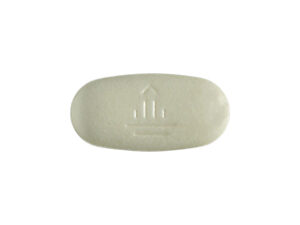
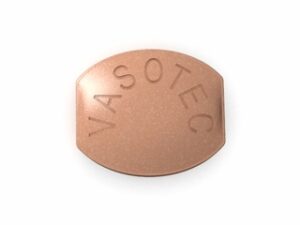
Enalapril (ACE Inhibitor) — Patient Information (Australia)
Enalapril is a well-established medicine used to treat several cardiovascular conditions, particularly those related to high blood pressure and heart strain. It belongs to a group of medicines called ACE inhibitors (angiotensin-converting enzyme inhibitors). In many people, enalapril helps reduce the workload on the heart, improves blood flow, and lowers the risk of complications such as heart failure worsening and stroke.
This guide is written to help you understand what enalapril does, how it works in the body, how to take it safely, and what to watch for. It is designed for a general audience and does not replace advice from your healthcare professional.
Basic product information
- Active ingredient: Enalapril
- Medicine type: ACE inhibitor (antihypertensive/heart failure medicine)
- Common forms: Tablets (strengths vary by brand/generic product)
- Typical use: Long-term management of high blood pressure and certain heart conditions
Brand names differ in Australia; your pharmacy listing may show the specific product name and strength (e.g., 5 mg, 10 mg, 20 mg).
How enalapril works (mechanism of action)
Enalapril works by blocking the ACE enzyme (angiotensin-converting enzyme). ACE normally helps produce angiotensin II, a powerful substance that narrows blood vessels and stimulates the body to hold on to salt and water. By reducing angiotensin II levels, enalapril:
- Widens blood vessels (helps lower blood pressure)
- Reduces fluid retention (helps lower the extra strain on the heart)
- Improves blood flow to organs
- Reduces harmful heart remodelling in some patients with heart failure
In heart failure, these effects can improve symptoms, improve exercise tolerance, and reduce the chance of hospitalisation.
Pharmacokinetics (what the body does with enalapril)
Pharmacokinetics describes how the medicine is absorbed, processed, and eliminated. Enalapril is a prodrug: the inactive form is converted in the body to its active metabolite.
| Step | What happens |
|---|---|
| Absorption | Enalapril is absorbed from the gastrointestinal tract. Food may slightly affect absorption but usually does not stop benefit. |
| Conversion | Enalapril is converted to enalaprilat (the active ACE-inhibiting form). |
| Onset | Blood pressure may begin to lower within hours, but full effects can take days to weeks with consistent use. |
| Elimination | Primarily eliminated via the kidneys. Dose adjustments may be needed in reduced kidney function. |
| Half-life | The active metabolite persists long enough to allow once or twice daily regimens depending on the product and patient. |
What enalapril is used for (indications)
Enalapril is used to treat several cardiovascular conditions, including:
- High blood pressure (hypertension): to lower blood pressure and reduce cardiovascular risk.
- Heart failure: to improve symptoms and reduce hospitalisation and risk of worsening heart failure.
- Left ventricular dysfunction: especially after a period of reduced heart pumping function, to help reduce future complications.
Your exact indication depends on your medical history and test results (such as blood pressure readings and heart function assessments).
Typical dosing and timing
Dosing varies based on the condition being treated, your kidney function, blood pressure, and other medicines you take. The information below is general education and should be confirmed against your prescribed plan and product label.
How to take enalapril
- Take once daily or twice daily depending on the regimen advised.
- Try to take it at the same time each day to maintain steady effects.
- You may take enalapril with or without food in most cases.
Starting and titration (dose adjustment)
Many people start at a lower dose to reduce the risk of side effects such as dizziness or a drop in blood pressure, then the dose is increased gradually if needed and safe. This is particularly common in people who are:
- Older
- Taking diuretics (“water tablets”)
- Have reduced kidney function
- Have low blood pressure at baseline
Monitoring that often accompanies dosing
- Blood pressure (including standing blood pressure in some cases)
- Kidney function (creatinine/eGFR)
- Potassium levels (risk of high potassium)
These tests help ensure the medicine remains safe and effective for you.
Food interactions (and what to know about meals)
Enalapril is generally taken without strict meal timing. However, a few points can help you stay comfortable:
- With or without food: Most people can take enalapril either way.
- Dehydration matters: If you become dehydrated (vomiting, diarrhoea, poor fluid intake), blood pressure may drop more and kidney function can be affected.
- Salt substitutes: Avoid potassium-containing salt substitutes unless your clinician has specifically approved them, because enalapril can raise potassium.
If you’re following a dietary plan (e.g., for kidney disease), ask your healthcare professional whether your fluid and salt targets should change while on enalapril.
Alcohol interactions
Alcohol can increase the blood-pressure-lowering effect of enalapril in some people, leading to:
- Dizziness
- Light-headedness (especially when standing)
- Fainting (rare, but risk is higher if you already have low blood pressure)
If you drink alcohol, consider limiting your intake and be extra cautious during the first days after starting or changing dose.
Medicine interactions (important safety considerations)
Enalapril can interact with other medicines, sometimes in clinically important ways. Always inform your doctor or pharmacist about your full list of medicines, including over-the-counter products and supplements.
Medicines commonly relevant to enalapril
- Potassium supplements and potassium-sparing diuretics (e.g., spironolactone, eplerenone, amiloride):
- May increase risk of high potassium.
- Combination should be guided by blood tests.
- Diuretics (“water tablets”) (e.g., furosemide, hydrochlorothiazide):
- May increase risk of low blood pressure or dizziness when starting.
- May require dose adjustment or careful monitoring.
- Non-steroidal anti-inflammatory drugs (NSAIDs) (e.g., ibuprofen, naproxen, diclofenac):
- Can reduce kidney blood flow and affect kidney function.
- May blunt blood pressure effect and raise risk of kidney-related complications, particularly in people who are dehydrated or have kidney impairment.
- Other blood pressure medicines (e.g., beta-blockers, calcium-channel blockers):
- Often used together, but monitoring is important to avoid excessive blood pressure lowering.
- Medicines that affect potassium (some supplements, salt substitutes):
- May increase risk of high potassium.
- Lithium:
- Enalapril may increase lithium levels and risk of toxicity. Monitoring may be required.
- Diabetes medicines (insulin or tablets):
- Enalapril can affect glucose levels in some people. Watch for symptoms of low blood sugar and monitor as advised.
If you are unsure about a specific product (including herbal supplements), consult your pharmacist.
Safety profile and side effects
Most people tolerate enalapril well, but like all medicines it can cause side effects. Some effects are more common at the start of treatment or after dose increases.
Common side effects
- Dizziness or light-headedness (especially when standing)
- Headache
- Dry cough (a classic ACE inhibitor side effect)
- Fatigue
- Low blood pressure in some people
Serious but less common risks
- High potassium (hyperkalaemia): may cause weakness or heart rhythm issues. Blood tests are used to monitor risk.
- Kidney function changes: creatinine may rise, particularly when starting or in people with certain risk factors.
- Angioedema: swelling of the face, lips, tongue, throat, or difficulty breathing. This is an emergency.
- Allergic reactions: rash, itching, or other signs of hypersensitivity.
- Fainting: usually related to blood-pressure drop, especially with dehydration.
Seek urgent medical help if you have
- Swelling of the face, lips, tongue, or throat
- Difficulty breathing or swallowing
- Severe dizziness or fainting
- Signs of very high potassium (muscle weakness, palpitations)
Practical use tips (how to get the most from your medicine)
Getting started
- Be careful when standing: If you feel dizzy, rise slowly from a chair or bed.
- Plan the first few doses: If possible, take the initial dose at a time when you can monitor how you feel.
- Keep follow-up appointments: early monitoring of kidney function and potassium is important.
During treatment
- Measure blood pressure regularly if you’ve been advised to do so.
- Stay hydrated unless your clinician has placed fluid restrictions (e.g., certain heart failure plans).
- Avoid potassium salt substitutes unless specifically approved.
- Don’t stop suddenly: Unless told otherwise, continue as directed to maintain benefits.
- Be cautious with “sick day” situations: vomiting/diarrhoea can increase dehydration risk. Discuss “sick day” plans with your clinician.
Missed dose guidance (general)
- If you miss a dose, take it when you remember unless it’s close to the next dose.
- Do not take two doses at once to make up for a missed one.
Alternative options (if enalapril isn’t suitable)
Treatment plans vary by condition and individual risk factors. If enalapril isn’t suitable—such as due to intolerable side effects (e.g., persistent cough) or safety concerns—your healthcare professional may consider alternatives.
Common alternative medicine classes
- ARBs (angiotensin receptor blockers): example medicines include losartan, valsartan, and telmisartan.
- May reduce blood pressure similarly.
- Often used if an ACE inhibitor cough is troublesome.
- Other antihypertensive classes: calcium-channel blockers, thiazide-like diuretics, beta-blockers, and others depending on your profile.
- Heart failure alternatives: additional medicines are commonly used in heart failure management (e.g., beta-blockers, mineralocorticoid receptor antagonists, SGLT2 inhibitors), guided by guideline-based care.
Do not switch between medicines without medical guidance, especially if you have heart failure or kidney impairment.
Australia: market, legal and prescribing context
In Australia, medicines containing enalapril are regulated under the Therapeutic Goods Administration (TGA) and dispensed according to Australian rules for pharmacy supply. Depending on the product and strength, enalapril may fall under restricted supply categories and typically requires an appropriate healthcare professional assessment.
- Therapeutic Goods Administration (TGA): provides product approvals and label requirements.
- Australian Medicines Safety: ongoing pharmacovigilance supports safe use.
- Local clinical practice: prescribing decisions follow Australian clinical guidelines for hypertension and heart failure.
If you’re browsing an online pharmacy, availability may depend on stock, formulation, and strength. Your pharmacy platform may display specific compliance messaging and product details aligned with local requirements.
Recent guidance and clinical considerations (high level)
Clinical guidance for ACE inhibitors in Australia is largely aligned with international and local best practice, with emphasis on:
- Starting low and monitoring: careful initiation and follow-up blood tests for kidney function and potassium.
- Risk-based management: closer monitoring for people with renal impairment, older age, dehydration risk, diabetes, or those taking interacting medicines.
- Reproductive safety: ACE inhibitors are generally avoided during pregnancy due to fetal risk; contraception and pregnancy planning should be discussed with your healthcare professional.
- “Sick day” awareness: patients are often advised to be cautious during illnesses that cause dehydration and to seek guidance about medication continuation.
- Managing cough: ACE inhibitor-associated cough may prompt a change in therapy, commonly to an ARB.
For personal advice, check the product information and consult your doctor or pharmacist.
Delivery and availability (online pharmacy)
Availability of enalapril products can vary by manufacturer and strength. When ordering online in Australia, delivery options often depend on your location and the pharmacy’s shipping network.
- Product variants: different brands/generics and strengths may be listed separately.
- Dispatch timing: some orders dispatch within business days, while others may require verification or processing.
- Tracking: many pharmacies provide tracking updates where available.
- Cold chain: enalapril tablets generally do not require cold storage.
Review the delivery timeframe, postage conditions, and return/refund policy shown on the product page before placing an order.
FAQ — Enalapril
1) How long does it take for enalapril to work?
Blood pressure lowering can begin within hours, but noticeable improvements can continue over days to weeks. For heart-related benefits, the full effect often takes time and is assessed through symptoms and follow-up clinical measures.
2) Will I feel different when I start enalapril?
Some people feel dizzy or light-headed in the first days, especially after the first dose or if dose is increased. If you feel unwell, tell your healthcare professional promptly. Many people, however, feel fine and do not notice immediate changes.
3) Is a dry cough normal with enalapril?
Yes. A persistent, dry, tickly cough is a common ACE inhibitor side effect. If the cough is bothersome or affects sleep, discuss options with your pharmacist or doctor—often an alternative medicine class is considered.
4) Can I take enalapril with other blood pressure medicines?
Often, yes. Combination therapy is common. However, the combination should be guided by your care team with monitoring to reduce the risk of overly low blood pressure.
5) What blood tests do I need?
Monitoring typically includes kidney function (creatinine/eGFR) and potassium levels, especially after starting and after dose changes. Your doctor will advise the frequency.
6) Can I drink alcohol while taking enalapril?
Alcohol may increase dizziness or low blood pressure. If you drink, consider reducing intake and avoid driving or operating machinery if you feel unsteady.
7) Should I avoid NSAIDs (like ibuprofen) with enalapril?
It’s best to use NSAIDs cautiously. Occasional use may be okay for some people, but regular or high-dose NSAID use can increase kidney risk—especially if you’re dehydrated. Ask your pharmacist for safer pain relief options for your situation.
8) What should I do if I miss a dose?
Take it when you remember unless it is close to the next dose. Do not take double doses. If you miss multiple doses, contact your pharmacist or doctor for advice.
9) Who should be extra careful with enalapril?
Extra caution is often needed for people with:
- Kidney disease or reduced kidney function
- High potassium levels or potassium supplements
- Dehydration risk (e.g., frequent vomiting/diarrhoea)
- Older age
- Low baseline blood pressure
10) When is enalapril not suitable?
Enalapril may be unsuitable if you have had angioedema related to ACE inhibitor treatment, or if a healthcare professional has advised against its use for you. Also, pregnancy is generally a contraindication for ACE inhibitors. If you are pregnant or planning pregnancy, seek urgent medical advice to review your treatment options.
Key takeaways
- Enalapril is an ACE inhibitor used for high blood pressure and heart failure/left ventricular dysfunction.
- It works by relaxing blood vessels and reducing strain on the heart.
- Early monitoring of kidney function and potassium is important.
- Common side effects include dizziness and a dry cough; serious risks include angioedema.
- Be cautious with alcohol, NSAIDs, and potassium-containing products.
If you have questions about a specific enalapril product, strength, or how it fits with your current medicines, contact your local pharmacy team for guidance.