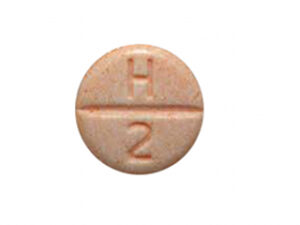
Hygroton (Chlorthalidone) — Patient Information (Australia)
Hygroton is a medicine that contains chlorthalidone and is used to help manage certain conditions related to fluid balance and blood pressure. This page explains how it works, how it’s used, important precautions, and practical advice to support safe use in Australia.
1) Basic product information
| Item | Details |
|---|---|
| Medicine name | Hygroton |
| Active ingredient | Chlorthalidone |
| Medicine class | Thiazide-like diuretic (also referred to as a “water tablet”) |
| How it works | Helps the kidneys remove excess salt and water, lowering blood pressure and reducing fluid build-up |
| Typical forms | Oral tablets (strengths may vary) |
If you have questions about the specific strength you are using, check your packaging or the medication information label.
2) How Hygroton works (mechanism of action)
Chlorthalidone belongs to a group of diuretics that act on the kidneys. After the medicine is absorbed into your bloodstream, it works mainly in the distal convoluted tubule (a part of the kidney’s filtering system).
- Reduces sodium (salt) reabsorption—meaning your kidneys hold back more sodium from being returned to the body.
- Increases water excretion—because water follows sodium, this leads to more urine production.
- Helps lower blood pressure over time by reducing fluid volume and affecting blood vessel tone.
- May help reduce fluid retention in conditions where the body holds extra salt and water.
Diuretics can cause you to pass more urine. The overall blood pressure benefit typically builds over days to weeks, even though urine output may increase soon after starting.
3) Pharmacokinetics (how the body processes it)
While individual responses vary, the general pharmacokinetic features of chlorthalidone are:
- Absorption: Chlorthalidone is absorbed after oral dosing. Food may slightly affect absorption timing, but it is usually taken consistently as directed.
- Onset: Diuretic effects can begin within a short time after dosing, but the full antihypertensive effect may take longer.
- Duration: Chlorthalidone has a relatively long duration of action compared with some other diuretics, which is why it’s commonly dosed once daily.
- Distribution & metabolism: It distributes into body tissues and is handled by the liver and kidneys to a degree; the body’s overall electrolyte balance is a key consideration.
- Elimination: Mainly through the kidneys. This matters if you have kidney impairment—dose adjustments and monitoring may be needed.
Because chlorthalidone can influence electrolytes (such as potassium and sodium), regular blood tests are often used to check safety—especially early in treatment or after dose changes.
4) Typical uses in Australia
Hygroton is commonly used for conditions where lowering blood pressure and/or reducing fluid build-up is important. Specific indications depend on your overall health and medical history.
Indications (common clinical reasons)
- High blood pressure (hypertension) — to help lower blood pressure and reduce cardiovascular risk.
- Fluid retention (oedema) related to certain medical conditions (as determined by your clinician).
- Adjunct therapy — sometimes used alongside other blood pressure medicines for better control.
If you’re using Hygroton as part of a combination plan, continue taking it as instructed with other medicines, unless your doctor advises changes.
5) When to take Hygroton (timing & missed doses)
Many people take chlorthalidone once daily. A common practical approach is taking it in the morning to reduce the chance of needing to urinate overnight.
- Best timing: Usually in the morning with water.
- Consistency matters: Try to take it at the same time each day.
- Hydration: Follow your clinician’s advice, especially if you have heart failure or kidney disease.
If you miss a dose
- Take it when you remember if it’s close to your usual time.
- If it’s near the time of the next dose, skip the missed dose—don’t double up.
- If you’re unsure, ask your pharmacist for guidance based on your schedule.
Keep in mind that electrolyte changes may develop over time; consistent dosing is usually important for stable blood pressure control.
6) Food interactions
In general, Hygroton can be taken with or without food. However, some dietary factors can influence its effects—particularly salt (sodium) and potassium intake.
Considerations
- Salt intake: High-salt diets can reduce blood pressure medicine effectiveness and may worsen fluid retention.
- Potassium balance: Chlorthalidone can lower potassium. A clinician may recommend dietary potassium or potassium supplements in some situations.
- Grapefruit: There isn’t a well-known grapefruit interaction with chlorthalidone like with some other medicines, but it’s still wise to check with your pharmacist if you regularly consume large amounts of grapefruit or grapefruit products.
If you’re on a special diet (for example, heart failure dietary advice or kidney-friendly nutrition), follow those instructions closely.
7) Alcohol and medicine interactions
Alcohol can affect blood pressure, hydration, and how you feel—especially when you’re taking diuretics. While there may not be a single universal “forbidden” interaction, combining alcohol with Hygroton can increase the risk of side effects.
Practical points
- Dizziness or light-headedness: Both alcohol and blood pressure lowering can cause or worsen this.
- Dehydration: Alcohol can contribute to dehydration, which may make electrolyte changes more likely.
- Safety: Be cautious with driving or operating machinery if you feel unwell.
If you drink alcohol regularly, consider discussing the amount that is safest for you with your pharmacist or doctor—particularly if you have low blood pressure, kidney disease, or are taking other blood pressure medicines.
8) Medicines that may interact with Hygroton
Drug interactions can change how well Hygroton works or how safe it is. Tell your pharmacist about all medicines and supplements you use, including over-the-counter products.
Common interaction themes
- Potassium changes: Chlorthalidone may lower potassium. Certain medicines can further lower or raise potassium.
- Kidney effects: Some medicines can affect kidney function or reduce kidney blood flow, which can influence diuretic safety.
- Blood pressure effects: Other blood pressure medicines and some heart medicines can increase the risk of low blood pressure.
Examples (not exhaustive)
- Non-steroidal anti-inflammatory drugs (NSAIDs) (e.g., ibuprofen, naproxen): may reduce diuretic and blood pressure effects and can affect kidney function in some people.
- Lithium: chlorthalidone can increase lithium levels, raising toxicity risk.
- Other diuretics and medicines affecting electrolytes: may increase electrolyte imbalance risk.
- Blood pressure medicines (including ACE inhibitors or ARBs): may require monitoring due to blood pressure and kidney function changes, especially after starting or dose changes.
- Medicines for diabetes: blood sugar control may be affected; monitoring may be needed.
- Digoxin: changes in potassium and magnesium can increase risk of digoxin effects.
For safety, do not start, stop, or adjust other medicines without advice—especially in the first weeks after starting Hygroton.
9) Dosing guidance (general information)
Dosing depends on your condition, kidney function, age, other medicines, and your blood test results. Follow your label instructions carefully.
Key points:
- Typical schedule: Often once daily (commonly in the morning).
- Start low, monitor: Clinicians may begin with a low dose and adjust based on response and blood tests.
- Electrolyte monitoring: Blood tests for potassium, sodium, creatinine/renal function, and sometimes magnesium are commonly used.
- Kidney impairment: Lower doses or careful monitoring may be required.
If you are uncertain about your dose strength or schedule, check the package and ask your pharmacist.
10) Safety profile and side effects
Like all medicines, Hygroton can cause side effects. Many are mild and improve with time or dose adjustment, but some require urgent medical attention.
Common or expected effects
- Increased urination (especially early in treatment)
- Thirst or dry mouth
- Mild dizziness (often related to blood pressure changes)
- Muscle cramps or weakness (can be linked to low potassium)
Important possible adverse effects (electrolyte and metabolic changes)
- Low potassium (hypokalaemia): weakness, cramps, unusual heartbeats
- Low sodium (hyponatraemia): headache, confusion, nausea, severe fatigue
- High uric acid leading to gout flare in some people
- Changes in blood glucose (may affect diabetes management)
- Elevated cholesterol or triglycerides in some cases
- Dehydration if fluid intake is inadequate or if vomiting/diarrhoea occurs
Seek urgent medical help if you have
- Fainting, severe dizziness, or chest pain
- Signs of allergic reaction (e.g., swelling of face/lips, rash, trouble breathing)
- Severe muscle weakness, confusion, or irregular heartbeat
- Symptoms of severe dehydration (very little urine, extreme weakness, persistent vomiting)
If you develop concerning symptoms, contact a healthcare professional promptly.
11) Practical use tips (to improve safety and comfort)
- Take in the morning: Helps reduce night-time urination.
- Stand up slowly: Especially when you first start or if you feel light-headed.
- Keep track of blood pressure: Home readings can help show whether it’s working and whether the dose is too strong.
- Attend blood test appointments: Electrolytes and kidney function should be monitored, particularly soon after starting or changing dose.
- Watch for gout symptoms: If you have a history of gout, be alert to painful swollen joints.
- Don’t overdo “salt-free” without advice: Salt reduction is often helpful for blood pressure, but do not make drastic dietary changes without professional guidance, particularly if you’re at risk of electrolyte problems.
- Manage “sick day” situations: If you’re vomiting or have severe diarrhoea, you may be at higher risk of dehydration and electrolyte imbalance—contact your healthcare provider for guidance.
Always follow the monitoring plan provided by your clinician.
12) Special populations (who may need extra caution)
- Kidney impairment: Higher risk of electrolyte and kidney function changes; dosing and monitoring may be adjusted.
- Older adults: More sensitive to blood pressure changes and electrolyte disturbances.
- Diabetes: Blood sugar may be affected; monitor as advised.
- Gout or high uric acid: Can increase the likelihood of gout attacks.
- People with heart rhythm disorders: Low potassium/magnesium can increase risk; careful monitoring is important.
13) Alternative options
Depending on your condition, clinicians may consider other medicines that achieve similar goals. Alternatives may include:
- Other thiazide-like diuretics (e.g., indapamide) or thiazide diuretics (e.g., hydrochlorothiazide)
- Loop diuretics (e.g., furosemide) for some fluid-related conditions
- Blood pressure medicines from other classes such as ACE inhibitors, ARBs, calcium channel blockers, beta blockers, or mineralocorticoid receptor antagonists
The “best” alternative depends on your diagnosis, kidney function, other medicines, and your electrolyte results. Discuss options with your pharmacist or clinician.
14) Market and legal context in Australia
In Australia, many medicines for hypertension and related conditions are regulated to ensure safe use and appropriate patient information. Pharmacies provide medicines based on Australian regulatory requirements and clinical suitability.
Hygroton (chlorthalidone) is typically supplied through appropriate channels where patient counselling, safety checks, and monitoring plans are supported. Your pharmacist can guide you on safe use, interactions, and when blood tests may be needed.
For the most up-to-date medicine scheduling, indication details, and product-specific consumer information, it’s best to refer to official Australian medicine resources and the medication pack.
15) Recent guidance & monitoring considerations (general)
Ongoing clinical guidance in hypertension and diuretic therapy in Australia often emphasizes:
- Regular monitoring of electrolytes (especially potassium and sodium)
- Monitoring kidney function (creatinine/eGFR), particularly after starting or adjusting dose
- Individualised dosing based on age, kidney function, and co-morbidities
- Attention to symptoms of dehydration or low electrolytes
If you’ve recently started Hygroton or changed dose, your healthcare team may recommend earlier blood tests to confirm safety.
16) Delivery and availability (online pharmacy)
Availability can vary depending on stock levels and strength. When purchasing online, you should be able to view:
- Brand and strength options
- Pack size
- Delivery estimates for your location in Australia
- Product information and how to take the medicine
After dispatch, tracking information is typically provided. If you need your medicine urgently, choose the most suitable delivery option shown at checkout and contact customer support if required.
Always check the expiry date on the pack before use.
17) Frequently Asked Questions (FAQ)
Is Hygroton the same as chlorthalidone?
Yes. Hygroton is a brand name that contains the active ingredient chlorthalidone.
How long does it take to work?
You may notice increased urination soon after starting. Blood pressure improvements typically take days to weeks, depending on your dose and individual response.
Why do I need blood tests?
Chlorthalidone can change electrolytes (such as potassium and sodium) and can affect kidney function. Blood tests help ensure the medicine is safe and working as intended.
Should I take Hygroton with food?
It can usually be taken with or without food. Many people find it easiest to take with a glass of water at the same time each day. Follow your specific label instructions.
Can I drink alcohol while taking Hygroton?
It’s best to use caution. Alcohol can increase the chance of dizziness or dehydration. If you drink, keep it moderate and avoid driving or activities requiring alertness if you feel light-headed.
What should I do if I get dizzy after starting?
Sit or lie down, stand slowly, and check your blood pressure if possible. If dizziness is severe or you faint, seek medical advice urgently. Inform your pharmacist or doctor—your dose or timing may need review.
Will Hygroton affect my potassium levels?
It may. Low potassium is one of the more important side effects to monitor. Your clinician may recommend blood tests and dietary adjustments and, in some cases, supplementation.
Can Hygroton cause gout?
It can increase uric acid levels, which may trigger gout attacks in people predisposed to gout. If you develop painful, swollen joints, contact your healthcare provider promptly.
What if I miss a dose?
If you remember soon, take it when convenient. If it’s close to your next dose, skip the missed one—don’t take a double dose. Ask your pharmacist if you’re unsure.
Are there alternatives if it doesn’t suit me?
Yes. Depending on your condition and your test results, your clinician may suggest other diuretics or different blood pressure medicines. Discuss options before making any changes.
Important: This information is general and not a substitute for personalised medical advice. If you have questions about how Hygroton applies to your health, or if you experience side effects, speak with a pharmacist or doctor.