
Alesse (Levonorgestrel / Ethinyl estradiol) — Consumer Medicine Information (Australia)
Alesse is a combined oral contraceptive pill that contains two hormones: levonorgestrel (a progestogen) and ethinyl estradiol (an oestrogen). It is used by many people in Australia to help prevent pregnancy and can also provide cycle-related benefits for some users.
This guide is designed to be patient-friendly and practical. It summarises how Alesse works, how to take it, key safety information, possible interactions, and frequently asked questions. Always read the Consumer Medicine Information (CMI) leaflet inside your pack for the most up-to-date details specific to your product.
Key product information
- Brand: Alesse
- Active ingredients: Levonorgestrel + Ethinyl estradiol
- Type: Combined oral contraceptive (COC)
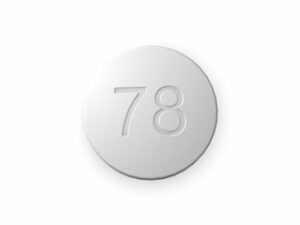
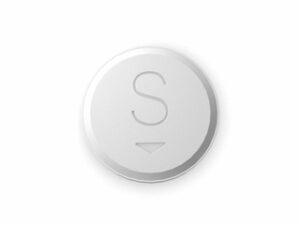
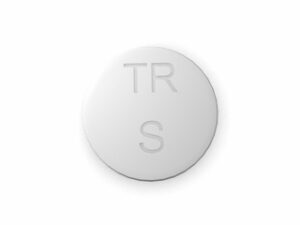
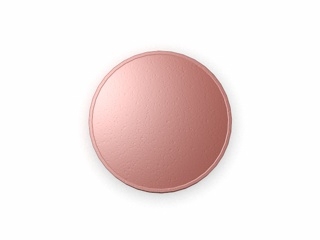
- Common pack format: Usually includes active hormone tablets and a period of placebo/inactive tablets depending on the pack design
- How it’s taken: Once daily, at about the same time each day
- Typical benefit: Pregnancy prevention; may help regulate bleeding patterns
Note: Exact tablet counts and colour/strength can vary by specific Australian pack. Check your blister pack instructions.
How Alesse works (mechanism of action)
Alesse prevents pregnancy mainly by combining three actions:
- Stops ovulation: The progestogen (levonorgestrel) helps prevent release of an egg from the ovary.
- Thickens cervical mucus: Hormonal changes make it harder for sperm to enter the uterus.
- Alters the uterine lining: The lining becomes less suitable for implantation.
Because it works through multiple pathways, consistent daily use is important for maximum effectiveness.
Typical use and indications in Australia
Alesse is used for:
- Contraception (to prevent pregnancy).
- Cycle and bleeding-related reasons for some individuals, as advised by a healthcare professional (for example, more predictable withdrawal bleeding).
Not for: Emergency contraception. Alesse is a daily contraceptive pill, not a “one-time” treatment after unprotected sex.
Pharmacokinetics (how the body processes it)
Understanding pharmacokinetics can help explain why timing and missed doses matter.
| Topic | What generally happens |
|---|---|
| Absorption | Both hormones are absorbed through the gastrointestinal tract after taking a tablet. |
| Distribution | They circulate in the bloodstream and bind to carrier proteins. |
| Metabolism | They are primarily metabolised in the liver and other metabolic pathways. |
| Elimination | Metabolites are eliminated mainly through the urine and/or bile. |
Why this matters: The hormones build up over days when taken daily. Consistent intake helps maintain hormone levels that suppress ovulation and supports contraceptive effectiveness.
When and how to start Alesse (timing guidance)
Start timing can vary depending on your situation (e.g., switching from another pill, starting after a break, postpartum, or after stopping another contraceptive). Follow the instructions in your pack/CMI and the guidance provided with your product.
Common starting approaches include:
- Day 1 start: Start on the first day of your period. Contraceptive protection is typically available immediately if taken correctly.
- Quick start / other day start: Starting outside the first day of bleeding may require additional contraception (e.g., condoms) for a short period to ensure effectiveness.
Switching pills: If you’re changing from another combined pill, you generally start Alesse the day after your previous active pills finish or as instructed, without an extended gap. If there is uncertainty, use condoms and check the CMI.
Dose and administration
Alesse is taken as an oral tablet once daily by mouth.
- Take one tablet every day at roughly the same time.
- Swallow whole with water if needed.
- Follow the blister/pack schedule closely (active vs placebo/inactive days).
If you forget tablets: missed-dose instructions depend on how many tablets are missed and the timing within the pack. Always consult your CMI for the exact recommendations for your pack.
Food interactions
In general, food does not usually significantly affect the effectiveness of combined oral contraceptives.
However, consider the following practical points:
- If you experience vomiting or severe diarrhoea soon after taking a tablet, absorption may be reduced. The missed-dose guidance in the CMI may apply.
- Do not rely on dietary timing to fix missed doses—use the CMI instructions.
Alcohol and medicine interactions
Alcohol: Moderate alcohol intake does not usually directly reduce contraceptive effectiveness. The bigger concern is if alcohol contributes to missed tablets or vomiting.
Medicine interactions (important): Some medicines can reduce contraceptive effectiveness by increasing hormone metabolism in the liver. Other medicines may increase bleeding or change hormone levels.
Please consider common categories of interacting medicines:
- Enzyme-inducing medicines (examples include some treatments for epilepsy and tuberculosis, and certain herbal products such as St John’s wort) may reduce effectiveness.
- Some antibiotics and antivirals can also interact in specific circumstances (interaction potential varies).
- Herbal supplements (notably St John’s wort) may lower hormone levels.
What to do: Tell your pharmacist or healthcare professional about all medicines, including herbal products, vitamins with significant ingredients, and occasional medications.
Safety profile and when to seek urgent help
Like all combined oral contraceptives, Alesse contains an oestrogen component and is associated with an increased risk of certain conditions compared with not using combined pills—particularly blood clots in people with additional risk factors.
Seek urgent medical advice if you develop signs suggestive of a serious clot or stroke, such as:
- Severe chest pain or shortness of breath
- Sudden weakness or numbness on one side of the body
- Speech difficulties
- Severe headache (especially if sudden or unusual)
- Severe leg pain or swelling (often in one leg)
- Vision changes
Contact a healthcare professional promptly if you have persistent unusual bleeding, severe abdominal pain, or symptoms that concern you.
Common side effects
Side effects can occur, especially in the first few months as your body adjusts. Common ones may include:
- Nausea or mild stomach discomfort
- Headache
- Breast tenderness
- Mood changes
- Spotting or irregular bleeding (breakthrough bleeding), particularly early in use
- Changes in appetite or libido
Many people find that mild side effects improve after the first 2–3 cycles.
Who should be extra careful (contraindications and risk factors)
Combined pills may not be suitable if you have certain medical conditions or risk factors (e.g., a history of blood clots, some types of migraine, uncontrolled high blood pressure, certain liver disease, or other conditions described in the CMI).
Be sure to review the CMI and discuss your health history with a pharmacist or clinician—especially if you:
- Smoke (particularly if you are over 35 years old)
- Have migraine with aura
- Have high blood pressure or diabetes with vascular complications
- Have a history of clots or thrombophilia
- Are having major surgery or prolonged immobilisation (risk may increase around those times)
Practical use tips for best effectiveness
- Choose a consistent time (e.g., after breakfast or before bed).
- Set a daily reminder on your phone or watch.
- Store properly (cool, dry place; keep blister/pack in the original packaging).
- Plan for travel: keep tablets in carry-on luggage and take them at your usual time unless advised otherwise.
- Use condoms when needed if you miss tablets or when starting outside the recommended timing.
Managing missed tablets (general guidance)
Missed-dose advice varies depending on the number of missed active tablets and where you are in the pack. The CMI will provide step-by-step instructions. In general, to help reduce risk:
- Take the most recent missed tablet as soon as you remember (if applicable to your situation).
- Continue taking the remaining tablets at the usual time.
- Use additional contraception (e.g., condoms) for the time recommended in the CMI.
If you’ve had unprotected sex during a period when protection may have been reduced, seek advice from a pharmacist promptly about options for reassurance and contraception.
Delivery and availability in Australia
Alesse is widely available through pharmacies and pharmacy online stores in Australia. Availability can vary by pack size and formulation. When purchasing online, you should check:
- Stock status and dispatch timeframes
- Packaging integrity (sealed blister pack, original carton where applicable)
- Expiry date and shelf-life remaining
- Delivery region and courier options
Shipping considerations: Many pharmacies ship in temperature-stable packaging. While combined oral contraceptives are generally stable, avoid leaving parcels in extreme heat for long periods.
Alternative options
If Alesse isn’t suitable or you want different options, there are several contraceptive alternatives. Choices depend on your preferences, health history, and lifestyle.
Other combined oral contraceptives
- Different formulations of oestrogen/progestogen combinations may be available.
Progestogen-only options
- Progestogen-only pill (may be considered if oestrogen isn’t suitable)
- Long-acting reversible contraception such as implants and hormonal IUDs (often very effective and convenient)
Barrier methods and non-hormonal options
- Condoms (also help reduce STI risk)
- Copper IUD (non-hormonal)
If you want to switch options, it’s important to plan the transition carefully to maintain contraceptive protection.
Market and legal context for Australia
In Australia, contraceptive medicines are regulated as prescription or non-prescription products depending on the specific product and local rules at the time. Many combined oral contraceptives are commonly accessed via pharmacy channels, and different pathways (including repeat supply processes) may be available.
Online pharmacies in Australia typically require customer information to ensure safe supply, including age and suitability checks, and may request your details to confirm you can receive the product safely. Always provide accurate information and follow the steps shown during checkout.
Clinical oversight: Even when a product is available through pharmacy channels, ongoing suitability matters—especially if your health changes, you develop migraines, start smoking, or begin new interacting medications.
Recent guidance and updates (general)
Advice around combined oral contraceptives continues to emphasise:
- Risk assessment for blood clots and stroke, particularly with individual risk factors
- Medication interaction awareness (especially enzyme-inducing medicines and certain herbal products)
- Clear missed-dose protocols depending on the number of missed tablets
- Prompt medical review for new severe headaches, visual symptoms, or clot-like signs
As guidance can be updated, it’s wise to check the latest product information in the CMI and consult a pharmacist if you have any concerns.
FAQ about Alesse (Levonorgestrel / Ethinyl estradiol)
1) How well does Alesse work?
When taken correctly, combined pills are highly effective. Effectiveness can drop if tablets are missed or vomiting/diarrhoea occurs soon after taking a tablet. If you’re unsure about missed doses, check the CMI and consider using condoms until protection is regained.
2) What if I start Alesse mid-cycle?
Starting mid-cycle may not provide immediate protection. Your pack/CMI will advise whether you need additional contraception for a short time. If unsure, use condoms and ask a pharmacist for tailored advice.
3) Can I skip the placebo/inactive days?
The instructions in your specific pack should be followed. Changing the schedule without guidance may affect bleeding patterns and contraceptive reliability. If you want a continuous regimen, ask a pharmacist/clinician about an appropriate plan.
4) Will Alesse cause weight gain?
Some people report changes in weight, but combined oral contraceptives are not consistently linked to significant weight gain in studies. Lifestyle factors and individual variability play a role.
5) What should I do if I have breakthrough bleeding?
Spotting or breakthrough bleeding is common in the first few months. It often settles. Persistent or heavy bleeding should be reviewed by a healthcare professional, particularly if it continues beyond the early adjustment period.
6) Can I take Alesse with other medicines?
Some medicines can reduce contraceptive effectiveness or increase bleeding. Provide a complete list of your medicines (including herbal supplements such as St John’s wort) to a pharmacist to check for interactions.
7) Does vomiting or diarrhoea affect it?
Yes. If vomiting occurs shortly after taking a tablet, absorption may be reduced. The CMI’s missed tablet advice may apply. Severe or ongoing diarrhoea can also affect absorption—seek advice promptly.
8) Is Alesse safe if I smoke?
Smoking increases cardiovascular risk, especially with combined oestrogen-containing pills. Suitability depends on your age and smoking amount—discuss with a pharmacist or clinician.
9) Can I drink alcohol while using Alesse?
Moderate alcohol use is generally not a direct issue. The main risk is missing tablets or vomiting. If you’re unwell, follow the guidance in the CMI.
10) What should I do if I miss tablets?
Follow the missed-dose instructions in your specific pack/CMI. In many situations, taking the next correct pill and using condoms for a specified time is recommended. If you’ve had unprotected sex during the risk window, seek advice promptly.
Summary
Alesse (levonorgestrel/ethinyl estradiol) is a combined oral contraceptive designed to prevent pregnancy through suppression of ovulation, thickening of cervical mucus, and altering the uterine lining. For best effectiveness, take it once daily at approximately the same time and follow the pack schedule precisely. Food usually does not significantly affect it, but vomiting/diarrhoea soon after a dose may. Some medicines and herbal supplements can reduce effectiveness—always check interactions.
If you have any symptoms that concern you—especially signs of blood clots—seek urgent medical help. If you’re considering starting, switching, or have missed tablets, consult the product CMI and speak with a pharmacist for personalised guidance.