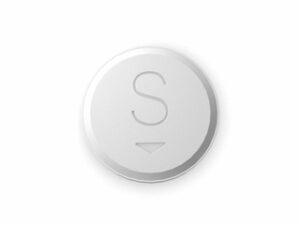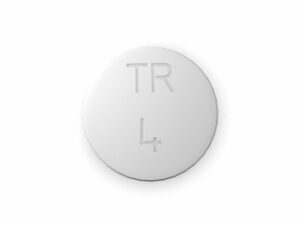

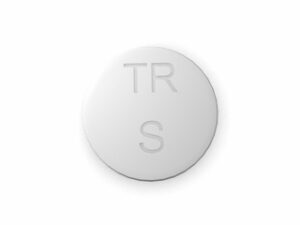

Drospirenone + Ethinyl Estradiol (Combined Oral Contraceptive)
Drospirenone and Ethinyl Estradiol is a combined oral contraceptive (COC) used by many people in Australia to prevent pregnancy and to help manage certain hormone-related conditions. This page explains how it works, how it’s used, and what to expect—written in clear, patient-friendly language.
Note: The exact brand and tablet strength may vary. Always read the consumer medicine information (CMI) provided with your product and follow the directions from your healthcare professional.
Basic product information
- Medicines: Drospirenone + Ethinyl Estradiol
- Type: Combined oral contraceptive (COC)
- Hormone classes: Progestogen (drospirenone) + oestrogen (ethinyl estradiol)
- Common purpose: Contraception (pregnancy prevention)
How it is commonly supplied
- Typically provided as tablet packs (often 21 active tablets followed by a break, or a 24–28 day regimen depending on the product).
- Some packs include inactive/placebo tablets to help you maintain your routine.
How it works (mechanism of action)
Drospirenone and ethinyl estradiol work together to prevent pregnancy primarily by reducing ovulation and making it harder for sperm to reach an egg.
- Suppresses ovulation: The oestrogen and progestogen signals to the brain to reduce the hormones that trigger ovulation.
- Thickens cervical mucus: Drospirenone helps make cervical mucus less penetrable to sperm.
- Changes the uterine lining: Hormonal effects can make the lining less suitable for implantation.
Beyond contraception, combined pills may also help with predictable bleeding patterns and may improve acne or symptoms related to hormone imbalance in some users (depending on product and individual suitability).
Pharmacokinetics (how the body processes it)
Pharmacokinetics describes how the body absorbs, distributes, metabolises, and eliminates the hormones. While exact values can vary by product and individual differences, the following provides a useful overview.
Absorption
- Both hormones are absorbed from the gut after you swallow a tablet.
- Peak blood levels typically occur within a few hours after taking a dose.
Distribution
- The hormones circulate in the blood, largely bound to proteins.
- Ethinyl estradiol is highly protein-bound; drospirenone also binds to plasma proteins.
Metabolism
- They are metabolised mainly in the liver.
- Ethinyl estradiol undergoes extensive metabolism; drospirenone is also metabolised and processed to inactive products.
- Certain medicines can increase metabolism (leading to reduced contraceptive effectiveness).
Elimination
- Metabolites are eliminated primarily through the urine and faeces.
- Levels decline gradually between doses, which is why consistent daily use is important.
Typical use in Australia
Drospirenone/ethinyl estradiol combined oral contraceptives are used for:
- Contraception: preventing pregnancy.
- Management of hormone-related symptoms (depending on your product and clinical suitability).
- Cycle regulation: helping make bleeding more predictable.
- Acne and androgen-related symptoms for some people (your doctor may advise this option when appropriate).
The product’s exact approved indications can depend on the specific brand and formulation. Always confirm with your local CMI and healthcare professional.
How to start and timing (practical guidance)
When you begin a combined pill affects how quickly it protects against pregnancy. Many products are taken as one tablet each day at about the same time.
General starting options
- Start on day 1 of your period: contraception protection is usually immediate.
- Start later in your cycle: additional protection (e.g., condoms) may be needed for a short time.
- Switching from another contraceptive: timing depends on the previous method.
Taking it daily
- Choose a time you can maintain daily (e.g., morning with breakfast or evening after dinner).
- If you miss a dose, follow the missed-dose instructions in your CMI or talk to a healthcare professional.
- Do not take extra tablets to “catch up” unless the CMI specifically instructs you to do so.
What about the placebo/break days?
- In many packs, the break or placebo phase is designed to maintain a withdrawal bleed.
- Contraceptive protection usually continues through placebo days if you take active tablets correctly and start the next pack on time.
Food interactions
Food generally does not significantly affect the effectiveness of combined oral contraceptives. You can take the tablet with or without food.
- If you experience vomiting or severe diarrhoea soon after taking a dose, absorption may be reduced. In that case, follow your product’s advice about missed/late doses.
- Severe gastrointestinal illness can affect how well the tablet is absorbed—consider additional contraception during the illness and for the recommended period afterwards.
Alcohol and medicine interactions
Alcohol
- Moderate alcohol intake is not typically expected to reduce contraceptive effectiveness directly.
- However, heavy drinking can lead to missed doses and may worsen side effects such as nausea or dizziness.
- If you vomit after drinking, treat it like a missed dose situation (based on your CMI).
Medicine interactions (important)
Some medicines can reduce the effectiveness of combined oral contraceptives by increasing the liver enzymes that metabolise hormones. Others may increase hormone levels or alter bleeding patterns.
Common interaction categories
- Enzyme inducers (can reduce contraceptive effectiveness), such as some treatments for seizures and certain infections.
- Some antibiotics/antifungals (effects vary—most do not reduce efficacy, but exceptions exist).
- St John’s wort (an herbal product) can reduce effectiveness.
- HIV and hepatitis medicines may interact depending on the regimen.
Practical steps to reduce risk
- Tell your pharmacist or prescriber about all medicines and supplements you use, including herbal products.
- If you start a medicine known to interact, you may need extra barrier protection for a period and possibly a different contraceptive approach.
- Do not stop interacting medicines without medical advice.
Indications and suitability (who may use it)
Drospirenone/ethinyl estradiol is intended for individuals who want combined oral contraception and for whom it is clinically suitable.
When it may be considered
- For pregnancy prevention and for people who prefer predictable bleeding patterns.
- For selected patients where hormone-related symptoms may benefit (depending on clinical assessment).
Not suitable for everyone
Combined pills are not appropriate for people with certain medical conditions or risk factors. Your clinician may use guidelines to assess your safety. You may be advised against combined pills if you have:
- A history of blood clots (venous thromboembolism) or stroke
- Some migraine types (especially with aura)
- Uncontrolled high blood pressure or significant cardiovascular disease
- Known clotting disorders
- Severe liver disease
- Breast cancer or certain hormone-sensitive cancers
- Postpartum timing considerations
If you’re unsure whether combined pills are safe for you, discuss it with a healthcare professional before starting.
Dosing and administration
Most drospirenone/ethinyl estradiol regimens are taken as one tablet daily. The exact dose strength and pack schedule depend on the specific product.
General dosing principles
- Do not exceed the prescribed or pack instructions.
- Take the tablet at the same time each day.
- If your pack includes placebo tablets, continue them exactly as directed.
Missed dose overview (high-level)
Missed-dose advice differs by how many tablets you miss and where you are in the pack. Always use the specific missed-dose table in your CMI. In general, missed tablets may require:
- Taking the most recent missed tablet as soon as possible
- Using additional contraception for a short period
- Considering emergency contraception if appropriate
If you missed tablets and had unprotected sex, speak with a healthcare professional or pharmacist promptly for tailored advice.
Safety profile and important warnings
Like all medicines, combined oral contraceptives have potential side effects. Many people experience mild or temporary effects, while others may require reassessment.
Common side effects
- Nausea or stomach discomfort
- Breast tenderness
- Headache
- Spotting or irregular bleeding, especially in the first few months
- Mood changes
- Changes in libido
Less common but serious risks
Combined pills can increase the risk of blood clots (venous thromboembolism) compared with not using hormonal contraception. The risk is still lower than the risk associated with pregnancy, but it can be higher depending on individual factors (such as smoking and certain medical histories).
Seek urgent medical help if you develop symptoms that could indicate a clot, including:
- Severe chest pain or shortness of breath
- Sudden one-sided leg pain or swelling
- Sudden weakness, numbness, or trouble speaking
- Severe sudden headache (especially if unusual for you)
- Sudden vision changes
Drospirenone-related considerations
Drospirenone has anti-mineralocorticoid activity, meaning it can influence potassium balance. This is usually not a problem for most people, but the risk of elevated potassium may be higher if you take certain medications (for example, some medicines that affect potassium levels) or have kidney problems.
If you have kidney disease or take medications that can raise potassium, discuss suitability and monitoring with a healthcare professional.
When to contact a clinician
- Persistent or heavy bleeding that doesn’t settle
- New or worsening migraines
- Signs of liver problems (e.g., yellowing of skin/eyes)
- Severe persistent nausea, vomiting, or abdominal pain
Practical use tips for best results
- Set a daily reminder on your phone or use calendar alerts.
- Keep your pack visible where you’ll remember it.
- Travel planning: carry tablets in your hand luggage and bring extra for delays.
- Address side effects early: spotting and nausea often improve after a few cycles, but persistent symptoms should be discussed.
- Use backup protection when advised: especially when you start, switch packs, or miss tablets.
- Do not double up unless instructed in the CMI.
Pregnancy testing
If you miss several tablets or do not have withdrawal bleeding during placebo days, consider speaking with a healthcare professional about whether a pregnancy test is appropriate.
Alternative options
If drospirenone/ethinyl estradiol isn’t suitable, there are other contraceptive choices in Australia. Options may include:
Other combined oral contraceptives
- Different progestogens with similar oestrogen component
- Different dosing schedules (21/7, 24/4, continuous regimens)
Progestogen-only contraception
- Progestogen-only pill (POP)
- Hormonal injection
- Implant
- Hormonal or copper intrauterine device (IUD)
Non-hormonal contraception
- Copper IUD
- Barrier methods (condoms, diaphragms) depending on personal circumstances
If you’re switching, the transition timing depends on the previous method and your cycle. A pharmacist or clinician can help you plan the safest switch.
Market and legal context for Australia
Contraceptive medicines are supplied in Australia under the regulatory framework administered by the Therapeutic Goods Administration (TGA). Availability, brand listing, and consumer information are managed according to Australian medicines laws.
Online pharmacies in Australia typically require verification steps consistent with local regulations and pharmacy standards, and they supply medicines in line with their legal scheduling and intended use. Always ensure you purchase from a reputable Australian-licensed pharmacy.
Recent guidance (general themes)
- Emphasis on individual risk assessment (clot risk, migraine history, smoking status, and other factors).
- Clear patient instructions on missed doses and when to use backup contraception.
- Medication interaction awareness, especially with enzyme-inducing medicines and herbal products.
- Prompt review of serious symptoms suggestive of blood clots or severe adverse effects.
Clinical recommendations can evolve as new safety data and guidelines are published. For the most up-to-date advice, refer to the CMI and guidance from Australian health authorities or your clinician.
Delivery and availability (online pharmacy)
Availability can vary by brand and pack size. Many online pharmacies in Australia deliver contraceptive medicines to eligible areas, with options such as standard or express shipping depending on the pharmacy and location.
What to expect when ordering online
- Order processing: may take one business day or longer depending on verification steps.
- Shipping: delivery timeframes depend on courier services and your postcode.
- Packaging: medicines are typically shipped in protective packaging to maintain discretion and reduce damage risk.
Storage advice
- Store at room temperature (unless the CMI specifies otherwise).
- Keep away from moisture and direct sunlight.
- Keep out of reach of children.
FAQ
1. How effective is drospirenone/ethinyl estradiol?
Effectiveness depends on correct daily use. When taken consistently according to the instructions, combined oral contraceptives are highly effective. Missed tablets and certain medicine interactions can reduce effectiveness. Use backup contraception when advised.
2. What should I do if I miss a dose?
Follow the missed-dose instructions in your CMI for your specific pack. In general, you may need to take the missed tablet as soon as possible and use additional contraception for a period. If you missed multiple tablets or had unprotected sex, contact a pharmacist or clinician promptly for tailored advice.
3. Can I take it at any time of day?
You should choose a time that you can maintain each day. Timing becomes more important if you frequently forget doses. Taking it at the same time daily helps maintain hormone levels and reduces the chance of missed doses.
4. Will food affect the pill?
Food generally does not significantly affect absorption. However, vomiting or severe diarrhoea shortly after taking a tablet can reduce absorption. If this happens, treat it like a missed dose according to your CMI.
5. Does alcohol reduce contraceptive effectiveness?
Alcohol itself is not typically known to reduce effectiveness, but it can indirectly affect it if you forget doses or vomit after drinking. If vomiting occurs soon after taking the tablet, follow missed-dose guidance.
6. Are there medicines I should avoid?
Some medicines and herbal products can interact and reduce effectiveness or alter bleeding patterns. Tell your pharmacist about all medicines and supplements you take, including over-the-counter products and St John’s wort.
7. What side effects are common early on?
Spotting/irregular bleeding, nausea, breast tenderness, and mild headaches can occur, especially in the first 2–3 months. If side effects are severe, persistent, or worsening, seek advice.
8. When should I seek urgent help?
Seek urgent medical care for symptoms suggestive of a blood clot or stroke, such as severe chest pain, shortness of breath, sudden leg swelling/pain, one-sided weakness, or sudden severe headache. Do not wait.
9. Can I stop taking it when I want?
Yes, you can stop, but contraception will no longer be provided once you stop. Pregnancy can occur quickly after stopping, so consider how you’ll prevent pregnancy beforehand.
10. What if I don’t get bleeding during the placebo or break days?
Many people still have withdrawal bleeding, but changes can happen. If you missed tablets, or bleeding doesn’t occur as expected, consider a pregnancy test and speak with a healthcare professional for advice.
Summary
Drospirenone and Ethinyl Estradiol is a combined oral contraceptive used in Australia primarily for pregnancy prevention, with additional benefits for some individuals. It works by suppressing ovulation, thickening cervical mucus, and altering the uterine environment. To achieve the best effectiveness, take your tablet consistently at the same time each day and watch for interactions with other medicines or herbal products. If you experience any warning signs—especially symptoms that could indicate a blood clot—seek urgent medical attention.
For the most accurate instructions, always refer to the specific product’s consumer medicine information (CMI) included with your tablets.