
Desogen (Desogestrel / Ethinyl Estradiol) — Patient Guide (Australia)
Desogen is a combined oral contraceptive pill containing two hormones: desogestrel (a progestogen) and ethinyl estradiol (an oestrogen). It is used by many people in Australia to prevent pregnancy and to help regulate bleeding patterns for some users.
This page explains how Desogen works, how to take it safely and effectively, key timing details, potential interactions, and what to consider in everyday life. It also includes practical tips, alternatives, and answers to common questions.
1) Basic product information
| Category | Details |
|---|---|
| Medicine name | Desogen |
| Active ingredients | Desogestrel + Ethinyl estradiol |
| Type of medicine | Combined oral contraceptive pill (COCP) |
| Common use | Contraception; can help with cycle regularity |
| How it’s taken | Oral tablet daily (follow the pack schedule) |
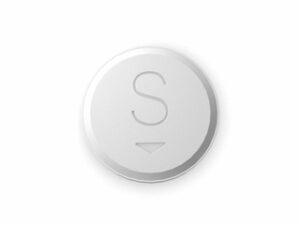
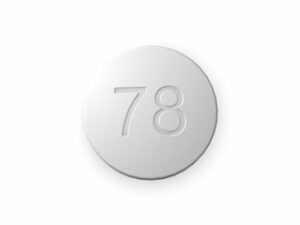
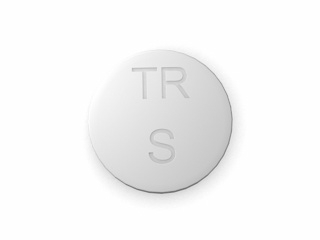
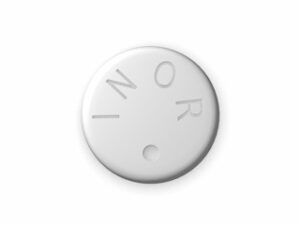
Important note: Specific pack types and tablet colours/strengths can vary by product presentation. Always follow the instructions in your medication pack and the advice given by your healthcare professional.
2) How Desogen works (mechanism of action)
Desogen prevents pregnancy using several complementary actions:
- Stops ovulation: The hormones help prevent the ovaries from releasing an egg (ovulation).
- Thickens cervical mucus: This makes it harder for sperm to move through the cervix.
- Alters the uterine lining: Changes reduce the chance of implantation.
Because it contains an oestrogen and a progestogen, Desogen is classified as a combined oral contraceptive.
3) Pharmacokinetics (how the body processes it)
Pharmacokinetics describes what happens to the medicine after it’s swallowed: absorption, distribution, metabolism, and elimination. While exact numbers can vary by individual, the overall pattern for combined oral contraceptives includes:
Absorption
- Desogestrel and ethinyl estradiol are absorbed through the gastrointestinal tract after oral dosing.
- Peak blood levels occur within hours after taking a tablet.
Distribution and protein binding
- Both hormones circulate in the blood and are bound to plasma proteins, which influences their distribution and availability.
Metabolism
- Ethinyl estradiol is primarily metabolised by hepatic pathways.
- Desogestrel is converted into its active metabolite(s) in the body, and these are also processed mainly in the liver.
- Some medicines can increase liver enzyme activity, potentially reducing contraceptive effectiveness (see interactions below).
Elimination
- The hormones and their metabolites are eliminated mainly via the urine and faeces.
- Half-life (the time taken for blood levels to decrease by half) can differ for each hormone and metabolite.
Why this matters: Pharmacokinetics helps explain why missed tablets, vomiting/diarrhoea, and interactions with other medicines (especially enzyme inducers) can affect contraceptive reliability.
4) Typical use and timing
Desogen is taken to prevent pregnancy. It’s most effective when taken consistently, at around the same time every day.
Starting Desogen
There are different ways to start depending on your situation (for example, whether you are switching from another contraceptive, starting after a pregnancy, or starting at the start of a menstrual bleed). The correct start method should follow the pack instructions and your healthcare professional’s guidance.
Daily routine (timing tips)
- Choose a time you can keep: Morning with breakfast, evening after dinner, or bedtime—whatever is most consistent.
- Use reminders: Phone alarms, calendar alerts, or a medication app.
- Keep blister packs visible: Store in a consistent place to reduce missed doses.
What to expect in the first months
Some users experience spotting or breakthrough bleeding in the first few months. This can improve as your body adapts. If bleeding is persistent, very heavy, or associated with pain, seek medical advice.
5) Indications (what Desogen is used for)
Desogen is indicated for:
- Contraception (to prevent pregnancy)
- Cycle-related benefits for some users, such as more regular bleeding patterns
Desogen may not be suitable for everyone. Suitability depends on medical history, risk factors, and medication interactions.
6) Dosing: how to take Desogen
Always follow your pack schedule. The most important point is taking tablets at the same time daily and continuing without gaps unless instructed.
General dosing principles
- One tablet per day at roughly the same time.
- Take tablets in the order shown on the pack.
- Begin a new pack when directed (many packs follow a planned break or placebo days).
If you miss a dose
Missing tablets can reduce protection, particularly if it happens early in a pack. The appropriate response depends on:
- How many tablets were missed
- Where you are in the cycle/pack
- The number of hours since the scheduled time
Practical approach: Use the missed dose instructions in your Desogen pack leaflet. If you are unsure, consider using additional contraception (e.g., condoms) and seek advice promptly—especially if you had unprotected sex in the preceding days.
7) Food interactions
In general, food does not significantly affect the absorption of combined oral contraceptives. Desogen can typically be taken with or without food.
- However: If you vomit soon after taking a tablet, absorption may be incomplete.
- Diarrhoea: Severe diarrhoea may also reduce absorption in some people.
If vomiting or severe diarrhoea occurs: follow the advice in your pack leaflet about what to do (often this involves taking another tablet if vomiting occurs within a certain time window, and using extra contraception until protection is restored).
8) Alcohol and medicine interactions
Alcohol
Moderate alcohol intake is not usually expected to directly reduce contraceptive effectiveness. However:
- Heavy drinking may indirectly increase risk if it leads to missed doses.
- Vomiting associated with heavy drinking can affect absorption.
Tip: If you drink alcohol, ensure you still take Desogen at your usual time.
Common medicine interactions (important)
Some medicines can reduce the effectiveness of combined oral contraceptives by increasing metabolism (for example, via liver enzyme induction) or affecting hormone levels. This can increase the risk of unintended pregnancy.
Examples of medicine categories that may interact include:
- Anti-epileptics (some seizure medicines)
- Rifampicin or rifamycin antibiotics
- Some HIV antivirals
- St John’s wort (Hypericum perforatum) (an herbal product often sold as a supplement)
- Some tuberculosis medicines
Other medicines may also affect bleeding patterns or drug levels. Always tell your healthcare professional and pharmacist about all medicines, including:
- Prescription medicines
- Over-the-counter products
- Herbal supplements
- Weight-loss products
High-impact situations: If you start a medicine that could interact with Desogen, ask about whether you need additional contraception during treatment and for a period after stopping the interacting medicine.
9) Safety profile and key precautions
Like all combined oral contraceptives, Desogen has potential risks and not everyone should use it. The most important safety considerations involve blood clot risk and certain medical conditions.
Who should not use combined oral contraceptives (general guidance)
You should not use combined oral contraceptives if you have certain conditions. Common reasons include (not exhaustive):
- A history of blood clots (deep vein thrombosis or pulmonary embolism)
- Some types of migraine, especially migraine with aura
- Certain heart or blood vessel diseases
- Uncontrolled high blood pressure
- Known breast cancer or other hormone-sensitive cancers
- Severe liver disease
- Pregnancy (contraceptives are not used if pregnant)
If you are unsure whether Desogen is suitable for you, discuss your history with a healthcare professional.
Warning signs: seek urgent medical help
Stop taking the medicine and seek urgent medical care if you experience symptoms that could indicate a serious complication, such as:
- Signs of a blood clot in the leg: painful swelling, redness, or warmth in one leg
- Signs of a clot in the lung: sudden shortness of breath, chest pain, coughing blood
- Stroke-like symptoms: sudden weakness/numbness, trouble speaking, vision changes
- Severe abdominal pain that does not go away
- Severe headache or new severe migraine, especially with neurological symptoms
Other possible side effects
Many people tolerate combined pills well, but side effects can occur. Common or expected effects include:
- Headache
- Nausea
- Breast tenderness
- Changes in bleeding (spotting, breakthrough bleeding)
- Mood changes in some users
These often improve after the first few cycles. If side effects are severe, persistent, or worrying, consult a healthcare professional.
Smoking and other risk factors
- If you smoke, the risk of serious cardiovascular side effects with combined pills can be higher, particularly with age.
- Other factors (such as obesity, clotting disorders, certain medical conditions, or family history of clots) may also affect suitability.
10) Practical use tips for best effectiveness
- Consistency matters most: taking the pill daily improves protection.
- Don’t double up blindly: missed dose strategies depend on how many tablets were missed and timing—follow the pack instructions.
- Use backup when needed: if you miss tablets or have vomiting/diarrhoea, consider condoms until you’re protected again.
- Keep an eye on new medications: tell your pharmacist about any new prescription, antibiotic, or herbal product.
- Check interactions: even common products (like some supplements) can matter.
- Store correctly: keep blister packs in a cool, dry place and away from moisture.
11) Alternative options
If Desogen isn’t suitable or you want alternatives, several other contraceptive options are available in Australia. Options include:
Other combined pills
- COCPs with different progestogens and/or oestrogen doses
- May be considered if bleeding patterns or side effects are problematic
Progestogen-only options
- Progestogen-only pill (daily)
- Injectable contraception (given by a healthcare professional)
- Implants (long-acting, inserted under the skin)
- Hormonal IUDs (long-acting uterine devices)
Non-hormonal methods
- Copper IUD
- Barrier methods (e.g., condoms)
Your best choice depends on medical history, tolerance, convenience, bleeding goals, and whether you want hormone-free options.
12) Australia market and legal context
In Australia, combined oral contraceptives like Desogen are regulated medicines available through community pharmacies and other authorised channels. Supply and advertising are subject to Australian regulatory standards.
In general terms:
- Many contraceptives are available via community pharmacy channels.
- Some medicines may have specific prescribing or dispensing requirements depending on product classification and current regulatory pathways.
- Packaging and consumer medicines information must meet Australian regulatory requirements.
For the most accurate availability details: check the product page at your chosen Australian pharmacy site and the current pack information.
13) Recent guidance and clinical considerations
Contraceptive guidance evolves as new safety data and prescribing practices emerge. In Australia, clinicians and pharmacists commonly follow evidence-based recommendations for:
- Assessing individual risk factors before using combined pills
- Managing missed doses and advice for vomiting/diarrhoea
- Ensuring appropriate interaction checks (including herbal products)
- Educating users on warning signs of serious adverse events
If you recently changed medication, experienced prolonged immobility (e.g., after surgery or long travel), or developed new medical symptoms, it’s worth re-checking suitability with a healthcare professional.
14) Delivery and availability (online pharmacy)
Availability of Desogen can vary by brand presentation and stock. When ordering online in Australia, look for:
- Current stock status (in-stock vs pre-order)
- Pack size and active ingredients listed on the product label
- Delivery times and postcode coverage
- Shipping conditions (pharmaceutical handling standards)
Delivery tip: Plan ahead so you don’t run out between packs. Consider ordering slightly earlier than you think you need, especially if you experience delays or live in a remote area.
15) FAQ: Common questions about Desogen
How effective is Desogen?
Effectiveness is highest when taken perfectly (daily, at the same time) and using correct pack timing. Real-world effectiveness depends on adherence and whether any tablets are missed or interactions occur. If you miss tablets or have vomiting/diarrhoea, effectiveness can decrease—use backup contraception as advised in the pack leaflet.
Will Desogen stop my period?
Some users have regular withdrawal bleeding, while others may have lighter or irregular bleeding. It’s common to have spotting, especially in the first few months. If you have no bleeding for consecutive cycles, consult a healthcare professional to rule out other causes, including pregnancy.
What should I do if I forget a tablet?
Follow the missed-dose instructions in your Desogen pack leaflet. The action depends on how many tablets were missed and where you are in the pack. If you’re unsure, use condoms and seek advice promptly, particularly if you had unprotected sex recently.
Can I take Desogen with other medications?
Some medicines and herbal products can reduce contraceptive effectiveness or change bleeding patterns. Ask a pharmacist about all medicines you take, including over-the-counter products and supplements. If you need an interacting medicine, you may require additional contraception during treatment.
Does alcohol affect Desogen?
Moderate alcohol is not typically a direct problem. The main concern is missing tablets or vomiting, which can affect absorption. If you vomit after taking your pill, follow the guidance for vomiting/diarrhoea in the pack leaflet.
Can I breastfeed while using combined pills?
Combined oral contraceptives are generally not recommended immediately postpartum, especially in the early weeks after delivery. Breastfeeding guidance depends on timing since birth, health factors, and clot risk. Discuss suitable contraception options with a healthcare professional.
What if I get breakthrough bleeding?
Breakthrough bleeding can happen, especially during the first few cycles or if tablets are missed. Continue taking the pill as scheduled. If bleeding is heavy, persistent, or accompanied by pain, seek medical advice.
When should I start a new pack?
Follow the schedule in your pack. Many combined pill regimens include a planned break or placebo days; starting the next pack on time helps maintain contraceptive protection.
Can Desogen be used for anything other than contraception?
While the primary purpose is contraception, combined pills may help some users achieve more regular bleeding patterns. Any other potential uses should be discussed with a healthcare professional.
Are there any special storage instructions?
Store blister packs in a cool, dry place, protected from moisture and heat. Keep them out of reach of children.
Summary
Desogen (desogestrel / ethinyl estradiol) is a combined oral contraceptive used to prevent pregnancy and may help stabilise bleeding patterns. It works by stopping ovulation, thickening cervical mucus, and altering the uterine environment. For the best effectiveness, take one tablet daily at the same time and follow pack instructions carefully—especially if you miss doses or experience vomiting or severe diarrhoea. Always check for medicine and herbal interactions, and seek urgent medical help if you experience symptoms that may indicate a blood clot or stroke.
If you have questions about suitability, interactions, or missed tablets, speak to a pharmacist or other healthcare professional for personalised advice.