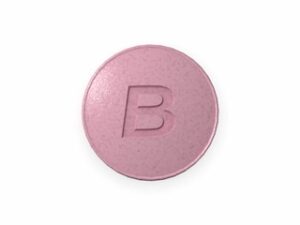
Ovral (Ethinyl estradiol / Norgestrel) — Oral Contraceptive Tablet
Ovral is a combined oral contraceptive (COC) containing ethinyl estradiol and norgestrel. It is used to help prevent pregnancy and can also be prescribed for certain hormone-related conditions. This page provides general information about how Ovral works, how to take it correctly, and what to consider for safety and interactions in Australia.
Note: Product availability and exact formulations can vary. Always check the specific pack instructions and your healthcare professional’s advice for your personal situation.
Basic product information
| Category | Details |
|---|---|
| Medicine | Ovral (ethinyl estradiol / norgestrel) |
| Type | Combined oral contraceptive (COC) |
| Active ingredients | Ethinyl estradiol + Norgestrel (progestin) |
| Common form | Oral tablets (typically cyclic—follow pack schedule) |
| Use | Contraception; sometimes for hormone-related indications (as advised) |
How Ovral works (mechanism of action)
Ovral contains two hormones that work together to prevent pregnancy:
- Inhibition of ovulation: The progestin component (norgestrel) helps suppress the release of eggs from the ovaries.
- Thickening of cervical mucus: Hormonal effects can make it harder for sperm to pass through the cervix.
- Changes to the uterine lining: Combined hormonal changes can make the uterine environment less suitable for implantation.
Combined pills are effective when taken correctly and consistently. Missing doses increases the chance of pregnancy.
Pharmacokinetics (how the body handles the medicine)
Pharmacokinetics describes absorption, distribution, metabolism, and excretion. Although exact values can vary between individuals, the following general features are typical for COCs:
- Absorption: Ethinyl estradiol and progestins are absorbed after oral administration. Peak blood levels generally occur within a few hours of taking a dose.
- Distribution: Both components bind to plasma proteins and circulate throughout the body.
- Metabolism: Ethinyl estradiol is metabolised mainly in the liver (including via the CYP enzyme system). Norgestrel is also metabolised through hepatic pathways.
- Excretion: Metabolites are eliminated primarily via urine and bile/feces.
- Accumulation and steady state: With daily use, hormone levels build up gradually until steady state is reached, usually after several days.
Because metabolism can be influenced by other medicines and some medical conditions, drug interactions are important (see below).
Typical use in Australia
Ovral is commonly used for contraception. Depending on the individual and local clinical practice, it may also be considered for certain hormone-responsive conditions (for example, some menstrual irregularities), but the primary use is contraception.
It is intended to be taken as a course according to the pack schedule to maintain consistent hormone exposure.
When and how to start (timing)
Correct start timing helps achieve contraceptive protection quickly. The safest option is to follow the instructions on your Ovral pack and any advice from your healthcare professional.
Common starting options
- Start on day 1 of menstruation (day 1 bleeding): Contraceptive protection is typically established immediately.
- Start on other days: Additional contraception (e.g., condoms) may be needed for a short period, depending on the timing and how many tablets are taken correctly.
- Switching from another hormonal method: The switch plan varies based on what you used previously (pill, patch, ring, injection, implant, or IUD). Your pack instructions and clinician guidance help determine when to start and whether backup contraception is needed.
If you miss doses
Missing tablets is one of the main reasons oral contraceptives fail. What to do depends on:
- How many tablets were missed
- How late in the cycle the missed dose occurred
- How many days have passed since the last tablet
Practical advice: If you’re unsure, check the missed-pill instructions in your pack leaflet or contact a pharmacist. In the meantime, consider using condoms and avoid unprotected sex until you’ve re-established correct dosing.
Dosing and administration
Ovral is taken by mouth. The exact schedule depends on the specific pack format you have (some COCs use active tablets for most or all days, with a break or different phases). Always follow the dosing schedule printed on your pack.
General principles
- Take at the same time each day to improve consistency.
- Swallow whole with water if needed.
- Continue for the full course as directed.
- Do not skip or double up unless your pack instructions specifically advise it.
Missed tablets: Use the pack leaflet guidance for your specific number of missed tablets and your dosing phase. If vomiting or severe diarrhoea occurs shortly after a dose, treat it as a missed tablet (see “Practical use tips”).
Food interactions
Most people can take Ovral with or without food. Food does not usually reduce contraceptive effectiveness in a clinically significant way for most individuals.
However, certain situations still matter:
- Vomiting: If you vomit within a few hours of taking a tablet, absorption may be incomplete—follow missed-dose instructions.
- Severe diarrhoea: Prolonged or severe diarrhoea may reduce absorption.
Alcohol interactions
Alcohol does not typically directly reduce the contraceptive effectiveness of combined oral contraceptives in the short term. However, alcohol can indirectly affect use by:
- Increasing the likelihood of missed doses
- Contributing to vomiting in some situations
- Worsening side effects in some people (e.g., nausea or dizziness)
Practical tip: If you drink alcohol and you think a dose may have been missed, refer to the missed-pill guidance and consider backup contraception.
Medicine interactions (important)
Some medicines can reduce the effectiveness of combined oral contraceptives or increase bleeding irregularities. Others can increase hormone levels and side effects.
Medicines that may reduce effectiveness
- Enzyme inducers (examples include some anti-epileptics and certain anti-tuberculosis medicines)
- Some treatments for HIV (depending on the specific agents)
- Rifampicin/rifabutin and similar medications
- St John’s wort (Hypericum perforatum)
Medicines that may alter hormone levels or bleeding
- Certain antifungals, antibiotics, or antivirals may affect metabolism—this can vary by drug.
- Some medicines can increase the risk of side effects by increasing hormone exposure.
Always check before combining
If you start a new medicine (including herbal products or over-the-counter remedies), ask your pharmacist whether it interacts with COCs like Ovral. If an interaction is likely, you may need:
- Additional contraception while taking the interacting medicine
- Continued backup contraception for a period after stopping the medicine
Emergency contraception: If you have unprotected sex or a dose was missed, consider emergency contraception options available in Australia (e.g., levonorgestrel or ulipristal acetate depending on timing and eligibility). Ask a pharmacist for the best choice for your situation.
Indications (what Ovral may be used for)
Primary indication: Contraception.
Other possible uses: Depending on clinical assessment, COCs containing ethinyl estradiol and a progestin may be considered for menstrual or hormonal symptoms. The appropriateness of Ovral for these uses depends on your health history and risk factors.
Not everyone is suitable for combined pills. Your healthcare professional will consider factors such as clot risk, migraine history, smoking, blood pressure, and other health conditions.
Safety profile and risk considerations
Combined oral contraceptives are generally well tolerated for many people. However, they carry specific risks that should be understood.
Key risks associated with combined pills
- Blood clots: COCs can slightly increase the risk of blood clots in the veins (venous thromboembolism) and, in some circumstances, in the arteries (e.g., stroke or heart attack). Risk is higher in people with certain risk factors.
- High blood pressure: COCs may raise blood pressure in some users.
- Migraine: The risk profile can differ for migraine with aura versus without aura. COCs may not be recommended for some migraine types.
- Smoking: The risk of cardiovascular events increases with age and smoking, especially over 35 years.
- Liver conditions: Severe liver disease may affect safety.
Warning signs — seek urgent help
Get urgent medical attention if you experience any of the following while using combined oral contraceptives:
- Symptoms of a blood clot in the leg: pain, swelling, warmth, or redness in one leg
- Symptoms of a clot in the lung: sudden shortness of breath, chest pain, coughing blood
- Stroke symptoms: sudden numbness/weakness on one side of the body, trouble speaking, severe headache, vision changes
- Severe abdominal pain or sudden severe leg pain
Common side effects
Many side effects improve after the first few months of use:
- Nausea, mild stomach upset
- Breast tenderness
- Headache
- Changes in bleeding pattern (spotting, breakthrough bleeding)
- Changes in mood or libido
- Fluid retention
Contact a pharmacist or healthcare professional if side effects are severe, persistent, or concerning.
Practical use tips for success
- Use a daily routine: Keep tablets by your toothbrush, in your handbag, or with breakfast.
- Consider reminders: Mobile phone alarms, calendar alerts, or pill reminder apps can help.
- Don’t skip “inactive” days: Follow the pack schedule carefully. If your pack includes a break or different tablet phases, take each part as instructed.
- Vomiting/diarrhoea: If you vomit within a few hours of taking a tablet or have severe diarrhoea, absorption may be reduced. Treat as a missed tablet and follow pack guidance.
- Start backup contraception if unsure: If you miss a dose and you’re not confident about how it affects protection, condoms can provide extra safety until you are back on schedule.
- Regular check-ins: If you experience new symptoms (especially migraines, high blood pressure symptoms, or clot warning signs), seek advice promptly.
Alternative options to consider
If Ovral isn’t suitable or you prefer different options, Australia offers various contraceptive methods. Alternatives include:
Other oral contraceptives
- Other combined pills (different progestins and oestrogen doses)
- Progestogen-only pills (suitable for some people who cannot use oestrogen)
Long-acting reversible contraception (LARC)
- Implant (progestogen-releasing)
- Intrauterine device (IUD) (hormonal or copper)
Other methods
- Barrier methods (condoms—also help reduce sexually transmitted infection risk)
- Contraceptive injection
- Contraceptive patch or vaginal ring (where available)
A pharmacist can help compare options based on your preferences, lifestyle, bleeding patterns, medical history, and convenience.
Market and legal context in Australia (overview)
In Australia, contraception medicines—including oral contraceptives—are regulated under the TGA (Therapeutic Goods Administration) framework. Product availability depends on manufacturer supply and TGA listing status.
Online pharmacies operating in Australia generally follow legal requirements regarding:
- Product identity and supply chain integrity
- Storage and dispatch conditions
- Patient safety information, including contraindications and warnings
- Clear labelling and consumer access to approved information
Recent guidance: Australian contraceptive guidance commonly emphasises screening for clot risk, blood pressure, smoking status, migraine history, and known drug interactions (particularly enzyme-inducing medicines). If you have risk factors, a tailored contraceptive plan is recommended.
For the most up-to-date local recommendations, consult Australian public health resources, professional guidance, or a pharmacist.
Delivery and availability
Online pharmacies may offer Ovral subject to stock availability. Dispatch timelines can vary depending on location and courier services.
What to expect
- Packaging: Medicines are typically shipped in secure, labelled packaging.
- Cold chain: Most COCs do not require refrigeration, but follow the product storage instructions on the carton.
- Processing time: Orders are usually processed within 1–2 business days, depending on stock.
- Delivery estimates: Delivery speed depends on your address within Australia.
If a product is temporarily unavailable, some retailers may offer alternatives or notify you of expected restock dates.
FAQ — Ovral (Ethinyl estradiol / Norgestrel)
1) How effective is Ovral?
Effectiveness is highest when taken exactly as directed. Effectiveness varies between “typical use” and “perfect use,” with missed tablets being a common cause of contraceptive failure. If you miss tablets or start at the wrong time, consider backup contraception and check missed-pill guidance.
2) Can I take Ovral if I’m breastfeeding?
Combined pills may not be recommended during early breastfeeding for some individuals. Breastfeeding and postpartum timing can affect suitability, so ask a pharmacist or healthcare professional for advice tailored to your situation.
3) What should I do if I miss a tablet?
Follow the missed-tablet instructions in your specific Ovral pack leaflet. In general, the guidance depends on how many tablets were missed and how many days have passed. If you are unsure, use condoms as backup and seek advice promptly.
4) Can I take Ovral with other medicines?
Some medicines can interact with combined pills, affecting effectiveness or increasing side effects. Tell your pharmacist about all medicines you take, including herbal products like St John’s wort.
5) Does food affect Ovral?
Food usually does not significantly affect absorption. However, vomiting or severe diarrhoea shortly after taking a tablet can reduce effectiveness—treat this as a missed dose and follow the pack instructions.
6) Is alcohol allowed?
Alcohol does not usually directly reduce effectiveness, but it can lead to missed doses or vomiting. If you drink and suspect you missed a dose, check missed-pill guidance and consider backup contraception.
7) What side effects are common?
Common side effects include nausea, breast tenderness, headaches, spotting or breakthrough bleeding, and mood changes. Many improve within the first few months.
8) Are there any serious warning signs?
Yes. Seek urgent care if you develop symptoms suggestive of blood clots (e.g., leg swelling and pain, sudden shortness of breath, chest pain) or stroke-like symptoms.
9) Can Ovral be used to help with acne or period problems?
Some combined oral contraceptives can help with acne or certain menstrual issues, depending on formulation and individual factors. Whether Ovral is appropriate for these purposes depends on your medical history and the clinician’s assessment.
10) What if I want to stop taking Ovral?
You can stop when you decide to. Fertility may return quickly for many people. If you want to avoid pregnancy after stopping, use an alternative contraception method immediately.
Summary
Ovral (ethinyl estradiol / norgestrel) is a combined oral contraceptive tablet used primarily for pregnancy prevention. It works by suppressing ovulation and altering cervical mucus and the uterine environment. For best results, take it consistently at the same time each day, follow the pack schedule closely, and be aware of interactions—especially with medicines that can reduce contraceptive effectiveness.
If you have questions about suitability, starting timing, missed doses, or potential interactions, consult a pharmacist for guidance tailored to your situation in Australia.