Proventil (Salbutamol) – Inhaled Relief for Breathing Difficulties (Australia)
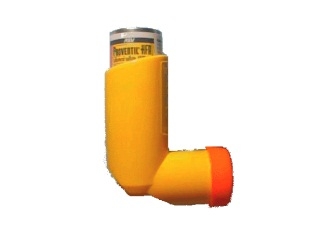
Proventil containing salbutamol is a fast-acting inhaled medicine used to help relieve symptoms of asthma and other conditions that cause airway narrowing. It works by relaxing the muscles around the airways, helping to open breathing passages quickly when you need it most.
This guide explains how Proventil works, how it’s used, expected timing, key safety information, and practical tips—written for an Australian audience.
Quick overview
- Medicine: Proventil (salbutamol)
- Type: Short-acting bronchodilator (reliever)
- Common form: Inhaler (metered-dose inhaler; product strengths can vary)
- How it helps: Relaxes airway muscles to improve airflow
- Onset: Often within minutes
- Typical duration: Several hours (varies by person and condition)
Basic product information
Proventil is a brand name for the active ingredient salbutamol. It is classified as a beta-2 (β2) adrenergic agonist. In the context of respiratory care, salbutamol is commonly used as a reliever during episodes of wheeze, shortness of breath, chest tightness, or coughing caused by reversible airway narrowing.
Note: Different countries and product versions may include different inhaler devices and strengths. Always check the pack for the exact strength and device type you have.
How Proventil works (mechanism of action)
In healthy lungs, airways are kept open by a balance of relaxing and contracting signals. In asthma and similar conditions, airway walls can become inflamed and the smooth muscle can tighten, narrowing the airways.
Salbutamol stimulates β2 receptors mainly in the smooth muscle of the bronchi (airways). When activated, it:
- Triggers a biochemical process that relaxes airway smooth muscle
- Helps open narrowed airways
- Reduces symptoms such as wheeze, breathlessness, and chest tightness
Important: Proventil relieves symptoms but does not treat the underlying inflammation in asthma. People with asthma often need a controller medicine (commonly inhaled corticosteroids) to reduce flare-ups over time.
Pharmacokinetics (how the body handles salbutamol)
When inhaled, salbutamol is delivered to the lungs where it acts locally. Some absorbed dose enters the bloodstream.
| Topic | What to expect (general) |
|---|---|
| Absorption | Inhaled salbutamol is absorbed through lung tissue and swallowed saliva may be absorbed from the gastrointestinal tract. |
| Distribution | Salbutamol distributes in the body; effects occur quickly due to rapid receptor stimulation. |
| Metabolism | Primarily metabolised in the liver. |
| Elimination | Metabolites are excreted mainly via the kidneys (urine). |
| Onset / duration | Onset is usually within minutes; the relieving effect typically lasts several hours (individual variation). |
Practical takeaway: Because it is fast-acting, salbutamol is used when symptoms flare. If symptoms keep returning quickly or you need frequent doses, this may suggest poor asthma control and you should review your treatment plan.
Typical uses and indications
Proventil (salbutamol) is commonly used for conditions where airway narrowing is reversible. Typical indications include:
- Asthma: Relief of acute symptoms such as wheezing, shortness of breath, and chest tightness
- Chronic obstructive pulmonary disease (COPD): Symptom relief in some patients with reversible components
- Bronchospasm related to respiratory triggers, as advised in an individual treatment plan
- Exercise-induced bronchoconstriction: Sometimes used before exercise to help prevent symptoms, if advised
Reminder: Salbutamol treats symptoms. If you have asthma, many people require regular anti-inflammatory (controller) therapy to reduce long-term risk.
When to take it (timing and how it fits into daily care)
For sudden symptoms
Proventil is generally used as a reliever when you notice breathing symptoms starting (e.g., wheeze, tight chest, coughing fits, shortness of breath).
- Expected timing: relief often begins within minutes
- Re-assess: if symptoms are not improving as expected, follow your action plan and seek medical advice promptly
For prevention (e.g., exercise)
Some people use salbutamol before exercise if exercise reliably triggers symptoms and this is included in their asthma/COPD plan.
- Typical timing: often taken ahead of activity (commonly 10–20 minutes), but follow your own healthcare advice
How often?
How often you can use your reliever depends on your diagnosis and personal plan. Needing it frequently may indicate worsening asthma control or an ongoing trigger.
Dosing: general guidance for inhaled salbutamol
Always check your specific product carton/instructions. Doses vary with formulation strength and device type. The information below is general and should align with instructions from your healthcare professional and the written action plan for your condition.
Common reliever approach (adults and adolescents)
- Typical acute relief: often 1–2 inhalations as a starting dose, with repeat dosing if symptoms persist (timing and maximum frequency should match your plan)
- Exercise prevention (if prescribed): a dose taken shortly before exercise
Children
Children require dosing that matches both age and the inhaler device used. Use the dosing instructions on the product packaging and any child-specific plan provided by a clinician.
When to seek urgent care
Seek urgent medical help if:
- You are struggling to speak full sentences due to breathlessness
- Your reliever inhaler provides little or short-lived relief
- Symptoms are worsening despite using your reliever
- You have signs of severe asthma (for example, marked chest tightness, drowsiness, blue lips or fast deterioration)
Emergency note: In Australia, call 000 for immediate emergency assistance when someone is seriously unwell.
Food interactions
Because Proventil is inhaled, it has minimal direct interaction with food. In most cases, you can take your dose with or without food.
Tip: If you swallow some medication during inhalation (common with technique issues), it may contribute a small amount of systemic absorption. This does not usually require dietary changes.
Alcohol interactions
There is no universal “hard” alcohol-salbutamol interaction for everyone, but alcohol can indirectly worsen breathing by:
- Increasing dehydration and respiratory irritation
- Potentially affecting sleep and breathing patterns
- Contributing to poor medication adherence
Practical advice: If you notice that alcohol triggers wheeze or shortness of breath, consider limiting intake and discuss options with a healthcare professional.
Medicine interactions (important)
Salbutamol can interact with other medicines in ways that may affect heart rhythm, bronchodilator effect, or side effects.
Tell your pharmacist/clinician if you use:
- Beta-blocker medicines (including some eye drops): can reduce the bronchodilator effect and may worsen breathing in some people with asthma
- Diuretics (“water tablets”) or other medicines that affect potassium: can increase the risk of low potassium, particularly with higher doses of salbutamol
- Other stimulants/bronchodilators: may increase side effects such as tremor or palpitations
- Medicines affecting heart rhythm: may raise concern for rhythm disturbances, especially with high doses
- Systemic corticosteroids: not a direct interaction, but often used together in flare management plans—effects on symptoms should be monitored
Practical takeaway: If you are taking multiple respiratory or heart medicines, it’s worth confirming compatibility with a pharmacist—especially if you ever need higher-than-usual reliever use.
Safety profile and common side effects
Most people tolerate inhaled salbutamol well when used correctly. Side effects are often dose-related.
Common side effects
- Tremor (shakiness)
- Headache
- Palpitations or fast heartbeat
- Feeling nervous or restless
- Muscle cramps
Less common but important effects
- Low potassium (more likely with frequent or high dosing)
- Heart rhythm changes (uncommon; risk increases with overuse or certain other medicines)
- Hypersensitivity reactions (rare): rash, swelling, breathing difficulty beyond asthma symptoms
How to reduce side effects
- Use the correct inhaler technique
- Use only the dose your plan recommends
- If you’re needing frequent doses, seek review—this is a control issue, not just a “more reliever” issue
Practical use tips (inhaler technique)
Correct inhaler technique is essential for good symptom relief. Poor technique may mean less medicine reaches the lungs and more is deposited in the mouth.
Step-by-step best practices (general)
- Check the device: ensure the canister is not empty and the mouthpiece is clean
- Shake the inhaler (if your device requires it)
- Breathe out fully away from the inhaler
- Seal lips around the mouthpiece and start a slow, steady inhalation
- Press once to release the dose at the start of inhalation (per device instructions)
- Keep breathing in to fill your lungs, then hold breath briefly if comfortable
- Wait between puffs (per your prescribed instructions), then repeat if needed
Spacers (where appropriate)
A spacer can help deliver more medicine to the lungs and reduce throat/mouth deposition. Many people find it easier to use, especially children, older adults, or anyone struggling with timing.
Rinse if advised
Rinsing the mouth is especially important for inhaled corticosteroids, but it can also be a good habit to reduce irritation. Follow your device and treatment plan instructions.
Track symptoms and triggers
- Keep note of wheeze episodes, exercise triggers, and when reliever doses were used
- Environmental factors such as smoke, pollen, dust, and viral infections can increase flare frequency
Alternative options to consider
If Proventil is not suitable or not providing enough control, options may include other relievers or controller treatments depending on your condition.
Reliever alternatives
- Other short-acting beta2 agonists (same class as salbutamol), depending on availability
- Other bronchodilator strategies for selected patients (as determined by clinicians)
Controller options (for asthma control)
- Inhaled corticosteroids to reduce airway inflammation
- Combination inhalers that include both anti-inflammatory and bronchodilator components
- Other asthma add-ons for specific cases (e.g., biologic therapies), under specialist care
Why alternatives matter: Frequent reliever use can signal that inflammation is not being controlled. A tailored plan can reduce the risk of severe attacks.
Market and legal context in Australia
In Australia, salbutamol-containing products for respiratory conditions are supplied through regulated channels. Availability and access can vary depending on product type (for example, inhaler brand, strength, and whether it is packaged for adults or children).
Regulatory standards include quality, safety monitoring, and pharmacy practice expectations. Your local pharmacist can advise on product suitability, storage, and appropriate use based on your health history.
Important: Always follow the instructions supplied with your specific inhaler device and comply with Australian medication guidance.
Recent guidance and “what to watch for”
Asthma management in Australia commonly emphasises:
- Regular review of symptoms and inhaler use
- Optimising controller therapy to reduce the need for reliever inhalations
- Action plans for exacerbations (what to do, when to escalate, and when to seek urgent care)
Recent years have also increased focus on:
- Recognising that relying on reliever alone may not be enough when inflammation persists
- Ensuring correct inhaler technique and adherence
- Early assessment when symptoms worsen, rather than waiting
If you find yourself needing Proventil more often than usual, it’s a good time to speak with a healthcare professional for a review of your asthma/COPD control plan.
Delivery, availability, and storage
Availability
Proventil (salbutamol) inhalers are widely available in Australia through pharmacies and authorised suppliers. Stock may vary by region and by product type (device and strength).
Delivery
Online pharmacies typically offer shipping to eligible addresses across Australia. Delivery times depend on location and service level. Always ensure the item you receive matches your intended formulation and device type.
Storage
- Store at room temperature unless the packaging instructs otherwise
- Keep away from heat sources and direct sunlight
- Do not store in freezing conditions unless stated
- Follow the expiry date on the pack
FAQ
1) How quickly does Proventil work?
Many people feel relief within minutes of inhalation. For persistent symptoms, follow your action plan for possible repeat dosing, and seek medical advice if you’re not improving as expected.
2) How long does a Proventil dose last?
The effect typically lasts several hours. Duration varies with the severity of your symptoms, inhaler technique, and your overall condition.
3) Can I use Proventil every day?
Some people may use a reliever daily during certain periods (for example, during allergy seasons or after a viral infection). However, if you’re needing it frequently, this can mean your asthma/COPD needs review. Controller medicines may be necessary to reduce flare-ups.
4) What should I do if I need my reliever often?
Frequent reliever use is a sign you should get your treatment plan reviewed promptly. If symptoms are severe or not responding, seek urgent medical help.
5) Will Proventil interact with my other medications?
It can. Particularly important are beta-blockers and medicines that affect heart rhythm or potassium levels. If you take other medicines regularly, ask a pharmacist to check for interaction risks.
6) Is Proventil safe for children?
Salbutamol is used in children for asthma symptoms when appropriate and with correct dosing. Always use child-appropriate instructions based on the specific inhaler and the child’s age.
7) Can I drink alcohol while using Proventil?
Alcohol doesn’t always directly interact with salbutamol, but it may worsen breathing for some people. If alcohol triggers symptoms, consider avoiding or limiting intake and discuss with your pharmacist or clinician.
8) Should I rinse my mouth after using Proventil?
Rinsing is more critical for inhaled corticosteroids. With Proventil, mouth rinsing is optional, but can help reduce irritation if medicine deposits in the mouth. Spacers and correct technique can minimise this.
9) What inhaler technique mistakes reduce effectiveness?
Common issues include not shaking (if required), poor mouth seal, pressing too early or too late, inhaling too quickly, or not holding your breath briefly if comfortable. A spacer can help significantly.
10) When should I stop and seek urgent help?
Seek urgent medical care if breathing becomes worse, the reliever provides little or short relief, you have signs of severe asthma, or you’re struggling to speak due to breathlessness.
Summary
Proventil (salbutamol) is a fast-acting inhaled bronchodilator used to relieve asthma and other reversible airway symptoms. It works by relaxing airway muscles through β2 receptor stimulation, with effects beginning within minutes. While it can provide quick relief, it does not treat airway inflammation—so frequent use may indicate the need to review your overall asthma/COPD management plan.
If you have concerns about side effects, technique, dosing frequency, or interactions with other medicines, a pharmacist can help you use Proventil safely and effectively.