Salbutamol (Albuterol) – Patient Guide (Australia)
Salbutamol (also known as albuterol) is a medicine used to relieve symptoms of breathing difficulty such as wheezing, shortness of breath, and chest tightness. In Australia, salbutamol is widely available in different forms, including inhalers and nebuliser solutions. It works quickly to help open the airways during an asthma flare-up or other reversible airway conditions.
This guide explains how salbutamol works, how it’s used, what to expect, key interactions, and safety considerations—written in a patient-friendly way for online pharmacy customers.
Product Overview
| Feature | Details |
|---|---|
| Generic name | Salbutamol |
| Common name (US) | Albuterol |
| Medicine type | Short-acting beta2-adrenoceptor agonist (SABA) |
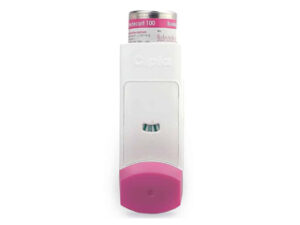
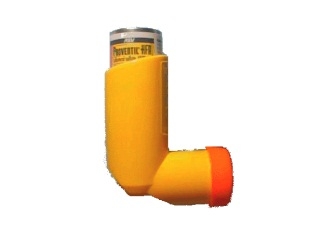
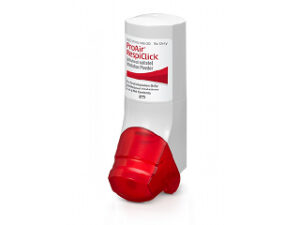
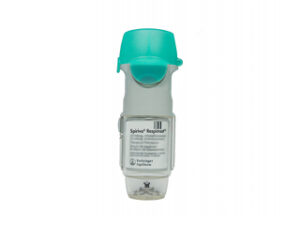
| Common forms | Inhaler (puffer), spacer-compatible devices, nebuliser solution |
| Typical role | Fast symptom relief (reliever medicine) |
| Speed of action | Often within minutes after inhalation |
Note: Available products and strengths vary. Always check your specific pack label for device instructions, concentration, and dosing details.
How Salbutamol Works (Mechanism of Action)
Salbutamol belongs to the class of medicines called beta2-agonists. When you inhale it, it targets beta2 receptors in the smooth muscle of the airways.
- Relaxes bronchial smooth muscle → helps the airways widen.
- Improves airflow → reduces wheezing and shortness of breath.
- Helps relieve acute symptoms during asthma or other reversible airway narrowing.
Salbutamol does not treat airway inflammation in the long term. People with persistent asthma typically also need controller medicines (such as inhaled corticosteroids), while salbutamol provides rapid relief.
Pharmacokinetics (What the Body Does With It)
Pharmacokinetics describes how the body absorbs, distributes, metabolises, and excretes a medicine. Exact values can vary depending on the formulation (inhaler vs nebuliser), dose, and individual factors.
Absorption
- Inhaled salbutamol deposits mostly in the airways; some reaches the lungs and some may be swallowed.
- Systemic absorption occurs via the lungs and the gastrointestinal tract if swallowed.
Distribution
- Salbutamol is distributed throughout the body after absorption.
- It can affect both local airway symptoms and, at higher doses, cause systemic side effects (e.g., tremor, palpitations).
Metabolism
- Salbutamol is primarily metabolised in the liver.
- The main metabolite is typically inactive (commonly referred to as sulfate conjugates).
Elimination
- Most of the medicine and its metabolites are eliminated via the kidneys in urine.
- In general, effects are relatively short-lived because salbutamol is cleared over hours.
Typical Uses (Indications)
Salbutamol is used for conditions where airway constriction is reversible and symptoms need rapid relief.
- Asthma: relief of wheeze, breathlessness, and chest tightness.
- Asthma exacerbations: symptom relief during flare-ups.
- Bronchospasm associated with other reversible obstructive airway diseases.
- Chronic obstructive pulmonary disease (COPD): relief of acute bronchospasm and symptoms (according to local care plans).
- Exercise-induced bronchoconstriction: some people may use salbutamol before exercise to reduce symptoms.
Important: Salbutamol treats symptoms, not the underlying inflammation that drives persistent asthma. If you’re needing your reliever frequently, you should seek medical assessment and review of your asthma action plan.
When and How Often to Take It (Timing and Use Patterns)
Timing depends on why you are using it and the product form you have (inhaler or nebuliser). As a general rule, salbutamol is used when symptoms occur or before predictable triggers (such as exercise), based on your individual plan.
Common timing scenarios
- For sudden symptoms: use at the first sign of wheeze, tightness, or shortness of breath.
- Before exercise (where advised): often taken shortly before activity (timing depends on your clinician’s guidance and product instructions).
- During flare-ups: repeat doses may be used if symptoms persist; follow your asthma action plan and the instructions on your product.
Seek urgent help if your symptoms are severe, rapidly worsening, or not improving after using your reliever as directed.
Dosing (General Information)
Dosing varies by age, formulation, and severity of symptoms. Always follow the dosing instructions on your specific product label and your personalised action plan.
Typical dosing principles
- Inhaler dosing is commonly delivered in measured “puffs” and is based on symptom relief needs.
- Nebuliser dosing may be weight- or age-adjusted and delivered over a period of time using prescribed concentration and volume.
- Do not exceed the maximum frequency indicated for your specific product without medical review.
Children and older adults may require different dosing schedules and careful technique. If you’re unsure, check the product instructions and confirm the correct dose with a healthcare professional.
Food Interactions
Salbutamol is primarily used via inhalation, so food interactions are generally minimal. However, if some inhaled dose is swallowed (common with incorrect technique), it may be absorbed through the gastrointestinal tract.
- No specific food restrictions are generally required for inhaled salbutamol.
- If you notice stomach upset or symptoms worsening around meals, it may relate to swallowed medicine or anxiety about breathing—review inhaler technique with a pharmacist or nurse.
If you are using a nebuliser solution, food interactions are also not typically clinically significant, but follow your product label and medical advice.
Alcohol Interactions
There is no universal, guaranteed “safe/unsafe” rule for everyone, but alcohol may worsen breathing symptoms in some people. Alcohol can also affect judgement and adherence during an asthma flare-up.
- Moderation is advised, especially during periods of unstable asthma.
- Alcohol may contribute to dehydration or sleep disruption, which can affect respiratory health indirectly.
If you have been advised to avoid alcohol for another health reason (e.g., heart rhythm issues), discuss this with your healthcare professional.
Medicine Interactions
Salbutamol can interact with other medicines that affect heart rhythm, potassium levels, or the respiratory system. Always provide a full list of your medicines to your pharmacist.
Notable interaction themes
- Other medicines that stimulate beta-adrenergic receptors (including some decongestants or other bronchodilators): may increase side effects such as tremor and palpitations.
- Diuretics (water tablets): can affect potassium levels. Salbutamol can also shift potassium into cells, potentially contributing to low potassium in higher-dose situations.
- Corticosteroids (often used for asthma management): commonly used together when asthma is worsening; this is standard care, but monitoring may be appropriate in severe cases.
- Non-selective beta-blockers (some heart or eye medications): may reduce the bronchodilator effect of salbutamol or trigger bronchospasm.
- Some antidepressants/antipsychotics and other cardiovascular medicines: may influence heart rhythm risk, particularly if higher salbutamol doses are taken.
Practical point: If you’re using salbutamol frequently, tell your healthcare professional. Frequent reliever use can indicate that asthma control is poor and that additional controller treatment may be needed.
Safety Profile (What to Watch For)
Most people tolerate salbutamol well when used as directed. Side effects are more likely with higher doses, frequent use, or incorrect inhaler technique leading to higher systemic absorption.
Common side effects
- Tremor (shaking)
- Headache
- Fast heartbeat (palpitations)
- Nervousness or restlessness
- Muscle cramps (sometimes related to potassium shifts)
Less common but important effects
- Low potassium (hypokalaemia), particularly with repeated high doses
- Chest pain or marked palpitations
- Heart rhythm changes (rare, but seek urgent help if you feel faint, have severe dizziness, or symptoms are alarming)
- Worsening breathing after inhalation despite trying to relieve symptoms (could indicate poor technique, incorrect diagnosis, or severe asthma requiring urgent medical care)
When to get urgent help
Seek urgent medical attention if any of the following occur:
- Breathing difficulty is severe or rapidly worsening
- You need your reliever much more often than usual and it is not working
- You are using salbutamol and still struggling to speak in full sentences
- Blue lips or signs of significant distress
- You feel faint, have severe chest pain, or a very irregular heartbeat
Practical Use Tips (How to Get the Best Results)
Salbutamol works best when it reaches your airways effectively. Technique matters as much as dose.
Inhaler technique basics
- Shake the inhaler if your device requires it.
- Breathe out fully first (away from the device).
- Seal your lips around the mouthpiece.
- Press and inhale at the same time (for press-and-breathe inhalers) or use the correct method for your specific device.
- Hold your breath for as long as comfortable (often 5–10 seconds).
- Wait between puffs as instructed.
Using a spacer (highly recommended for many people)
- A spacer can improve drug delivery to the lungs.
- It may be particularly helpful for children, older adults, or anyone struggling with coordination.
- If you use a spacer, follow its cleaning and assembly instructions.
Nebuliser tips
- Use the correct dose and concentration as prescribed on your product label.
- Ensure the nebuliser cup and tubing are clean and assembled correctly.
- Stay upright during treatment where possible.
- Use the nebuliser for the full treatment time (until the mist reduces as directed).
Storage and device care
- Store at appropriate room temperature and protect from extreme heat or cold (follow the pack instructions).
- Check expiry dates.
- If your inhaler has a dose counter, monitor it; if it doesn’t, keep track of puffs used.
- Replace mouthpieces or spacers if worn or damaged.
Alternative Options (Reliever and Controller Medicines)
Depending on your diagnosis and asthma/COPD action plan, your clinician may recommend other bronchodilators or controller medicines.
Reliever alternatives
- Other SABAs: some patients use different short-acting bronchodilators depending on availability and individual response.
- Combination inhalers: in some cases, a reliever with additional medicine may be used (this depends on your condition and local guidelines).
Controller options (for longer-term control)
- Inhaled corticosteroids (ICS) to reduce inflammation and reduce need for reliever medicines.
- Long-acting bronchodilators (for some people with COPD or persistent asthma) as part of a structured plan.
- Other add-on therapies may be considered for severe disease under specialist care.
Key message: If you find you’re needing salbutamol frequently, it may be time to review your long-term plan to better prevent symptoms.
Australia Market & Legal Context (What to Expect)
In Australia, availability and supply of medicines depend on product type, strength, and regulatory classification. Many salbutamol products are available through pharmacies, while some higher-strength or specific formats may be subject to additional restrictions or prescription arrangements.
- Pharmacists help ensure the correct product and safe use for your needs.
- Device training and asthma action plan support are available through healthcare professionals.
- It’s important to use medications in line with Australian health advice and local guidelines.
Always check your product label for the exact medicine strength, device type, and approved instructions for your age group.
Recent Guidance (General Trends in Asthma and Reliever Use)
Asthma care in Australia has emphasised improving overall asthma control rather than relying solely on reliever medicines. While salbutamol remains a key fast-acting option, many care strategies highlight:
- Reviewing symptoms and reliever use frequently—frequent SABA use can indicate poor control.
- Using preventive therapy where indicated (commonly ICS-containing regimens).
- Correct inhaler technique and regular device checks.
- Personalised asthma action plans to manage flare-ups and know when to seek urgent care.
If your asthma symptoms are not well controlled, speak to a healthcare professional to align your treatment with the latest best-practice approach.
Delivery & Availability (Online Pharmacy Considerations)
Salbutamol products are generally available through Australian online pharmacies, with delivery options varying by location and stock availability. Delivery times and shipping fees may differ between providers.
- Stock availability: inhalers and nebuliser solutions may come and go depending on supply.
- Packaging: your order should arrive sealed and with clear expiry dates and instructions.
- Device instructions: some devices include additional steps (e.g., priming) — read the provided leaflet.
Tip: When you receive your medication, confirm the strength and the device type match what you were expecting, and familiarise yourself with the inhaler technique or nebuliser setup.
FAQ (Frequently Asked Questions)
1) Is salbutamol the same as albuterol?
Yes. Salbutamol and albuterol refer to the same medicine (same active ingredient) used in different countries and packaging/wording.
2) How quickly does salbutamol work?
When inhaled correctly, many people feel symptom relief within minutes. If you’re not getting relief, check technique and ensure the dose is correct. Severe or worsening symptoms require urgent assessment.
3) Can I use salbutamol every day?
Some people use it regularly for specific triggers (e.g., exercise) or symptom control, but frequent use can suggest asthma isn’t controlled well. Long-term asthma management typically includes a preventer medicine if symptoms recur. Ask a healthcare professional to review your plan.
4) What if my inhaler doesn’t seem to work?
Common reasons include incorrect technique, an empty or faulty device, expired product, or needing a different treatment plan. Consider using a spacer and review technique. If symptoms are significant, seek urgent help.
5) Are there any food restrictions?
Usually no. Because salbutamol is inhaled, food interactions are generally minimal. If you notice issues after dosing, review technique and talk to a pharmacist.
6) Can I drink alcohol while using salbutamol?
Many people can use salbutamol without direct alcohol-medication interactions, but alcohol can worsen breathing in some individuals or complicate asthma management. Avoid excessive alcohol, particularly during unstable symptoms.
7) What side effects are normal?
Tremor, headache, palpitations, and feeling a bit restless can occur, especially at higher doses. If you experience severe chest pain, fainting, or an irregular heartbeat, seek urgent medical attention.
8) Can salbutamol be used for children?
Yes, salbutamol is used in children for asthma symptoms, but correct dosing depends on the child’s age and the specific product/device. Parents and carers should get clear inhaler/nebuliser instructions.
9) Does salbutamol treat the cause of asthma?
No. Salbutamol mainly provides symptom relief by opening airways. Preventive treatment (often inhaled corticosteroids) targets the inflammation underlying asthma.
10) When should I see a doctor urgently?
Urgent care is recommended if you’re struggling to breathe, symptoms are rapidly worsening, you’re not responding to your reliever as directed, or you can’t speak in full sentences.
Summary: Key Points to Remember
- Salbutamol (albuterol) is a fast-acting reliever used for wheeze, breathlessness, and chest tightness.
- It works by relaxing airway smooth muscle through beta2 receptor stimulation.
- Inhaled dosing usually acts within minutes, but it may cause side effects like tremor and palpitations.
- Correct technique (often with a spacer) improves benefit and reduces unwanted effects.
- Frequent reliever use can signal poor asthma control, so seek review of your long-term plan.
Disclaimer: This information is general and designed to help you understand your medicine. Always follow your specific product instructions and seek advice from a healthcare professional if you are unsure about dosing, technique, or what to do if symptoms worsen.