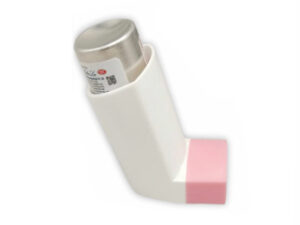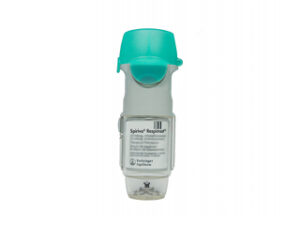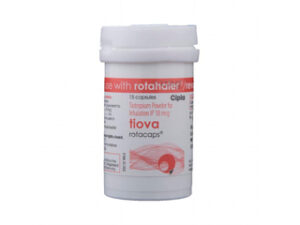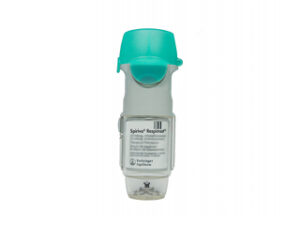
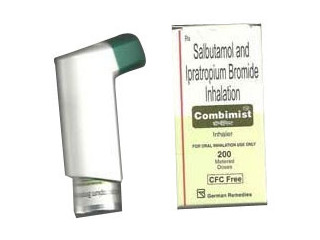

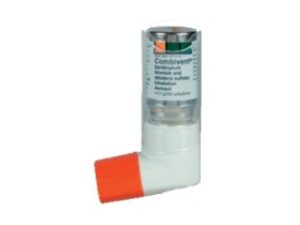
Combimist L Inhaler (Combivent / L Formulation) – Patient Information
Combimist L Inhaler is a long-acting combination inhaler used to help open the airways and make breathing easier for people with certain chronic lung conditions. It contains two medicines that work together to improve airflow: one helps relax the airway muscles (a bronchodilator) and the other helps reduce inflammation and swelling in the airways (an anti-inflammatory component, depending on the specific formulation available in Australia).
This guide is designed to be patient-friendly and to help you understand how the inhaler works, when and how to use it, what to expect, and what to discuss with your healthcare professional. Always follow the instructions provided with your inhaler and any advice from your doctor or pharmacist.
Quick facts
- Medicine type: Combination inhaler for chronic breathing conditions
- Common benefits: Helps keep airways open, improves symptoms and reduces breathlessness
- How it’s used: Regular inhaled dosing for maintenance (and sometimes as advised for symptom control)
- Where it works: Directly in the lungs
- Key tips: Use correct inhaler technique and rinse/spit if your formulation includes an inhaled steroid
Basic product information
Brand name: Combimist L Inhaler
Use: Helps manage chronic obstructive airway disease (most commonly COPD) and may also be used for certain long-term airway symptoms as advised by clinicians.
Administration route: Inhaled (lungs)
Storage: Keep at room temperature, protect from moisture/heat, and close the device properly after use.
Note: Formulations and strengths can vary between countries and product versions. Please check the label for the exact active ingredients and strength of your specific Combimist L inhaler.
How Combimist L Inhaler works (mechanism of action)
Combimist L typically combines two complementary medicines:
- Long-acting bronchodilator component (airway relaxer): Helps relax smooth muscles in the airways, reducing bronchospasm (tightening of the airways). This can improve airflow and reduce breathlessness, particularly during activity and at night.
- Anti-inflammatory component (in many combination inhalers): Helps reduce inflammation in the airway lining. Over time, this can decrease swelling and mucus production, leading to improved symptom control and fewer flare-ups.
Together, the components aim to:
- Improve breathing
- Reduce symptoms such as wheeze and shortness of breath
- Help prevent deterioration of lung function
- Support better day-to-day activity tolerance
Typical indications (what it’s used for)
In Australia, Combimist L Inhaler is commonly used for chronic obstructive pulmonary disease (COPD) and similar chronic obstructive airway conditions, where long-term control is needed.
Your prescriber may recommend it if you have:
- Persistent or worsening breathlessness
- Frequent symptoms such as wheeze, cough, or chest tightness
- Signs of airflow limitation requiring maintenance therapy
Important: This inhaler is generally intended for long-term management rather than immediate relief of sudden severe attacks. For sudden worsening, you may have been given a separate “reliever” inhaler.
Pharmacokinetics (how the body handles the medicine)
Because Combimist L is inhaled, most of the medicine’s effect starts in the lungs. The medicines are designed to target airway tissues, with only a portion entering the bloodstream.
- Absorption: Inhaled drug is absorbed through airway surfaces. The exact amount reaching the lungs depends strongly on inhaler technique and inhalation strength.
- Onset of action: Some symptom improvement may occur soon after dosing, but full maintenance benefits typically develop over days to weeks.
- Distribution: A fraction of inhaled medicine can be distributed through the bloodstream to other tissues.
- Metabolism: Metabolism typically occurs mainly in the liver for systemically absorbed fractions (exact pathway depends on the ingredient).
- Elimination: Most drug and metabolites are eliminated through the kidneys and/or bile.
Practical takeaway: Correct technique and consistent dosing schedule are important to maximise lung delivery and reduce unnecessary systemic exposure.
Dosing and timing
Follow the dose instructions on your product label or as advised by your healthcare professional.
In many maintenance regimens for combination inhalers:
- Typical schedule: Often once or twice daily depending on the product and your condition.
- Consistency matters: Taking it at similar times each day helps maintain stable control.
When to use it:
- If prescribed twice daily, consider morning and evening.
- If prescribed once daily, choose a time you can reliably remember and stick to it.
Do not double up: If you miss a dose, take it when you remember unless it is close to the next dose. Do not take extra puffs to make up for a missed dose unless specifically instructed.
How to use Combimist L Inhaler (practical technique tips)
Different inhaler types (pressurised metered-dose inhalers, dry powder inhalers, or other devices) require different techniques. The steps below are general best practices; always follow your specific device instructions.
General steps for successful inhalation
- Check the device: Ensure it is ready for use (dose count, priming if required, and that the mouthpiece is clean).
- Prepare your inhalation: Sit upright if possible. Remove any mouth coverings.
- Breathe out fully: Away from the mouthpiece (to help draw the medication in).
- Seal lips around the mouthpiece: Create a tight seal to prevent medicine escaping.
- Inhale correctly:
- For press-and-breathe devices: press the canister and start breathing in slowly and deeply.
- For breath-actuated/dry powder devices: inhale quickly and deeply as instructed by the device.
- Hold your breath: Typically for about 5–10 seconds (or as advised) to allow deposition in the lungs.
- Wait between puffs: If you take more than one puff, wait about 30–60 seconds (or per instructions) before the next puff.
- Rinse and spit (if relevant): If your inhaler contains an inhaled steroid, rinse your mouth after use to reduce the risk of oral thrush and hoarseness.
Common problems to avoid
- Incorrect timing (pressing too late/early for MDIs, or not inhaling strongly enough for dry powder devices)
- Not holding breath long enough
- Skipping mouth rinsing when steroids are included
- Inhaling “too fast” or “too shallow” depending on device type
Tip: If you’re unsure, ask a pharmacist or nurse to observe your technique. Even small improvements can noticeably improve effectiveness.
Food interactions
Because Combimist L is inhaled, it generally has low potential for food interactions. Most people can take it with or without food.
However, some practical considerations include:
- Full stomach vs comfort: If you feel nauseated or cough when using the inhaler, try timing it so you’re comfortable (e.g., not immediately after a very large meal), but confirm with your clinician if you have significant reflux.
- Hydration: Drink water if you develop dry mouth or throat irritation.
- Rinse/spit after inhaled steroids: This is not a “food interaction” but helps reduce side effects.
Alcohol and medicine interactions
Alcohol may worsen breathing for some people, particularly if COPD or asthma symptoms are already unstable. Alcohol can also affect sleep quality and may increase the risk of dehydration or aspiration. Moderate alcohol intake may be acceptable for some individuals, but discuss your situation with a healthcare professional if you:
- Have frequent flare-ups
- Use sedating medicines
- Have a history of falls, liver disease, or severe reflux
Medicine interactions: Combimist L can interact with other medicines depending on its exact ingredients. Tell your pharmacist or doctor about all medicines you take, including:
- Other inhalers and nebulised treatments
- Beta-blockers (some types can affect bronchodilator response)
- Diuretics (may influence potassium levels in some cases)
- Other steroids (oral or injected) and steroid-containing products
- Antibiotics and antifungals (some can affect metabolism of certain components)
- Antidepressants or heart rhythm medicines (important if you have cardiac issues)
Seek urgent medical help if you experience severe chest pain, fainting, severe palpitations, or worsening breathlessness.
Safety profile and side effects
Like all medicines, Combimist L can cause side effects. Many are mild and improve as your body adjusts.
Common side effects
- Throat irritation or hoarseness
- Cough after inhalation
- Dry mouth
- Headache
- Dryness or taste changes
- Occasional jitteriness or mild tremor (depending on bronchodilator component)
Less common but important side effects
- Oral thrush (more likely if inhaled steroids are included)
- Heart-related effects such as faster heartbeat or palpitations
- Muscle cramps or weakness (especially if other medicines affect electrolytes)
- Worsening breathing or paradoxical bronchospasm (uncommon)
When to get medical help urgently
- Sudden severe worsening of breathing
- Swelling of the face/lips/tongue, rash, or trouble breathing (possible allergy)
- Severe chest pain or fainting
- Irregular heartbeat or severe palpitations
General precautions
- Eye effects: If you have glaucoma, be cautious—some inhaled medicines can affect eye pressure in certain people. Report any eye pain or vision changes.
- Urinary retention: If you have difficulty urinating or an enlarged prostate, report worsening symptoms.
- Infections: If you develop fever, increased sputum, or signs of chest infection, contact your clinician promptly.
What to expect: timing, effectiveness and flare-ups
Timing: Some relief may occur shortly after use, especially for bronchodilation. Maintenance benefit builds over repeated doses.
Effectiveness: Many people notice improved ability to walk, climb stairs, or perform daily activities. Your response may take time.
Breathing flare-ups: If you experience sudden worsening symptoms (tight chest, increased wheeze, increased breathlessness), use your reliever inhaler if you have one, and seek medical advice if symptoms don’t improve quickly.
Missed doses and missed puffs
- Missed dose: Take it when you remember if it’s not close to the next scheduled dose.
- Close to next dose: Skip the missed dose and take the next dose at the usual time.
- Do not double: Doubling can increase side effects without improving benefit.
Alternative options (depending on your condition)
Alternative inhaler therapies may be considered based on your diagnosis, severity, inhaler technique, and symptom pattern. Options can include:
- Short-acting bronchodilators (relievers) for quick symptom relief
- Single long-acting bronchodilators (LAMA or LABA) for maintenance
- Triple therapy (long-acting bronchodilators plus inhaled steroid) for selected COPD patients
- Inhaled corticosteroids alone or in combination for certain asthma-related cases
Choosing an alternative: Your clinician may adjust therapy if you have ongoing symptoms, frequent exacerbations, side effects, or difficulties with a particular device.
Market and legal context in Australia
In Australia, inhaled respiratory medicines are provided through regulated channels and are subject to the Australian regulatory framework and TGA (Therapeutic Goods Administration) oversight where applicable. Supply, labelling, and pharmacy practices must comply with Australian laws and professional standards.
In most cases, respiratory medicines are made available through licensed pharmacies and are dispensed according to Australian requirements. Product availability can vary by brand and strength, and substitutions may occur based on stock and equivalence (subject to pharmacy and prescriber guidance).
Recent clinical guidance: COPD and asthma management in Australia generally follows evidence-based stepwise treatment approaches. Guidelines emphasise correct inhaler technique, smoking cessation, vaccinations, and individualised selection of inhaled therapies based on symptom burden and exacerbation history. Your pharmacist can also advise on how your inhaler fits into overall management.
Delivery and availability
Online pharmacy services in Australia typically offer:
- Home delivery for eligible medicines (subject to state/territory rules and service eligibility)
- Timely dispatch and tracking where available
- Packaging designed to protect inhalers from moisture and damage
Before ordering: Check the exact product name, strength, and device type. If you’re unsure, contact customer support or speak with a pharmacist to confirm you’re selecting the correct inhaler.
Availability: Stock can fluctuate. If Combimist L is temporarily unavailable, the pharmacy may offer an alternative equivalent product subject to appropriate clinical and supply requirements.
FAQ
1) Is Combimist L used every day?
It is usually intended for regular maintenance use. Many people use it once or twice daily as part of long-term management. If you miss a dose, follow the “missed dose” guidance above and don’t double up.
2) How long until I feel it working?
You may notice some benefit soon after inhalation. However, long-term control generally improves over days to weeks with consistent use. If you don’t notice improvement after a reasonable trial, discuss this with your pharmacist or doctor.
3) Can I use Combimist L for sudden shortness of breath?
Combimist L is usually a maintenance inhaler. For sudden symptoms, you should use the reliever medicine prescribed for emergencies or as part of your action plan. If you’re unsure, ask your pharmacist to confirm what you should use for immediate relief.
4) What if I get thrush or hoarse voice?
If your Combimist L includes an inhaled steroid, mouth rinsing and spitting after each dose can help. If you notice white patches in the mouth, persistent soreness, or worsening hoarseness, contact your healthcare professional promptly.
5) Will it interact with my other inhalers?
Often, combination inhalers are used alongside relievers. However, using multiple overlapping medicines can increase side effects. Tell your pharmacist about all inhalers and nebulisers you use so they can check for duplication or interactions.
6) Can I take it with food?
Inhaled medicines like Combimist L generally have minimal food interactions. You can usually take it with or without food. If reflux or nausea affects your inhalation, consider timing it for comfort.
7) Can I drink alcohol?
Moderate alcohol may be acceptable for some people, but alcohol can worsen breathing and sleep quality. If your symptoms are unstable or you take sedating medications, it’s best to discuss alcohol use with your healthcare professional.
8) What should I do if the inhaler doesn’t seem to work?
Common causes include poor technique, a blocked mouthpiece, incorrect inhalation speed for dry powder devices, or using the wrong device type. If symptoms persist, stop guessing—ask for an inhaler technique review.
9) How should I store my inhaler?
Store at room temperature and keep the device protected from moisture and heat. Do not freeze. Keep out of reach of children.
10) Are there any people who should be extra careful?
If you have glaucoma, urinary retention, significant heart conditions, or frequent infections, discuss this with your clinician. Also seek advice if you’ve had allergic reactions to inhaled medicines.
Summary
Combimist L Inhaler is a combination inhaled medicine designed to improve airflow and help control chronic breathing symptoms. When used correctly and consistently, it can improve day-to-day comfort, reduce flare-ups, and support better lung function. Pay special attention to inhaler technique, dose timing, and side-effect prevention (such as rinsing your mouth if an inhaled steroid is included). If you experience worsening symptoms or concerning side effects, seek prompt medical advice.
| Aspect | What to know |
|---|---|
| Use | Maintenance treatment for chronic obstructive airway symptoms (commonly COPD) |
| How it works | Combination of airway-relaxing bronchodilator effects and anti-inflammatory action (depending on formulation) |
| Timing | Typically once or twice daily; benefits build with consistent use |
| Food interactions | Generally minimal; take at a time you find comfortable |
| Alcohol | May worsen breathing or sleep; discuss if symptoms are unstable |
| Key tips | Use correct inhaler technique, hold breath after inhaling, and rinse/spit if your product includes a steroid |
| When to get help | Sudden severe breathing worsening, allergic reaction, chest pain, fainting, severe palpitations |