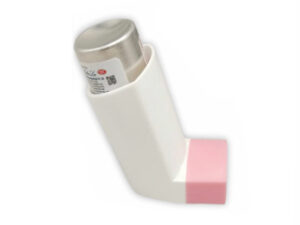
Budesonide Capsules (Budesonide) – Patient Information (Australia)
Budesonide capsules are a corticosteroid medicine used to treat certain inflammatory conditions in the gut. They work locally in the gastrointestinal tract to reduce inflammation, helping to relieve symptoms and improve wellbeing. This page explains how Budesonide capsules work, how they are used, important safety considerations, and what to expect in everyday life.
Brand and strength: Budesonide is available from different brands in Australia. Strengths and capsule designs may vary by product. Always follow the specific directions provided with your medicine.
Quick overview
- What it is: Corticosteroid (anti-inflammatory) medicine in capsule form
- How it works: Reduces inflammation by acting on glucocorticoid receptors
- Where it acts: Primarily in the gut (formulation dependent)
- Common uses: Conditions such as Crohn’s disease or microscopic colitis (varies by product and indication)
- Key benefits: Helps control inflammation and symptoms
- Key cautions: Infection risk, oral thrush, adrenal suppression, interactions with other medicines
Basic product information
Budesonide capsules contain the active ingredient budesonide. Budesonide is a “steroid” medicine related to cortisol (a hormone naturally produced by the body). Unlike some other steroids, oral budesonide is designed to deliver the drug to the gut and has extensive first-pass metabolism in the liver, which can reduce systemic steroid effects.
| Category | Details |
|---|---|
| Medicine name | Budesonide capsules |
| Active ingredient | Budesonide |
| Type | Anti-inflammatory corticosteroid |
| Form | Capsules (enteric/release characteristics vary by product) |
| Typical route | Oral |
| Common treatment role | To induce or maintain remission in selected gut inflammatory conditions |
How Budesonide works (mechanism of action)
Budesonide is a synthetic glucocorticoid. After the capsule releases in the gut, budesonide binds to glucocorticoid receptors inside cells. This influences gene expression and reduces production of inflammatory chemicals (such as cytokines and other mediators).
Overall, budesonide helps:
- Reduce inflammation in the affected area
- Decrease immune cell activity involved in the inflammatory process
- Alleviate symptoms such as diarrhoea, abdominal discomfort, and urgency (depending on the condition)
Local action with reduced systemic exposure: Budesonide undergoes significant “first-pass” metabolism in the liver, which generally leads to lower overall steroid levels in the body compared with some other oral corticosteroids. This can translate to fewer whole-body steroid side effects for many patients, although side effects can still occur.
Pharmacokinetics (how your body handles it)
“Pharmacokinetics” describes what the body does with the medicine—absorption, distribution, metabolism, and elimination. While exact parameters can vary by product and individual factors, the main points are consistent:
- Absorption: Budesonide is absorbed through the gastrointestinal tract after the capsule’s release mechanism allows the drug to become available for absorption.
- First-pass metabolism: A large proportion of budesonide is metabolised in the liver before reaching the bloodstream (“first-pass effect”).
- Metabolites: Budesonide is converted into less active metabolites that are then eliminated.
- Elimination: The medicine and its metabolites are cleared primarily through the kidneys (urine) and partly through bile/faeces, depending on the metabolite pathway.
Why this matters: Because metabolism involves the liver and can be affected by interacting medicines, some drugs can increase or decrease budesonide levels—changing both effectiveness and side-effect risk.
Typical uses and indications (Australia)
In Australia, budesonide capsules are used for inflammatory conditions affecting the gut. Indications depend on the specific product and its approved instructions. In practice, budesonide is commonly associated with:
- Crohn’s disease: Particularly for inflammation affecting the small bowel and/or right-sided colon, depending on formulation and severity.
- Microscopic colitis: Including conditions such as collagenous colitis and lymphocytic colitis, where approved.
- Other inflammatory bowel conditions: Sometimes in carefully selected circumstances according to product instructions and clinician guidance.
Important: Each budesonide capsule product can have different release properties (for example, targeting certain segments of the bowel). This means that “budesonide” is not always interchangeable between products or schedules. Always use the exact product and dosing instructions given for your condition.
Dosing – what is typical
Dosing depends on the condition being treated, symptom severity, and your response to therapy. Product packaging and clinician direction will provide the correct regimen. The information below is general and may not match every patient’s plan.
Common patterns
- Induction treatment: Often a higher dose initially to control inflammation, then reduced (“tapered”) if improvement occurs.
- Maintenance treatment: In some cases, a lower dose schedule may be used to help keep symptoms controlled.
- Duration: May range from short courses to longer periods, depending on the diagnosis and flare pattern.
How to take Budesonide capsules
- Take capsules by mouth with water.
- Do not crush or chew capsules unless your product instructions specifically allow it.
- Swallow whole to protect the capsule’s release mechanism.
- If you miss a dose, take it when you remember unless it’s close to the next dose. Do not double up.
Timing – when and how often
Many budesonide regimens are taken once daily or in divided doses. The best timing depends on the product’s release characteristics and your treatment plan. To support consistent drug delivery:
- Try to take your dose at the same time each day.
- If directed to split doses, take morning and evening doses spaced as evenly as possible.
- Use a reminder system (phone alarm, calendar, or pill organiser) to improve adherence.
If you are unsure about timing for your specific brand, check the packaging or ask your pharmacist.
Food interactions
Food can influence absorption and how you tolerate the medicine. In many cases, budesonide can be taken with or without food, but the product instructions and your clinician’s advice should be followed.
Practical advice with meals
- If your dose upsets your stomach, taking it with food may improve comfort (unless your product instructions advise otherwise).
- Avoid very large, high-fat meals right before/after the dose if you notice increased side effects—monitor how you feel and discuss with a pharmacist if needed.
- Stay hydrated, especially if you have diarrhoea as part of your condition.
Do not change your food habits abruptly without discussing with a clinician if you have ongoing digestive symptoms.
Alcohol interactions
Alcohol does not typically have a direct chemical “interaction” with budesonide in the way some medicines do. However, alcohol can worsen gut symptoms (such as diarrhoea, gastritis, or reflux) and can strain the liver. Because budesonide is metabolised in the liver, heavy or frequent alcohol intake may increase risk of side effects.
- Limit or avoid alcohol while on budesonide, especially during higher-dose periods.
- If you choose to drink, keep it modest and consider avoiding alcohol during active flares.
- Seek medical advice if you have liver disease or you drink regularly.
Medicine interactions (including key high-risk groups)
Budesonide can interact with other medicines that affect liver enzymes and hormone pathways. Interactions may either reduce effectiveness or increase steroid-related side effects.
Medicines that can increase budesonide levels
- Strong CYP3A4 inhibitors (examples include some antifungals such as ketoconazole and some antibiotics/antivirals depending on brand and indication) may increase budesonide exposure.
- Some other medicines that inhibit liver enzymes can similarly raise steroid levels.
Medicines that can decrease budesonide levels
- Enzyme inducers (certain anticonvulsants, some rifamycin antibiotics, and others) may reduce budesonide exposure and effectiveness.
Other important considerations
- Live vaccines: Because corticosteroids can affect immune responses, live vaccines may be less suitable while taking steroid medicines. Discuss vaccination plans with a healthcare professional.
- Immunosuppressants: Combining budesonide with other immune-modifying medicines may increase infection risk.
- Gastro-irritating medicines: If you use NSAIDs (like ibuprofen/naproxen), you may be at increased risk of gastrointestinal irritation in some people—discuss your options.
Always check interactions: Before starting budesonide (or any new medicine), review your full list of prescription medicines, over-the-counter products, vitamins, and herbal supplements with a pharmacist.
Safety profile and side effects
Like all medicines, budesonide capsules can cause side effects. Many people experience few or mild effects, particularly because budesonide has reduced systemic exposure compared with some other oral steroids. However, side effects can occur, especially with higher doses, longer treatment, or certain interacting medicines.
Common side effects
- Headache
- Nausea, abdominal discomfort
- Fatigue or feeling weak
- Acne or skin changes
- Fluid retention (less common than with some systemic steroids)
- Mood changes (e.g., irritability)
Possible steroid-related effects
- Oral thrush (thrush is more common with inhaled steroids, but steroid medicines can still affect immunity)
- Infections: Increased susceptibility to infections
- Raised blood sugar (important for people with diabetes)
- Temporary changes in blood pressure (especially in sensitive individuals)
- Adrenal suppression: With prolonged use or higher doses, the adrenal glands may reduce natural cortisol production
Seek urgent medical advice if you experience
- Signs of a serious infection (fever, severe chills, worsening shortness of breath, or feeling dramatically unwell)
- Severe allergic reaction (swelling of face/lips, difficulty breathing, widespread rash)
- Severe abdominal pain, persistent vomiting, black/tarry stools, or vomiting blood
When to talk to your pharmacist promptly
- Persistent diarrhoea that worsens instead of improves
- Unusual bruising or bleeding
- Vision changes
- New or worsening heartburn/reflux
- Marked mood changes or sleep disturbance
Practical use tips (getting the best results)
- Adhere to the taper plan: If your course includes dose reduction, follow it exactly. Stopping abruptly can be unsafe after longer use.
- Store correctly: Keep capsules at room temperature, away from moisture and heat. Keep in the original packaging.
- Track symptom response: Note changes in bowel frequency, urgency, pain, and stool form. This helps your clinician judge effectiveness.
- Maintain nutrition: During flares, ensure adequate hydration and consider dietary support if advised.
- Oral hygiene: If you notice white patches in the mouth, soreness, or persistent bad taste, contact your pharmacist or clinician.
- Protect against infection: Hand hygiene and avoiding close contact with people who have contagious infections may be helpful.
Who should be extra cautious
Discuss your individual risks with a healthcare professional if any of the following apply:
- Current or recent serious infection
- History of tuberculosis or exposure risk
- Diabetes or difficulty controlling blood sugar
- Peptic ulcer disease or significant gastrointestinal issues
- Osteoporosis risk or long-term steroid exposure
- Glaucoma or cataracts
- Liver disease
- Pregnancy or breastfeeding (risk/benefit needs individual assessment)
Recent guidance and ongoing monitoring (Australia context)
Inflammatory bowel conditions like Crohn’s disease and microscopic colitis are managed using evidence-based guidelines, typically involving assessment of disease severity, symptom response, and objective measures where possible. Corticosteroids such as budesonide are often used to induce remission and to control flares, with ongoing review of the lowest effective dose and the safest duration.
Guidance also emphasises:
- Using the lowest effective dose for the shortest necessary duration
- Assessing response and adjusting treatment if symptoms do not improve
- Monitoring for steroid side effects, especially with repeated courses or longer therapy
- Considering bone health, infection prevention, and vaccination planning for people on corticosteroid therapy
Your healthcare team may arrange monitoring such as blood tests, stool tests, or imaging/endoscopic assessment depending on your diagnosis and severity.
Delivery and availability in Australia
Budesonide capsules are generally available through Australian pharmacies and may be stocked by many retailers. Availability can vary by brand and strength, so it’s helpful to provide the exact product name (and strength) when ordering.
Online pharmacy delivery: Delivery timeframes differ by location and courier service. When placing an order, review the estimated delivery window shown at checkout. If a product is temporarily out of stock, some pharmacies can offer alternatives of the same active ingredient or help with restocking timelines.
- Check the product strength and label before payment.
- Keep your capsules dry and protected during transit.
- Contact customer support if the order is incomplete or the packaging appears damaged.
Alternative options
Treatment alternatives depend on your diagnosis, severity, and prior response. For inflammatory bowel conditions, clinicians may choose from:
- Other anti-inflammatory medicines: including aminosalicylates (where appropriate) and other corticosteroid formulations
- Immune-modulating therapies: for longer-term control in selected patients
- Biologic therapies: targeting specific inflammatory pathways
- Supportive care: dietary strategies, symptom management, and treatment of complications
If budesonide isn’t suitable for you, discuss the options with your healthcare professional. Do not switch products or stop/start therapy without advice, especially if you have been taking steroids for more than a short time.
Alcohol and food: summary
- Food: Generally take as directed on the product label. If stomach upset occurs, consider taking with food (unless instructed otherwise).
- Alcohol: Limit or avoid; heavy intake may increase liver burden and worsen gut symptoms.
FAQ
1) What is budesonide used for?
Budesonide capsules are used to treat certain inflammatory conditions in the gut, such as Crohn’s disease or microscopic colitis, depending on the specific product and indication. Always confirm your product’s intended use with the information on the packaging or your pharmacist.
2) How quickly will I feel better?
Some people notice symptom improvement within days, while others take longer (often one to two weeks or more). If symptoms don’t improve as expected, seek advice from your healthcare professional rather than stopping suddenly.
3) Can I stop budesonide suddenly?
Do not stop abruptly unless you were instructed to do so. If you’ve been using it for more than a short course, your doctor may recommend tapering to reduce the risk of adrenal insufficiency.
4) What happens if I miss a dose?
If you remember soon after the scheduled time, take it. If it’s close to the next dose, skip the missed dose and take the next one at the usual time. Do not take a double dose to make up for the missed one.
5) Are there any foods I should avoid?
There are no universal “budesonide-specific” foods to avoid, but it’s wise to follow general dietary advice for your condition. If certain foods worsen your symptoms (for example, during a flare), reduce them and discuss with your clinician or dietitian.
6) Does budesonide increase infection risk?
Yes. Because corticosteroids can affect immune response, there is a risk of infections or worsening of existing infections. Contact a healthcare professional promptly if you develop fever, worsening cough, severe sore throat, or feel unusually unwell.
7) Can I take vaccinations while on budesonide?
Vaccine suitability depends on your dose and duration. Live vaccines may be less suitable while taking corticosteroids. Ask your healthcare professional for advice about vaccination timing.
8) What medicines interact with budesonide?
Some medicines can affect budesonide metabolism (often via liver enzymes), potentially increasing or decreasing budesonide levels. Examples include certain antifungals, antibiotics, antivirals, and anticonvulsants. Tell your pharmacist about all medicines and supplements you take.
9) Is it safe to drink alcohol?
It’s generally best to limit alcohol while on budesonide, especially if you have gastrointestinal symptoms or liver risk factors. If you drink, keep it modest and avoid binge drinking.
10) What side effects should I watch for?
Common side effects include headache, nausea, and abdominal discomfort. Seek medical help for serious symptoms such as signs of infection, severe allergic reactions, black stools, or persistent vomiting.
11) Are there alternative treatments if budesonide doesn’t work for me?
Yes. Alternatives depend on your diagnosis and severity and may include other anti-inflammatory medicines, immune-modulating treatments, or biologic therapies. A clinician can help choose the safest and most effective option for your situation.
12) Where can I get more information?
Your pharmacist can provide product-specific guidance, including how to take your exact brand, key interactions, and what to do if side effects occur.
Important notes
This information is designed to help you understand budesonide capsules in general terms. Your situation may differ depending on your diagnosis, dose, duration, and other medicines you take. For the safest care, always follow the directions on your product packaging and consult your healthcare professional if you have questions or concerns.