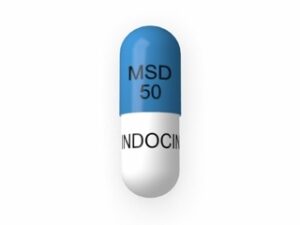
Indocin (Indomethacin) — Patient Guide (Australia)
Indocin is a brand of indomethacin, a medicine from the group of anti-inflammatory drugs known as NSAIDs (non-steroidal anti-inflammatory drugs). Indomethacin is used to reduce pain, swelling, and inflammation. It may also help certain conditions where inflammation and pain need targeted control.
This guide explains how Indocin works, typical uses, how it’s taken, key safety information, and practical tips to help you use it appropriately in day-to-day life. It is written for an Australian audience and includes general information about regulatory and market context.
Quick product information
| Feature | Details |
|---|---|
| Medicine name | Indocin (indomethacin) |
| Type | NSAID (anti-inflammatory pain medicine) |
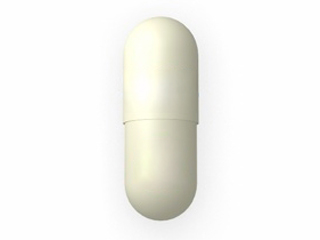
| Common forms | Capsules and/or sustained/modified-release preparations (varies by brand and local supply) |
| Main effects | Pain relief, reduction of inflammation and swelling, fever reduction |
| Typical onset | Often within hours (individual response varies) |
| Key cautions | Stomach/ulcer risk, kidney risk, cardiovascular risk, interactions with other medicines |
How Indocin works (mechanism of action)
Indomethacin works primarily by blocking the formation of certain substances called prostaglandins. Prostaglandins play a major role in inflammation, pain signalling, and fever.
- COX inhibition: Indomethacin inhibits cyclooxygenase (COX) enzymes involved in prostaglandin production.
- Reduced inflammation: Lower prostaglandins can lessen swelling, tenderness, and pain.
- Analgesic and antipyretic effects: It can also reduce pain and fever.
Because NSAIDs act on prostaglandin pathways, they can also affect protective functions in the stomach and kidneys—this is why safety precautions are important.
Pharmacokinetics (how the body handles it)
Pharmacokinetics describes the journey of a medicine through the body: absorption, distribution, metabolism, and elimination.
- Absorption: Indomethacin is absorbed after oral dosing. The exact speed of absorption can differ depending on formulation (for example, immediate-release vs modified-release).
- Time to peak level: Peak blood levels typically occur within a few hours of a dose, though this varies by formulation and whether it’s taken with food.
- Distribution: It binds to plasma proteins and distributes into body tissues.
- Metabolism: The liver metabolises indomethacin into inactive or less active forms.
- Elimination: The drug and its metabolites are eliminated mainly through the kidneys (urine). Some elimination may also occur via bile/faeces depending on metabolism pathways.
Half-life: Indomethacin’s half-life is typically several hours, which contributes to the need for multiple daily doses depending on the prescribed regimen.
Practical implication: If you miss a dose, do not double up to “catch up” unless a healthcare professional advises so. Follow the dosing plan provided for your specific product and condition.
Indications (when Indocin is used)
Indomethacin is used for conditions where controlling inflammation and pain is important. Common indications for indomethacin-containing medicines may include:
- Gout (acute attacks) and other crystal-associated inflammatory conditions
- Moderate to severe pain with inflammation related to musculoskeletal disorders
- Inflammatory conditions such as certain types of arthritis (depending on clinical assessment)
- Ankylosing spondylitis (inflammation of the spine and sacroiliac joints)
- Other specialist-directed uses where NSAID therapy is appropriate
Note: The exact suitability of Indocin depends on your diagnosis, other health conditions, and current medicines. Always ensure your treatment plan matches your specific needs.
Typical use and timing
Indomethacin is usually taken as a course or on a “symptom control” schedule. Timing may differ depending on whether you’re using an immediate-release or modified-release product.
- Most NSAIDs: are taken at set intervals during the day.
- Some formulations: may be taken less frequently.
- Take regularly as directed: For ongoing inflammatory conditions, consistent dosing helps maintain symptom control.
When to expect relief: Some people notice improvement within hours, while others may need a few days for full benefit—especially for chronic inflammatory problems.
Dosing (general guidance)
Always follow the dosing instructions that come with your specific product or that have been recommended for you. Dosing of indomethacin is individualized based on the condition being treated, symptom severity, age, kidney function, liver function, and risk factors for stomach or cardiovascular complications.
General dosing principles include:
- Use the lowest effective dose: This helps reduce side effects.
- Aim for the shortest duration: Especially for pain that’s likely to be temporary.
- Adjust carefully: If symptoms persist, dose adjustments are typically made under medical guidance.
Example pattern (illustrative only): Many NSAIDs are given multiple times per day for acute flare-ups, while chronic conditions may use scheduled dosing. The exact milligram strength and frequency vary by formulation and your condition.
Do not take extra doses to speed up relief. If pain is not controlled, seek advice rather than increasing your dose.
Food interactions (taking with meals)
Food can affect how quickly indomethacin is absorbed and how much stomach irritation you may experience.
- Take with food or after meals if your healthcare professional has advised it or if you experience stomach discomfort.
- With meals: may reduce nausea and stomach irritation.
- Avoid taking on an empty stomach if you are prone to gastritis, reflux, or ulcers.
Gastro-protective measures: Some people at higher risk of stomach injury may be advised to use stomach protection (for example, a proton pump inhibitor). Whether this is appropriate depends on your overall risk and should be discussed with a healthcare professional.
Alcohol interactions
Combining NSAIDs with alcohol can increase the risk of stomach bleeding and ulcer complications.
- Limit or avoid alcohol while taking Indocin.
- If you drink alcohol regularly, discuss this with a healthcare professional—risk varies by dose, drinking pattern, and your medical history.
Medicine interactions (important safety information)
Indomethacin can interact with other medicines. Interactions can increase side effects, reduce effectiveness, or change blood levels.
Common interaction categories include:
- Other NSAIDs (e.g., ibuprofen, naproxen, aspirin used for pain): increased risk of stomach bleeding and kidney problems.
- Anticoagulants (e.g., warfarin): higher bleeding risk.
- Antiplatelet medicines (e.g., clopidogrel): increased bleeding risk.
- Selective serotonin reuptake inhibitors (SSRIs) (e.g., sertraline, fluoxetine): may increase gastrointestinal bleeding risk.
- Corticosteroids (e.g., prednisone): increased risk of stomach irritation/ulcers.
- Diuretics and blood pressure medicines (ACE inhibitors/ARBs): may reduce kidney function or affect blood pressure control.
- Lithium: NSAIDs can raise lithium levels, increasing toxicity risk.
- Methotrexate: NSAIDs can affect methotrexate clearance and increase risk of toxicity, especially at higher methotrexate doses.
- Cyclosporin and tacrolimus: potential increased kidney strain.
- Digoxin: possible increased levels.
- Oral diabetes medicines (depending on type): NSAIDs can affect glucose control in some people.
Herbal and supplement interactions: Some supplements (for example, high-dose omega-3 may have mild antiplatelet effects; others can irritate the stomach or affect bleeding) may also increase risk. Tell your pharmacist what you take, including vitamins and herbal products.
Always check: If you start or stop any medicine while using Indocin, ask your pharmacist or doctor whether a change is needed.
Safety profile and warnings
Like all NSAIDs, indomethacin can cause side effects. Most relate to the stomach, kidneys, and cardiovascular system. Risk increases with higher doses, longer use, older age, and existing medical conditions.
Common side effects
- Stomach discomfort, nausea, heartburn
- Headache, dizziness
- Rash or mild skin reactions
- Fluid retention (swelling in some people)
Serious warnings — seek urgent help if you notice
- Signs of stomach bleeding: vomiting blood, black/tarry stools, or severe stomach pain
- Allergic reaction: swelling of face/lips, trouble breathing, hives, or wheezing
- Chest pain or sudden breathlessness (possible cardiovascular event)
- Severe skin reactions (blistering rash, peeling skin)
- Decreased urine output or swelling (possible kidney problem)
- Yellowing of skin/eyes or dark urine (possible liver problem)
Who should take extra care
- People with a history of ulcers or gastrointestinal bleeding
- Older adults
- Those with kidney disease or dehydration
- People with heart disease or stroke history
- People with asthma that is sensitive to NSAIDs
- Anyone taking blood thinners or medicines affecting bleeding
Do not combine with other NSAIDs unless specifically advised.
Practical use tips (patient-friendly)
- Read the label carefully: Confirm the strength and whether the product is immediate-release or modified-release.
- Take at the right times: Use a calendar or phone reminder to maintain consistent intervals.
- Take with food if needed: If you experience stomach irritation, taking after meals may help.
- Stay hydrated: Adequate fluids support kidney function—especially if you’re unwell.
- Avoid “stacking” pain relievers: Don’t take multiple NSAIDs for the same pain episode.
- Track symptoms: Note pain and swelling changes to assess whether the medicine is working.
- Watch for warning signs: Stop and seek advice if you develop black stools, severe stomach pain, or allergic symptoms.
- Discuss kidney and blood pressure risks: If you have kidney disease or high blood pressure, ask about monitoring.
Missed dose: If you miss a dose, take it when you remember unless it’s near the next dose. Do not take two doses at once.
Stopping suddenly: Indomethacin is usually used for symptom control. Stopping may cause symptoms to return; talk to a healthcare professional if you need a structured plan.
Alternative options to consider
If Indocin (indomethacin) is not suitable or doesn’t provide adequate relief, alternatives may include other NSAIDs or non-NSAID pain approaches. Options depend on the condition, risk profile, and what has worked previously.
Other NSAIDs (examples)
- Ibuprofen
- Naproxen
- Diclofenac
- Meloxicam
Non-NSAID pain strategies
- Paracetamol (acetaminophen): for pain relief where appropriate
- Topical anti-inflammatory gels/creams: may help some joint and muscle pain with lower systemic exposure
- Physical measures: rest, gradual activity, heat/cold therapy, and physiotherapy
Note: Alternatives are not automatically safer—each medicine has its own risk profile. For example, some alternatives still carry stomach and cardiovascular risks.
Market and legal context in Australia
In Australia, medicines are regulated to ensure quality, safety, and appropriate use. Indomethacin-containing medicines may be available under different supply categories depending on formulation and strength, and supply pathways may vary.
- General regulation: Medicines in Australia are governed by the Therapeutic Goods Administration (TGA).
- Supply status: Availability (and restrictions) may depend on whether a product is classified as prescription-only or has additional restrictions.
- Pharmacist involvement: Australian pharmacies typically play a key role in checking suitability and interactions, and in advising on safe use.
Product availability: Stock and availability can change over time. Your local pharmacy or online pharmacy may list current availability and shipping estimates.
Recent guidance and best-practice considerations
Across NSAIDs, healthcare guidance commonly focuses on using the lowest effective dose, for the shortest practical duration, and on assessing individual risk—especially for gastrointestinal bleeding, kidney impairment, and cardiovascular events.
- High-risk patients: may need additional measures such as stomach protection and closer monitoring.
- Older adults: tend to have higher risk for side effects and may need more cautious dosing.
- Cardiovascular risk: clinicians consider pre-existing heart disease, stroke history, and other risk factors.
- Kidney function: dehydration and certain co-medicines can increase risk.
If you have been told you are higher risk, ask your pharmacist whether Indocin remains the most appropriate option for your situation.
Delivery and availability (online pharmacy)
Online pharmacies in Australia commonly support delivery to eligible locations. Delivery times and costs can vary by supplier, product availability, and your postcode.
- Availability: Indocin stock may vary; check “in stock” status before placing an order.
- Dispatch time: Orders are typically dispatched after verification and packaging.
- Packaging: Medicines are packaged to protect them during transit.
- Tracking: Many services provide tracking details so you can follow your parcel.
- Cold-chain: Indomethacin products generally do not require refrigeration unless specifically stated on the label.
Storage: Keep medicines in a cool, dry place, away from direct sunlight. Store at temperatures indicated on the packaging and keep out of reach of children.
FAQ about Indocin (Indomethacin)
1) What is Indocin used for?
Indocin (indomethacin) is used to relieve pain and inflammation in conditions such as certain types of arthritis and gout flares. It may also be used for other inflammatory conditions based on clinical assessment.
2) How quickly does Indocin work?
Many people feel improvement within hours. For ongoing inflammatory conditions, it may take a few days to notice the full effect. If symptoms worsen or do not improve, seek advice.
3) Should I take Indocin with food?
Often, taking an NSAID with food or after meals can reduce stomach irritation. Follow the instructions supplied with your product and your healthcare professional’s advice.
4) Can I drink alcohol while taking Indocin?
It’s best to limit or avoid alcohol because alcohol plus NSAIDs can increase the risk of stomach bleeding.
5) Can I take another painkiller with Indocin?
Many people use paracetamol for additional pain relief, but whether it’s appropriate for you depends on your health and other medicines. Avoid taking other NSAIDs (like ibuprofen or naproxen) at the same time unless advised.
6) What are the most important side effects to watch for?
Seek urgent help for signs of stomach bleeding (black stools, vomiting blood), allergic reactions, chest pain, shortness of breath, or severe skin reactions. Also watch for reduced urination or unusual swelling.
7) Who should not use Indocin (or should use it with extra caution)?
Extra caution is needed for people with a history of ulcers or bleeding, kidney disease, heart disease, NSAID-sensitive asthma, older age, and those taking medicines that increase bleeding risk.
8) Can Indocin affect my kidneys?
Yes. NSAIDs can reduce blood flow to the kidneys, particularly in people who are dehydrated or have existing kidney problems. Maintaining hydration and monitoring may be necessary for higher-risk individuals.
9) What if I miss a dose?
Take it when you remember unless it’s close to the next scheduled dose. Do not take double doses to make up for a missed tablet.
10) Are there alternatives if Indocin isn’t right for me?
Yes. Depending on your condition and risk profile, options may include other NSAIDs, topical therapies, or non-NSAID pain strategies such as paracetamol and physiotherapy. Your pharmacist can help compare options.
Important final reminders
Indocin (indomethacin) can be an effective treatment for inflammatory pain, but it requires careful use due to potential side effects and interactions. If you have questions about suitability, dosing schedule, stomach protection, or medicine interactions, speak with a pharmacist or healthcare professional.
Stop and seek urgent medical help if you experience symptoms that could indicate serious allergic reactions, stomach bleeding, or significant kidney or cardiovascular problems.
Always refer to the product packaging for exact directions and the most up-to-date information for your specific Indocin formulation.