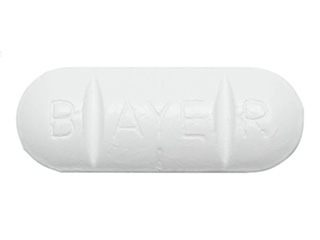


Biltricide (Praziquantel) — Patient Information (Australia)
Biltricide is a medicine containing praziquantel. It is used to treat certain parasitic worm infections, especially schistosomiasis (also called bilharzia) and some tapeworm infections. This information is written to help you understand how Biltricide works, how it is typically used, what to expect, and important safety considerations.
For individual advice—particularly if you are pregnant, breastfeeding, have liver disease, are treating neurocysticercosis, or are taking other medicines—please consult your healthcare professional.
At a Glance
- Active ingredient: Praziquantel
- Brand: Biltricide
- Used for: Selected parasitic infections (notably schistosomiasis)
- How it works: Causes parasite muscle spasm and impaired energy metabolism, leading to parasite death
- Typical course: Depends on the infection; often a single day or multiple doses in one day
- Common side effects: Headache, dizziness, nausea, abdominal discomfort, fatigue
Basic Product Information
| Item | Details |
|---|---|
| Medicine name | Biltricide |
| Active ingredient | Praziquantel |
| What it’s used for | Selected trematode and cestode infections (including schistosomiasis) |
| How it’s taken | Oral tablets (usually taken in divided doses in a single day, depending on indication) |
| Where in the body it acts | It is absorbed systemically and targets parasites in different tissues |
How Biltricide Works (Mechanism of Action)
Praziquantel works directly against certain parasitic worms. While the exact molecular steps can vary by parasite type, the overall effects include:
- Increased calcium influx into parasite cells, disrupting normal muscle function
- Muscle contraction and spasm of the parasite
- Damage to the parasite’s outer surface, impairing survival
- Disruption of energy metabolism, leading to parasite death
After treatment, dead or damaged parasites are cleared by the body, and symptoms often improve over days to weeks depending on the infection.
Pharmacokinetics (How the Body Handles It)
Understanding pharmacokinetics can help explain why dosing and timing matter. Praziquantel is generally:
- Absorbed from the gastrointestinal tract after oral use
- Extensively metabolised in the liver (primarily by the cytochrome P450 system)
- Excreted mainly via the kidneys as metabolites
The medicine’s effects depend on achieving sufficient drug levels. Therefore, food can influence absorption for some people, and liver function can affect how quickly the medicine is processed.
Important: If you have liver disease, your healthcare professional may advise specific timing or monitoring.
Typical Uses in Australia
Biltricide is used for infections caused by specific flatworms. In Australia, it is commonly associated with travel-related or imported parasitic infections, and with clinically confirmed helminth infections.
Common indications
- Schistosomiasis (bilharzia): treatment of infection with Schistosoma species
- Certain tapeworm (cestode) infections: where praziquantel is appropriate based on the organism and patient factors
- Some trematode (fluke) infections: depending on species and clinical scenario
Which infection you have matters. Different parasites require different medicines, and dose schedules may vary by organism, disease location, and severity.
Dosing: What Is Typical?
Dosing of praziquantel depends on the exact parasite, the location of infection, your age/weight, and your overall health. The information below is provided to help you understand common dosing patterns, but your healthcare professional will confirm the most appropriate dose for your specific situation.
General dosing principles
- Calculated by body weight in many indications
- Total daily dose may be given as one dose or divided doses in the same day
- Some infections may require repeat dosing (e.g., to treat parasites emerging later)
Common example dosing schedules (overview)
- Schistosomiasis: commonly involves a total dose taken in one day, often split into multiple doses to improve tolerability (exact schedule depends on the species and clinical guidance).
- Certain tapeworm infections: may be treated with a single dose or a divided dose regimen depending on the organism.
Do not change your dose based solely on general information. If you miss a dose, do not “double up” without medical advice—contact a healthcare professional for guidance.
Timing: When to Take Biltricide
In many infections, Biltricide is taken as a course in a single day, but follow your specific treatment plan. If your clinician instructed multiple doses, try to take them at regular intervals.
Practical timing tips
- Take with food if advised or if you experience nausea on an empty stomach.
- Separate doses evenly across the day if your schedule is split (for example, morning and afternoon/evening).
- Plan around side effects: dizziness or fatigue can occur; consider arranging time off work or travel.
Food Interactions and Absorption
Food can affect absorption of praziquantel for some people. Many patients are advised to take praziquantel with meals to improve tolerability and possibly absorption.
- With food: may reduce nausea and improve stomach comfort.
- Empty stomach: may increase gastrointestinal side effects for some individuals.
If you are unsure how to take your dose, check the product label or ask your pharmacist or doctor for personal instructions.
Alcohol and Medicine Interactions
Alcohol
While there is no single universal “alcohol-free” rule for everyone, it is generally sensible to avoid alcohol during treatment because praziquantel can cause dizziness, fatigue, and nausea. Alcohol may worsen these effects.
- Best approach: avoid or minimise alcohol during the treatment day and for at least 24 hours afterwards.
- Seek advice if you have liver disease, as both alcohol and medicines affecting the liver may increase risk.
Interactions with other medicines
Praziquantel is metabolised in the liver. Some medicines can affect drug metabolism and thereby change praziquantel levels. Important interaction possibilities include:
- Medicines that induce liver enzymes (can reduce praziquantel levels and potentially reduce effectiveness)
- Medicines that inhibit liver enzymes (can increase praziquantel levels and risk of side effects)
Examples of medicine classes that may be relevant include some antiseizure medicines, certain antibiotics/antifungals, and medications used for HIV or tuberculosis—however, the exact interaction depends on the specific agent.
Always tell your healthcare professional about:
- All prescription medicines
- Over-the-counter medicines
- Herbal products and supplements
- Any recent vaccinations or travel medicines
Safety Profile: Side Effects and When to Get Help
Common side effects
Many side effects are temporary and may happen shortly after dosing as the parasites are affected and as the medicine is processed by your body.
- Headache
- Dizziness or light-headedness
- Nausea, vomiting, or stomach discomfort
- Diarrhoea
- Fatigue
- Generalised weakness
- Fever or chills (sometimes related to infection/inflammatory response)
Less common but important reactions
- Allergic-type reactions (rash, itching, facial swelling)
- Severe dizziness or persistent vomiting
- Worsening neurological symptoms in certain parasitic infections involving the brain
Seek urgent medical help if
- You develop trouble breathing, wheezing, or swelling of the lips/face
- You experience severe or persistent vomiting with inability to keep fluids down
- You have fainting**, confusion, severe headache, or new neurological symptoms (particularly relevant for infections that may affect the brain)
- You develop yellowing of the skin/eyes (jaundice) or very dark urine
Pregnancy and breastfeeding
The safety of praziquantel in pregnancy and breastfeeding depends on the infection, the gestational stage, and the risk-benefit balance. Because schistosomiasis and certain tapeworm infections can have serious consequences if untreated, clinicians may still recommend treatment when benefits outweigh risks. Discuss with your healthcare professional.
If you are pregnant, trying to conceive, or breastfeeding, inform your clinician before treatment.
Practical Use Tips
The following tips can make Biltricide easier to take and help you manage side effects:
- Plan for recovery time: If you are prone to dizziness or fatigue, consider staying home on the treatment day.
- Hydrate: Drink fluids regularly—especially if you have mild gastrointestinal symptoms.
- Take with food if you feel nauseated: This can improve comfort for many people.
- Do not drive if dizzy: Avoid driving or operating machinery if you feel unsteady.
- Track symptoms: Note any fever, rash, or worsening pain and tell your clinician—some symptoms may reflect infection-related inflammation.
- Follow follow-up testing: For schistosomiasis, monitoring stool/urine tests may be recommended later to confirm cure.
In some infections, you may notice symptoms improving gradually rather than immediately. This can occur as the body clears dead parasites.
Alternative Options
“Alternative” depends entirely on the specific parasite and your clinical situation. Praziquantel may not be the correct option for every helminth infection. Common alternatives (by parasite type) may include different antiparasitic medicines.
Examples of alternative approaches (overview)
- For some trematode or cestode infections: other anthelmintics may be used depending on species and regional guidance.
- For certain tapeworm infections with cysts in the brain (neurocysticercosis): treatment can involve a more complex regimen with careful monitoring.
- Supportive care: treating fever, hydration needs, or managing inflammatory reactions may be part of the overall plan.
Your healthcare professional will recommend options based on the organism identified (or suspected), the site of infection, and your medical history.
Market, Legal and Clinical Context for Australia
In Australia, medicines are supplied within a regulated framework overseen by the Therapeutic Goods Administration (TGA). Availability and classification (for example, prescription-only or pharmacist-only) can vary by product formulation and regulatory status.
For praziquantel, supply typically requires appropriate clinical assessment to confirm:
- That the infection is caused by a parasite that responds to praziquantel
- That the dose and schedule are appropriate for the species and disease severity
- Whether special precautions apply (e.g., liver disease, pregnancy, or neuro-involvement)
Clinical practice may reference guidelines from Australian health authorities and international infectious diseases recommendations.
Recent Guidance and Monitoring (What to Expect)
Recommendations for treatment are periodically updated as new evidence becomes available. For parasitic infections, typical updates include:
- Refinements to dosing schedules based on parasite species and patient factors
- Emphasis on appropriate diagnostic confirmation (stool/urine testing where relevant)
- Recommendations for follow-up testing to document cure
- More detailed safety monitoring in patients with comorbid liver disease or potential neuro-involvement
If you have recently been diagnosed or have travelled, ensure your healthcare professional has your full travel and symptom history.
Delivery and Availability (Australia)
Biltricide (praziquantel) availability can vary. Online pharmacy supply may depend on regulatory requirements, stock levels, and the need for appropriate clinical information.
- Dispatch times: typically depend on local stock and order verification processes.
- Packaging: tablets are usually supplied in appropriate protective packaging.
- Cold chain: praziquantel tablets generally do not require refrigeration.
- Store conditions: follow the label instructions (commonly below 25°C, away from moisture and direct sunlight).
If you need help checking availability or estimated delivery to your location in Australia, you can contact the pharmacy support team.
How to Store Biltricide
- Keep out of reach of children.
- Store according to the product label (temperature and moisture instructions).
- Check expiry date before use.
FAQ — Biltricide (Praziquantel)
1) What is Biltricide used for?
Biltricide (praziquantel) is used to treat certain parasitic infections, particularly schistosomiasis and other susceptible worm infections caused by specific parasite species. The right treatment depends on the organism and where the infection is in the body.
2) How quickly will I feel better?
Some people notice symptom improvement within days. Others may take longer—especially with infections that cause inflammation. Follow-up testing may be needed to confirm cure.
3) Can I take Biltricide with food?
Many people tolerate praziquantel better when taken with food. If your clinician or label instructions specify a method, follow those directions. If nausea occurs, taking with a meal may help.
4) Is it safe to drink alcohol while taking praziquantel?
It’s generally best to avoid or minimise alcohol during treatment and the following day, as alcohol may worsen dizziness, nausea, and fatigue. If you have liver disease, ask a healthcare professional for advice.
5) What medicines can interact with praziquantel?
Because praziquantel is metabolised in the liver, certain medicines may affect its levels. Tell your pharmacist or clinician about all medicines, supplements, and herbal products you use so they can check for potential interactions.
6) What side effects are common?
Common side effects include headache, dizziness, nausea, abdominal discomfort, fatigue, and diarrhoea. These are often temporary.
7) When should I seek urgent care?
Seek urgent help if you have trouble breathing, facial/lip swelling, severe or persistent vomiting, fainting, confusion, severe headache, or new neurological symptoms.
8) Will I need follow-up tests?
Often, yes—especially for schistosomiasis. Follow-up helps confirm clearance and ensures the infection is fully treated. Your healthcare professional will advise the timing and type of tests.
9) Can praziquantel be used in children?
Praziquantel can be used in children for appropriate parasitic infections, but dosing is weight-based and must be carefully determined. Talk to a healthcare professional for age-appropriate guidance.
10) What if I miss a dose?
If you miss a dose, contact your pharmacist or clinician for instructions. Do not double up unless they specifically advise it.
Key Takeaways
- Biltricide (praziquantel) targets certain parasitic worms and causes parasite death through effects on muscle and metabolism.
- It is typically taken as a short course, often within a day, but the exact schedule depends on the parasite and diagnosis.
- Food may improve tolerability; alcohol may worsen side effects—avoid or minimise.
- Tell your healthcare professional about all medicines, liver problems, pregnancy/breastfeeding, and any neurological symptoms.
- Follow-up testing may be important to confirm cure.
If you have questions about your specific diagnosis or treatment plan, speak with a qualified healthcare professional. Always read the product label and keep to the prescribed instructions provided for your situation.