
Albenza (Albendazole) – Patient Information (Australia)
Albenza is a brand of albendazole, an anti-parasitic medicine used to treat certain worm infections in the gut and other parts of the body. This page provides patient-friendly information about how it works, when it’s typically used, dosing considerations, common interactions, and practical tips to help you get the most benefit from treatment.
Important: Always follow the instructions provided with your medicine and any advice from your healthcare professional. If you are unsure about the right dose for your specific condition, ask a clinician or pharmacist before taking it.
Quick overview
- Active ingredient: Albendazole
- Brand name: Albenza
- Medicine type: Anti-parasitic (anthelmintic)
- Common uses: Treating selected intestinal worms and certain tissue infections
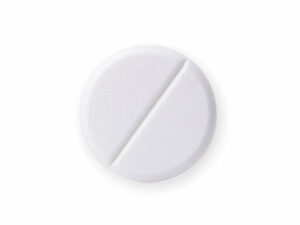
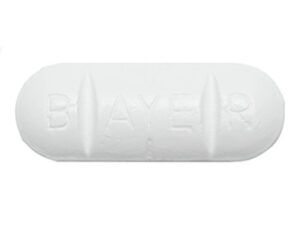
- Typical dosing forms: Oral tablets (brand presentations may vary)
- How it works: Disrupts the parasite’s energy production
What is Albenza (albendazole)?
Albenza (albendazole) is an oral medicine that belongs to the benzimidazole group of anthelmintic drugs. It is used to treat infections caused by specific parasites, including worms and their developmental stages (for example, larvae in certain tissue infections).
In Australia, albendazole is widely used for parasitic infections under clinical guidance. Brand availability and exact indications can vary depending on formulation and local prescribing practices.
Mechanism of action
Albendazole works by targeting the parasite’s internal biology:
- It binds to β-tubulin in parasites, interfering with microtubule formation.
- This prevents the parasite from absorbing nutrients and disrupts key cellular functions.
- The result is energy depletion and impaired survival of the parasite, leading to its death or inability to reproduce.
In many infections, symptom improvement can begin within days, but complete clearance may take longer, especially for tissue-dwelling infections.
Pharmacokinetics (how the body handles it)
Pharmacokinetics refers to what the body does with a medicine—how it is absorbed, distributed, metabolised, and excreted.
- Absorption: Albendazole is poorly absorbed when taken without food. Absorption increases when taken with a meal, particularly a fatty meal.
- Metabolism: Albendazole is rapidly metabolised in the liver to an active metabolite—commonly referred to as albendazole sulfoxide.
- Distribution: The active metabolite can distribute to various tissues, which is important for some tissue infections.
- Excretion: The drug and its metabolites are eliminated mainly via the kidneys and through bile.
Practical takeaway: Taking albendazole with food may improve absorption and effectiveness.
Typical use (what it treats)
Albenza is used for infections caused by specific parasites. Common examples include:
- Intestinal worm infections (certain types)
- Echinococcosis (hydatid disease) caused by Echinococcus species—often requires specialist management
- Cysticercosis (larval Taenia solium)—management depends on location and severity
- Other selected helminth infections depending on local guidance and the specific diagnosis
Because parasite identification and the site of infection strongly influence the right regimen and duration, treatment should be guided by clinical assessment and diagnostic results when available.
Indications and when albendazole is used
Albendazole is indicated for certain parasitic infections, including:
- Hydatid disease (echinococcosis): Usually involves planned therapy and monitoring; dosing schedules can be prolonged and may include follow-up imaging.
- Cysticercosis: Used in specific cases, particularly where larval disease requires anti-parasitic therapy; additional medications may sometimes be required to manage inflammation.
- Selected intestinal helminth infections: Depending on the parasite species and local protocols.
Note: Indications can vary based on formulation strength and approved product information. Your pharmacist can help interpret the directions you receive.
Dosing – general guidance
Dose depends on the type of infection, the body weight (for some regimens), age, and sometimes liver function. Treatment duration can range from a short course to long-term therapy in tissue infections.
Below is general, educational information: always follow the exact dosing instructions provided for your specific condition.
Common dosing patterns
- Short courses for some intestinal infections may be taken as a single dose or for several days.
- Longer courses are often used for tissue infections (such as echinococcosis), sometimes with repeated cycles.
- Special populations: Dosing can differ for children, pregnancy, liver impairment, and specific parasite species.
Example dosing considerations (not a substitute for your exact instructions)
| Infection type (example) | Typical approach | What to expect |
|---|---|---|
| Some intestinal worm infections | May be a single dose or short course | Often symptom relief over days; follow-up may be advised |
| Cysticercosis | Often longer regimen depending on severity/location | May require additional medications to reduce inflammation |
| Echinococcosis (hydatid disease) | Prolonged therapy with monitoring | May involve imaging/lab tests and specialist care |
If you share the strength of the tablet you have (for example, 200 mg) and your stated condition with a healthcare professional, they can confirm the exact regimen that applies.
Timing – when to take Albenza
For best absorption:
- Take with food if your product instructions advise it.
- If you are taking multiple doses, try to take them at the same time each day.
- Use a consistent routine (for example, after breakfast or with your evening meal).
Missed dose: If you miss a dose, take it when you remember unless it is close to the next dose. Do not take a double dose to make up for a missed tablet. If you are unsure, check the instructions on the packaging or ask a pharmacist.
Food interactions and absorption
Albendazole absorption is improved with food. While the specifics can vary, the general guidance is:
- With meals: More reliable absorption and potentially better effectiveness.
- Empty stomach: May reduce how much drug enters the bloodstream, which could lead to reduced effectiveness.
Practical tip: Take Albenza with a meal you can tolerate (if you have nausea, try a smaller meal) and follow your product directions.
Alcohol and medicine interactions
Alcohol
Moderate alcohol intake may not directly interact with albendazole in a way that is usually highlighted for routine single-course use. However:
- Albendazole is metabolised in the liver.
- Heavy alcohol use may increase the load on the liver and can worsen the risk of liver enzyme changes.
Recommendation: Avoid or limit alcohol during treatment, especially during longer courses or if you have liver disease.
Other medicines
Some medicines can affect albendazole metabolism. Two key interaction examples include:
- Cimetidine may increase albendazole exposure.
- Dexamethasone and other medicines can alter albendazole metabolism.
There may also be interactions with medicines that affect liver enzymes. Always inform your pharmacist or healthcare professional about:
- Prescription medicines
- Over-the-counter products
- Herbal medicines and supplements
- Recent courses of antibiotics or antifungals
Safety note: If you are taking multiple medications, an interaction check is strongly recommended before starting.
Safety profile and side effects
Like all medicines, albendazole can cause side effects. Many people experience none or mild effects, but some adverse reactions require medical attention.
Common side effects
- Nausea
- Abdominal discomfort or stomach pain
- Headache
- Dizziness
- Diarrhoea or constipation
- Transient elevation of liver enzymes (more relevant with longer courses)
Less common but important risks
- Blood cell changes (for example, reduced white blood cells) can occur, especially with prolonged therapy.
- Liver problems are a concern with long-term use; monitoring may be recommended.
- Allergic reactions (rash, itching, swelling, trouble breathing) require urgent medical attention.
Urgent warning signs
Seek urgent medical help if you experience:
- Signs of an allergic reaction (swelling of face/lips, wheezing, severe rash)
- Yellowing of the skin/eyes (jaundice), dark urine
- Severe persistent vomiting or significant worsening abdominal pain
- Unusual bruising, persistent fever, or signs of infection
Monitoring during longer treatment
For extended regimens (often used in tissue infections), clinicians may request blood tests such as:
- Liver function tests
- Full blood count to check blood cell levels
If you are on a longer course, it’s important to attend monitoring appointments.
Practical use tips (how to get the best outcome)
- Take with food: improves absorption and effectiveness.
- Complete the course: don’t stop early unless advised. Parasites may survive if treatment is incomplete.
- Follow hygiene measures: handwashing and avoiding cross-contamination help reduce reinfection.
- Household considerations: for some intestinal infections, treating close contacts may be advised depending on diagnosis and local recommendations.
- Hydration: if you have diarrhoea, drink fluids to prevent dehydration.
- Track symptoms: note any new or worsening symptoms and report them promptly.
Tip for nausea: If taking with meals triggers nausea, try taking it after a lighter snack rather than on an empty stomach, and consider asking a pharmacist for advice.
Safety in pregnancy and breastfeeding
Pregnancy: Albendazole may not be suitable in early pregnancy due to limited safety data. If pregnancy is possible or confirmed, discuss options with a healthcare professional before starting.
Breastfeeding: Albendazole is sometimes considered depending on infection type and the risk/benefit balance. Professional advice is recommended.
Also important: If you are planning pregnancy or have fertility concerns, discuss timing and safety with a clinician.
When to ask for medical advice before using Albenza
Check with a pharmacist or healthcare professional if you:
- Have liver disease or history of abnormal liver tests
- Are taking medicines that affect the liver or blood counts
- Have a condition that affects your blood cell production
- Are pregnant, breastfeeding, or caring for a child
- Have symptoms suggesting a severe tissue infection (for example, neurological symptoms)
This is especially important for longer or higher-dose regimens.
Alternative options
Depending on the specific parasite and location of infection, clinicians may consider other anti-parasitic medicines, such as:
- Mebendazole (another benzimidazole)
- Praziquantel (often used for specific trematode and cestode infections)
- Ivermectin (used for certain parasitic skin and worm infections)
- Other targeted therapies for specialised conditions
The “best” alternative depends on the diagnosed organism, severity, and treatment goals (for example, intestinal clearance vs tissue penetration). A healthcare professional can help select the appropriate medicine and regimen.
Market and legal context for Australia
In Australia, the availability of medicines and the level of pharmacy involvement can vary based on the product formulation, brand, and regulatory status. Albendazole products are generally supplied through community or hospital pharmacy channels depending on local rules and clinical use patterns.
Online pharmacy listings may include product details, strength, and usage directions aligned with Australian regulatory requirements and manufacturer information. Always review:
- The product strength and dosage instructions on the packaging
- Any prescribing/dispensing requirements included with the product
- Safety information for your age group and medical history
If you’re unsure whether a specific product is suitable for your condition, speak with a pharmacist before ordering or starting therapy.
Recent guidance (general considerations)
Because parasite infections can involve different organisms and pathways, updated guidance often focuses on:
- Accurate diagnosis: identifying the parasite where possible to ensure the right medicine and duration.
- Monitoring for longer courses: liver function and blood count surveillance may be emphasised for extended therapy.
- Managing complications: particularly for tissue infections (for example, inflammation in the brain for certain cases).
- Reducing reinfection: hygiene, treatment of contacts when appropriate, and environmental precautions.
Your healthcare professional can provide the most current, situation-specific recommendations for Australia based on the latest clinical practice.
Delivery and availability (online pharmacy)
Online pharmacies in Australia commonly offer delivery options that may include standard and express shipping depending on location. Availability can vary based on stock levels and product strength.
- Ordering: confirm the product strength and tablet count before purchase.
- Packaging: deliveries are typically packed to protect tablets and include patient information.
- Cold-chain: generally not required for albendazole tablets.
- Delivery timeframe: varies by postcode and carrier service.
Storage: store tablets at controlled room temperature away from moisture and direct sunlight, in the original packaging when possible.
Albenza FAQ
1) How long does it take for Albenza to work?
For intestinal worm infections, improvement may begin within days. For tissue infections, symptom improvement can take longer, and treatment duration may be weeks or longer depending on the condition.
2) Should I take Albenza with food?
Albendazole absorption is generally improved with food. Follow the directions on your product label. If you’re not sure, ask a pharmacist for guidance for your specific formulation.
3) Can I drink alcohol while taking Albenza?
It’s best to avoid or limit alcohol during treatment—particularly for longer courses or if you have liver issues. If you want advice tailored to your situation, ask a pharmacist.
4) What if I miss a dose?
Take it as soon as you remember unless it’s close to your next scheduled dose. Do not take a double dose. If you are unsure, contact a pharmacist.
5) Are there special safety concerns for long-term use?
Yes. Longer courses may require monitoring of liver function and blood counts. Discuss monitoring schedules with your healthcare professional.
6) What side effects should I watch for?
Common effects include nausea and abdominal discomfort. Seek medical help urgently for allergic reactions, jaundice (yellowing), severe symptoms, or signs of blood problems such as unusual bruising or persistent fever.
7) Can Albenza be used for children?
Albendazole can be used in children for certain infections, but dosing is weight- and condition-dependent. Always confirm the correct dose and duration with a healthcare professional or pharmacist.
8) What about pregnancy or breastfeeding?
Safety can vary depending on timing and infection type. Discuss with a healthcare professional before starting if you are pregnant, trying to conceive, or breastfeeding.
9) Will I need to treat family or contacts too?
Sometimes yes, depending on the diagnosis and risk of reinfection. A pharmacist or clinician can advise based on which parasite is involved and household circumstances.
10) Are there alternatives if albendazole isn’t suitable?
Alternatives may include other anti-parasitic medicines such as mebendazole, praziquantel, or ivermectin depending on the specific parasite and clinical scenario. The correct choice depends on diagnosis.
Final reminder: This information is designed to help you understand Albenza (albendazole). For personalised advice about dose, timing, interactions, and suitability, consult a pharmacist or healthcare professional.