


Albendazole (Oral) — Patient-Friendly Guide (Australia)
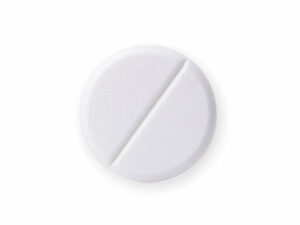
Albendazole is an antiparasitic medicine used to treat a range of worm infestations (helminth infections). It works by targeting the way parasites use energy in their bodies, helping your body clear the infection. This guide is designed to be clear and practical for everyday use, with information tailored to common consumer questions in Australia.
Note: Always read the Consumer Medicine Information (CMI) provided with your product. If you are unsure which infection you have or what dose is appropriate, speak with a pharmacist or other qualified healthcare professional.
1) Basic product information
| Category | Details |
|---|---|
| Generic name | Albendazole |
| Medicine type | Antiparasitic (anthelmintic) |
| Common forms | Oral tablets and oral suspension (brand/form may vary) |
| Typical setting | Used for many intestinal and tissue worm infections |
| Active ingredient | Albendazole |
| Common uses worldwide | Roundworms, hookworms, threadworms, tapeworms, and certain tissue helminths |
2) How Albendazole works (mechanism of action)
Albendazole belongs to the benzimidazole class of antiparasitic medicines. It works mainly by:
- Disrupting parasite energy production: Albendazole interferes with the parasite’s ability to use glucose (sugar) effectively.
- Blocking microtubule formation: Microtubules are structures parasites rely on for cell function and survival. Albendazole reduces this essential structure.
- Leading to parasite death or expulsion: Over time, the parasite’s metabolism fails, and the infection is cleared or reduced.
The medicine targets parasites more than human cells, although side effects can occur—especially if treatment is repeated or at higher doses (as sometimes needed for certain conditions).
3) Pharmacokinetics (how the body handles it)
Pharmacokinetics describes how a drug is absorbed, distributed, metabolised, and excreted.
- Absorption: Albendazole has limited absorption from the gut when taken on an empty stomach. Absorption can increase when taken with food (especially fatty meals).
- Metabolism: After absorption, albendazole is metabolised in the liver to its active metabolite, typically referred to as albendazole sulfoxide.
- Distribution: The active metabolite can reach various body tissues, which is important for some tissue-dwelling infections.
- Elimination: Metabolites are removed mainly via the kidneys and/or bile and through stool.
- Variability: Individual absorption and metabolism can vary, which is one reason manufacturers and clinicians may advise taking doses with food.
Practical takeaway: To get the best chance of effective absorption, follow the directions on how to take it with food, as described below.
4) Typical uses (indications)
Albendazole is used to treat a variety of helminth infections. Which infection it treats depends on the species and body site involved.
Common indications include:
- Intestinal roundworms (e.g., ascariasis, hookworm)
- Pinworm (threadworm)
- Other intestinal worms in certain regions and clinical settings
- Some tapeworm infections (depending on the species and clinical assessment)
- Some tissue helminths (treatment plans may be longer and may require monitoring)
Important: Albendazole is not appropriate for every parasitic disease. For example, some infections require different medicines or specific management. If you have severe symptoms (such as neurologic symptoms, significant abdominal pain, fever, or visible blood in stool), seek urgent medical assessment.
5) Timing and how to take Albendazole
Your exact timing depends on the infection and the dose prescribed/indicated by your product. However, general practical principles include:
- Take with food if advised: Many product instructions recommend taking albendazole with a meal to improve absorption.
- Swallow whole: If using tablets, swallow with water. Do not crush unless the product instructions allow it.
- Measure liquid carefully: For suspension, use the measuring device provided or one recommended by your pharmacist.
- Follow the course length: Some worm infections are treated with a single dose; others require repeated dosing over days or weeks.
- Consider household spread: For highly contagious infections (notably pinworm), treating close contacts and repeating doses may be necessary.
After taking the dose: Symptoms may improve gradually. In many intestinal worm infections, worms are expelled and itching or discomfort can reduce over several days. If symptoms persist or worsen, seek advice.
6) Food interactions
Food can affect absorption. Albendazole absorption is often improved when taken with food, particularly meals containing fat.
- With food: Typically improves the amount of active drug absorbed.
- Without food: May reduce absorption and lower effectiveness for some people.
Practical advice:
- Take your dose with a meal (unless the product instructions specifically say otherwise).
- If you have a sensitive stomach, choose a light meal and drink water with the dose.
7) Alcohol and medicine interactions
Alcohol: There is no universal “safe” blanket statement for alcohol with all antiparasitic medicines. Albendazole can affect the liver, and alcohol also stresses liver metabolism. For best safety, it’s reasonable to avoid or limit alcohol while taking albendazole, especially if you are on a longer course or have liver-related conditions.
Other medicine interactions: Albendazole may interact with some medications. Common considerations include:
- Other liver-metabolised medicines: Because albendazole is processed in the liver, clinicians may consider potential additive effects.
- Certain medicines that affect liver enzymes: Some drugs can alter albendazole metabolism, potentially changing levels.
What to do:
- Tell your pharmacist about all medicines you use, including prescription medicines, over-the-counter products, and supplements.
- If you take regular medications, ask specifically whether any of them may affect albendazole levels or liver function.
8) Dosing (general guidance)
Dosing depends on the infection type, age, weight, and treatment plan. Product strength and form also matter (tablet dose vs suspension). Below is general information that can help you understand how clinicians and product labels often approach dosing. Always follow the dosing instructions on your product label or provided by your healthcare professional.
Common dosing patterns (examples)
- Pinworm (threadworm): Often treated with a single dose, with a repeat dose after about 2 weeks to break the lifecycle and treat newly hatched worms. Household hygiene measures are also important.
- Intestinal worms: Some infections may use single-dose or short-course regimens.
- Certain tissue infections: May require longer courses and sometimes additional monitoring (including blood tests for liver function and blood counts).
Age and weight considerations: Children often require weight-based dosing. Suspensions are frequently used to make dosing accurate for younger children.
If you miss a dose: If you miss a scheduled dose, take it as soon as you remember unless it’s close to the next dose. Do not take double doses to make up for a missed dose—ask a pharmacist for the safest approach based on your specific regimen.
9) Safety profile and side effects
Like all medicines, albendazole can cause side effects. Many people experience none or only mild effects, but risks increase with longer courses or higher doses, especially for tissue-dwelling infections.
Common mild side effects
- Nausea, upset stomach
- Abdominal pain or cramps
- Headache
- Dizziness
- Diarrhoea
- Dry mouth or reduced appetite (varies by person)
Less common but important side effects
- Allergic reactions (rash, itching, swelling, breathing difficulty)
- Liver-related effects (more likely with prolonged use)
- Blood count changes (e.g., low white blood cells or other abnormalities) with longer courses
Seek urgent help if you have
- Signs of allergy: swelling of face/lips, wheezing, trouble breathing
- Severe rash with blistering or widespread skin peeling
- Yellowing of skin/eyes (jaundice), dark urine, or severe fatigue
- Severe or persistent vomiting or inability to keep fluids down
10) Practical use tips
Getting the best results with albendazole often includes more than just taking the tablets. These tips can help reduce reinfection and improve comfort.
Hygiene and reinfection prevention
- Pinworm/Threadworm: Focus on hand hygiene, clean underwear and bedding, and consider treating household members as advised by your pharmacist/doctor.
- Wash bedding and clothing: Use hot water if the fabric allows, especially in outbreaks.
- Trim nails and avoid scratching: Reduces transfer of eggs to the mouth.
- Clean living spaces: Regular vacuuming and cleaning can reduce egg spread (particularly for pinworm).
Taking the medicine correctly
- Take with food if the instructions recommend it.
- Stay hydrated, especially if you experience stomach upset.
- Keep track of dose timing, especially if you’re repeating doses.
When monitoring may be needed
If you are on a longer course or taking higher doses for tissue infections, clinicians may request follow-up monitoring such as blood tests (e.g., liver function and blood counts). This is to ensure safety and that the treatment is tolerated.
11) Alternative options
Depending on the type of parasite, alternative antiparasitic treatments may be considered. Options can include medicines such as:
- Mebendazole (another benzimidazole used for some intestinal worm infections)
- Pyrantel pamoate (often used for pinworm and some intestinal worms)
- Praziquantel (commonly used for many tapeworm infections)
- Ivermectin (used for certain parasitic infections)
Why alternatives matter: Different parasites require different medications and treatment regimens. If you’re not sure which infection you have, getting the correct diagnosis or advice can make treatment more effective and reduce unnecessary medication use.
12) Market and legal context for Australia (general overview)
In Australia, access to medicines depends on their classification and therapeutic use. Antiparasitic medicines may be available as:
- Non-prescription medicines (depending on formulation/strength and indications), or
- Prescription medicines for certain indications, especially where longer courses, specialised management, or higher-risk conditions are involved.
Online pharmacy availability: Stock and purchase options can vary by product listing, strength, and eligibility requirements at the time of purchase. Your online pharmacy should provide clear product information and required steps (such as suitability checks) before you order.
Guidance updates: Recommendations for parasite treatment can evolve based on infection patterns and public health advice. It’s wise to confirm current guidance with an Australian pharmacist or trusted health information sources.
13) Recent guidance considerations
While specific recommendations may vary by parasite species and local outbreaks, some commonly emphasized principles in recent public health and clinical guidance include:
- Correct identification of the parasite when possible (or using symptom-based treatment where appropriate).
- Repeat dosing for parasites with life cycles that can re-establish infection (commonly relevant to pinworm).
- Household or close-contact treatment when infection spreads easily.
- Food and medicine interaction awareness, particularly if treatment is prolonged or if you take other regular medicines.
- Monitoring liver function and blood counts for longer courses, especially for tissue infections.
If you are treating a child, pregnant, breastfeeding, or planning a long course, it’s particularly important to follow tailored advice.
14) Delivery and availability (what customers typically expect)
Online pharmacies in Australia commonly offer:
- Home delivery to eligible areas
- Order dispatch timelines that may differ by stock status and shipping method
- Discreet packaging
- Compatibility checks (if required for the product category)
Availability can change: Stock levels and product forms (tablet strength vs suspension) may vary. When you order, check:
- Whether the product is tablet or suspension
- Strength per unit
- Expiry date (should be clearly shown when shipped)
- Delivery estimates at checkout
If you need the exact form to suit a child or difficulty swallowing, ask the pharmacy team before ordering.
15) FAQ
How long does Albendazole take to work?
Many people notice improvement in symptoms within a few days. The timing depends on the infection type and the life cycle of the parasite. For some infections (like pinworm), symptoms may return if eggs survive—this is why repeated dosing is often advised.
Should I take Albendazole with food?
Often, yes. Albendazole absorption can be better when taken with a meal. Follow the specific instructions on your product label or the directions provided by your pharmacist.
Can I drink alcohol while taking Albendazole?
It’s best to avoid or limit alcohol during treatment, especially for longer courses, because albendazole can affect the liver and alcohol can add stress to liver metabolism. Ask your pharmacist if you have liver disease or take other regular medicines.
What if I treat pinworm—do I need to treat household members?
Pinworm spreads easily. Many treatment approaches involve treating close household contacts and repeating a dose after about two weeks. Your pharmacist can advise based on your household situation.
Are there any foods I should avoid?
There are no widely required food restrictions for albendazole beyond the recommendation to take it with food to improve absorption. If you have stomach sensitivity, choose a gentle meal.
What side effects are most common?
Common side effects include nausea, abdominal discomfort, headache, dizziness, and diarrhoea. Most are mild and temporary.
When should I seek medical advice urgently?
Seek urgent help if you develop signs of allergy (swelling, breathing difficulty), severe rash, jaundice (yellow skin/eyes), dark urine, severe persistent vomiting, or other serious symptoms.
Can Albendazole be used in children?
Children may be treated depending on the infection. Dosing is often weight-based and form-dependent (tablet vs suspension). Use age-appropriate dosing instructions and consult a pharmacist if you are unsure.
Is Albendazole safe for pregnancy or breastfeeding?
Albendazole may not be suitable for everyone during pregnancy or breastfeeding. The safest approach is to get personalised advice from a pharmacist or healthcare professional, particularly in the first trimester or if prolonged treatment is planned.
Can Albendazole be used for all worm infections?
No. Different parasites respond to different medicines. If symptoms are severe, persistent, or unclear, it’s important to confirm the likely cause before taking repeated doses.
16) Summary
Albendazole is a widely used antiparasitic medicine that helps clear worm infections by disrupting parasite energy and cellular structures. Effective use usually involves taking the dose with food (if advised), following the correct dose schedule, and using hygiene measures to prevent reinfection—especially for contagious worm infections.
If you have concerns about side effects, interactions, or the correct treatment approach for your situation, a pharmacist in Australia can help you choose the most appropriate and safe option.