
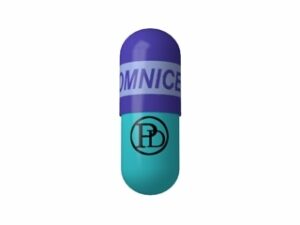

Principen (Ampicillin) – Patient Information
Principen is a brand of ampicillin, an antibiotic used to treat certain bacterial infections. This page explains what ampicillin does, how it works in the body, how it is commonly used, important safety information, and practical tips to help you use it correctly.
If you have questions about whether ampicillin is suitable for you, check with a healthcare professional or pharmacist. Antibiotics are effective against bacteria but not against viral illnesses such as colds or flu.
Basic product information
- Active ingredient: Ampicillin
- Brand example: Principen
- Drug class: Penicillin-type (“beta-lactam”) antibiotic
- How it’s used: Oral tablets or capsules (formulations vary by country and product strength), sometimes other forms depending on clinical setting
The exact strength and dosing schedule can vary by the specific product (e.g., tablet strength), your infection, and your age/weight. Always use the dose written for you by your prescriber or pharmacist.
How Principen (ampicillin) works (mechanism of action)
Ampicillin belongs to the penicillin family of antibiotics. It works by interfering with the way bacteria build and maintain their cell walls.
- Target: Bacterial cell wall synthesis (peptidoglycan).
- Result: Weakening of bacterial cell walls, leading to bacterial death or inhibition of growth.
- Important limitation: Some bacteria produce enzymes (beta-lactamases) that can break down ampicillin, making it less effective against those resistant strains.
Pharmacokinetics (how the body handles ampicillin)
Pharmacokinetics describes how the body absorbs, distributes, metabolises, and eliminates a medicine.
- Absorption: Oral ampicillin is absorbed from the gastrointestinal tract. Food can affect absorption, so timing may matter.
- Distribution: It can distribute into many body tissues and fluids, including (in some circumstances) areas where infection is present.
- Metabolism: Limited metabolism occurs in the body; a major portion is eliminated via the kidneys.
- Elimination: Mainly through renal (kidney) excretion. Kidney function can influence how quickly the medicine leaves your body.
- Half-life: The dosing schedule is designed to maintain effective levels, especially since levels fall over time.
If you have reduced kidney function, your dosing interval or dose may need adjustment to reduce the risk of side effects.
Typical uses in Australia (what it’s used for)
Ampicillin is used to treat infections caused by susceptible bacteria. The most appropriate treatment depends on the infection site, suspected or confirmed organisms, and local resistance patterns.
Commonly considered indications may include:
- Urinary tract infections due to susceptible organisms (where appropriate)
- Respiratory tract infections such as certain bacterial infections (guided by clinical assessment)
- Ear, nose, and throat infections when caused by susceptible bacteria
- Skin or soft tissue infections caused by susceptible bacteria
- Gastrointestinal infections caused by susceptible organisms (selected cases)
- Other bacterial infections as determined by a clinician based on culture results or clinical guidelines
Note: In modern practice, some infections are more commonly treated with other antibiotics due to resistance or better spectrum, depending on the suspected bacteria.
Timing: when to take Principen (ampicillin)
A key principle with antibiotics is to keep drug levels steady. Many ampicillin regimens are taken several times a day.
- Follow the schedule exactly: take doses at evenly spaced times when possible.
- Finish the course: even if you feel better, completing the recommended duration helps reduce the chance of relapse and resistance.
- Missed dose:
- If you remember soon after, take it.
- If it’s close to the next dose, skip the missed dose and continue as normal.
- Do not double up to make up for a missed dose.
Food interactions and taking with meals
Food can affect how much ampicillin is absorbed. To minimise variability, it’s often recommended to take ampicillin on an empty stomach or consistently with respect to meals—depending on the exact product instructions you received.
- General patient-friendly guidance: If you are unsure, take it the way your pharmacist or product label instructs (e.g., 30 minutes before food or 2 hours after food, where applicable).
- Consistency matters: Keep timing similar day to day.
- If stomach upset occurs: discuss with your pharmacist. Sometimes the timing can be adjusted to reduce nausea, but absorption may change.
Do not change how you take ampicillin without checking with a pharmacist—especially if the antibiotic is being used for a serious infection.
Alcohol interactions
While moderate alcohol may not directly “cancel out” ampicillin in the way it can with some other medicines, it can still be unhelpful during an infection because:
- It may worsen dehydration and fatigue.
- It can impair recovery.
- It can increase the likelihood of stomach upset or nausea.
If you drink alcohol, consider avoiding it while you’re ill and taking an antibiotic. If you are unsure, ask your pharmacist for advice tailored to your situation and other medicines you take.
Interactions with other medicines (important examples)
Antibiotic interactions can involve changes in absorption, gut bacteria, kidney clearance, or risk of side effects. Always tell your pharmacist about all medicines you take, including over-the-counter products, vitamins, and supplements.
Potential interaction categories
- Probenecid: can reduce renal clearance of penicillins, potentially increasing ampicillin levels and side effects.
- Allopurinol: may increase the risk of rash in some people.
- Oral anticoagulants (e.g., warfarin): antibiotics may affect gut bacteria and clotting balance in some patients. Extra monitoring may be required.
- Oral contraceptives: most non-rifamycin antibiotics are unlikely to significantly reduce effectiveness, but diarrhoea/vomiting can affect absorption. Use additional contraception if you have significant gastrointestinal upset.
- Other antibiotics or antimicrobial drugs: combinations are sometimes used, but should be guided by clinical need.
- Medicines that affect kidney function: may influence how ampicillin is cleared.
This is not a complete list. Your pharmacist can check your specific medicines for interactions.
Indications and clinical selection
Ampicillin is chosen when the likely bacteria are susceptible and when it matches the infection type and patient factors. Clinicians may use:
- Clinical assessment (symptoms, exam findings)
- Local antibiotic resistance patterns
- Culture and sensitivity results where available
- Patient-specific factors (allergies, kidney function, pregnancy status, age)
For some infections, other antibiotics may be preferred because they better cover resistant organisms or have different tissue penetration. If you’re not improving as expected, reassessment may be needed.
Dosing (general guidance)
Dosage depends on factors such as the infection being treated, severity, age, body weight (especially in children), and kidney function.
Important: Always follow the specific dosing instructions provided with your product or by your pharmacist.
General principles
- Even spacing: many regimens involve multiple doses per day.
- Duration: complete the full treatment course unless told otherwise.
- Kidney impairment: may require dose adjustment or changes to the dosing interval.
- Children: dosing is often weight-based and may differ significantly from adults.
Example structure of regimens
Ampicillin products are commonly prescribed in schedules such as several times daily (e.g., every 6 hours or every 8 hours), depending on the indication. Your pharmacist can confirm the exact schedule for your specific product and strength.
Safety profile: common side effects and what to watch for
Most people tolerate ampicillin well. However, like all medicines, it can cause side effects. If you experience severe symptoms, seek urgent medical help.
Common or less serious side effects
- Gastrointestinal upset: nausea, vomiting, abdominal discomfort
- Diarrhoea (mild diarrhoea can occur)
- Rash or mild skin irritation
- Headache
- Vaginal thrush or oral thrush in some cases (from changes in normal flora)
Serious side effects (seek medical help urgently)
-
Signs of allergy such as:
- swelling of the face/lips/tongue
- difficulty breathing or wheezing
- severe rash or widespread hives
- Severe or persistent diarrhoea, especially if watery or contains blood, or accompanied by fever and severe cramps (possible antibiotic-associated colitis)
- Severe skin reactions (e.g., blistering, peeling, or painful rash)
- Unusual bruising or bleeding or signs of severe blood problems (rare)
- Yellowing of skin/eyes (jaundice), dark urine, or significant fatigue (possible liver-related reaction, rare)
Tell your pharmacist immediately if you have a history of penicillin allergy or have previously had reactions to beta-lactam antibiotics.
Practical use tips for patients
- Keep to the schedule: set alarms for doses to avoid missed treatment.
- Hydrate: drink water regularly, especially if you have diarrhoea or fever.
- Don’t share antibiotics: they are prescribed based on a specific infection and person.
- Monitor improvement: you may start to feel better within 24–48 hours (depending on the infection), but some symptoms can take longer.
- If symptoms worsen: contact a healthcare professional rather than simply stopping or changing dose yourself.
- Prevent nausea: taking with the recommended relation to meals can help; ask about options if you feel sick.
- Probiotics: may help some people reduce antibiotic-associated diarrhoea, but evidence varies—discuss with your pharmacist, especially if you’re immunocompromised.
Alternative options
Alternatives depend on the infection and the bacteria likely involved. In practice, other antibiotics or antibiotic combinations may be considered, such as:
- Amoxicillin (a related penicillin-type antibiotic)
- Amoxicillin/clavulanate (a combination that helps overcome some beta-lactamase resistance)
- Cephalosporins (in certain infections and patient allergy profiles)
- Macrolides (e.g., azithromycin/clarithromycin) where appropriate
- Tetracyclines (selected infections)
- Other targeted antibiotics based on culture results
Your healthcare professional selects the best option using your symptoms, allergy history, and likely bacteria. If you previously had side effects or no improvement on ampicillin, this should be discussed before trying an alternative.
Market and legal context for Australia
In Australia, antibiotics such as ampicillin are regulated medicines. Access typically follows Australian healthcare guidelines, and medicines are supplied in accordance with local regulatory requirements and pharmacy practices.
Availability and indications can vary based on product listings, supply chains, and current guidelines. Your pharmacist can advise what formulations are available and the expected timing for supply.
Antibiotic stewardship:
- Antibiotics should be used only when needed and chosen appropriately for the likely cause.
- Taking antibiotics incorrectly (wrong dose, wrong duration, or for viral illness) can contribute to resistance.
- Complete courses as directed to support effective treatment.
Recent guidance and evolving best practice
Antibiotic prescribing guidance evolves as new evidence and resistance patterns emerge. In general, current best practice focuses on:
- Using the narrowest effective antibiotic when possible
- Considering culture testing for certain infections
- Reviewing treatment if no improvement occurs within an expected timeframe
- Assessing allergy history carefully before prescribing beta-lactams
If you’ve been prescribed ampicillin and your symptoms are not improving, it’s important to seek advice promptly rather than continuing indefinitely without reassessment.
Delivery and availability
Online pharmacy supply typically depends on stock on hand, manufacturer availability, and shipping timeframes. Products may come in different strengths and pack sizes.
- Availability: may vary by strength and dosage form.
- Delivery timeframes: depend on your location and current courier schedules.
- Packaging: medicines are usually dispatched in protective packaging with clear labelling.
To avoid delays, ensure your delivery address is correct and allow enough time for shipping before your next dose.
FAQ – Frequently asked questions
1) What is Principen (ampicillin) used for?
Principen (ampicillin) is used to treat infections caused by susceptible bacteria. The exact infection types and suitability depend on your symptoms, clinical assessment, and local antibiotic resistance patterns.
2) How long does it take to work?
Many people begin to feel some improvement within 24–48 hours. If there is no improvement after this period, or if symptoms worsen, contact a healthcare professional for review.
3) Can I stop early if I feel better?
It’s important to complete the recommended course. Stopping early can allow remaining bacteria to multiply and can contribute to treatment failure and antibiotic resistance.
4) What should I do if I miss a dose?
Take it when you remember unless it’s close to the next dose. If it’s nearly time for the next dose, skip the missed one. Do not double up.
5) Is it okay to take with food?
Food can affect absorption. Follow the product label or pharmacist instructions on timing relative to meals. If you experience stomach upset, discuss timing adjustments with your pharmacist.
6) Can I drink alcohol while taking ampicillin?
Avoiding alcohol is often the safest choice during illness and antibiotic treatment, as alcohol may worsen dehydration and recovery. If you plan to drink, ask your pharmacist for advice.
7) What if I get diarrhoea?
Mild diarrhoea can occur with antibiotics. However, seek urgent medical advice if diarrhoea is severe, persistent, watery, or contains blood, especially if accompanied by fever or abdominal cramps.
8) What if I have a penicillin allergy?
Do not take ampicillin without appropriate medical guidance if you have had an allergy to penicillin or other beta-lactam antibiotics. Allergic reactions can be serious.
9) Does ampicillin interact with my other medicines?
Ampicillin can interact with some medicines (for example, probenecid, allopurinol, and some anticoagulants). Tell your pharmacist about all medicines and supplements you take.
10) Can ampicillin be used in pregnancy or while breastfeeding?
Ampicillin may be considered in some situations. If you are pregnant, trying to conceive, or breastfeeding, discuss safety and suitability with your healthcare professional.
Summary
Principen (ampicillin) is a penicillin-type antibiotic used to treat certain bacterial infections. It works by disrupting bacterial cell wall formation. Correct timing, completing the full course, and being aware of food and drug interactions are important to support effective treatment and reduce the risk of complications. If you experience signs of allergy, severe diarrhoea, or worsening symptoms, seek urgent medical help.