

Cephalexin (Cephalexin) — Patient-Friendly Information (Australia)
Cephalexin (also spelled cephalexin) is a widely used antibiotic medicine belonging to the cephalosporin family. It is commonly prescribed to treat certain bacterial infections. This guide is written to help you understand what cephalexin does, how it works in the body, how to take it safely, what to expect, and when to seek further help.
Information below is general and may vary depending on your condition, local prescribing practices, and your individual health profile. Always follow the directions provided with your medicine.
Basic Product Information
- Medicine name: Cephalexin (Cephalexin)
- Drug class: Cephalosporin antibiotic (beta-lactam)
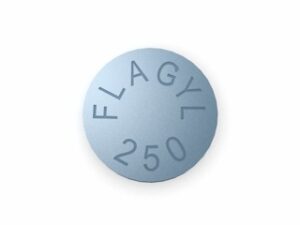
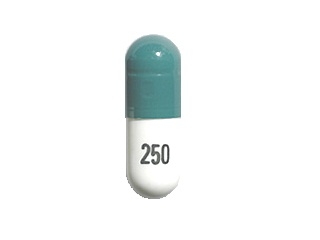
- Common forms: Tablets/capsules and oral suspensions (depending on brand)
- Typical use: Treating mild to moderate bacterial infections caused by susceptible bacteria
- Key requirement: Complete the full course as directed, even if you feel better
How Cephalexin Works (Mechanism of Action)
Cephalexin works by stopping bacteria from building a protective cell wall. Bacterial cell walls are essential for bacteria to survive and multiply. Cephalexin binds to penicillin-binding proteins (PBPs), which are involved in cell wall formation. Without a functioning cell wall, bacteria become unable to grow effectively and are destroyed by the body’s natural defences.
Cephalexin is most effective against bacteria that are susceptible to first-generation cephalosporins. It does not work against viral illnesses such as the common cold or influenza.
Pharmacokinetics (How the Body Processes It)
Pharmacokinetics describes what the body does to a medicine—absorption, distribution, metabolism, and excretion. While exact figures can vary slightly between individuals and formulations, cephalexin generally follows these patterns:
- Absorption: Taken by mouth, cephalexin is absorbed in the gastrointestinal tract.
- Peak levels: Blood concentrations typically rise within a few hours after a dose.
- Distribution: It distributes into body tissues and fluids, including sites relevant to common infections.
- Metabolism: Cephalexin is not extensively metabolised in the liver.
- Elimination: It is primarily excreted by the kidneys, so kidney function can influence how quickly it leaves the body.
Clinical implication: If you have reduced kidney function, dosing frequency or dose adjustments may be necessary to reduce the risk of side effects.
Typical Use: What Cephalexin Is Used For
Cephalexin is used for infections caused by susceptible bacteria. Common indications may include:
- Skin and soft tissue infections (for example, bacterial infections of the skin)
- Infections of the ear in some cases
- Respiratory tract infections such as certain throat infections, when caused by susceptible bacteria
- Urinary tract infections (UTIs) in susceptible organisms
- Bone infections in selected situations, based on clinician assessment
The most appropriate antibiotic depends on the likely bacteria, local resistance patterns, severity of illness, and your medical history (including allergy history). If symptoms do not improve or worsen, reassessment may be needed.
Timing and How to Take Cephalexin
Taking cephalexin at the right times helps maintain adequate levels in the body to fight bacteria. Many regimens are designed to be taken at evenly spaced intervals.
When to take doses
- Follow your dosing schedule exactly. If you take it every 6 hours, try to space doses evenly through the day and night.
- Set reminders if you struggle with regular timing.
- Do not stop early when you start to feel better—finishing the course reduces the risk of relapse and helps limit resistance.
What if you miss a dose?
- Take it as soon as you remember unless it’s close to the next dose.
- If it’s nearly time for the next dose, skip the missed dose.
- Do not take a double dose to catch up.
Food Interactions and Taking with Meals
Cephalexin can often be taken with or without food, depending on the formulation and how your stomach responds. If food helps you avoid nausea or stomach upset, taking it with a meal may improve comfort.
- General advice: Follow the instructions provided with your specific product.
- If it upsets your stomach: consider taking it with food or a snack (unless your pharmacist or label advises otherwise).
In most cases, cephalexin has limited clinically significant food interactions. However, always check your medicine label and ask a pharmacist if you are unsure.
Alcohol and Medicine Interactions
Many antibiotics do not have strong direct interactions with alcohol, but alcohol can still be a problem: it may worsen side effects such as nausea, dizziness, stomach irritation, or diarrhoea, and it can affect how well you feel while your body is fighting infection.
- Best practice: Avoid or minimise alcohol while taking cephalexin, especially if you have significant symptoms (fever, vomiting, dehydration, diarrhoea).
- Hydration matters: Drink water regularly, particularly if you’re having loose stools.
Regarding medicine interactions, cephalexin has a relatively straightforward profile, but you should still tell your healthcare professional if you take:
- Other antibiotics or medicines that affect gut bacteria
- Probenecid (may influence kidney handling of some antibiotics)
- Warfarin or other blood thinners (some antibiotics can influence bleeding risk in certain people—monitoring may be required)
- Medicines that affect kidneys (dose adjustments may be needed)
- Oral contraceptives: most antibiotics like cephalexin are not known to reliably reduce effectiveness, but severe diarrhoea or vomiting can reduce absorption of oral contraceptives.
Always ask a pharmacist or clinician for advice about interactions with your current medicines and supplements.
Indications: When Cephalexin May Be Considered
Cephalexin may be used when there is suspicion or confirmation of bacterial infection and the suspected bacteria are likely to be susceptible. The choice of antibiotic is influenced by:
- Site of infection (skin, throat, ear, urinary tract, etc.)
- Likely organism and local resistance patterns
- Severity and whether hospital care is needed
- Allergy history (especially allergies to penicillins or cephalosporins)
- Kidney function
If a clinician has arranged a sample test (such as urine or throat swab), results may later refine antibiotic choice.
Dosing: Usual Adult and Paediatric Approaches (General Information)
Dosing depends on the type of infection, severity, age, and kidney function. Specific dosing must follow the product label and healthcare directions. The information below is provided for understanding typical patterns.
| Group | Typical approach (general) | Notes |
|---|---|---|
| Adults | Commonly taken in divided doses over the day (e.g., several times daily) | Exact dose and frequency vary by infection and local guidance. |
| Children | Dosed based on body weight and infection type | Oral suspension dosing must be measured accurately using a proper measuring device. |
| Kidney impairment | May require dose adjustment or changes to dosing interval | Clinicians may adjust based on kidney function to reduce side effects. |
Important: Do not change the dose or stop early unless advised. If you are unsure whether your dose is appropriate, speak with a pharmacist.
Safety Profile: What to Expect and When to Seek Help
Common side effects
Many people tolerate cephalexin well, but side effects can occur. Common ones include:
- Nausea
- Vomiting
- Diarrhoea (mild, short-lived)
- Stomach discomfort
- Headache
- Skin rash (some rashes can be mild; others may signal allergy)
Serious side effects (seek urgent medical advice)
Stop taking the medicine and seek urgent help if you experience signs of a severe reaction, including:
- Allergic reaction such as swelling of the face/lips, trouble breathing, wheezing, or hives
- Severe or persistent diarrhoea, especially if watery or bloody, or with fever (could indicate antibiotic-associated colitis)
- Severe skin reactions such as blistering, peeling skin, or widespread rash with fever
- Yellowing of skin/eyes or severe tiredness (possible liver-related effects, less common)
- Unusual bruising or bleeding (rare)
Allergy and cross-reactions
Cephalexin is related to other beta-lactam antibiotics. If you have had an allergic reaction to:
- Penicillins
- Cephalosporins
- Other beta-lactam antibiotics
you should inform a healthcare professional. Mild non-allergic rashes and true allergic reactions are not the same—always get personalised advice.
If you have previously had a severe immediate allergy to a beta-lactam antibiotic, you may be at higher risk.
Practical Use Tips (Getting the Best Results)
- Finish the course: Even if symptoms improve, complete the recommended duration.
- Take at consistent times: Helps keep effective drug levels steady.
- Use proper dosing tools: For liquid formulations, use an oral syringe/measuring cup provided or approved for the product.
- Storage: Keep tablets/capsules and suspensions as directed on the label (some suspensions require refrigeration after reconstitution).
- Track improvement: Note changes in fever, pain, swelling, urinary symptoms, or rash.
- Seek review if not improving: If symptoms do not improve within a few days (or worsen), consult a clinician.
Reminder: Cephalexin treats bacterial infections. It does not relieve symptoms caused by viruses. If you have fever, severe pain, breathlessness, or signs of dehydration, seek medical care.
Alternative Options (What Might Be Used Instead)
Alternatives depend on the infection type, likely bacteria, severity, and your allergy history. Clinicians may consider other antibiotic options or, for certain conditions, different management approaches.
Possible alternative antibiotic categories (examples) may include:
- Other beta-lactams (depending on suitability and allergy history)
- Macrolides in some respiratory infections
- Clindamycin in selected skin/soft tissue infections (where appropriate)
- Trimethoprim-sulfamethoxazole in some urinary or skin infections depending on susceptibility
- Doxycycline in selected cases based on organism and risk factors
Non-antibiotic approaches may also be appropriate in some scenarios (e.g., supportive care, drainage of an abscess, topical treatments, or watchful waiting when infection is uncertain). The best alternative is determined by a healthcare professional after assessing your case.
Market & Legal Context for Australia (How Cephalexin Is Managed)
In Australia, antibiotic medicines are regulated to support safe and effective use. Australian health systems encourage:
- Appropriate antibiotic selection based on likely infection and susceptibility
- Antimicrobial stewardship to reduce resistance
- Patient safety, including allergy screening and monitoring of side effects
Antibiotics are used responsibly to limit the spread of antibiotic-resistant bacteria and protect public health. In many cases, cephalexin is supplied under structured clinical guidance and pharmacy processes.
Note: Online pharmacy availability can vary by product form, brand, and stock levels. Always check the product page and any required documentation or purchasing steps for the specific item.
Recent Guidance & Antimicrobial Stewardship (What to Know)
Australian and global guidance commonly emphasises:
- Use antibiotics only when bacterial infection is likely
- Choose the narrowest effective antibiotic when possible
- Review response to treatment and reassess if not improving
- Avoid unnecessary antibiotics for viral illnesses
- Complete prescribed courses to reduce relapse and resistance
If you have concerns about antibiotic use, ask a pharmacist or clinician. They can help you understand why an antibiotic is (or isn’t) appropriate for your symptoms.
Delivery, Availability, and Ordering (Australia)
Availability of cephalexin products may differ across brands, strengths, and dosage forms (tablets/capsules versus oral suspensions). When shopping online, you can typically expect:
- Product listings by strength and form
- Updated stock information on the website
- Packaging details, including expiry date and storage instructions
- Delivery timelines dependent on your location
Delivery times can vary due to courier schedules and local demand. Check the checkout page for:
- Estimated delivery date
- Shipping cost
- Regional availability
Storage on arrival: Refrigerate or store as directed—especially if you receive a prepared suspension.
FAQ (Frequently Asked Questions)
1) Is cephalexin effective for colds or the flu?
No. Colds and flu are caused by viruses, and cephalexin is an antibiotic that treats bacterial infections only. If symptoms are severe or you’re unsure, seek medical advice.
2) How soon should I feel better after starting cephalexin?
Many people begin to notice improvement within 1–3 days, depending on the infection. If you do not improve within a few days, or if symptoms worsen, contact a clinician or pharmacist for reassessment.
3) Can I take cephalexin with food?
In many cases, yes. If it upsets your stomach, taking it with food may help. Always follow the instructions provided with your specific product.
4) What should I do if I miss a dose?
Take it when you remember unless it’s close to the next dose. If it’s nearly time for the next dose, skip the missed dose. Do not take a double dose.
5) Can I drink alcohol while taking cephalexin?
It’s best to avoid or limit alcohol during treatment. Alcohol may worsen side effects and can interfere with recovery, especially if you have nausea, diarrhoea, or dehydration.
6) What if I get diarrhoea during treatment?
Mild diarrhoea can occur. However, seek urgent medical advice if diarrhoea is severe, persistent, or contains blood or mucus—particularly if you also have fever or significant abdominal pain.
7) Does cephalexin interact with my birth control pill?
Cephalexin is not generally known to reliably reduce the effectiveness of oral contraceptives. However, if you have severe diarrhoea or vomiting, absorption may be reduced. In that case, consider backup contraception and ask a pharmacist for guidance.
8) Who should be cautious with cephalexin?
People with a history of allergy to penicillins/cephalosporins, those with kidney problems, and those taking certain medications (such as blood thinners) should receive individualised advice.
9) Is cephalexin safe for children?
Cephalexin can be used in children when appropriate, with dosing based on weight and infection type. Use the measuring device supplied and follow the dosing instructions carefully.
10) What are “susceptible bacteria”?
Susceptible bacteria are germs that a particular antibiotic can effectively kill. If bacteria are resistant, cephalexin may not work well, which is one reason clinicians may adjust treatment if symptoms don’t improve.
Summary
Cephalexin is a first-generation cephalosporin antibiotic used to treat certain bacterial infections, including skin/soft tissue infections and other susceptible infections such as some urinary and respiratory conditions. It works by disrupting bacterial cell wall formation and is primarily eliminated by the kidneys.
- Take doses at the right times and finish the full course.
- Food usually does not prevent its action; taking with meals can help stomach upset.
- Seek urgent help for signs of allergy or severe diarrhoea.
- If symptoms do not improve, get reassessed—antibiotic effectiveness depends on the bacteria involved.
If you’d like, share the type of infection you’re treating and your cephalexin form/strength, and I can help you understand practical timing tips and what side effects to watch for.