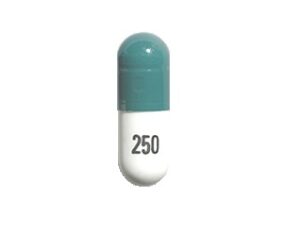
Levaquin (Levofloxacin) – Patient Information (Australia)
Levaquin contains levofloxacin, an antibiotic from the fluoroquinolone group. It is used to treat certain bacterial infections. This guide is written to be patient-friendly and helps you understand what the medicine does, how it works in the body, how it is usually taken, and what to watch for.
| Category | Details |
|---|---|
| Generic name | Levofloxacin |
| Brand name | Levaquin |
| Drug class | Fluoroquinolone antibiotic |
| How it works | Kills or stops growth of susceptible bacteria |
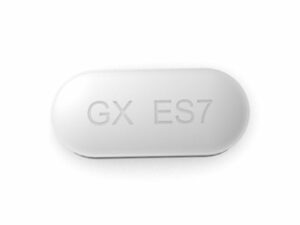
| Common forms | Tablets (strengths vary by product); oral solution in some markets |
| Typical dosing frequency | Often once daily for many indications |
Basic product information
Levaquin (levofloxacin) is a prescription antibiotic used for infections caused by susceptible bacteria. It is not effective against viruses such as the common cold or influenza.
What it’s used for depends on the type of infection and local clinical guidance. Many fluoroquinolones are reserved for specific situations because there are other antibiotics that may be suitable in many cases.
How Levaquin works (mechanism of action)
Levofloxacin works by interfering with bacterial enzymes that are essential for DNA replication and repair:
- DNA gyrase (topoisomerase II)
- Topoisomerase IV
By blocking these targets, levofloxacin inhibits bacterial growth and, depending on concentration and organism, can kill bacteria.
Key point: Levofloxacin is most effective when the bacteria causing your infection are susceptible to it.
Pharmacokinetics (how your body processes it)
Understanding pharmacokinetics can help explain typical dosing and timing.
- Absorption: Levofloxacin is absorbed after oral dosing. Availability varies if you take it with certain minerals (see “Food interactions”).
- Distribution: It distributes into many tissues and fluids, enabling treatment of infections in different body sites.
- Metabolism: Only a small fraction is metabolised. Most is excreted unchanged.
- Excretion: Primarily eliminated through the kidneys.
- Half-life: Its elimination half-life supports once-daily dosing in many regimens.
If you have kidney impairment, dosing adjustments may be needed because the medicine is cleared mainly by the kidneys.
Typical uses (indications)
Levofloxacin may be prescribed for certain bacterial infections, such as:
- Respiratory tract infections (for example, some cases of community-acquired pneumonia)
- Urinary tract infections (UTIs), including some complicated infections
- Prostatitis (bacterial inflammation of the prostate)
- Skin and soft tissue infections, when caused by susceptible bacteria
- Infections where levofloxacin is considered an appropriate option based on likely bacteria, severity, and treatment history
Use of fluoroquinolones may be more limited in some settings to reduce risks. Clinicians often choose the narrowest effective antibiotic whenever possible.
Timing: when to take it and how to space doses
Follow your healthcare professional’s instructions and the product label for your specific regimen.
Typical dosing schedule
- Once daily is common for many infections.
- If a twice-daily schedule is used, doses are usually spaced evenly (e.g., morning and evening).
With or without food
Levofloxacin can be taken with or without food. Food generally does not significantly reduce absorption, but some products (including mineral-containing supplements/antacids) can interfere (see below).
Missed dose
- Take the missed dose as soon as you remember.
- If it is close to the next dose, skip the missed dose and resume your usual schedule.
- Do not take a double dose to make up for the missed one.
Food and mineral interactions
Food itself is usually not a major issue, but certain minerals can reduce absorption, which may make treatment less effective.
Avoid taking close together with:
- Antacids containing aluminium or magnesium
- Sucralfate
- Iron supplements
- Zinc supplements or multivitamins with minerals
- Calcium supplements (especially calcium-fortified supplements)
Practical tip: Many regimens recommend separating levofloxacin from these by at least 2 hours before or 2 hours after (your pharmacist can advise based on your specific product and schedule). If unsure, separate doses and seek advice.
Alcohol interactions
There is no universally required “complete ban” on alcohol with levofloxacin, but caution is advised.
- Increased side effects: Alcohol may worsen common antibiotic side effects such as dizziness, headache, and nausea.
- Hydration: Alcohol can contribute to dehydration, which may make it harder to tolerate illness or recover.
Advice: If you choose to drink, keep it minimal and monitor how you feel. If you experience significant dizziness, confusion, or worsening stomach upset, avoid further alcohol and contact a healthcare professional.
Interactions with other medicines
Interactions can affect safety and effectiveness. Always inform your healthcare professional and pharmacist about all medicines and supplements you take.
Common interaction themes
- Antacids/metal-containing supplements (reduce absorption): separate timing.
- Warfarin and other anticoagulants (vitamin K antagonists): may increase bleeding risk; monitoring may be required.
- Corticosteroids (e.g., prednisolone): may increase risk of tendon injury.
- QT-prolonging medicines (certain antiarrhythmics and some antipsychotics/antidepressants): may increase risk of heart rhythm problems in susceptible individuals.
- Diabetes medicines (insulin and some tablets): fluoroquinolones can rarely affect blood glucose, causing hypo- or hyperglycaemia.
- Non-steroidal anti-inflammatory drugs (NSAIDs): may increase the risk of seizures in susceptible patients.
What to do
- Carry an up-to-date list of your medicines.
- Ask about spacing instructions for supplements and antacids.
- If you develop unusual bruising/bleeding, fainting, severe palpitations, severe dizziness, or symptoms of low/high blood sugar, seek urgent medical advice.
Dosing: what patients should know
Dose depends on the type of infection, severity, kidney function, and treatment history.
Common dosing patterns (examples)
Clinicians may use different strengths and durations. Some regimens are commonly once daily and can vary in length from several days to longer courses depending on indication and clinical response.
Important: Do not use dosing information here to decide your own dose. Your dosing should match your prescribed regimen and product strength.
Kidney function considerations
Because levofloxacin is mainly removed by the kidneys, reduced kidney function may require a lower dose or longer interval between doses. This helps reduce the risk of side effects.
Duration of treatment
Antibiotics should be taken for the recommended duration. Even if you feel better, finishing the course helps reduce the risk of relapse and resistance.
Safety profile: what to watch for
Like all medicines, Levaquin can cause side effects. Many are mild, but some can be serious. If you have concerns, speak with a healthcare professional promptly.
Common side effects
- Nausea
- Diarrhoea
- Headache
- Dizziness
- Difficulty sleeping or unusual dreams
- Stomach upset
Serious side effects (seek urgent help)
- Allergic reaction: swelling of face/lips, rash with breathing difficulty, severe hives
- Tendon injury or rupture (more likely with older age and corticosteroid use): pain, swelling, or a “snap” in a tendon (often Achilles). Stop the medicine and seek urgent advice if this occurs.
- Nerve symptoms (peripheral neuropathy): burning, tingling, numbness, or weakness, especially if progressive
- Severe diarrhoea or diarrhoea with blood/mucus, fever, or severe abdominal cramps (possible antibiotic-associated colitis)
- Seizures or severe confusion
- Heart rhythm symptoms: fainting, severe palpitations, or sudden dizziness
- Blood sugar problems in some people: sweating, shakiness, confusion, or unusual drowsiness
Skin reactions: Rarely, severe skin reactions can occur (e.g., blistering or widespread rash). Seek urgent care if you develop severe rash, blistering, or sores in the mouth/eyes.
Who needs extra caution
- Older adults
- People taking corticosteroids
- People with a history of tendon disorders
- People with known problems with heart rhythm or certain heart conditions
- People with kidney impairment
- People with a history of seizures
Practical use tips (to get the best outcome)
- Take at the same time each day if once daily; this helps maintain effective drug levels.
- Hydrate and take with water. If the tablet causes stomach upset, take with food.
- Separate mineral/antacid products (antacids, iron, zinc, magnesium/aluminium) from levofloxacin as advised by your pharmacist.
- Don’t skip doses unless you’re told to stop due to side effects.
- Protect your skin from sun/UV if you notice unusual sensitivity (fluoroquinolones may rarely increase photosensitivity). Use sunscreen and cover up when exposed.
- Avoid strenuous activity if you develop tendon pain. Stop and seek medical advice if symptoms appear.
- Keep an eye on new symptoms during the course—especially nerve symptoms, tendon pain, severe diarrhoea, or allergic signs.
Alternative options
Not every infection requires a fluoroquinolone. Depending on your diagnosis and local guidance, alternatives may include other antibiotics or targeted therapies.
Examples of alternative antibiotic classes (chosen by clinicians based on infection type)
- Penicillins (e.g., amoxicillin-related antibiotics, sometimes combined)
- Cephalosporins
- Macrolides (e.g., azithromycin)
- Tetracyclines (e.g., doxycycline) for certain bacterial causes
- Trimethoprim-sulfamethoxazole for some UTIs (where appropriate)
- Other fluoroquinolones may be considered in select circumstances, but risks may be similar across the class
The “best” alternative depends on the suspected or confirmed bacteria, antibiotic susceptibility, site of infection, severity, and your medical history (including allergies and kidney function).
Levaquin in Australia: market and legal context
In Australia, antibiotics including levofloxacin are regulated medicines and are supplied through appropriate channels. Availability and product forms can vary by brand and supply arrangements.
Fluoroquinolones are widely used worldwide but are also subject to antimicrobial stewardship—meaning they should be used only when there is a clear benefit, to help reduce antimicrobial resistance and avoid unnecessary exposure to risks.
Australia’s healthcare approach: Clinicians follow evidence-based prescribing guidance, local formularies, and antimicrobial stewardship principles. This often encourages:
- Choosing the narrowest effective antibiotic
- Using antibiotics for the shortest appropriate duration
- Considering alternatives when risk factors for fluoroquinolone side effects are present
Recent guidance and evolving safety messages
Across many countries, including Australia, regulatory and clinical guidance for fluoroquinolones has emphasised awareness of rare but important adverse effects—particularly:
- Tendon disorders
- Nerve damage symptoms
- Central nervous system effects (such as seizures in susceptible individuals)
- Heart rhythm effects in people with risk factors
For patients, the practical takeaway is to report new symptoms promptly and not to ignore warning signs. If you develop tendon pain, numbness/tingling, severe allergic symptoms, or severe diarrhoea, seek medical advice as soon as possible.
Delivery and availability (online pharmacy information)
Availability can vary based on supply, strength, and dosage form. When ordering online, ensure you select the correct brand and strength that matches your medication plan.
What to check before checkout:
- Product strength (e.g., mg per tablet)
- Pack size (number of tablets/volume)
- Expiry date and storage requirements (typically store at room temperature, away from moisture and heat)
Shipping: Delivery times depend on your location and local courier service. Some pharmacies may offer standard and express delivery options. You’ll usually receive tracking updates if provided.
Storage at home: Keep out of reach of children and store as directed on the packaging. Avoid leaving tablets in hot cars or bathrooms with steam.
FAQ
1) Is Levaquin effective for colds or flu?
No. Levofloxacin is an antibiotic that works against bacteria, not viruses. It will not treat viral infections like colds or influenza.
2) How quickly will I feel better?
Some people notice improvement within 24–48 hours, depending on the infection. If symptoms do not improve, worsen, or new symptoms develop, contact a healthcare professional.
3) Can I take Levaquin with dairy or calcium?
Dairy foods typically do not significantly interfere. However, calcium supplements or mineral-containing products may reduce absorption if taken too close to the dose. Separate levofloxacin from supplements/antacids as advised by your pharmacist (often 2+ hours before or after).
4) Can I drive or operate machinery?
Levofloxacin may cause dizziness or other nervous system effects in some people. Until you know how it affects you, use caution with driving or operating machinery—especially if you feel unwell.
5) What should I do if I miss a dose?
Take it when you remember unless it is close to the next scheduled dose. Skip the missed dose if you are near the next dose, and do not double up.
6) Should I avoid sunlight?
While not everyone experiences photosensitivity, it’s sensible to reduce sun exposure during treatment. Use sunscreen and protective clothing if you are going outside.
7) Is alcohol allowed?
Moderate alcohol is not always strictly prohibited, but alcohol may worsen side effects like dizziness and nausea. Keep it minimal and stop if you feel unwell. If you have concerns, seek advice.
8) What if I get tendon pain?
Stop the medicine and seek prompt medical advice for tendon pain, swelling, or difficulty moving the affected area—particularly for the Achilles tendon. Tendon injury can be serious.
9) Can I take other medicines at the same time?
Some medicines and supplements interact with levofloxacin. Tell your pharmacist about all medicines you use, including antacids, supplements, anticoagulants, steroids, diabetes medicines, and medicines that affect heart rhythm.
10) What are the signs of a serious allergic reaction?
Seek urgent help if you develop swelling of the face/lips, trouble breathing, wheezing, severe hives, or a widespread rash.
Summary
Levaquin (levofloxacin) is an oral fluoroquinolone antibiotic used for certain bacterial infections. It works by blocking enzymes needed for bacterial DNA replication. Its dosing and safety depend on the infection type, kidney function, and your overall risk factors. Take it consistently, separate it from mineral-containing products, and seek prompt medical advice if you experience warning signs such as tendon pain, severe diarrhoea, nerve symptoms, or allergic reactions.
If you have questions about how to take Levaquin with your current medicines or supplements, your pharmacist can help you plan the safest timing.