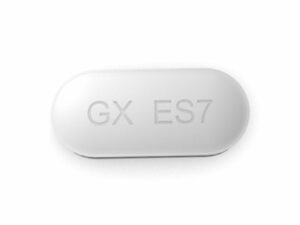
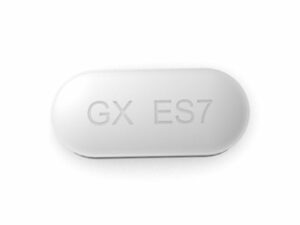
Vibramycin (Doxycycline) – Patient Information (Australia)
Vibramycin contains doxycycline, an antibiotic in the tetracycline group. It is used to treat a range of bacterial infections and some inflammatory conditions caused by bacteria. This guide explains how it works, how to take it safely, common side effects, important interactions, and practical tips to help you get the best results.
Always read the product label and any instructions provided with your medicine. If you are unsure whether Vibramycin is suitable for you, speak with a pharmacist or other healthcare professional.
Basic product information
- Brand name: Vibramycin
- Active ingredient: Doxycycline
- Medicine type: Antibiotic (tetracycline)
- How it is usually supplied: Tablets or capsules (varies by product/strength)
- Strengths: Common strengths include 100 mg (availability may vary)
Note: Different formulations and strengths may exist. Your exact dosing instructions depend on the condition being treated and your individual circumstances.
How Vibramycin (doxycycline) works
Doxycycline works by interfering with the ability of bacteria to make essential proteins. Specifically, it binds to the 30S ribosomal subunit, which inhibits protein synthesis. Without proper protein production, bacteria cannot grow and multiply effectively, allowing your immune system to clear the infection.
Because it acts against susceptible bacteria, it’s important to use doxycycline only for conditions where it is appropriate. Unnecessary use can contribute to antibiotic resistance.
Pharmacokinetics (how the body processes it)
Pharmacokinetics describes what the body does to the medicine—absorption, distribution, metabolism, and elimination.
Absorption
- Absorbed in the stomach and small intestine.
- Generally, doxycycline absorption can be affected by certain substances, particularly those containing minerals such as calcium, iron, magnesium, aluminium, and zinc.
- Taking it with water and following timing instructions can help reduce stomach irritation.
Distribution
- Doxycycline distributes into many body tissues, including respiratory tissues, skin, and some sites involved in certain infections.
- It may concentrate in areas where susceptible bacteria are present.
Metabolism and elimination
- Doxycycline is eliminated partly through the kidneys and partly through the gastrointestinal tract (biliary/faecal route).
- In many patients, it has relatively predictable clearance, but dose adjustments may be needed for certain individuals depending on severity and clinician advice.
Clinical takeaway: Adhering to dosing and spacing from interacting products improves absorption and helps maintain effectiveness.
What Vibramycin is used for (indications)
Doxycycline is used for various bacterial infections, including:
- Respiratory tract infections caused by susceptible bacteria
- Skin and soft tissue infections where doxycycline is appropriate
- Sexually transmitted or genital infections caused by susceptible organisms (depending on local guidance and organism sensitivity)
- Some tick-borne infections as advised by healthcare professionals
- Acne and other inflammatory conditions where bacterial involvement is suspected (often for certain types of acne)
- Preventive use in certain travel or exposure circumstances may be considered for specific risks (follow official travel advice and clinician guidance)
Important: Not all infections respond to doxycycline. The choice depends on the organism, the infection site, and local resistance patterns.
Typical dosing and timing
Dosing depends on the condition being treated, your age, kidney/liver health, and other factors. Below are general dosing examples used in common clinical practice; your specific instructions may differ.
Adults (general examples)
- Most common adult dosing: often 100 mg once or twice daily depending on the indication and severity.
- Some conditions use a higher initial dose followed by a maintenance dose.
Children
Doxycycline use in children requires careful consideration and should follow official guidance for age and indication. Doxycycline can affect teeth and bone development in certain circumstances, so dosing must be clinician-directed.
How to take it
- Take with a full glass of water (at least 200 mL).
- Stay upright (sitting or standing) for at least 30 minutes after swallowing.
- Use consistently at the times you were instructed.
Timing tips:
- If you take it twice daily, try to space doses roughly 12 hours apart.
- If you take it once daily, choose a consistent time each day.
- Complete the full course, even if you feel better—stopping early can allow infection to return.
Food and drink interactions
Doxycycline can be taken with food to reduce stomach discomfort. However, some foods and supplements can reduce absorption.
Generally okay with meals
- Taking doxycycline with food is usually acceptable and may improve tolerance.
Be careful with mineral-rich products
Minerals can bind doxycycline in the gut and reduce absorption. Avoid taking these at the same time as your dose:
- Antacids containing aluminium, magnesium
- Iron supplements
- Calcium supplements
- Magnesium supplements
- Zinc supplements
- Some dairy-based drinks or high-calcium meal supplements (small amounts of dairy in a normal meal are usually less problematic than concentrated supplements)
Practical approach: Separate doxycycline from these products by at least 2 hours before or 4–6 hours after (follow product instructions and pharmacist advice).
Alcohol interactions
Moderate alcohol use does not always directly counteract doxycycline. However, alcohol can:
- Increase stomach irritation, which may worsen nausea or reflux
- Reduce treatment adherence by making side effects feel worse
- Potentially increase liver stress in some people, especially with heavy or long-term alcohol intake
Recommendation: It’s best to avoid or limit alcohol while taking antibiotics, particularly if you notice stomach upset, dizziness, or unusual fatigue.
Interactions with other medicines (important safety notes)
Some medicines can affect doxycycline levels or increase side effects. Let your pharmacist know about everything you take, including herbal products and vitamins.
Medicines that may reduce doxycycline effectiveness
- Antacids and mineral supplements (calcium, iron, magnesium, aluminium, zinc)
- Oral retinoids (e.g., isotretinoin): increased risk of certain neurologic side effects (see below)
- Enzyme-inducing drugs such as some anti-seizure medications may reduce antibiotic levels
Medicines that may increase risk of side effects
- Other medicines associated with oesophageal irritation or reflux may increase discomfort
- Blood thinners (warfarin): antibiotics can change gut bacteria and influence blood clotting; closer monitoring may be needed
- Diabetes medicines: rare changes in blood sugar control have been reported with tetracyclines; monitor as advised
- Alcohol + certain medicines: may worsen dizziness or stomach irritation
Hormonal contraception
If you use combined oral contraceptives, it’s important to consider whether doxycycline affects your contraceptive reliability. While the interaction risk is generally considered lower than for some other antibiotics, stomach upset (vomiting/diarrhoea) from any cause can reduce absorption of oral contraceptives. If you have persistent diarrhoea or vomiting, consider additional barrier protection and seek advice.
Always seek advice if you’re concerned about interactions with your specific medicines.
Safety profile and common side effects
Like all medicines, Vibramycin can cause side effects. Many are mild and improve as your body adjusts, but some require urgent attention.
Common side effects
- Nausea
- Stomach discomfort or indigestion
- Diarrhoea
- Headache
- Vaginal itching/discharge or other yeast-related symptoms (in some cases)
- Sensitivity to sunlight (photosensitivity)
Serious but less common side effects – seek urgent help
Stop taking the medicine and seek urgent medical help if you experience:
- Signs of an allergic reaction: swelling of face/lips, hives, trouble breathing
- Severe or persistent diarrhoea, especially if watery or with blood/mucus (possible antibiotic-associated colitis)
- Severe skin reactions (rash with blisters, peeling skin, mouth sores)
- Severe headache with vision changes, dizziness, or vomiting (rare but important; can indicate increased intracranial pressure)
- Chest pain or difficulty swallowing (possible oesophageal irritation)
- Yellowing of eyes/skin or dark urine (possible liver issues)
Photosensitivity (sun sensitivity)
Doxycycline can make your skin more sensitive to sunlight. To reduce risk:
- Avoid prolonged sun exposure
- Use SPF 50+ sunscreen
- Wear protective clothing and a hat
- Be cautious with sunlamps and tanning beds
Practical tips for taking Vibramycin
- Take with plenty of water to reduce oesophageal irritation.
- Remain upright for at least 30 minutes after each dose.
- Use a consistent schedule to maintain steady antibiotic levels.
- Complete the course even if symptoms improve.
- Manage stomach upset by taking with food if permitted for your product and condition.
- Separate minerals (iron, calcium, magnesium, zinc) from your doxycycline dose.
- Protect from sunlight during treatment.
- Stay hydrated, especially if you experience diarrhoea.
If you miss a dose
- Take it as soon as you remember unless it’s close to your next dose.
- If it is nearly time for the next dose, skip
- Do not double doses to make up for a missed one.
If you miss doses frequently or are unsure what to do, contact a pharmacist for advice.
Alternative options (depending on the infection)
Several antibiotic choices exist, depending on the specific bacteria and site of infection. The most suitable alternative depends on allergies, pregnancy/breastfeeding status, local resistance patterns, and severity.
Common alternatives (examples only—availability and suitability vary) may include:
- Amoxicillin (or other penicillins/combination options)
- Azithromycin
- Clindamycin (for selected infections)
- Cefalexin (for certain bacterial infections)
- Tetracycline-class alternatives (e.g., minocycline) for some indications like acne
Why alternatives matter: Some organisms may be resistant to doxycycline, while others respond well. Always use antibiotics that are appropriate for your diagnosis.
Market and legal context in Australia
In Australia, supply of medicines is regulated under the Therapeutic Goods Administration (TGA) framework and state/territory medicines legislation. The availability of antibiotics can vary based on whether the specific product is scheduled and the rules for how it is supplied online.
Online pharmacies generally provide access to medicines in a way that complies with Australian requirements for:
- Appropriate customer screening
- Verification of medicine eligibility for the relevant condition
- Safe dispensing processes and supply documentation
- Clear labelling and consumer medicine information
If you’re shopping online, choose reputable sellers that comply with Australian regulations and provide clear information on the medicine, strength, expiry date, and delivery options.
Recent guidance and antimicrobial stewardship
Antibiotic guidance continues to emphasise appropriate use and antimicrobial stewardship. Key principles include:
- Use antibiotics only when they are likely to be effective for the suspected or confirmed cause.
- Follow the prescribed dose and duration to reduce the risk of treatment failure and resistance.
- Avoid sharing antibiotics and do not use leftover antibiotics for a new illness.
- Seek clinical advice if symptoms do not improve or worsen.
Local clinical guidelines and monitoring programs may influence antibiotic selection and duration for different conditions.
Delivery and availability (online pharmacy)
Availability of Vibramycin (doxycycline) can vary by strength and formulation. Reliable online pharmacies typically offer:
- Clear stock visibility for the selected strength and pack size
- Estimated delivery timeframes based on your location
- Discreet packaging and tracking options (where offered)
- Proper storage information for the product
Delivery tip: Plan dosing so the supply arrives before you finish your current course. If you’re nearing the end of your treatment, contact the pharmacy early to avoid delays.
Storage information
- Store according to the product label (commonly at room temperature).
- Keep away from excessive heat and moisture.
- Keep out of reach of children.
- Do not use after the expiry date on the pack.
FAQ
1) Is Vibramycin the same as doxycycline?
Yes. Vibramycin is a brand name that contains the antibiotic doxycycline. Different brands or generics may contain the same active ingredient.
2) How long does it take to start working?
Many people begin to feel better within 24–72 hours, depending on the infection. If symptoms do not improve within a few days, or if they worsen, contact a healthcare professional for advice.
3) Can I take Vibramycin with food?
Often, yes. Taking it with food may reduce nausea. However, avoid taking it at the same time as mineral supplements or antacids, as these can reduce absorption.
4) What should I do if I get heartburn or trouble swallowing?
Oesophageal irritation can occur. Take the dose with a full glass of water and remain upright for at least 30 minutes. If swallowing becomes difficult, or pain in the chest occurs, seek medical advice promptly.
5) Can I drink alcohol while taking doxycycline?
It’s usually safer to limit alcohol. Alcohol may worsen stomach upset and can increase side-effect discomfort. If you choose to drink, do so moderately and avoid heavy drinking during treatment.
6) Will doxycycline reduce the effectiveness of birth control pills?
The interaction is not typically as strong as with some other antibiotics. However, if you have vomiting or severe diarrhoea, absorption of oral contraceptives may be reduced. Consider additional barrier protection and seek advice if GI symptoms occur.
7) Is doxycycline safe for everyone?
No. Doxycycline may not be suitable for people with certain allergies or specific medical conditions. It may be used with caution in some circumstances. If you have liver disease, kidney disease, a history of severe allergies, or you are pregnant/breastfeeding, seek professional advice.
8) Can I take it if I’m sun-sensitive?
Use extra sun protection. Doxycycline can cause photosensitivity, which may lead to severe sunburn. Avoid prolonged sun exposure and use SPF 50+ sunscreen and protective clothing.
9) What if I need to take iron, calcium, or antacids?
Separate them from doxycycline. A common approach is taking minerals at least 2 hours before or 4–6 hours after doxycycline. Ask a pharmacist for personalised timing based on your schedule and product instructions.
10) When should I stop and get urgent help?
Seek urgent medical help for possible allergic reactions, severe diarrhoea (especially with blood/mucus), severe skin reactions, persistent severe headache with vision changes, or signs of liver problems.
Summary
Vibramycin (doxycycline) is an antibiotic used for a variety of bacterial infections and some related conditions. It works by inhibiting bacterial protein production. To use it effectively and safely, take it with water, remain upright after swallowing, avoid taking minerals/antacids at the same time, and protect your skin from sunlight. If you experience severe side effects or your condition does not improve, seek medical advice promptly.