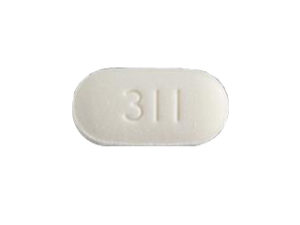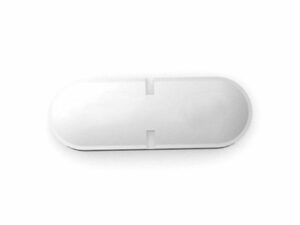


Rulide (Roxithromycin) — Patient Information for Australia
Rulide is a brand of roxithromycin, an antibiotic medicine used to treat certain bacterial infections. This guide is written to help you understand what Rulide is, how it works, how it’s typically taken, what to watch for, and when to seek medical advice. Always follow the instructions provided with your medicine and consult a healthcare professional for advice tailored to you.
Quick Overview
- Medicine: Rulide (roxithromycin)
- Class: Macrolide antibiotic
- Used for: Selected bacterial infections (depending on local guidance and susceptibility)
- How it’s taken: Usually oral tablets (exact schedule depends on the dose prescribed)
- Key tips: Complete the course, don’t skip doses, and take it consistently as directed
Basic Product Information
Roxithromycin belongs to the macrolide family of antibiotics. It works against a range of bacteria by stopping them from making the proteins they need to grow and multiply.
In Australia, availability and formulation may vary by supplier and brand packaging. Your pharmacist can confirm the exact product strength and presentation you’re receiving.
Common Form
- Oral tablets (strength depending on product/pack)
How Rulide Works (Mechanism of Action)
Roxithromycin targets bacterial protein synthesis. It binds to the bacterial 50S ribosomal subunit, interfering with the formation of proteins essential for bacterial growth.
In practical terms, this leads to either:
- Bacteriostatic activity (slows bacterial growth) at certain concentrations, and in some cases
- Bactericidal effects depending on the organism and conditions
Rulide is most effective when the infection is caused by susceptible bacteria. If symptoms don’t improve or worsen, further medical assessment may be needed.
Pharmacokinetics (How the Body Handles It)
Pharmacokinetics describes how the body absorbs, distributes, metabolises, and eliminates a medicine. While exact numbers can vary between individuals, the general pattern for roxithromycin includes:
- Absorption: Roxithromycin is absorbed after oral dosing.
- Distribution: It distributes into body tissues, including sites relevant to common respiratory and skin infections.
- Metabolism: It undergoes partial metabolism in the liver and other pathways.
- Excretion: It is eliminated mainly through the liver/bile route and partially through the kidneys.
- Half-life: Supports dosing schedules that often use once or twice daily regimens (depending on the prescribed dose and infection type).
For best results, maintain stable dosing intervals. If you miss a dose, follow the “missed dose” guidance in your medication instructions or ask your pharmacist.
Typical Uses (Indications)
Rulide is used for infections where a macrolide antibiotic is considered appropriate, based on the likely bacteria involved, susceptibility patterns, and clinical judgement.
Typical indications may include infections such as:
- Upper and lower respiratory tract infections (for example, certain cases of bacterial sinusitis, bronchitis, or pneumonia where appropriate)
- Skin and soft tissue infections caused by susceptible bacteria
- Other specific bacterial infections as determined by local clinical guidelines and antibiotic susceptibility
Antibiotic choice depends on many factors, including allergy history, local resistance patterns, drug interactions, and the severity of illness. Your healthcare professional will consider these before selecting roxithromycin.
Timing and How to Take Rulide
General Timing
Many regimens aim for consistent dosing throughout the day. Follow your provided directions exactly. If you are taking it once daily or twice daily, try to take doses at similar times each day to maintain effective drug levels.
What to Do If You Miss a Dose
- If you remember soon after: take it when you remember.
- If it’s close to the next dose: skip the missed dose and continue with your next scheduled dose.
- Do not double up: avoid taking extra doses to make up for a missed one.
Completing the Course
Even if you feel better, continue taking Rulide for the full duration instructed. Stopping early can allow bacteria to survive and may contribute to recurrence or antibiotic resistance.
Food Interactions (Can You Take Rulide With Meals?)
Food can influence how some antibiotics are absorbed. With roxithromycin, the effect of food is generally manageable, but it’s still wise to follow product instructions and the advice of your pharmacist.
- Common approach: Take as directed on the label.
- Consistency matters: if you’ve started taking it with food, try to keep doing that unless advised otherwise.
- Stomach upset: If you experience nausea or stomach discomfort, taking it with food may help.
If your medicine’s consumer information leaflets specify “with or without food,” follow that specific guidance.
Alcohol and Medicine Interactions
Alcohol
Moderate alcohol intake is not always strictly contraindicated with antibiotics, but alcohol can worsen side effects such as:
- nausea and vomiting
- stomach upset
- fatigue and reduced recovery
For the best chance of tolerating treatment well, consider avoiding alcohol during the antibiotic course or limiting it while you recover.
Interactions With Other Medicines
Roxithromycin can interact with certain medicines, particularly those affecting heart rhythm or metabolised through pathways that may be influenced by macrolides. Always tell your pharmacist about all medicines you use, including over-the-counter products, vitamins, herbal supplements, and any “as needed” medicines.
Examples of medicine categories that may require extra caution include:
- Medicines that affect heart rhythm (QT prolongation risk)
- Other antibiotics where combination therapy may or may not be appropriate
- Warfarin or other anticoagulants (monitoring may be needed)
- Some cholesterol medicines (statins) (rare muscle-related side effects can be a concern with certain antibiotic combinations)
- Drugs metabolised by liver enzymes where macrolides can affect levels
- Antiepileptic medicines or other long-term therapies
This is not an exhaustive list. Your pharmacist can check potential interactions based on your specific medication list.
Dosing (How Much and How Often)
Dosing depends on factors such as the infection being treated, severity, age, kidney/liver function, and local prescribing protocols. Use the dose and schedule provided with your medicine.
Because formulations and prescriber instructions vary, it’s safest to follow the dosing directions on the packaging or those provided by your healthcare professional.
Important Dosing Safety Notes
- Use the exact strength provided (don’t mix doses from different tablet strengths).
- Maintain the planned interval between doses.
- Adjustments may be needed if you have liver problems or other medical conditions.
- Children: dosing is typically weight/age-based and must be determined by a clinician.
If you’re unsure about how to take your prescribed dose, ask your pharmacist for clarification.
Safety Profile: Side Effects and When to Seek Help
Common Side Effects
Many people tolerate roxithromycin well. However, like all medicines, it can cause side effects. Common or expected effects include:
- Nausea
- Vomiting
- Diarrhoea or loose stools
- Abdominal discomfort
- Headache
- Rash (may occur in some individuals)
Serious Side Effects — Seek Urgent Medical Advice
Contact a healthcare professional urgently (or seek emergency care) if you experience:
- Signs of an allergic reaction such as swelling of the face/lips, difficulty breathing, severe rash, or hives
- Severe or persistent diarrhoea, especially if watery or bloody, or with fever (possible antibiotic-associated colitis)
- Yellowing of the skin/eyes (jaundice), dark urine, or severe fatigue (possible liver-related problems)
- Severe dizziness, fainting, palpitations, or symptoms suggesting abnormal heart rhythm
- Muscle pain/weakness especially if you’re also on certain cholesterol-lowering medicines
Who Should Be Extra Careful?
- People with a history of macrolide allergy
- People with liver disease
- People with known heart rhythm problems or who take medicines affecting heart rhythm
- People who have previously had antibiotic-associated bowel issues
- People who are pregnant, planning pregnancy, or breastfeeding should discuss suitability and risks with a clinician
Practical Use Tips (Get the Best Results)
- Take at consistent times: set reminders if needed.
- Finish the course: don’t stop when symptoms improve.
- Hydrate: especially if you’re experiencing mild diarrhoea or illness-related dehydration.
- Watch for worsening: if fever persists beyond expectations, breathing worsens, or pain escalates, seek medical advice.
- Use supportive care: fluids, rest, and symptomatic treatment (e.g., paracetamol/acetaminophen for fever/pain) may help while the antibiotic works—confirm suitability with your pharmacist.
- Keep an eye on side effects: mild upset can often be managed; severe or persistent symptoms should be assessed promptly.
- Avoid unnecessary antibiotics: antibiotic effectiveness depends on correct diagnosis and susceptible bacteria.
Alternative Options
If Rulide is not suitable—due to allergy, side effects, interactions, or suspected resistance—health professionals may consider alternative antibiotics depending on the infection and organism.
Examples of alternatives (chosen based on clinical context) may include:
- Other macrolides (for example, azithromycin or clarithromycin in suitable cases)
- Penicillins (if appropriate and not contraindicated)
- Cephalosporins (depending on severity and bacterial susceptibility)
- Doxycycline or other options for specific infections
The “best” alternative depends entirely on the diagnosis. Do not switch antibiotics on your own—ask a clinician or pharmacist for guidance.
Market and Legal Context in Australia
In Australia, antibiotics are medicines regulated to help ensure they are used safely and appropriately. Antibiotics should be prescribed or supplied in line with Australian pharmaceutical and prescribing frameworks, and patients are expected to follow the instructions provided.
Rulide (roxithromycin) is an established antibiotic medicine. Availability can vary depending on stock levels, packaging, and supplier. Your pharmacist can confirm current listing status for the specific strength you need.
Australia also has ongoing initiatives to combat antimicrobial resistance. These include promoting appropriate antibiotic prescribing, patient adherence, and stewardship programs.
Recent Guidance and Antibiotic Stewardship (What Matters Now)
Antibiotic stewardship focuses on using the right antibiotic at the right time for the right duration. Over recent years, global and local guidance has increasingly emphasised:
- Only use antibiotics when bacterial infection is likely
- Choose antibiotics based on local susceptibility patterns
- Avoid unnecessary broad-spectrum treatment
- Review treatment if there’s no improvement within expected timeframes
- Use correct duration to reduce resistance risk and side effects
If symptoms don’t improve as expected, it’s important to seek advice rather than continuing or changing antibiotics without guidance.
Delivery and Availability (Online Pharmacy Expectations in Australia)
When purchasing antibiotics online in Australia, reputable pharmacies typically provide:
- Clear product details (brand, strength, form, quantity)
- Delivery estimates and tracking options
- Discreet packaging where permitted
- Pharmacist support to answer questions about how to take the medicine and check interactions
Availability can be affected by supply changes and demand. If Rulide is temporarily unavailable, your pharmacy may offer an alternative that is clinically appropriate and matches your needs.
Delivery timeframes vary by location within Australia and by courier service. Check the site for current estimated dispatch and shipping periods.
Product Details at a Glance
| Category | Information |
|---|---|
| Brand | Rulide |
| Active ingredient | Roxithromycin |
| Medicinal class | Macrolide antibiotic |
| Typical route | Oral |
| Common uses | Certain bacterial respiratory, skin, and other susceptible infections |
| Key action | Inhibits bacterial protein synthesis |
| Food | Follow specific leaflet/label instructions; food may help reduce stomach upset |
| Alcohol | Not ideal; may worsen side effects and recovery |
| Major cautions | Allergy, severe diarrhoea, liver issues, potential heart rhythm effects, interactions |
FAQ: Common Questions About Rulide (Roxithromycin)
1) What is Rulide used for?
Rulide (roxithromycin) is an antibiotic used for infections caused by bacteria that are susceptible to macrolides. It may be used for certain respiratory and skin infections depending on clinical assessment and local susceptibility patterns.
2) How long will it take to start working?
Many patients begin to notice symptom improvement within 24–48 hours. If there’s no improvement after a reasonable timeframe, or if symptoms worsen, contact a healthcare professional for review.
3) Can I take Rulide with food?
Follow the instructions on the packaging or the patient information leaflet. If you experience nausea, taking it with food may make it more comfortable for some people.
4) Is it safe to drink alcohol while taking Rulide?
It’s usually best to avoid or limit alcohol during the course because alcohol can worsen side effects like nausea and can delay recovery. If you choose to drink, do so cautiously and monitor how you feel.
5) What should I do if I miss a dose?
Take it when you remember if it’s not close to the next dose. If the next dose is near, skip the missed one. Do not double up.
6) What side effects are normal?
Mild stomach upset (nausea, diarrhoea), abdominal discomfort, headache, or mild rash can occur. Seek advice if side effects are severe, persistent, or you develop symptoms suggesting an allergic reaction.
7) When should I seek urgent help?
Seek urgent medical care for signs of allergy (swelling, breathing difficulty, severe rash), severe/persistent diarrhoea, jaundice, fainting/palpitations, or other alarming symptoms.
8) Can Rulide interact with other medications?
Yes. Some medicines can interact with roxithromycin, including certain heart rhythm medicines and drugs affected by liver metabolism. Provide your full medication list to your pharmacist for a safety check.
9) Can I stop taking Rulide once I feel better?
Do not stop early unless advised by a healthcare professional. Completing the full course helps reduce the chance of relapse and resistance.
10) What if my symptoms improve but then come back?
If symptoms return after finishing the course, you should seek medical advice. The infection may not have fully cleared, or it may be a different issue requiring evaluation.
When to Speak to a Pharmacist or Doctor
If you have questions about whether roxithromycin is appropriate for your condition, if you’re unsure about dosing, if you have a history of allergies, heart rhythm issues, liver disease, or if you’re taking multiple medicines, speak to a pharmacist or clinician. Early clarification can help ensure safer and more effective treatment.
If your symptoms are severe, rapidly worsening, or associated with high fever, breathing difficulty, dehydration, or severe pain, seek urgent medical assessment.