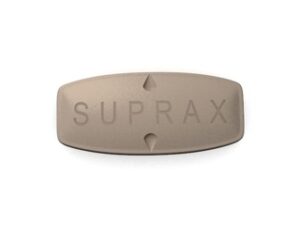



Rifaximin (Rifaximin) — Patient-Friendly Guide (Australia)
Rifaximin is an antibiotic medicine used to treat certain gut-related conditions. It works mainly within the intestines, with very limited absorption into the bloodstream. This makes it a popular option in specific situations such as some forms of diarrhoea linked to intestinal imbalance, and some bowel infections and complications.
This page provides an easy-to-read overview of what rifaximin is, how it works, how it’s taken, important interactions and safety information, and what to expect in Australia.
Basic product information
- Medicine name: Rifaximin
- Type: Antibiotic (rifamycin-class)
- How it acts: Targets bacterial RNA synthesis (primarily in the gut)
- Common dosage forms: Tablets (strengths vary by product)
- Where it works: Primarily in the intestinal tract
- Typical prescribing purpose: Specific gastrointestinal infections and complications
Note: Brand names and strengths can vary. Always follow the specific instructions provided with your medicine.
How rifaximin works (mechanism of action)
Rifaximin belongs to the rifamycin group of antibiotics. It interferes with how bacteria build essential proteins and genetic material.
Mechanism in simple terms:
- It inhibits bacterial RNA production by blocking an enzyme called DNA-dependent RNA polymerase.
- This action stops bacterial growth and reduces the bacteria involved in the condition.
- Because it is poorly absorbed, it concentrates its effect in the intestines.
Pharmacokinetics (how your body handles rifaximin)
Pharmacokinetics describes how a medicine is absorbed, distributed, metabolised, and eliminated.
- Absorption: Very low systemic absorption. Most of the medicine acts locally in the gut.
- Distribution: Minimal distribution beyond the gastrointestinal tract due to low absorption.
- Metabolism: Limited systemic metabolism (because systemic levels are low).
- Excretion: Mainly eliminated via the faeces (gut lumen). Only small amounts reach the bloodstream.
What this means for you: For many people, rifaximin’s effects are largely local to the digestive tract. This can reduce the likelihood of widespread whole-body antibiotic effects compared with some antibiotics that are absorbed more substantially.
Typical use and timing
Rifaximin is used for specific indications where bacterial activity in the gut contributes to symptoms or complications. Timing and duration depend on the condition being treated.
When rifaximin is commonly used
- Hepatic encephalopathy: To help reduce episodes related to liver disease.
- Travellers’ diarrhoea caused by certain organisms in adults (where appropriate).
- Inflammatory bowel-related diarrhoea situations are sometimes considered under clinical guidance (depending on diagnosis and local practice).
Important: Indications vary by product, country guidance, and patient factors. Your clinician will determine the correct use for your diagnosis.
How to take it (general timing tips)
- Take it at the same times each day to maintain consistent activity in the gut.
- Complete the full course unless advised otherwise.
- If you miss a dose, follow the product instructions (often take it when remembered unless close to the next dose).
Food interactions
Rifaximin is a gut-targeted antibiotic and is generally less affected by meals than some other medicines. However, food can still influence how comfortable or consistent dosing feels.
Practical guidance
- Take with or without food if your product instructions allow it.
- If your dosing instructions state to take it before meals or after meals, follow that schedule.
- Try to keep your routine consistent (for example, with breakfast and dinner), especially if you’re on a twice-daily regimen.
Tip for adherence: Pair each dose with an established habit (e.g., after brushing teeth or with a meal) to reduce missed doses.
Alcohol and medicine interactions
Rifaximin is not well absorbed systemically, so it typically has less direct interaction potential with alcohol than medicines that reach higher bloodstream levels.
Alcohol considerations
- General health: Limiting alcohol is a sensible approach during any infection or antibiotic course.
- Liver disease caution: If rifaximin is being used for hepatic encephalopathy or you have significant liver disease, alcohol may worsen liver function and encephalopathy risk.
Other medicine interactions
Because rifaximin has low systemic absorption, most interactions are not expected to be widespread. Still, interactions can occur depending on the exact formulation and patient factors.
- Tell your pharmacist or clinician about all medicines and supplements you use, including herbal products.
- Pay special attention if you take medicines that affect intestinal transport or gut flora.
Always check the specific product leaflet for interaction information relevant to the exact brand and strength you’re using.
Indications (what rifaximin is used for)
Rifaximin is used for certain conditions where bacterial activity in the gastrointestinal tract contributes to symptoms or complications. Below are common approved/recognised indications seen in practice, depending on local guidelines and diagnosis.
| Indication | Goal of treatment | Typical pattern |
|---|---|---|
| Hepatic encephalopathy | Reduce recurrence and related symptoms in people with liver disease | Often repeated courses or ongoing regimens in selected patients |
| Travellers’ diarrhoea (appropriate bacterial causes) | Reduce bacterial burden and resolve diarrhoea | Short course during travel or after exposure |
| Other gut-directed bacterial conditions | Treat specific diagnoses determined by a clinician | Course length varies by diagnosis |
Reminder: The correct indication depends on the diagnosis (including whether bacteria are involved) and patient-specific factors.
Dosing (typical regimens and how to follow them)
Dose and duration vary by indication, product strength, and patient factors. Below are general examples of how rifaximin regimens are commonly structured. Always use the dose written on your medicine label or the instructions provided by your clinician.
Common dosing principles
- Follow the frequency (for example, once or twice daily) as stated for your condition.
- Finish the course even if symptoms improve early.
- Do not double doses to make up for a missed tablet.
Example regimens (for illustration)
- Hepatic encephalopathy: Often given multiple times per day over a defined period; some patients require repeated treatment based on clinical plan.
- Travellers’ diarrhoea: Commonly a short course with dosing scheduled across days.
Strength matters: Rifaximin tablets come in different strengths. Your “number of tablets per dose” depends on the strength of what you’re using.
Safety profile (what to watch for)
Rifaximin is generally well tolerated, particularly because of its limited absorption. However, like all medicines, it can cause side effects.
Common side effects
- Nausea
- Abdominal discomfort
- Bloating
- Headache
- Fatigue
Serious but less common reactions
Seek urgent medical advice if you develop:- Signs of allergy: swelling of the face/lips, rash, severe dizziness, or difficulty breathing
- Severe or persistent diarrhoea that does not improve or becomes worse
- Black/tarry stools or severe abdominal pain (rare, but urgent)
Antibiotic-associated diarrhoea (important)
With any antibiotic, there is a possibility of antibiotic-associated diarrhoea, including infections of the colon by certain organisms. Contact a clinician promptly if diarrhoea becomes severe, persistent, or is accompanied by fever or blood/mucus.
Pregnancy and breastfeeding
- Pregnancy: Use in pregnancy should be discussed with a clinician based on potential benefits and risks.
- Breastfeeding: Discuss with a clinician; local absorption is low, but individual assessment is still important.
Kidney and liver considerations
- Because rifaximin acts mostly in the gut, kidney impairment may not require the same adjustments as for some other antibiotics.
- However, if you have significant liver disease, your clinician will consider your overall condition carefully.
Practical use tips (to get the best results)
- Start on time: Take the first dose at the planned time, especially when treating diarrhoea or preventing complications.
- Keep a simple schedule: Use morning/evening reminders if you’re taking it twice daily.
- Hydrate well: If you have diarrhoea, focus on fluids and electrolytes (oral rehydration solutions may help).
- Watch symptoms: Track stool frequency, severity, and any fever or blood/mucus.
- Don’t stop early: Even if you feel better, the course is designed to control the condition.
- Maintain safe food hygiene: During diarrhoea episodes, avoid foods that worsen symptoms and follow good hygiene to reduce reinfection.
When to seek medical care urgently:
- Signs of dehydration (dizziness, very low urine output)
- High fever, blood in stool, severe abdominal pain
- Rapid worsening symptoms or inability to keep fluids down
Alternative options (discuss with a clinician)
“Best alternative” depends on your diagnosis, likely cause, local guidelines, and your medical history. Depending on the condition, a clinician may consider other treatments.
For diarrhoea
- Oral rehydration therapy and supportive care
- Other targeted antibiotics in certain bacterial patterns
- Probiotics or gut microbiome support may be considered for symptom relief in some settings (not a substitute for urgent care)
For hepatic encephalopathy
- Other strategies may include lactulose-based approaches (as advised by a clinician) and management of triggers (e.g., constipation, infection, dehydration, gastrointestinal bleeding)
Important: Do not switch antibiotics on your own. The most appropriate choice depends on the specific cause of the condition.
Market and legal context in Australia
In Australia, the availability and use of antibiotics is governed by national medicines regulation and professional prescribing practices. Antimicrobial stewardship aims to ensure antibiotics are used appropriately to reduce resistance and side effects.
- Regulatory framework: Medicines in Australia are supplied under the Therapeutic Goods Administration (TGA) and within approved indications.
- Antibiotic stewardship: Australian healthcare systems promote careful selection of antibiotics, appropriate dosing, and finishing treatment as directed.
- Quality and supply: Products must meet Australian manufacturing and quality requirements where applicable.
What this means for you: Rifaximin may be recommended for specific conditions, and clinicians and pharmacists help ensure it’s used safely and appropriately.
Recent guidance (general themes)
Recent antimicrobial guidance worldwide (including within Australian clinical practice) emphasises:
- Use only when indicated (avoid antibiotics for non-bacterial causes).
- Appropriate duration to reduce resistance risk.
- Assessment for dehydration and complications in diarrhoea.
- Monitoring for side effects, including severe diarrhoea after antibiotic exposure.
Because guidance can update: always follow advice from a qualified health professional and the information in the product leaflet.
Delivery and availability (Australia)
Online pharmacies in Australia typically support convenient home delivery. Availability may vary based on local stock levels and the specific product strength.
- Order processing: Orders are usually prepared and dispatched during business days.
- Delivery times: Delivery time depends on your location and the courier service used.
- Stock variations: If a specific strength or brand is unavailable, you may be contacted with options.
Packaging and storage: Store tablets according to the label instructions (commonly at room temperature, away from moisture and direct sunlight). Keep out of reach of children.
Frequently asked questions (FAQ)
1) Is rifaximin absorbed into the bloodstream?
Rifaximin is poorly absorbed and mainly acts within the intestines. Because of this, it typically has limited systemic effects compared with many other antibiotics.
2) How quickly should rifaximin start working?
For gut-related conditions, many people notice improvement within a few days. If symptoms are not improving, worsen, or new symptoms appear, contact a healthcare professional promptly.
3) Can I take rifaximin with food?
Food is usually not a major issue for rifaximin. Still, follow the product leaflet or the specific instructions on your medicine label. If directions say “with food” or “after food,” follow them.
4) What should I do if I miss a dose?
Check the product instructions for missed doses. In many cases, take it when remembered unless it’s close to the next dose—do not double to catch up.
5) Can I drink alcohol while taking rifaximin?
Rifaximin does not typically have a strong direct interaction with alcohol, but it’s best to limit alcohol, particularly if you have liver disease or dehydration concerns. If you’re unsure, ask a pharmacist for personalised advice.
6) Is rifaximin used for travellers’ diarrhoea?
It may be used in selected cases where bacterial causes are likely and rifaximin is appropriate under clinical guidance. Supportive care and rehydration are also essential for diarrhoea management.
7) What are the warning signs that I should seek urgent help?
Seek urgent medical attention for severe allergic reactions, signs of significant dehydration, severe abdominal pain, or diarrhoea that becomes severe, persistent, or includes blood/mucus.
8) Who should not take rifaximin or should take extra care?
Extra care is needed if you have a history of allergy to rifamycin antibiotics, severe ongoing gut symptoms, or significant liver conditions. Discuss your full medical history and medications with a pharmacist or clinician.
9) What medicines and supplements should I mention before starting rifaximin?
Mention all current medicines, including gut-related medicines, vitamins, supplements, herbal products, and any over-the-counter diarrhoea or pain relief products—especially if you take multiple medicines daily.
10) Are there alternatives to rifaximin?
Yes, depending on the specific diagnosis. Alternatives may include supportive measures, other antimicrobial options, or other therapies for liver-related complications. Your clinician will guide the best choice for your situation.
Disclaimer: This information is general and patient-friendly. It does not replace advice from a healthcare professional. Always read the consumer medicine information provided with your product and seek medical help for personalised assessment.