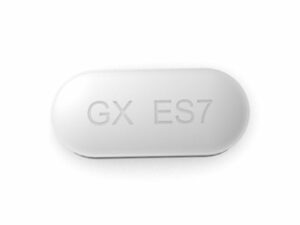
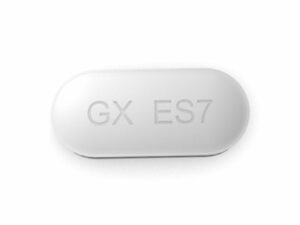
Cefixime (Cefixime) – Patient Information for Australia
Cefixime is an antibiotic medicine used to treat certain bacterial infections. This page provides patient-friendly information about how cefixime works, how it’s used, what to expect, and important safety notes. Always follow the advice provided by your healthcare professional and the instructions on the product label.
Basic product information
- Active ingredient: Cefixime
- Medicines: Available in different strengths and formulations (e.g., tablets and oral suspensions, depending on brand and local availability).
- Antibiotic class: Cephalosporin (a “beta-lactam” antibiotic)
- Common brand examples: Vary by manufacturer; your pharmacy can confirm brand/strength availability.
- Who it’s for: People with infections caused by susceptible bacteria, as judged by a clinician.
Cefixime is intended for bacterial infections. It does not treat viral illnesses such as colds and flu.
How cefixime works (mechanism of action)
Cefixime belongs to the cephalosporin group of antibiotics. It works by targeting bacterial cell wall formation. Bacteria need a strong cell wall to survive and multiply. Cefixime interferes with the enzymes involved in building that cell wall, leading to bacterial death.
- Target: Bacterial cell wall (via inhibition of cell wall synthesis)
- Effect: Helps stop the growth of bacteria and clears the infection
- Limitations: Not all bacteria are susceptible; resistance can reduce effectiveness.
Pharmacokinetics (how the body processes cefixime)
While exact values can vary by formulation and individual factors, the general pharmacokinetic behaviour of cefixime in adults is as follows:
- Absorption: Cefixime is absorbed from the gut after oral dosing.
- Peak levels: Blood levels typically rise over several hours after taking a dose.
- Distribution: It distributes into body tissues and fluids; penetration varies by tissue type.
- Metabolism: It is not extensively metabolised.
- Elimination: Mainly eliminated by the kidneys via urine.
- Half-life: The duration that cefixime remains active in the body supports once- or twice-daily regimens depending on indication and product instructions.
Because cefixime is cleared primarily through the kidneys, dose adjustments may be needed for people with reduced kidney function.
Typical uses and indications
Cefixime is used for infections caused by susceptible bacteria. The most appropriate use depends on the type of infection, local resistance patterns, and patient factors.
Common indications include certain:
- Upper and lower respiratory tract infections (for example, infections involving the sinuses or throat caused by susceptible organisms)
- Ear infections (otitis media) when caused by susceptible bacteria
- Urinary tract infections (UTIs) in selected cases
- Other bacterial infections where cefixime is considered appropriate by a clinician
Your clinician may use clinical assessment and, when appropriate, microbiology tests (such as culture and sensitivity) to guide antibiotic choice.
Timing and how to take cefixime
Follow the instructions on the label or provided by your healthcare professional. Cefixime dosing schedules are typically designed to maintain effective blood antibiotic levels.
General timing guidelines
- Take at evenly spaced times if prescribed more than once daily.
- Consistency matters: Try to take doses at similar times each day.
- Complete the full course unless your clinician advises stopping.
Table: Example dosing schedules (check your label for exact instructions)
| Situation | Common schedule | What to remember |
|---|---|---|
| Many adult regimens | Often once or twice daily (depending on indication and strength) | Use your specific prescribed strength and frequency. |
| Children (if prescribed) | Usually weight-based and may be once or twice daily | Use the correct measuring device for liquid formulations. |
| Kidney impairment | May require adjustment | Ask your pharmacist/doctor about suitability and dose changes. |
Because cefixime products and concentrations differ, always use the dosing instructions printed on your specific pack or those provided by your clinician.
Food interactions and taking with meals
Cefixime can generally be taken with or without food. Food may not significantly reduce effectiveness for many formulations.
- If your stomach feels upset, taking cefixime with food may improve comfort.
- For best absorption, try to follow a consistent approach (either always with food or always without) unless your clinician advises otherwise.
If you’re using a powder for oral suspension, shake well before each dose and measure accurately.
Alcohol interactions
Cefixime does not have a well-known direct “disulfiram-like” reaction with alcohol. However, drinking alcohol can worsen side effects such as nausea, dizziness, and diarrhoea, and it may make it harder to recover from infection.
- Recommendation: It’s best to avoid alcohol while you’re unwell and taking antibiotics.
- If you choose to drink, do so sparingly and avoid if you experience significant gastrointestinal symptoms.
Medicine interactions (important)
Interaction risk depends on your personal medication list and health conditions. Inform your pharmacist or healthcare professional about all medicines you take, including over-the-counter products, supplements, and herbal remedies.
Notable categories to discuss
- Probenecid (used for gout): may affect kidney elimination and raise cefixime levels.
- Anticoagulants (blood thinners) such as warfarin: antibiotics can affect bleeding risk in some people; monitoring may be required.
- Other medicines that affect kidney function or urine excretion: may alter cefixime clearance.
- Live bacterial vaccines (e.g., some oral vaccines): antibiotic treatment may reduce effectiveness. Ask your clinician/pharmacist for advice.
General interaction tips
- Keep a list of your medicines and show it at the pharmacy.
- If you start or stop any medication during your antibiotic course, double-check for interactions.
How to use cefixime safely: dosing and practical guidance
Dosing principles
- Use the correct strength: Cefixime may come in multiple strengths and forms.
- Use the correct formulation: Tablets are not interchangeable with suspension without guidance due to concentration differences.
- Kidney function matters: If you have kidney disease or reduced kidney function, you may need dose adjustment.
Taking cefixime oral suspension (if applicable)
- Shake well before each dose.
- Measure using an oral syringe or the device provided—avoid kitchen teaspoons.
- Refrigeration or storage conditions can vary by product; follow pack instructions.
If you miss a dose
- Take the missed dose as soon as you remember.
- If it’s close to your next dose, skip the missed dose.
- Do not double up to make up for a missed dose.
Safety profile and side effects
Like all medicines, cefixime can cause side effects. Many people experience mild effects that settle as treatment continues. Others may develop more serious reactions requiring urgent medical attention.
Common side effects
- Diarrhoea (sometimes mild)
- Nausea or stomach discomfort
- Headache
- Skin rash
- Vaginal itch/discharge may occur in some people due to changes in normal flora
Less common but important side effects
- Persistent or severe diarrhoea (especially watery or bloody) which may indicate antibiotic-associated colitis
- Allergic reactions including swelling, hives, wheezing, or breathing difficulty
- Severe skin reactions (rare) such as blistering or widespread rash
- Changes in blood counts (rare; may be identified by blood tests)
Seek urgent medical help if you notice
- Signs of a serious allergy: facial swelling, trouble breathing, collapse, or widespread hives
- Severe diarrhoea or diarrhoea with fever and abdominal pain
- Rash with blistering, peeling skin, or involvement of eyes/mouth
Allergy and cross-reactivity
If you have a history of allergy to cephalosporins or other beta-lactam antibiotics (such as penicillins), discuss this before taking cefixime. Allergies can vary between individuals, and your clinician or pharmacist can advise.
Practical tips for successful treatment
- Start on time: Begin the antibiotic course at the time advised.
- Hydration: Drink fluids regularly, especially if you develop mild gastrointestinal side effects.
- Probiotics (optional guidance): Some people use probiotics to reduce antibiotic-associated diarrhoea. Evidence varies. Ask your pharmacist whether a probiotic is suitable for you and how to time it (commonly spaced away from antibiotic doses).
- Track symptoms: Note improvement in fever, pain, or urinary symptoms. If symptoms worsen or do not improve within a few days, contact your clinician.
- Don’t share antibiotics: Take cefixime only for your condition.
- Antimicrobial stewardship: Use antibiotics responsibly to help reduce resistance.
If you feel significantly worse at any stage, or you develop new concerning symptoms, seek medical advice promptly.
Alternative options
Alternatives depend on the infection type, suspected bacteria, local resistance patterns, allergies, and patient factors such as kidney function. Common antibiotic alternatives for some indications may include different cephalosporins, penicillins, macrolides, or other agents.
- Penicillin-based options: May be used if the bacteria are susceptible and allergy risk is low.
- Other cephalosporins: Sometimes selected based on spectrum and dosing convenience.
- Macrolides or other classes: Considered if there is penicillin/cephalosporin allergy or if bacteria are susceptible.
- No antibiotic approach: For some illnesses that may be viral or self-limiting, watchful waiting and symptom relief may be appropriate.
Your pharmacist or clinician can discuss suitable alternatives if cefixime isn’t suitable for you.
Market and legal context in Australia (overview)
In Australia, antibiotic access and supply are regulated to support safe use and reduce antimicrobial resistance. Cefixime is supplied according to relevant regulations and pharmacy guidelines, including:
- Appropriate supply practices: Pharmacists help ensure the medicine is suitable for the person and the infection being treated.
- Guideline-based prescribing: Antibiotic selection should follow clinical guidelines and local susceptibility patterns.
- Safety checks: Allergies, kidney function, and drug interactions are considered.
Product availability and brand presentation can vary. Your online pharmacy listing will typically show strength, form, and pack size details available at that time.
Recent guidance and antimicrobial stewardship
Australia follows evidence-based guidance for antibiotic use. Key themes in current practice include:
- Using antibiotics only when needed and for confirmed or strongly suspected bacterial infections.
- Selecting the narrowest effective antibiotic whenever possible.
- Reviewing response and switching or stopping therapy if the infection doesn’t improve or test results indicate different bacteria.
- Completing the prescribed course (unless advised otherwise) to reduce recurrence and resistance.
If you are unsure whether cefixime is the right choice for your infection, speak with a healthcare professional or pharmacist.
Delivery and availability (online pharmacy)
Availability of cefixime can vary by supplier and formulation (tablet vs oral suspension). When ordering online in Australia, delivery timelines may depend on stock levels, parcel networks, and your location.
- Stock status: Check the product page for current availability.
- Delivery: Delivery times typically show at checkout or in the shipping information section.
- Packaging: Medications are normally supplied in tamper-evident packaging.
If you need a specific strength or formulation, it’s helpful to confirm availability before placing an order.
FAQ about cefixime
1. What infections is cefixime used for?
Cefixime is used for certain bacterial infections such as some respiratory infections, ear infections, and urinary tract infections, depending on susceptibility and clinical judgment.
2. How quickly will I feel better?
Many people start to feel better within a couple of days. If symptoms do not improve within the expected timeframe, or if they worsen, contact your clinician for review.
3. Can I take cefixime with food?
Yes, cefixime can usually be taken with or without food. If your stomach is sensitive, taking it with food may reduce nausea.
4. What should I do if I miss a dose?
Take it when you remember. If it’s near the next scheduled dose, skip the missed dose. Do not double up.
5. Is it safe to drink alcohol while taking cefixime?
There is no widely recognised severe alcohol interaction, but alcohol may worsen side effects such as diarrhoea or nausea. It’s best to limit or avoid alcohol while you’re ill.
6. What if I get diarrhoea?
Mild diarrhoea can occur. Seek urgent advice if diarrhoea becomes severe, watery, persistent, or contains blood, or if you develop fever and significant abdominal pain.
7. Who should be extra careful with cefixime?
People with kidney impairment, a history of significant antibiotic allergies, or those taking blood thinners or probenecid should discuss suitability and dosing with a pharmacist or clinician.
8. Can cefixime be used in children?
Cefixime may be used in children for appropriate indications. Dosing is usually weight-based and should follow product instructions and clinician guidance.
9. Are there alternatives if cefixime doesn’t work?
If an infection doesn’t respond, clinicians may consider alternative antibiotics, additional testing, or supportive care depending on the diagnosis and likely bacteria.
10. When should I stop cefixime?
Do not stop early unless a healthcare professional tells you to. Stopping early can lead to incomplete treatment and recurrence. If you have side effects, get advice before discontinuing.
Summary
Cefixime is an oral cephalosporin antibiotic that works by disrupting bacterial cell wall formation. It’s used for specific bacterial infections and is generally taken at regular intervals, with or without food. Most side effects are mild, but seek urgent help for signs of allergy or severe diarrhoea. If you have kidney problems, drug allergies, or take interacting medicines, discuss with a pharmacist or clinician to ensure safe use.