Betamethasone / Clotrimazole (Cream) — Patient Information (Australia)
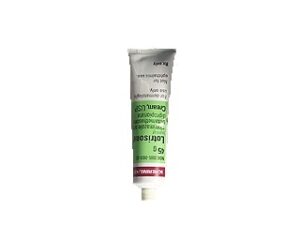
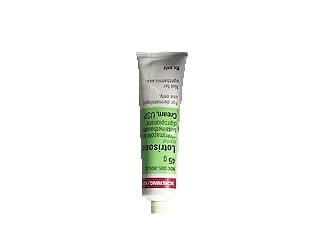
Betamethasone / Clotrimazole is a combination medicine used to treat certain inflammatory skin conditions where there is also a fungal (yeast) infection. It combines a corticosteroid (betamethasone) to reduce inflammation and itch, with an antifungal (clotrimazole) to treat the fungus.
This page explains how the medicine works, what it’s used for, how to apply it safely, and what to know about interactions and precautions. Always follow the directions on your product label and packaging. If you are unsure, ask your pharmacist.
Basic product information
- Medicine name: Betamethasone / Clotrimazole
- Common form: Cream (often available in different strengths depending on brand)
- Active ingredients: Betamethasone (corticosteroid) + Clotrimazole (antifungal)
- Available in Australia: Depending on formulation/brand and scheduling status, some products may be available without prescription through pharmacies or may require a pharmacist’s assessment.
Note: Always check your specific product’s strength (for example, “X mg/g betamethasone” and “Y mg/g clotrimazole”) because dosing instructions can differ slightly between products.
How it works (mechanism of action)
Betamethasone (corticosteroid)
Betamethasone is a potent topical corticosteroid. It works by reducing inflammation and suppressing immune responses in the skin. This helps:
- reduce redness (erythema)
- reduce swelling
- relieve itching and discomfort
- calm painful or irritated skin
Clotrimazole (antifungal)
Clotrimazole is an antifungal that acts against a range of fungi that cause skin infections, including those associated with ringworm and some yeast-related rashes.
It works mainly by interfering with the fungal cell membrane, reducing the fungus’s ability to grow and multiply.
Combination benefit: In mixed or inflammatory fungal rashes, the steroid can rapidly reduce symptoms (such as itch and redness) while clotrimazole treats the underlying fungal cause.
Pharmacokinetics (what happens in the body)
Topical absorption of this combination is generally low when used on small areas and on intact skin. Absorption can increase when:
- applied to large areas
- applied to broken/irritated skin
- used under occlusion (covered with a bandage or airtight dressing)
- used in skin folds (where skin-to-skin contact can increase uptake)
- used for longer than recommended
Once absorbed, corticosteroids can be metabolised by the liver and eliminated mainly through the kidneys. Clotrimazole absorption is typically minimal; if absorbed, it is also metabolised in the liver.
Because absorption can increase with prolonged or heavy use, it’s important to follow the recommended amount and duration.
Typical uses and indications
Betamethasone / clotrimazole is used for certain fungal skin infections where inflammation is prominent. It may be used for conditions such as:
- Tinea (ringworm) with inflammation in appropriate cases
- Fungal rashes in skin folds where redness, itching, and irritation occur
- Mixed inflammatory fungal dermatitis when a clinician or pharmacist advises this combination
Your product leaflet should specify the authorised indications for that exact brand. If your rash is severe, spreading quickly, oozing, painful, involves the eyes, or you’re unsure it is fungal, seek advice.
When you should not use it
- On the face unless specifically directed by a clinician (steroid-related side effects can be more likely).
- On open wounds or severely broken skin, unless instructed.
- For acne, rosacea, or other non-fungal skin conditions (the steroid may worsen some conditions).
- For chickenpox, viral skin infections, or certain other causes of rash.
- Children: use only as advised for the correct age group and duration.
Timing: when to apply and for how long
The timing depends on the product strength and the condition being treated. Many topical combination creams are applied once or twice daily for a short course.
- How often: Follow your label or pharmacist instructions (commonly once or twice daily).
- How long: Use for the shortest effective period and reassess if not improving.
- Typical improvement: Symptoms such as itch and redness often improve within a few days.
- Complete healing: Skin may take longer to fully clear.
If there is no improvement after the timeframe on the label (often around 1–2 weeks for fungal rashes), or symptoms worsen, stop using the product and seek professional advice.
Dosing and amount to apply
Dosing for topical products is usually described as a thin layer over the affected area and a small surrounding margin.
How much to use (practical guidance)
- Apply a thin layer to the affected area.
- Cover the rash and the immediate surrounding skin to improve treatment coverage.
- Avoid excessive amounts, especially on thin or sensitive skin (such as groin or underarms).
Step-by-step application routine
- Wash and dry the area gently.
- Wash your hands before applying (unless hands are the treatment site).
- Apply the cream in a thin layer.
- Wash your hands again after application (unless treating your hands).
- Do not cover with occlusive dressings unless specifically directed.
If you wear gloves or dressings, make sure the skin is fully dry before covering.
Food interactions
No known direct food interactions are expected with this topical cream because absorption into the bloodstream is generally low. However, if you are using the medicine as part of a broader treatment plan, it’s still wise to tell your healthcare professional about all medicines and supplements you take.
Alcohol and medicine interactions
Alcohol: There is no specific, well-established interaction between topical clotrimazole/betamethasone and alcohol. That said, alcohol can sometimes worsen skin inflammation in some individuals. If you notice flares after drinking alcohol, consider reducing or avoiding it while the rash settles.
Other medicines: Because this is a topical product, systemic interactions are uncommon. Still, certain situations may require extra caution:
- Other topical steroids or antifungals: Avoid layering multiple steroid-containing products on the same area unless instructed.
- Immunosuppressive therapies: If you take medicines that affect immunity, ask for advice—fungal infections may be harder to control.
- Skin care products: Avoid applying harsh cleansers, exfoliants, or strong antiseptics directly on top of the cream unless recommended, as irritation may reduce comfort and worsen inflammation.
If you’re pregnant, breastfeeding, have diabetes, or use frequent skin treatments, it’s best to discuss with a pharmacist.
Safety profile and precautions
Like all corticosteroid-containing products, Betamethasone / Clotrimazole requires careful use. Overuse or use on unsuitable areas can increase the risk of side effects.
Common side effects (topical)
- mild burning or stinging
- skin irritation or redness
- dryness
- itching changes
Serious but less common side effects
Seek medical advice urgently if you experience signs of an allergic reaction (such as swelling of the face/lips, hives, or breathing difficulty).
- Skin thinning (atrophy) or stretch marks, particularly with prolonged use
- Worsening infection if the rash is not fungal or is not responding
- Perioral dermatitis or acne-like rash with steroid use (more likely on facial skin)
- Changes in skin colour or increased sensitivity
- Systemic corticosteroid effects are rare but risk increases with large areas, occlusion, or long duration
Precautions you should know
- Avoid the eyes and mouth. If accidental contact occurs, rinse thoroughly with water.
- Do not use under occlusion (airtight covering) unless advised by a clinician.
- Keep duration short. Use the shortest course that controls symptoms.
- Do not use on infected skin that is clearly not fungal. If you suspect infection but aren’t sure of the cause, get advice.
- Reassess if symptoms persist. Persistent rash may need diagnosis (for example, eczema, psoriasis, or bacterial infection).
Practical use tips for best results
- Clean and dry: Fungal rashes thrive in warm, moist environments. Keep the area dry.
- Follow hygiene measures: Wash towels, clothes, and underwear regularly.
- Avoid sharing: Don’t share towels or clothing.
- Change out of sweaty clothes promptly: Moisture can worsen fungal growth.
- Continue for the recommended time: Even if the rash improves quickly, completing the course helps reduce recurrence.
- Don’t “double up” randomly: If not improving, don’t simply extend steroid use—seek advice.
- Consider triggers: Tight clothing, friction, and poor drying after bathing can worsen rashes in skin folds.
Alternative options
The best alternative depends on the diagnosis (fungal vs eczema vs bacterial infection) and severity. Depending on what’s causing your rash, options can include:
If it’s primarily fungal (antifungal-focused)
- Topical azole antifungals (such as clotrimazole or similar agents) used without a steroid component
- Other antifungal creams available through pharmacies
If it’s mainly inflammatory (eczema/dermatitis-focused)
- Non-steroid anti-inflammatory approaches (for some conditions)
- Different potency topical corticosteroids for appropriate diagnoses (under pharmacist/doctor guidance)
If infection might be something else
- If the rash is oozing, crusting, very painful, rapidly spreading, or associated with fever, it could be bacterial or another cause—see a clinician for correct treatment.
If you’re unsure whether the rash is fungal, it’s often safer to get advice rather than trial a steroid combination.
Market and legal context for Australia
In Australia, topical combination products are supplied according to the Therapeutic Goods Administration (TGA) scheduling and brand-specific approvals. Availability may vary between:
- Pharmacy-only supply (requires pharmacist involvement)
- General Sales List (where applicable) for certain lower-strength products (not all formulations qualify)
Product labelling, consumer medicine information, and approved indications are governed by Australian regulatory requirements. Your local pharmacy can confirm what’s currently available and the correct instructions for the exact brand you’re buying.
Recent guidance and practical clinical advice (Australia)
While specific guidance can change over time, general Australian clinical principles for topical steroid–antifungal combinations include:
- Use only when fungus is likely and inflammation is significant.
- Avoid unnecessary steroid exposure, particularly on the face and long-term.
- Reassess if not improving rather than continuing indefinitely.
- Keep the area dry and follow hygiene measures to reduce recurrence.
Pharmacies may also advise that if the rash is severe, recurrent, or in unusual locations, you may need an in-person assessment or fungal testing.
Delivery and availability
In Australia, Betamethasone / Clotrimazole creams are typically available through pharmacy networks and may be supplied via online pharmacies that operate under Australian regulations. Delivery timeframes depend on location (major cities vs regional/remote areas) and courier services.
- Stock availability: Usually confirmed before dispatch.
- Packaging: Product arrives in manufacturer-approved packaging.
- Cold chain: Not usually required for this type of topical cream (check your product label if there are special storage conditions).
If you need help choosing the correct product strength, let your pharmacist know the body area being treated and how long the rash has been present.
Frequently asked questions (FAQ)
1) What is Betamethasone / Clotrimazole used for?
It’s used to treat certain fungal skin infections where the skin is also inflamed (red, itchy, irritated). The antifungal component treats the fungus and the steroid component reduces inflammatory symptoms.
2) How quickly will I notice improvement?
Many people notice reduced itching and redness within a few days. The rash may take longer to fully clear. If there’s no improvement after the timeframe on the label, seek advice.
3) Can I use it on my face or around the eyes?
Avoid use on the face and near the eyes unless a clinician or pharmacist specifically advises it for your situation. Steroids can cause unwanted effects on facial skin.
4) Is it safe to use under clothing or in skin folds?
You may apply it to affected skin under normal clothing. However, avoid occlusive coverings (airtight bandages or tight coverings) unless instructed, as occlusion increases absorption and side-effect risk.
5) Can I use it if I’m pregnant or breastfeeding?
If you are pregnant or breastfeeding, speak with a pharmacist or clinician before using. In general, it’s best to use the lowest effective amount for the shortest duration and avoid application to large areas.
6) Can children use this medicine?
Use in children should be guided by a pharmacist or clinician, including appropriate age considerations and limited duration. Avoid use on children without correct directions.
7) What if my rash gets worse?
Stop using the medicine and seek medical advice. A worsening rash may mean the diagnosis is incorrect (for example, not fungal) or the infection is not responding.
8) Should I keep using it after symptoms improve?
Yes—generally continue for the course recommended on the label. Stopping too early can allow the infection to return.
9) Is there any interaction with alcohol?
There is no known specific interaction with alcohol for this topical combination. If alcohol seems to worsen your skin, reduce it while treating the rash.
10) What should I do if I accidentally use too much?
If you apply more than directed, remove excess gently and avoid further application until you can follow the label. If you’ve used it over large areas or for longer than recommended, contact a pharmacist for advice.
Summary table
| Topic | What to know |
|---|---|
| Purpose | Treat inflammatory fungal skin rashes using betamethasone (reduces inflammation) + clotrimazole (treats fungus). |
| How to apply | Apply a thin layer to the affected area and surrounding skin; wash hands before/after. |
| Timing | Often once or twice daily—follow your product label. Use short courses and reassess if not improving. |
| Food interactions | No direct food interactions expected with topical use. |
| Alcohol | No specific interaction identified; some people may notice skin flares with alcohol. |
| Key safety points | Avoid unnecessary long use, occlusion, and use on sensitive areas (especially face). Seek advice if worsening or not improving. |
| When to get help | If the rash spreads, becomes very painful, oozes, involves eyes, or doesn’t improve after the label timeframe. |
Important: This information is general and may not cover every situation. If your rash is new, severe, recurring, or you’re unsure of the cause, a pharmacist or clinician can help confirm whether a steroid–antifungal combination is appropriate.