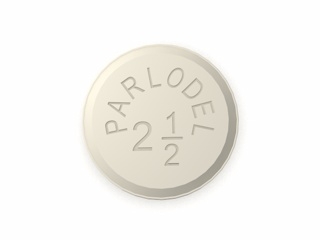


Parlodel (Bromocriptine) — Patient-Friendly Guide (Australia)
Parlodel contains bromocriptine, a medicine used to treat several hormone-related conditions and some neurological disorders. This guide explains how Parlodel works, how it’s usually taken, what to expect, and important safety information. It’s written to be helpful for patients using an online pharmacy in Australia.
Note: Always follow the dosing plan provided by your healthcare professional and read the Consumer Medicine Information (CMI) that comes with your medicine.
Quick Product Information
- Medicine name: Parlodel
- Active ingredient: Bromocriptine
- Medicinal class: Dopamine agonist (a type of ergot-derived dopamine receptor agonist)
- Common form: Tablets (strengths vary by product packaging)
- Primary uses: Hormone and prolactin disorders; selected conditions involving dopamine pathways
- Country context: Available in Australia via prescription-only medicine channels
How Parlodel Works (Mechanism of Action)
Bromocriptine acts as a dopamine agonist. Dopamine is a chemical messenger in the brain and body that helps regulate many processes, including hormone control.
In many patients, bromocriptine:
- Stimulates dopamine receptors (especially the D2 subtype).
- Reduces the release of prolactin from the pituitary gland.
- May also influence movement and hormonal pathways relevant to certain neurological conditions.
Why this matters: Prolactin is a hormone that can become too high for various reasons (such as pituitary tumours). By lowering prolactin, Parlodel helps restore more normal reproductive and metabolic function in many cases.
Pharmacokinetics (How the Body Processes It)
Pharmacokinetics describes what the body does to a medicine (absorption, distribution, metabolism, and elimination). For bromocriptine:
- Absorption: Tablets are absorbed after oral administration. Presence of food can affect how much and how quickly it’s absorbed.
- Peak effect: Clinical effect may build over time, depending on the condition being treated.
- Distribution: It distributes widely in the body.
- Metabolism: Primarily metabolised by the liver (notably via CYP enzymes).
- Elimination: Metabolites are eliminated through the body’s normal clearance processes.
Practical takeaway: Because metabolism is liver-related and interactions can occur with certain medicines, it’s important to review all medicines and supplements you take.
Typical Uses in Adults
Parlodel is used for a range of conditions, mainly where dopamine signalling and prolactin control are important. Common approved/recognised uses may include:
- Hyperprolactinaemia (high prolactin levels), including when prolactin is causing symptoms.
- Prolactin-secreting pituitary adenomas (prolactinomas), to help reduce prolactin and tumour size in some cases.
- Disorders related to elevated prolactin, such as menstrual irregularities, reduced fertility, and some forms of sexual dysfunction.
- Parkinson’s disease and related disorders in some patients, usually as part of a broader treatment plan.
- Other specialist uses where bromocriptine is considered appropriate based on clinical guidelines.
Important: Indications vary depending on product strength and local prescribing practices. Always rely on the CMI and your clinician’s advice for your specific condition.
When to Take Parlodel (Timing and Daily Routine)
Your exact timing depends on your dose and the condition you’re treating. Many regimens start with a low dose and gradually increase to improve tolerance and reduce side effects.
General timing tips
- Consistency helps: Take your dose at the same times each day.
- Start low and titrate: If your dose is being increased, follow the schedule provided.
- After meals may help nausea: Many people find taking Parlodel with food reduces stomach upset.
- If you feel dizzy: Avoid sudden position changes after dosing and consider taking it with food (discuss with your clinician).
Missed dose: If you forget a dose, take it as soon as you remember unless it’s close to the next dose. Do not take double doses to catch up. If you’re unsure, ask your pharmacist for guidance.
Food Interactions and Eating Habits
Food can affect absorption. Bromocriptine may be absorbed differently with and without food. Some people experience more nausea when it’s taken on an empty stomach.
- General recommendation: Follow your prescribed instructions regarding taking with meals.
- If nausea occurs: Discuss whether taking your dose with food is appropriate.
- Grapefruit and some foods: While not always specifically highlighted for bromocriptine, citrus products can interact with certain medicines through liver enzyme effects. Check with your pharmacist if you routinely consume grapefruit products.
Practical tip: Keep a simple routine—take it the same way each day (with or without food) unless your healthcare professional advises otherwise.
Alcohol and Medicine Interactions
Alcohol may worsen certain side effects of bromocriptine, such as dizziness, drowsiness, and impaired judgment. It may also increase nausea or fatigue.
- Limit or avoid alcohol until you know how Parlodel affects you.
- Be cautious driving or operating machinery if you feel sleepy, faint, or “out of sorts.”
Other important medicine interactions
Parlodel can interact with a range of medicines, including those that affect dopamine, blood pressure, or liver metabolism. Tell your pharmacist and clinician if you take:
- Antipsychotics or dopamine antagonists (may reduce bromocriptine’s effect).
- Metoclopramide and similar anti-nausea medicines that act on dopamine pathways.
- Blood pressure medicines (combined effects may increase risk of low blood pressure).
- Strong inhibitors or inducers of liver enzymes (may alter bromocriptine levels).
- Other medicines causing drowsiness (may increase sedation-related risks).
Always check: Provide your full medication list (including over-the-counter products and supplements) so interactions can be assessed safely.
Indications (What Parlodel Is Used For)
Indications are the specific medical conditions for which a medicine is recommended. Parlodel (bromocriptine) is commonly used for conditions where prolactin levels or dopamine function are key.
Typical clinical indications may include:
- Hyperprolactinaemia: reducing high prolactin levels.
- Prolactin-secreting pituitary adenomas (prolactinomas): decreasing prolactin and helping shrink tumour-related effects.
- Menstrual and fertility-related issues associated with high prolactin.
- Parkinson’s disease (selected patients and in combination regimens).
- Other specialist conditions: depending on clinical judgement and local treatment guidance.
If you’re using Parlodel for a specific reason, ask your pharmacist or clinician to explain the goal of treatment (e.g., reducing prolactin, improving symptoms, or supporting neurologic function).
Dosing Overview (How It’s Commonly Prescribed)
Dosing for bromocriptine varies widely based on the condition, age, and tolerance. Many patients start with a low dose and increase gradually.
Important: Use your prescribed dose. The information below is an overview only.
General dosing principles
- Start low: reduces nausea and dizziness at the beginning.
- Titrate slowly: gradually increase dose to the target amount.
- Split dosing: some regimens involve multiple doses per day.
- Regular review: your clinician may monitor symptoms and, for prolactin-related conditions, may check prolactin levels.
Example dosing approaches (for context)
Different indications use different titration schedules. Some patients may begin with a once-daily dose and move to twice daily or more, depending on tolerability.
| Condition (examples) | General approach | Typical considerations |
|---|---|---|
| Hyperprolactinaemia / prolactinomas | Low starting dose, then gradual increase | Prolactin monitoring and symptom improvement may take time |
| Parkinson’s disease (selected use) | Titration based on response and side effects | Careful monitoring of dizziness, blood pressure changes, and movement symptoms |
| Other specialist indications | Condition-specific titration plan | Adjustments for tolerability and co-medications |
If you’re unsure about your regimen: check the label directions on your specific Parlodel pack and ask your pharmacist to clarify your schedule.
Safety Profile and Side Effects
Like all medicines, bromocriptine can cause side effects. Many people experience mild effects early, especially during dose adjustments, and these may improve as your body adapts.
Common side effects
- Nausea or stomach upset
- Dizziness or light-headedness
- Headache
- Fatigue
- Low blood pressure (especially when standing)
- Constipation or other mild gastrointestinal changes
Serious or urgent warning signs
Seek urgent medical attention if you develop symptoms such as:
- Severe chest pain, shortness of breath, or fainting
- Severe headache with vision changes or neurological symptoms
- Allergic reaction (swelling of face/lips, rash, breathing difficulty)
- Persistent or severe vomiting, dehydration, or inability to keep medicines down
- Signs of very low blood pressure (feeling like you might pass out)
Impulse-control and related concerns: Dopamine agonists have been associated with behavioural changes in some patients. If you notice new or unusual urges (such as gambling, increased libido, binge eating, or compulsive spending), contact your healthcare provider promptly for advice.
What increases side-effect risk?
- Starting at too high a dose
- Dehydration or heat exposure
- Taking with alcohol
- Concomitant medicines that also lower blood pressure or affect sedation
- Liver impairment (requires clinician assessment)
Practical Use Tips (Getting the Most From Your Treatment)
- Take it the way you were told: with meals if advised to reduce nausea.
- Rise slowly: especially in the morning or after taking a dose, to reduce dizziness from orthostatic hypotension.
- Track symptoms: for prolactin-related treatment, improvements may be gradual. Consider noting menstruation changes, energy levels, and any side effects.
- Review your medicines: confirm there are no interactions with anti-nausea medicines, antipsychotics, or blood pressure drugs.
- Hydration matters: dehydration can worsen dizziness and low blood pressure.
- Avoid driving if affected: if you feel sleepy, dizzy, or “not yourself,” don’t drive or operate machinery.
- Don’t stop suddenly: unless advised by your clinician. If you want to stop due to side effects or safety concerns, discuss a safe plan.
Alternative Options
Depending on the condition being treated, your clinician may consider other treatments. Alternatives may include:
- Other dopamine agonists for prolactin disorders (choices depend on availability and patient factors).
- Hormonal or endocrine treatments when appropriate for prolactin-related conditions.
- Surgical or radiotherapy options in certain cases of pituitary tumours (managed by specialists).
- For Parkinson’s disease: various medication classes may be used (e.g., levodopa-based regimens, other dopaminergic therapies), chosen based on symptom profile and stage.
Ask your pharmacist: If you’re looking for an alternative due to side effects, cost, or availability, a pharmacist can outline options that may be appropriate in Australia and help you compare them.
Parlodel in the Australian Market: Legal and Regulatory Context
In Australia, Parlodel (bromocriptine) is generally managed under prescription medicine rules, meaning it is dispensed through appropriate healthcare pathways. Availability can vary by strength and manufacturer supply.
When using an online pharmacy in Australia:
- Ensure the pharmacy is authorised and provides medicines according to Australian regulations.
- Check packaging details, including product name, strength, and expiry date.
- Keep medicines in their original container to maintain clear identification.
Recent guidance: Treatment plans for prolactin disorders and dopamine agonist monitoring can evolve with clinical updates. It’s advisable to review your care approach periodically with your clinician, especially if you experience side effects or if your symptoms change.
Delivery and Availability (What You Can Expect Online)
Availability depends on stock levels, supply chain timing, and the exact strength/pack size you need. Most reputable Australian online pharmacies provide:
- Transparent stock status: “in stock” or estimated availability times.
- Delivery options: standard or express shipping (varies by provider and location).
- Tracking information: for dispatched orders.
- Secure packaging: to protect tablets during transit.
Tip: If you need your medicine urgently, contact customer service to confirm dispatch timelines and expected delivery to your suburb.
FAQ
1) What is Parlodel used for?
Parlodel (bromocriptine) is commonly used to treat conditions related to high prolactin levels (hyperprolactinaemia) and prolactin-secreting pituitary tumours. It may also be used for selected neurological conditions such as Parkinson’s disease, depending on your clinical situation.
2) How long does it take to work?
Some people notice symptom improvements within weeks, but prolactin-related changes and overall response can take longer. Your clinician may monitor blood tests and symptoms to guide dose adjustments.
3) Should I take Parlodel with food?
Food may reduce stomach upset for some patients. If your directions say “with food,” follow that. If you’re experiencing nausea, discuss with your pharmacist whether changing the timing with meals is appropriate for your situation.
4) Can I drink alcohol while taking bromocriptine?
It’s best to limit or avoid alcohol because it can worsen dizziness, drowsiness, and nausea. If you choose to drink, do so cautiously and only if you know how Parlodel affects you.
5) What should I do if I miss a dose?
Take it when you remember unless it’s close to your next dose. Do not take a double dose. If you’re unsure, ask your pharmacist for personalised advice based on your schedule.
6) What are the common side effects?
Common side effects include nausea, dizziness, headache, fatigue, constipation, and occasionally low blood pressure (especially when standing). These often improve as your dose stabilises.
7) When should I seek urgent help?
Seek urgent medical attention for severe symptoms such as chest pain, shortness of breath, fainting, severe headache with neurological symptoms, signs of allergy, or persistent severe vomiting.
8) Are there medicine interactions I should know about?
Yes. Bromocriptine can interact with certain antipsychotics, anti-nausea medicines that affect dopamine pathways, blood pressure medicines, and drugs that influence liver metabolism. Provide your full medication list to your pharmacist.
9) Can I stop Parlodel suddenly?
Do not stop abruptly unless your healthcare professional advises it. If you’re considering stopping due to side effects, discuss a safe plan with your clinician.
10) Is Parlodel suitable for everyone?
No. Suitability depends on your diagnosis, overall health, other medicines, and risk factors. Your clinician will consider medical history, including blood pressure and liver function, before recommending bromocriptine.
For more information: Speak to a pharmacist in Australia for guidance tailored to your symptoms, medications, and lifestyle. You can also refer to the Consumer Medicine Information (CMI) for complete details.