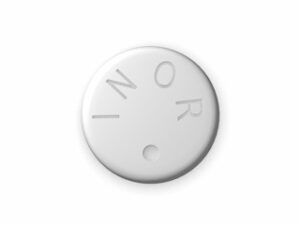

Femara (Letrozole) – Patient Information
Femara is the brand name for letrozole, a medicine used to treat certain types of hormone receptor–positive breast cancer. It belongs to a group of medicines called aromatase inhibitors, which work by lowering the amount of oestrogen in the body. This patient-friendly guide explains how Femara works, when it is used, how to take it safely, and what to expect.
This information is designed to help you understand your medicine better. It does not replace advice from your healthcare team. Always follow the dosing instructions provided to you and read the consumer medicine information (CMI) supplied with your product.
1) Basic product information
| Feature | Details |
|---|---|
| Brand name | Femara |
| Generic name | Letrozole |
| Medicine type | Aromatase inhibitor (hormonal therapy) |
| Strengths | Commonly 2.5 mg tablets |
| Common dosing schedule | Usually taken once daily |
| How it works | Reduces oestrogen production |
| Typical therapeutic area | Breast cancer treatment |
2) How Femara works (mechanism of action)
Femara (letrozole) works by blocking an enzyme called aromatase. Aromatase is involved in the production of oestrogen from other hormones, especially in tissues outside the ovaries (and in postmenopausal women in particular).
By inhibiting aromatase, letrozole lowers oestrogen levels in the body. For many breast cancers, tumour growth can be driven by oestrogen. Lowering oestrogen helps reduce the chance of cancer cells growing and spreading.
- Enzyme target: aromatase
- Key effect: reduced oestrogen synthesis
- Clinical outcome: helps treat or prevent hormone receptor–positive breast cancer
3) Pharmacokinetics (how your body handles it)
Pharmacokinetics describes what happens to a medicine in the body: absorption, distribution, metabolism, and elimination. With letrozole:
- Absorption: Letrozole is absorbed after oral dosing. Food may affect the speed of absorption (see Food interactions below), but the overall exposure remains broadly similar.
- Distribution: The medicine distributes through the body and acts systemically (whole-body effect).
- Metabolism: Letrozole is metabolised in the liver.
- Elimination: It is eliminated primarily via metabolic pathways. Elimination occurs over time, supporting once-daily dosing.
- Half-life: The drug remains active long enough to allow daily administration. (Your clinician may still adjust schedule based on your treatment plan.)
If you miss doses, the oestrogen-lowering effect may not be maintained as reliably. Consistency is important for hormone therapy medicines.
4) Typical use in Australia
Femara is used in the management of breast cancer in people whose tumours are oestrogen receptor positive (ER+) and/or progesterone receptor positive (PR+) (often described as hormone receptor–positive breast cancer). Use depends on your menopausal status, cancer stage, and whether you are treating early or advanced disease.
Common clinical goals include:
- Adjuvant treatment for early breast cancer (reducing recurrence risk after primary therapy)
- Extended adjuvant treatment (continuing therapy after initial years of endocrine treatment)
- Treatment of advanced breast cancer (including metastatic disease) in appropriate patients
- Neoadjuvant (pre-surgery) or other specialist-directed regimens in specific situations
Your doctor will base the exact plan on your pathology report (receptor status), previous treatments, and overall health.
5) Indications (when Femara is considered)
While individual decisions are personalised, letrozole is generally indicated for:
- Hormone receptor–positive breast cancer in postmenopausal patients
- Selected cases where aromatase inhibition is part of an endocrine therapy strategy
- Advanced or metastatic disease in appropriate patients
- Extended adjuvant therapy to help reduce recurrence after initial endocrine treatment
If your tumour receptor status is not hormone receptor–positive, your treating team will consider alternative options.
6) Dosing and timing
Femara is most commonly taken as one tablet once daily (commonly 2.5 mg per day). Your exact dose and duration depend on your treatment plan.
How to take Femara
- Take at the same time each day to help you remember.
- Swallow whole with water.
- You may take it with or without food (see food interaction section).
If you miss a dose
If you miss a dose, take it as soon as you remember on the same day. Do not take a double dose
Duration of treatment
Endocrine therapies are often taken for years depending on the stage and risk of recurrence. Do not stop early without speaking to your healthcare team, even if you feel well.
7) Food interactions
Letrozole can generally be taken with or without food. Some formulations and dosing schedules may be affected by food in terms of how quickly the medicine is absorbed, but clinical effectiveness is typically not significantly reduced by normal food intake.
- Practical approach: choose a routine (with or without food) that you can maintain daily.
- If your stomach feels unsettled: taking with food may be more comfortable for some people.
- Avoid extreme changes: maintaining consistent eating habits may help you feel more stable.
If you have swallowing difficulties or gastrointestinal side effects, speak to your pharmacist for tailored advice.
8) Alcohol interactions
There is no universally required “no alcohol” rule with letrozole, but alcohol may worsen certain side effects and can affect liver function in high amounts. Practical considerations:
- Moderation is recommended. If you drink, keep intake low and consistent.
- Watch for increased dizziness, fatigue, or nausea that can be intensified by alcohol.
- Discuss with your clinician if you have liver disease or have been advised to limit alcohol.
If you are receiving other medications alongside Femara, check each one for its alcohol precautions.
9) Medicine interactions (important)
Drug interactions can change how well medicines work or increase side effects. Letrozole is metabolised in the liver, so medicines that affect liver enzymes may influence its levels.
Tell your healthcare team if you take any of the following
- Hormonal therapies (including oestrogen-containing products such as certain hormone replacement therapies) — discuss suitability, as they may counteract letrozole’s purpose.
- Strong enzyme inducers (some medicines can reduce letrozole exposure).
- Enzyme inhibitors (some medicines can increase letrozole exposure).
- Herbal products (for example, some supplements may affect drug metabolism).
- Medications affecting the liver or with known interaction potential.
This is not a complete list. Always review your full medication list, including over-the-counter products and supplements, with your pharmacist or clinician before starting or stopping anything.
Medicines that may be relevant in practice
In Australia, many patients also use medicines for bone health, symptom control, blood pressure, diabetes, cholesterol, nausea, or pain. These may or may not interact with letrozole—confirmation requires a medication-by-medication check.
10) Safety profile and side effects
Like all medicines, Femara can cause side effects. Many are manageable, and the overall benefit depends on your cancer characteristics and treatment goals. If you experience concerning symptoms, seek medical advice promptly.
Common side effects
- Hot flushes
- Fatigue
- Headache
- Joint pain and stiffness (arthralgia)
- Muscle aches or cramps
- Nausea or stomach discomfort
- Reduced appetite (sometimes)
- Vaginal dryness or discomfort
- Skin rash (less common)
- Swelling (fluid retention) in some patients
Bone health and fracture risk
Lowering oestrogen can affect bone density. Letrozole may increase the risk of osteopenia and osteoporosis, and in some cases fractures.
- Your doctor may arrange bone density scans (DEXA scans).
- You may be advised on calcium and vitamin D intake and/or bone-protective medicines.
- Weight-bearing exercise and fall prevention strategies can help.
Less common but serious symptoms
Seek urgent medical attention if you experience:
- Signs of an allergic reaction (swelling of face/lips, difficulty breathing, severe rash)
- Chest pain or shortness of breath
- Severe or persistent symptoms that concern you (for example, severe weakness, fainting, or marked changes in health)
- Severe liver-related symptoms such as yellowing of the skin/eyes (jaundice) or dark urine
Monitoring your wellbeing
- Track symptoms such as joint pain, hot flush frequency, sleep quality, mood changes, and vaginal symptoms.
- Report new or worsening side effects early—many can be treated or eased.
- Attend scheduled follow-ups for cancer monitoring and general health checks.
11) Practical use tips (getting the most from treatment)
1) Make taking your dose easy
- Use a phone alarm or pill organiser.
- Keep a spare tablet supply if your schedule is unpredictable (within pharmacy supply rules).
- Try taking it at the same time daily—morning or evening is often fine, depending on what suits you.
2) Manage common side effects
- Joint stiffness/pain: gentle movement, stretching, and low-impact exercise can help. Ask about appropriate pain relief options.
- Hot flushes: dress in layers, keep rooms cool, avoid triggers (spicy food, overheating), and discuss symptom relief strategies.
- Vaginal dryness: moisturisers and lubricants may help. Avoid oestrogen-containing products unless your clinician approves.
- Fatigue: plan rest, maintain light activity, and consider discussing sleep concerns.
3) Protect bone health
- Follow your clinician’s bone scan and supplementation advice.
- Do regular weight-bearing exercise (walking is a good start if appropriate for you).
- Prevent falls: ensure adequate lighting, supportive footwear, and remove trip hazards.
4) Keep an up-to-date medication list
Bring a list of all medicines (including supplements) to appointments. This helps your healthcare team identify interactions and reduce side-effect risk.
12) Alternative options to Femara
Your oncology team may consider other endocrine therapies depending on your situation and prior treatments. Alternatives commonly include:
- Other aromatase inhibitors (for example, anastrozole or exemestane) for hormone receptor–positive disease
- Selective oestrogen receptor modulators (for example, tamoxifen in certain patients)
- Selective oestrogen receptor downregulators (in specific circumstances, depending on clinical guidance)
- Ovarian suppression strategies in premenopausal patients as part of broader treatment plans (specialist-led)
- Non-hormonal cancer treatments such as chemotherapy, targeted therapy, or radiotherapy when indicated
If Femara causes side effects that are difficult to manage, it may be possible to adjust your approach (symptom treatment, switching agents, or revising the regimen). Make changes only under medical guidance.
13) Market and legal context for Australia
In Australia, medicines are regulated by the Therapeutic Goods Administration (TGA). The availability of Femara in Australia depends on supply channels and product listing status. Pharmacy dispensing and access must comply with Australian laws and regulations.
On an Australian online pharmacy website, the medicine you receive will typically follow appropriate supply requirements, including age and identity checks where relevant and adherence to standard dispensing processes. If a medicine is classified as “prescription only” or requires specialist oversight, this affects how it can be supplied.
If you have questions about availability in your area or shipping timelines, check the delivery section below or contact customer support.
14) Recent guidance and treatment considerations
Breast cancer care evolves as research improves. Current clinical practice generally supports endocrine therapy for appropriate hormone receptor–positive breast cancers, with aromatase inhibitors being a key option for postmenopausal patients or for other selected strategies.
Guidance commonly emphasises:
- Adherence to daily dosing and completing the planned course
- Managing side effects early (especially joint symptoms and hot flushes)
- Bone health monitoring, including DEXA scans and fracture risk prevention
- Individualised choice of endocrine agent based on tolerability, cancer stage, and prior therapy
Your oncology team may also consider updated recommendations for sequencing therapies (for example, switching or extending endocrine treatment), depending on risk factors and your overall health.
15) Delivery and availability (online pharmacy)
Availability can vary by stock levels, delivery location, and manufacturer supply schedules. When ordering Femara online in Australia, typical process considerations include:
- Packaging: Tablets are supplied in approved pharmaceutical packaging.
- Storage: Store tablets as directed on the pack (generally at room temperature, away from moisture and heat).
- Delivery timeframe: Depends on your state/territory and chosen shipping method.
- Tracking: Many online orders provide tracking once dispatched.
If you need your medicine urgently or have a fixed dosing schedule, place your order early and check estimated dispatch and delivery times at checkout. Keep enough tablets to avoid running out between deliveries.
16) Storage, handling, and safe disposal
- Storage: Keep tablets in a cool, dry place and protect from moisture.
- Keep out of reach of children.
- Do not use after expiry date printed on the pack.
- Disposal: Follow local guidance for returning unused medicines to pharmacy take-back services where available.
17) FAQ
How long does it take Femara to start working?
Femara lowers oestrogen levels relatively quickly after dosing. In terms of cancer outcomes, benefit is assessed over time through follow-ups and long-term treatment completion. Your clinician will guide expectations for your specific cancer situation.
Can I take Femara with food?
Yes. Femara can generally be taken with or without food. If it makes you feel more comfortable, you can take it with a meal—just keep it consistent.
What if I experience joint pain or stiffness?
Joint symptoms are a common issue with aromatase inhibitors. Report it to your clinician or pharmacist early. They can discuss options such as exercise changes, pain management strategies, or switching therapy if appropriate.
Will Femara affect my fertility?
Femara is primarily used in postmenopausal contexts and oestrogen suppression is part of its mechanism. Fertility effects depend on your menopausal status and treatment plan. Discuss your individual situation with your healthcare team.
Is it safe to drink alcohol while taking Femara?
In many cases, moderate alcohol may be acceptable, but it can worsen fatigue, nausea, or dizziness. If you have liver concerns or take other medicines with stricter alcohol rules, ask your clinician or pharmacist for personalised guidance.
Does Femara interact with herbal supplements?
Some herbal products and supplements can affect drug metabolism. It’s best to disclose all supplements to your pharmacist or clinician before starting them.
Can I stop Femara if I feel better?
Do not stop without medical advice. Hormone therapy is often planned for a long duration to reduce recurrence risk. Stopping early may reduce the benefit of treatment.
What should I do if I forget a dose?
Take it when you remember on the same day, unless close to the next dose. Do not take a double dose. If unsure, consult the CMI or ask your pharmacist.
How will my doctor monitor my treatment?
Monitoring may include follow-up visits, symptom checks, and imaging or blood tests based on your cancer plan. Bone health may be assessed with DEXA scans, and vitamin/mineral supplementation may be considered.
Summary
Femara (letrozole) is an aromatase inhibitor used for hormone receptor–positive breast cancer. It works by lowering oestrogen production, which can help slow or prevent cancer growth driven by oestrogen. The medicine is typically taken once daily, with or without food, and long-term adherence is important.
Common side effects include hot flushes, fatigue, and joint or muscle aches. Bone health monitoring is also an important part of care. If you experience troublesome symptoms or have questions about interactions with other medicines or supplements, speak with your pharmacist or healthcare team promptly.
Note: Product information may vary. Always refer to the consumer medicine information (CMI) provided with your specific Femara pack. For personalised advice, consult your healthcare professional.