

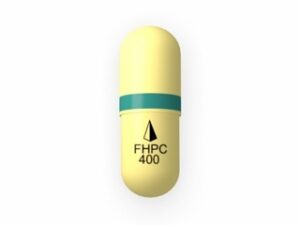

Prometrium (Progesterone) – Patient Guide (Australia)
Prometrium contains progesterone, a natural hormone that plays a key role in preparing the lining of the uterus (endometrium) and supporting pregnancy in early stages. This guide explains how Prometrium works, how it is commonly used, what to expect while taking it, and important safety considerations—written for patient understanding.
Note: Always follow the instructions provided by your healthcare professional and the product packaging for your specific treatment plan.
Basic product information
- Medicine name: Prometrium
- Active ingredient: Progesterone (micronised progesterone)
- Dosage forms: Oral soft capsules (commonly taken by mouth)
- Therapeutic category: Progestogen / progesterone hormone
- Available strength: Varies by product presentation (commonly 100 mg capsules; other strengths may exist depending on local availability)
- How it’s taken: By mouth (swallow whole as directed)
How progesterone works (mechanism of action)
Progesterone is one of the hormones that regulates the menstrual cycle. Its main actions include:
- Preparing the uterine lining: It transforms the endometrium into a state suitable for implantation of a fertilised egg.
- Supporting early pregnancy: In early pregnancy, progesterone helps maintain the uterine environment and reduces uterine contractility.
- Modulating hormone signalling: Progesterone helps counterbalance the effects of oestrogen on the uterus.
- Endometrial protection in hormone therapy: When oestrogen is used for menopausal symptoms, progesterone is often added to reduce the risk of endometrial overgrowth.
In simpler terms: Prometrium helps create and maintain an environment in the uterus that is appropriate for the intended stage of treatment.
Pharmacokinetics (what the body does to the medicine)
Pharmacokinetics describes absorption, distribution, metabolism, and elimination.
- Absorption: Micronised progesterone is absorbed through the gastrointestinal tract after oral dosing.
- Peak levels: Blood levels rise after ingestion and typically reach peak concentrations within several hours (timing varies by formulation and individual factors).
- Distribution: Progesterone is distributed throughout the body, including the reproductive tissues.
- Metabolism: Progesterone is metabolised primarily in the liver.
- Elimination: Metabolites are excreted mainly via urine, with a smaller portion through other routes.
- Half-life: The active hormone levels decline as metabolism and elimination proceed; dosing schedules reflect this.
Why this matters: Taking Prometrium at consistent times helps maintain steadier hormone levels and may improve tolerability.
Typical uses of Prometrium
In practice, Prometrium is used in several hormone-related settings where progesterone support is needed. Common reasons include:
- Hormone therapy with oestrogen for menopause: Progesterone may be used to help protect the endometrium when oestrogen is prescribed and you still have a uterus.
- Assessment or treatment of progesterone deficiency: Where low progesterone is suspected or confirmed.
- Support in reproductive medicine: For progesterone support in certain fertility or early pregnancy contexts, as determined by your specialist.
- Certain bleeding/endometrial support scenarios: Your clinician may use progesterone to manage specific hormonal patterns.
Important: The most appropriate use depends on your medical history, timing in your cycle, and whether you are using other hormone medicines.
Timing and how to take Prometrium
Timing depends on why you are taking it. Your prescriber will set the exact schedule. Below are common approaches:
- For sequential (cyclic) menopausal regimens: Progesterone is typically used for a set number of days each cycle alongside oestrogen.
- For continuous combined regimens: Some people take progesterone daily with oestrogen (depending on product plan and clinical guidance).
- For reproductive support: Often started at a specific cycle time or after ovulation/hormone triggering, then continued for a defined period.
Practical tips for timing:
- Take at the same time each day if you’re on a daily schedule.
- Consistency matters for maintaining hormone levels.
- If you miss a dose, follow the guidance from your healthcare professional or the product information for what to do next.
Dose guidance (general information)
Dosing is individual and varies according to the reason for use, your age, medical history, and other medicines.
Typical dose ranges you may see in clinical practice (general guide):
- Menopausal hormone therapy: Dose and schedule vary (sequential vs continuous) and depend on the oestrogen regimen.
- Progesterone support in reproductive medicine: Doses may be higher and scheduled daily or at specific stages, depending on specialist protocols.
Because dosing can differ substantially: please rely on your personalised instructions. Do not change the dose without professional advice.
Food interactions: can you take Prometrium with meals?
Food can influence how quickly and how much progesterone is absorbed.
- General approach: Many patients find it easier to take Prometrium consistently with or without food, based on the product instructions and how they feel.
- If you experience stomach discomfort: taking the capsule after food may help some people (unless your product leaflet advises otherwise).
- Consistency is key: try not to alternate frequently between “with food” and “on an empty stomach” unless advised.
If you have diabetes, gastrointestinal conditions, or significant nausea, it may be worth discussing the best timing with your healthcare professional.
Alcohol and medicine interactions
Alcohol can affect how you feel while taking hormonal medicines, and it may worsen side effects such as:
- dizziness or drowsiness
- nausea or indigestion
- headache
- sleep disruption
Interaction with progesterone: While alcohol is not a typical direct “contraindication” with progesterone in every case, alcohol can still increase the risk of side effects and may be unwise during pregnancy.
Practical advice:
- Limit or avoid alcohol, especially if you notice you feel more sedated or nauseated.
- If you are using Prometrium as part of fertility or early pregnancy support, discuss alcohol guidance with your clinician.
- Do not drive or operate machinery if Prometrium affects you.
Medicine interactions (other drugs and hormone considerations)
Progesterone is metabolised in the liver. Some medicines can alter liver enzyme activity and therefore affect progesterone levels.
Discuss with a healthcare professional if you take any of the following:
- Enzyme-inducing medicines (can reduce progesterone effectiveness), such as certain anti-seizure medicines.
- Some antibiotics or antifungals (may change metabolism in some people).
- Herbal products such as St John’s wort (can affect hormone levels).
- Other hormone medicines, including different progestogens, oestrogens, or testosterone therapies.
- Anticoagulants (blood thinners) or medicines affecting clotting: hormonal medicines may influence clotting risk in certain individuals, so monitoring may be needed.
Always provide your pharmacist or prescriber with a full list of medicines, supplements, and over-the-counter products you use.
Indications: when Prometrium is considered
“Indications” means the situations for which the medicine is used. Prometrium may be considered for:
- Menopausal hormone therapy to protect the endometrium when oestrogen therapy is used and the uterus is present.
- Progesterone support for specific reproductive outcomes, as determined by fertility specialists.
- Endometrial support for certain hormonal conditions affecting bleeding patterns or uterine lining stability.
Your clinician will decide whether Prometrium is appropriate based on your symptoms, age, cycle stage, medical history, and risk factors.
Safety profile: who should be cautious?
Like all medicines, Prometrium can cause side effects. Most people tolerate progesterone reasonably well, but safety depends on individual risk factors.
Common side effects
- Headache
- Nausea or stomach discomfort
- Bloating
- Mood changes or feeling emotional
- Drowsiness or dizziness (some people)
- Breast tenderness
- Changes in menstrual bleeding patterns (especially when starting or changing regimen)
Less common but important risks
- Thromboembolic events (blood clots): Hormone therapies can be associated with an increased risk in certain individuals. Risk depends on age, history, smoking status, and other factors.
- Allergic reactions: Seek help if you develop rash, swelling, or breathing difficulties.
- Liver problems: Seek medical advice if you have symptoms such as yellowing of the skin/eyes (jaundice), severe fatigue, or dark urine.
Seek urgent medical help if you experience
- Chest pain, sudden shortness of breath, or coughing blood
- Sudden weakness/numbness on one side of the body
- Severe headache or vision changes
- Leg swelling or pain (especially in one leg)
- Signs of a severe allergic reaction (swelling of face/lips, trouble breathing)
Practical use tips (how to get the best results)
- Use a simple routine: choose a time you can consistently remember (e.g., after dinner or at bedtime).
- Keep track of your schedule: fertility or cyclic menopausal plans often rely on precise timing.
- Don’t stop suddenly: if you’re using Prometrium for ongoing support, stopping early can affect outcomes—follow your plan.
- Store properly: store capsules according to the label (typically at controlled room temperature, away from moisture and heat).
- Track side effects: note any new symptoms, and discuss them promptly—especially early in treatment.
- Use supportive lifestyle measures: stay hydrated, maintain a balanced diet, and manage sleep—these can reduce hormone-related discomfort.
Alternative options
Depending on the reason for progesterone support and your treatment plan, alternatives may include:
- Other oral progesterone formulations (different brands or strengths)
- Vaginal progesterone preparations (used in some fertility and early pregnancy support settings)
- Other progestogens used in specific hormone therapy regimens
Why alternatives matter: different formulations can vary in absorption, side effects, and suitability for your personal situation. Your healthcare professional can help you choose the option that best fits your goals and tolerability.
Prometrium in the Australian market: legal and availability context
In Australia, medicines are regulated through the Therapeutic Goods Administration (TGA). Hormone medicines such as progesterone preparations are subject to healthcare oversight and pharmacy dispensing requirements.
Availability: Prometrium may be supplied through pharmacies and accredited online pharmacy services depending on current stock and scheduling.
Why prescriptions may be required: progesterone products are regulated and usage is clinically directed to ensure appropriate selection, dosing, and monitoring.
Quality assurance: purchase from reputable Australian pharmacy providers to ensure authenticity, correct storage, and appropriate supply-chain handling.
Recent guidance and clinical considerations (Australia)
Clinical guidance for progesterone use can evolve as new evidence emerges—particularly for hormone therapy around menopause and reproductive medicine protocols. General clinical themes include:
- Individualised risk-benefit assessment: factoring in age, personal and family history, smoking status, cardiovascular risk, and clotting risks.
- Lowest effective dose for the shortest appropriate duration: particularly in menopausal hormone therapy.
- Monitoring bleeding patterns: unusual or persistent bleeding should be reviewed promptly.
- Drug interaction awareness: liver metabolism and enzyme-inducing medicines remain a key consideration.
Always rely on current advice from your healthcare professional and the latest product information.
Delivery and availability (online pharmacy information)
When purchasing online in Australia, availability depends on stock levels and the specific product strength and pack size.
Typical online pharmacy delivery considerations:
- Dispatch times: vary based on region and order processing.
- Shipping & tracking: many suppliers provide tracking and estimated delivery windows.
- Storage during transit: reputable suppliers package medicines to minimise temperature extremes.
- Receiving safely: check packaging integrity on arrival.
If you need delivery to a remote area, ask the supplier about courier coverage and estimated times.
FAQ – Prometrium (Progesterone)
1) What is Prometrium used for?
Prometrium (progesterone) is used to support progesterone-related needs, such as menopausal hormone therapy regimens to protect the uterine lining, and progesterone support in reproductive or uterine lining conditions as determined by your clinician.
2) How long does it take to start working?
Progesterone levels rise after oral dosing, and effects on the uterine lining and cycle-related symptoms depend on the reason for use and timing within your cycle or treatment plan.
3) Should I take Prometrium with food?
Many people take it consistently with or without food. If you get stomach discomfort, taking after food may help. Follow the product instructions and your healthcare professional’s advice.
4) Can I drink alcohol while taking Prometrium?
It’s best to limit alcohol. Alcohol may worsen side effects like dizziness, nausea, and sleep disruption. If you’re using Prometrium as part of fertility or early pregnancy support, ask your clinician for personalised guidance.
5) What side effects are most common?
Common side effects include headache, nausea or bloating, breast tenderness, mood changes, and sleepiness in some people. If side effects are severe or persistent, seek medical advice.
6) What should I do if I miss a dose?
Missed-dose instructions depend on your schedule and indication. Check the product information or contact your pharmacy/healthcare professional for guidance on what to do next.
7) Can Prometrium cause bleeding changes?
Yes. When starting or adjusting hormone regimens, spotting or bleeding pattern changes can occur. Any unusually heavy bleeding or bleeding that persists should be reviewed.
8) Are there serious warning signs?
Seek urgent medical help for symptoms that may indicate a blood clot (e.g., chest pain, shortness of breath, one-sided leg swelling), severe headache with vision changes, or signs of a severe allergic reaction.
9) Can I take other medicines with Prometrium?
Some medicines can affect progesterone metabolism. Provide a full list of your medications and supplements to your pharmacist or clinician, including herbal products.
10) Is Prometrium safe for everyone?
Not necessarily. Safety depends on your medical history, risk factors (including clotting risk), liver health, and whether you are using other hormones. Discuss your history with a healthcare professional before starting or continuing.
Summary
Prometrium (progesterone) is a progesterone hormone medicine used in hormone support and endometrial/uterine lining-related treatment plans. It works by helping prepare and maintain the uterine environment and supporting hormone balance. Like other hormone therapies, it can cause side effects and may carry certain risks depending on individual health factors.
For the best outcome: take Prometrium according to your personalised schedule, maintain consistent timing, be mindful of potential drug and alcohol effects, and seek prompt medical advice if you experience concerning symptoms.
Disclaimer: This information is for education and does not replace advice from a healthcare professional or the product’s official instructions.