
Premarin (Conjugated Estrogens) – Patient-Friendly Guide
Premarin is a brand of hormone therapy containing conjugated estrogens (often abbreviated as CEE). This medicine is used for specific women’s health conditions where estrogen is needed to relieve symptoms or support particular therapies. This guide is designed to help you understand what Premarin is, how it works, how it is used, and what to consider for safe, practical use in Australia.
If you have questions about whether Premarin is right for you, or how to use it safely alongside your other medicines, speak with a doctor or pharmacist.
1) Basic Product Information
| Category | Details |
|---|---|
| Medicine name | Premarin |
| Active ingredient | Conjugated estrogens |
| Common use | Hormone therapy for menopausal symptoms and certain estrogen-deficiency states |
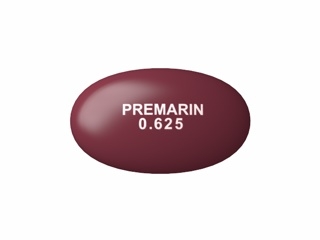
| Typical form (varies by product) | Oral tablets (strengths vary) |
| How it is used | Daily dosing, either continuous or cyclic depending on the indication and your uterus status |
| Brand availability | Available through pharmacy supply in Australia (availability may vary by strength and formulation) |
Important: Estrogen therapy is not one-size-fits-all. The “right” regimen depends on your symptoms, your medical history, and whether you still have a uterus.
2) How Premarin Works (Mechanism of Action)
Estrogens are female sex hormones involved in the regulation of many body processes. In menopause and other states of reduced estrogen, symptoms can occur due to lower estrogen levels. Premarin provides conjugated estrogens, which act as estrogen replacement therapy.
- Relieves menopausal symptoms: Helps reduce hot flushes, night sweats, and vaginal dryness in many people.
- Supports tissue maintenance: Estrogen helps maintain the lining of the vagina and urogenital tissues.
- Influences bone health: Estrogen can help slow bone loss, reducing the risk of osteoporosis in appropriate patients.
Estrogen can also affect the growth of the uterine lining (endometrium). For people who have a uterus, an appropriate progestogen is usually used to reduce the risk of endometrial overgrowth.
3) Pharmacokinetics (How the Body Handles It)
“Pharmacokinetics” describes what the body does with a medicine—how it is absorbed, distributed, metabolised, and eliminated.
- Absorption: After oral administration, conjugated estrogens are absorbed through the gastrointestinal tract.
- Distribution: Estrogen compounds distribute throughout the body and bind to plasma proteins, influencing how long they remain active.
- Metabolism: Estrogens are metabolised primarily in the liver through pathways including conjugation and oxidation.
- Excretion: Metabolites are eliminated mainly via the urine and bile.
Because estrogen metabolism varies between individuals, your response and tolerance can differ. Your healthcare professional may adjust the dose or regimen based on symptom control and side effects.
4) Typical Use in Australia
Premarin is used as systemic estrogen therapy for conditions associated with estrogen deficiency. In practice, it may be considered for:
- Moderate to severe menopausal vasomotor symptoms (such as hot flushes and night sweats).
- Menopause-related vaginal and urinary symptoms when systemic therapy is appropriate.
- Prevention of postmenopausal osteoporosis in selected patients who are at risk and where estrogen therapy is suitable.
The suitability of estrogen therapy depends on your personal risk profile (for example, history of blood clots, stroke, certain cancers, liver disease, or unexplained vaginal bleeding).
5) Indications (When It May Be Used)
In line with clinical practice and regulatory indications, Premarin may be used for:
- Menopausal hormone therapy for symptom relief.
- Estrogen deficiency states where estrogen replacement is required.
- Selected osteoporosis prevention scenarios (where benefits outweigh risks).
Your doctor will also consider whether you have a uterus. If you still have your uterus, estrogen therapy typically needs to be combined with a progestogen regimen to protect the endometrium.
6) Dosing and Timing (Practical Overview)
Dosing depends on the reason you’re taking Premarin, your symptoms, your age, and whether you have a uterus. The medicine may be used:
- Continuous combined therapy (often used to reduce bleeding patterns)
- Sequential/cyclic regimens (common where progestogen is added for part of the cycle)
General timing guidance: Take Premarin at the same time each day to help maintain steady estrogen levels.
- Starting therapy: Many people notice symptom improvement within weeks, though vaginal symptoms may take longer.
- Review timeframe: Symptom control and side effects should be reviewed regularly (often within the first few months and then periodically).
- Lowest effective dose: Clinicians aim to use the lowest effective dose for the shortest duration consistent with your treatment goals.
If you miss a dose: Follow the instructions provided with your specific product and advice from your pharmacist. In general, if it is close to the next dose, you may be advised to skip rather than double.
Always use the exact strength and regimen prescribed for you.
7) Food Interactions and Administration Tips
Estrogens are often taken with or without food. For many users, food does not meaningfully reduce effectiveness. However, stomach sensitivity can vary.
- With food: If Premarin causes nausea or stomach discomfort, taking it with food may help.
- Consistent routine: Taking it the same way each day can help you remember and improve tolerability.
Certain supplements and dietary habits may influence hormone metabolism indirectly (for example, through effects on liver enzymes), but consistent evidence varies. Tell your pharmacist about any herbal products or supplements you take.
8) Alcohol and Medicine Interactions
Alcohol
Moderate alcohol intake may not directly interact with conjugated estrogens in most people. However, alcohol can worsen certain side effects (such as nausea) and may affect liver function.
For best safety, keep alcohol intake modest and discuss your alcohol habits with a healthcare professional—especially if you have liver disease or a history of hormone-related complications.
Other medicines (important interactions)
Premarin can interact with medicines that affect liver enzymes and hormone metabolism. Some medicines may reduce estrogen levels and weaken effect; others may increase estrogen exposure.
- Enzyme inducers (may reduce estrogen effect): certain anticonvulsants (for example, carbamazepine, phenytoin), some antibiotics like rifampicin, and certain treatments for HIV.
- Anticoagulants and antiplatelet medicines: Estrogen therapy can affect clotting risk; always discuss combined use carefully.
- Other hormones or hormone-related therapies: Combining hormonal products should be medically supervised.
- Herbal products: Some herbal products (for example, St John’s wort) may affect metabolism and reduce efficacy.
- Thyroid medication: Estrogen can increase levels of thyroid-binding globulin, potentially changing your thyroid medication needs in some cases.
If you start, stop, or change a medicine, ask your pharmacist whether it could affect Premarin.
9) Safety Profile and When to Seek Help
Like all medicines, Premarin has potential side effects and safety considerations. The overall risk-benefit balance depends on your individual factors.
Common side effects
- Breast tenderness or swelling
- Nausea, bloating
- Headache
- Mood changes
- Vaginal bleeding or spotting (especially during the first months or with sequential regimens)
- Changes in libido
Serious risks (seek medical advice promptly)
Stop and seek urgent medical attention if you experience symptoms suggestive of serious complications. These may include:
- Signs of blood clots: sudden swelling or pain in a leg, chest pain, sudden shortness of breath.
- Stroke symptoms: facial drooping, weakness/numbness on one side, speech difficulties.
- Severe abdominal pain or sudden vision changes.
- Unusual or persistent vaginal bleeding, especially after a period of no bleeding.
- Yellowing of the skin/eyes (jaundice) or severe itching, which may suggest liver issues.
Risk-reduction principles
- Use the lowest effective dose and review therapy regularly.
- Appropriate uterine protection: if you have a uterus, combined estrogen–progestogen therapy is typically used.
- Regular screening: follow breast and cervical screening recommendations.
- Control modifiable risks: maintain healthy weight, stay active, and avoid smoking.
10) Practical Use Tips (Day-to-Day Living)
- Choose a consistent time: Taking Premarin at the same time each day improves adherence.
- Use reminders: phone alarms or a daily medication organiser can help prevent missed doses.
- Track symptoms: note hot flush frequency, night sweats, sleep quality, and any vaginal discomfort—useful for treatment reviews.
- Monitor bleeding patterns: some spotting can happen early, but unexpected bleeding should be discussed with your clinician.
- Keep up with check-ups: periodic review of dose and need for continued therapy is important.
- Tell your healthcare team: inform dentists, surgeons, and emergency providers that you use hormone therapy.
If you are planning surgery or have prolonged immobilisation (for example, long flights), ask your doctor about clot-risk management.
11) Alternative Options
If Premarin isn’t suitable or you prefer other approaches, there are several alternatives depending on the symptoms you’re treating.
Alternative hormone therapy forms
- Other estrogen preparations (different formulations or brands).
- Transdermal estrogen (patch/gel): some people prefer patches for convenience and may find it has different clot risk characteristics compared with oral therapy (discuss with your doctor).
- Local (vaginal) estrogen for primarily vaginal symptoms: often delivers targeted treatment with less systemic exposure.
Non-hormonal options
- Non-hormonal symptom therapies for hot flushes (options vary by patient and country guidance).
- Lifestyle measures that can support symptom control (for example, avoiding triggers for hot flushes, temperature management, sleep strategies).
Your best alternative depends on whether you need relief for vasomotor symptoms, vaginal symptoms, bone protection, or all of these.
12) Market and Legal Context for Australia
In Australia, medicines containing estrogens are regulated and supplied through established pharmacy systems. Access to hormone therapy is managed to ensure appropriate clinical assessment and safe use.
Product availability can vary by strength and formulation. Your local pharmacy can confirm current stock and substitute options if a specific strength is temporarily unavailable.
National guidance in Australia emphasises careful patient selection, the use of the lowest effective dose, regular review, and consideration of individual risk factors. Recommendations may also address the role of different routes of administration.
Recent guidance (general themes)
- Personalised decision-making based on symptom severity and health history.
- Clear discussion of benefits vs risks, especially clotting and breast cancer considerations.
- Using estrogen therapy for the shortest duration consistent with treatment goals.
- Ensuring that people with a uterus receive appropriate progestogen protection.
Guidance can be updated over time; speak with a pharmacist or clinician for the most current advice tailored to you.
13) Delivery and Availability (Online Pharmacy Notes)
Online pharmacies in Australia typically supply hormone medicines through standard distribution channels. Delivery times can vary based on your location and the current supply status of the specific product strength.
- Availability: may vary by dose strength and formulation.
- Dispatch: most orders are dispatched within business hours once confirmed.
- Delivery: estimated delivery times are usually provided at checkout.
- Substitution: if a product is unavailable, your pharmacy may offer an equivalent alternative where legally and clinically appropriate.
To avoid delays, ensure your delivery address is correct and allow for signature requirements if applicable.
14) FAQ – Frequently Asked Questions
Can I take Premarin for hot flushes?
Yes, Premarin may be used for moderate to severe menopausal vasomotor symptoms such as hot flushes and night sweats when hormone therapy is appropriate for you. Your clinician will assess your risk factors and choose the most suitable regimen and dose.
If I still have my uterus, do I need another medicine with Premarin?
Often, yes. Estrogen can stimulate the uterine lining. If you have a uterus, a progestogen is commonly used in combination to help reduce the risk of endometrial overgrowth. Your doctor will advise the right schedule for your situation.
When will I notice an improvement?
Some people notice symptom improvement within a few weeks. Vaginal discomfort and dryness may take longer. Treatment should be reviewed periodically to confirm you’re on the most effective and safest regimen.
What should I do if I accidentally miss a dose?
Follow the guidance provided with your specific product or pharmacy advice. In many cases, you may be instructed to take it as soon as you remember unless it’s close to your next dose—then skip the missed dose rather than doubling. If you’re unsure, ask your pharmacist.
Are there foods I should avoid?
Typically, you can take Premarin with or without food. If you get nausea, consider taking it with food. There are no universal dietary restrictions, but your pharmacist can advise on any specific concerns based on your full medication list.
Can I drink alcohol while taking Premarin?
Moderate alcohol may not be a direct interaction for everyone, but alcohol can affect your overall health and may worsen certain side effects. If you have liver problems or other risks, discuss alcohol use with a healthcare professional.
What medicines interact with Premarin?
Interactions can occur with medicines that affect liver enzymes and hormone metabolism. Examples can include some anticonvulsants, certain antibiotics, some medicines for HIV, and herbal products such as St John’s wort. Always provide your pharmacist with a complete list of medicines and supplements.
Are there warning signs I should watch for?
Seek urgent medical help for possible blood clot or stroke symptoms (such as chest pain, sudden shortness of breath, leg swelling, facial drooping, weakness, or speech trouble), or for unusual persistent vaginal bleeding. If you develop jaundice or severe symptoms, contact a healthcare professional promptly.
Is Premarin the only option available?
No. Depending on your symptoms, you may be able to consider other estrogen types or routes (including transdermal forms or local vaginal estrogen) or non-hormonal symptom options. A clinician can help you choose based on symptoms and risk factors.
How often should my treatment be reviewed?
Treatment should be reviewed regularly to confirm benefit, check side effects, and ensure the dose remains appropriate. Your clinician will advise a schedule tailored to you.
15) Summary
Premarin (conjugated estrogens) is a systemic estrogen therapy used to treat specific symptoms of estrogen deficiency, especially around menopause. It works by replacing estrogen and helping relieve vasomotor and urogenital symptoms, with potential benefits for bone health in selected patients. Safe use depends on correct dosing, appropriate combination therapy when a uterus is present, awareness of possible interactions, and regular clinical review.
If you’d like, tell me your age range, the main symptoms you’re treating (hot flushes, night sweats, vaginal dryness, bone health, or other), and whether you have a uterus. I can help outline what questions to ask your pharmacist or doctor and what considerations are commonly relevant.