
Anastrozole (Arimidex® and generics) – Patient-Friendly Product Information (Australia)
Anastrozole is a medicine commonly used in the treatment of hormone-sensitive breast cancer in postmenopausal women. It belongs to a group called aromatase inhibitors and works by lowering oestrogen levels in the body. This page provides clear, practical information about how anastrozole works, how it is used, what to expect, and important safety guidance.
Note: This information is designed to help you understand your medicine. Always follow the specific directions given by your healthcare professional.
1) Basic product information
- Medicine name: Anastrozole
- Class: Aromatase inhibitor
- Common brand name: Arimidex® (brand examples may vary)
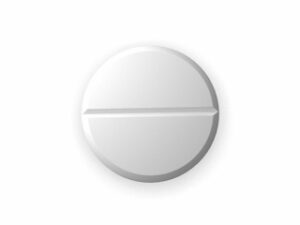
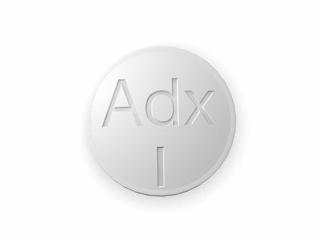
- Available forms: Tablets (strengths commonly 1 mg; packaging may vary)
- Typical patient group: Mainly postmenopausal women (or where oestrogen suppression is appropriate)
- How it’s taken: Usually once daily by mouth
In Australia, anastrozole is supplied through authorised pharmacy channels. Availability and product appearance can differ between brands and generics.
2) Indications (what anastrozole is used for)
Anastrozole reduces oestrogen production. Because some breast cancers rely on oestrogen to grow, lowering oestrogen can help control the disease. Your healthcare team may prescribe anastrozole for one or more of the following situations:
- Early breast cancer (oestrogen receptor–positive): often used as adjuvant therapy to reduce recurrence risk.
- Advanced/metastatic breast cancer (hormone receptor–positive): used to slow progression in appropriate patients.
- Extended adjuvant therapy: for some patients after completing initial treatment, to reduce the risk of recurrence.
Your exact indication depends on tumour hormone receptor status, menopausal status, prior treatments, and your overall health.
3) Mechanism of action (how it works)
Anastrozole works by blocking the enzyme aromatase. Aromatase converts androgen-like hormones into oestrogen (oestrogens are key growth signals in certain breast cancers).
By inhibiting aromatase, anastrozole:
- lowers oestrogen levels
- reduces hormonal stimulation of oestrogen receptor–positive breast cancer cells
- helps decrease the likelihood of cancer recurrence and/or progression (depending on the treatment setting)
4) Pharmacokinetics (how the body handles anastrozole)
Pharmacokinetics describes how a drug is absorbed, distributed, metabolised, and eliminated. Understanding these general features can help with expectations about dosing and drug interactions.
| Property | General description |
|---|---|
| Absorption | Absorbed after oral administration; peak levels generally occur a few hours after a dose. |
| Food effects | Food has minimal clinically important effect on overall exposure in most cases. |
| Distribution | Distributes throughout the body; binds to plasma proteins. |
| Metabolism | Primarily metabolised by the liver (via enzyme pathways including CYP450). |
| Elimination | Metabolites are eliminated mainly via urine and/or faeces. |
| Half-life | Elimination half-life is long enough to support once-daily dosing. |
If you have liver impairment, your prescriber may adjust monitoring. If you are unsure, ask your pharmacist for guidance tailored to your situation.
5) Typical use and treatment timing
Anastrozole is typically taken once daily. Treatment schedules may vary depending on whether it’s used for early disease, metastatic disease, or extended adjuvant therapy.
How to take it
- Time of day: Choose a consistent time each day to help you remember.
- With or without food: Usually either is acceptable.
- Swallowing: Swallow the tablet whole with water.
- Do not double up: If you miss a dose, follow the missed-dose guidance provided by your prescriber/pharmacist.
When you might notice effects
- Oestrogen suppression begins soon after dosing, but measurable clinical benefit may take weeks to months depending on the treatment goal.
- Side effects can appear early (for example, hot flushes or joint aches), while bone changes require longer-term monitoring.
If you are starting anastrozole after another hormone therapy, timing and transition plans should be discussed with your healthcare team.
6) Food interactions
In general, anastrozole can be taken with or without food. Food is not expected to significantly alter the way the medicine works for most patients.
Practical tip: If you find anastrozole upsets your stomach, taking it after a meal may improve comfort. Keep your routine consistent.
7) Alcohol and medicine interactions
Alcohol
Moderate alcohol intake is not specifically known to directly “cancel out” anastrozole. However, alcohol may contribute to symptoms such as:
- hot flushes or sleep disturbance
- fatigue or reduced well-being
- increased risk of falls if you feel unsteady
If you are receiving other treatments (such as chemotherapy) or have liver-related concerns, discuss alcohol use with your healthcare professional.
Other medicine interactions
Because anastrozole is metabolised in the liver, it may interact with medicines that strongly influence liver enzymes. Always tell your pharmacist about all medicines you take, including:
- prescription medicines
- over-the-counter medicines
- vitamins and herbal products
- alternative therapies
In particular, check before using supplements such as “hormone support” products. Some herbal products can have hormone-like effects, which may not be compatible with oestrogen-lowering therapy.
If you are prescribed any new medicine (including antibiotics, antifungals, antidepressants, or seizure medicines), request an interaction check.
8) Dosing (typical adult dose)
For most indications, the common adult dose is:
- 1 mg once daily, taken by mouth.
Your exact dose and schedule should follow your healthcare professional’s instructions. Dose changes should not be made without medical advice.
Missed dose guidance
If you miss a dose, take it as advised by your prescriber/pharmacist when you remember. If it is close to your next dose, generally do not take a double dose. Because specific guidance can vary, ask your pharmacy team for the safest approach for your situation.
Stopping treatment
Do not stop anastrozole early unless your healthcare professional tells you to. Hormone therapies are often continued for a planned duration to lower long-term risk.
9) Safety profile (what to watch for)
Like all medicines, anastrozole can cause side effects. Many people tolerate anastrozole well, but some side effects require prompt medical attention.
Common side effects
- Hot flushes
- Joint pain or stiffness (arthralgia)
- Muscle aches
- Headache
- Fatigue
- Nausea (sometimes)
- Rash (sometimes)
- Reduced sex drive or vaginal dryness
Bone health considerations (important long-term safety)
By lowering oestrogen, anastrozole can contribute to bone thinning (osteopenia/osteoporosis) and increase fracture risk. Your healthcare team may monitor bone density and may recommend:
- calcium and vitamin D intake
- weight-bearing exercise
- bone-protecting medicines in appropriate patients
- regular bone density scans
Less common but important side effects
- Severe allergic reactions (e.g., swelling of face/lips, trouble breathing) — seek urgent help.
- Liver issues (unusual tiredness, dark urine, yellowing of skin/eyes) — contact your doctor promptly.
- Cardiovascular symptoms (chest pain, shortness of breath, leg swelling) — seek urgent assessment.
- Eye problems or significant vision changes — report promptly.
When to get urgent medical help
- Signs of an allergic reaction (difficulty breathing, facial swelling, hives)
- Chest pain or sudden shortness of breath
- Severe weakness, fainting, or signs of stroke (face drooping, speech difficulty)
- Yellow skin/eyes or severe abdominal pain
10) Practical use tips
Managing common side effects
- Hot flushes: dress in layers, avoid overheating, stay hydrated, and discuss options if they affect daily life.
- Joint aches: gentle stretching, physiotherapy, regular low-impact exercise (walking, swimming), and pain relief strategies may help—ask your clinician for safe options.
- Vaginal dryness/discomfort: consider non-hormonal moisturisers/lubricants; ask your healthcare team what is suitable for you.
- Fatigue: prioritise sleep, light activity, and nutrition; report severe or worsening fatigue.
Bone protection habits
- Ensure adequate calcium and vitamin D through diet and supplements if recommended.
- Do regular weight-bearing exercise (for example, brisk walking) plus muscle strengthening.
- Avoid smoking and limit alcohol where possible, as these can affect bone health.
- Report any falls or new persistent back pain.
Adherence (making it easier to stick with treatment)
- Use a daily reminder on your phone or pharmacy app.
- Keep your tablet in a consistent place that you will see every day.
- If you travel, plan your supply and take your dose at the usual time.
11) Alternative options (for discussion with your healthcare team)
Depending on your stage of disease, menopausal status, and prior therapies, anastrozole may be one option among several hormone-related treatments. Alternatives include:
- Other aromatase inhibitors:
- Letrozole
- Exemestane
- Selective oestrogen receptor modulators (SERMs) (in some situations):
- Tamoxifen
- Fulvestrant (an oestrogen receptor downregulator, given by injection) in certain settings.
- Ovarian suppression strategies in patients who are not fully postmenopausal, as advised.
Switching between medicines can sometimes help with side effects, but suitability depends on your clinical context. Always discuss changes with your healthcare professional.
12) Market and legal context for Australia (overview)
In Australia, medicines are regulated under the Australian regulatory system. Anastrozole is an established medicine used in oncology settings. Access typically occurs through authorised supply channels and healthcare pathways.
Pharmacy availability depends on:
- the specific brand or generic product
- strength and pack size
- current supply and prescribing requirements in line with Australian healthcare practices
- patient-specific clinical factors and monitoring plans
If you have questions about eligibility, monitoring, or which product is best suited to you, your pharmacist can help.
13) Recent guidance and monitoring (what to expect)
Over time, clinical practice continues to focus on:
- Bone health monitoring for patients on aromatase inhibitors
- Management of musculoskeletal symptoms (joint and muscle pain)
- Assessment of cardiovascular risk factors where relevant
- Medication review to reduce interactions and improve adherence
Your healthcare team may periodically check:
- bone mineral density (via DEXA scans or similar)
- symptoms and side effects
- overall treatment response where applicable
- any blood tests considered necessary for your overall plan
14) Delivery and availability (online pharmacy Australia)
Availability of anastrozole tablets can vary by brand and supplier. When ordering online, you may see:
- different tablet pack sizes
- brand and generic options (depending on supply)
- delivery estimates based on your location
To ensure a smooth delivery experience:
- double-check your address and contact details
- confirm you can receive parcels during delivery windows
- allow time for dispatch and shipping
If you need urgent supply or have travel plans, contact the pharmacy team before ordering so they can advise the best option.
15) FAQ about anastrozole
Is anastrozole the same as chemotherapy?
No. Anastrozole is hormonal (endocrine) therapy that lowers oestrogen production. Chemotherapy uses different mechanisms to target rapidly dividing cells.
How long will I need to take it?
Treatment duration depends on your diagnosis and treatment goals (early vs advanced disease, and your overall plan). Some patients take it for multiple years as part of extended therapy.
What if I get joint pain or stiffness?
Joint aches are a known side effect. Report them to your healthcare team—there are practical strategies such as exercise/physiotherapy and symptom management options. Don’t stop the medicine without advice.
Will it affect my bone density?
It can. Lower oestrogen can reduce bone mineral density over time. Bone health monitoring and prevention strategies (calcium/vitamin D, exercise, and sometimes bone-protecting medicines) are commonly used.
Can I take anastrozole with food?
Yes. Anastrozole can typically be taken with or without food. Consistency is helpful for routine.
Can I drink alcohol while taking anastrozole?
Generally, there is no strict “absolute” prohibition. However, alcohol can worsen tiredness, sleep quality, and hot flushes for some people, and may affect bone health if intake is high. Keep alcohol moderate and discuss your individual situation with your pharmacist or doctor.
Are there supplements I should avoid?
Be cautious with supplements that affect hormones. Always tell your pharmacist about vitamins, herbal products, and “natural hormone” products. They can sometimes interfere with treatment goals or interact with liver metabolism.
What medicines are most likely to interact with anastrozole?
Medicines that influence liver enzymes can potentially affect anastrozole levels. Because interaction risk varies by the exact medicine, provide your full medication list for a targeted check.
What should I do if I miss a dose?
Follow missed-dose advice from your healthcare professional or pharmacist. In many cases, you should not take a double dose. Ask for the safest instructions for your schedule.
When should I seek urgent help?
Seek urgent medical attention for signs of severe allergic reaction, chest pain, sudden breathing difficulty, symptoms of stroke, or severe liver-related symptoms (such as yellowing of skin/eyes).
16) Summary
Anastrozole is an aromatase inhibitor used to treat hormone-sensitive breast cancer by lowering oestrogen levels. It is generally taken once daily and can usually be taken with or without food.
Important ongoing considerations include bone health, symptom management (such as joint aches and hot flushes), and maintaining a medication routine. Regular follow-up with your healthcare team helps ensure the benefits outweigh any risks.
If you have questions about how to take your tablets, managing side effects, or checking possible interactions, your Australian pharmacy team can help.