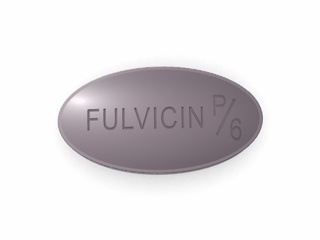
Fulvicin (Griseofulvin) – Patient Information for Australia
Fulvicin is a brand of griseofulvin, an oral antifungal medicine used to treat certain fungal infections of the skin, scalp, nails, and hair. This guide explains how Fulvicin works, how it’s used, what to expect, and important safety considerations for people in Australia.
Basic product information
| Feature | Details |
|---|---|
| Active ingredient | Griseofulvin |
| Brand name | Fulvicin (may vary by formulation) |
| Medicine type | Antifungal (systemic; taken by mouth) |
| Common infection targets | Dermatophyte fungi (tinea/ringworm-type infections); some fungal infections of hair/scalp |
| Form | Oral tablets/suspension depending on availability |
Always check the product packaging and the consumer medicines information for the exact strength and formulation you have. Dosing depends on the type and location of the fungal infection, body weight, and clinical judgement.
What Fulvicin is used for
Fulvicin is primarily used for dermatophyte infections, which are caused by fungi that feed on keratin in skin, hair, and nails. It is commonly used for infections such as:
- Tinea capitis (scalp ringworm, often in children)
- Tinea corporis (body ringworm)
- Tinea barbae (beard area infection)
- Tinea pedis (athlete’s foot—selected cases)
- Tinea unguium (fungal nail infection/onychomycosis in some circumstances)
- Other dermatophyte-related infections as advised by a clinician
Fulvicin is typically not the best choice for yeast infections (such as Candida) or for many mould-related infections. Your clinician or pharmacist can confirm the likely organism based on the site of infection and any test results.
How Fulvicin works (mechanism of action)
Griseofulvin works by targeting fungal cells during their growth. It interferes with microtubule formation—structures fungi need to divide and multiply—leading to impaired fungal growth. Over time, the infected skin, hair, or nail sheds or grows out as the body replaces the affected tissue with healthy tissue.
Key practical point: because fungal growth occurs in skin/hair/nails, improvement often takes time and may be slower than with topical creams.
Pharmacokinetics (how the body handles Fulvicin)
Pharmacokinetics describes how the body absorbs, distributes, metabolises, and eliminates a medicine. While specific values can vary between formulations, the general patterns of griseofulvin are:
- Absorption: Absorption is usually improved by taking the medicine with food.
- Distribution: Griseofulvin distributes into tissues, including skin and the keratin-rich structures where fungi grow.
- Protein binding: It binds to blood proteins (influencing how much is active in circulation).
- Metabolism: It is metabolised mainly by the liver.
- Elimination: Metabolites are cleared from the body, predominantly via the kidneys and/or bile pathways.
Because the medicine depends on building adequate levels in tissue, taking it consistently—and at the correct time with or without food as directed—is important for best results.
Timing and how to take Fulvicin
Fulvicin is taken by mouth, and the exact schedule depends on the dose and infection type. Follow the directions on your label or the instructions given to you.
General timing tips
- Take at the same times each day to maintain steady antifungal levels.
- Don’t skip doses; missing doses can reduce effectiveness.
- Continue for the full course even if symptoms improve. Fungal infections often take weeks to fully clear.
With food vs without food
Griseofulvin absorption is commonly improved when taken with meals (particularly meals containing fat). Many product instructions advise taking it with food to help absorption.
- If your label or consumer information says “take with food,” follow that advice.
- If you’re unsure whether your specific formulation should be taken with meals, speak to your pharmacist.
Food interactions and what to watch
Food can affect griseofulvin absorption. In many cases, taking it after a meal can improve effectiveness. There are no broadly common dietary restrictions (like a “must avoid” list) that apply to everyone, but practical considerations include:
- Take with a full meal where possible if instructed to do so.
- Avoid inconsistent eating patterns (for example, taking on an empty stomach one day and with a meal another day) because absorption may vary.
- Grapefruit and large amounts of certain foods: While not a universal rule for all patients, grapefruit can interact with some medicines through liver enzymes. If you have concerns, ask your pharmacist—especially if you take other liver-metabolised medicines.
Alcohol and medicine interactions
Griseofulvin is metabolised by the liver, and alcohol can also affect the liver and overall tolerance. To support safety and effectiveness:
- Limit alcohol while taking Fulvicin, and avoid heavy or binge drinking.
- If you develop unusual tiredness, persistent nausea, dark urine, yellowing of the eyes/skin, or severe abdominal pain, contact a clinician urgently—these could be signs of liver problems.
Alcohol + other medicines: Alcohol can increase side effects such as dizziness, drowsiness, stomach upset, or headaches when combined with certain medicines. If you are taking other treatments (including over-the-counter products), ask your pharmacist to check for interactions.
Indications (when it is appropriate)
In clinical practice, Fulvicin is indicated for dermatophyte infections where an oral systemic antifungal is appropriate—often when:
- the infection is widespread or recurrent
- the infection involves the scalp, hair, or nails (where topical therapy may be insufficient)
- prior topical or local treatments have not worked
- there is confirmed or strongly suspected dermatophyte infection
The exact indication and suitability depend on the diagnosis, severity, age, and medical history. Your pharmacist can help you understand whether your presentation aligns with typical dermatophyte disease.
Dosing (general guidance)
Dosing of griseofulvin varies by infection type, age, weight, and formulation. Use only the dose described on your product label. Below are general dosing principles (not a substitute for the specific instructions you receive).
Typical dosing principles
- Children: Doses are often weight-based for scalp infections and dermatophyte disease.
- Adults: Dose is selected based on the clinical infection and response.
- Duration: Treatment may extend for weeks to months, especially for nail infections.
Duration: what to expect
Time to improvement depends on which body area is affected:
- Scalp and skin: may start improving within 2–4 weeks, but full clearance can take longer.
- Nails: often require longer courses because nails grow slowly. Even when infection is controlled, visible clearing may lag behind.
If symptoms worsen after starting therapy, or if there is no clear improvement over the expected timeframe, seek advice. Sometimes the diagnosis is different (for example, yeast rather than dermatophytes), or the fungus may be resistant.
Safety profile and side effects
Like all medicines, Fulvicin can cause side effects. Many people experience mild effects, while some can experience serious reactions requiring prompt medical attention.
Common side effects
- Stomach upset (nausea, abdominal discomfort)
- Headache
- Dizziness or feeling light-headed
- Rash or skin irritation
- Fatigue
Less common but important warnings
- Liver problems: Seek urgent advice for signs such as yellowing of eyes/skin (jaundice), dark urine, severe abdominal pain, or persistent vomiting.
- Severe skin reactions: Stop and seek urgent medical help for blistering, peeling skin, or widespread rash with fever.
- Allergic reactions: Get urgent help for swelling of the face/lips, trouble breathing, or hives.
- Blood count changes: Rarely, medicines can affect the blood. Report unusual bruising, infections, or fever.
Driving and operating machinery
If you feel dizzy or drowsy after taking Fulvicin, avoid driving or operating machinery until you know how it affects you.
Practical use tips for best results
- Keep taking it consistently at the prescribed dose and schedule.
- Take with food if your product instructions recommend it—this can improve absorption.
- Don’t share towels or combs, especially for scalp infections.
- Wash bedding and clothing regularly if advised (especially for contagious dermatophyte infections).
- Treat close contacts if recommended: ringworm can spread between household members.
- Expect a delay in visible improvement: skin and nails may take time to grow out and recover.
- Use adjunct topical therapy if directed: many regimens include creams/shampoos for the affected area to reduce spread and fungal load on the surface.
Medication interactions (other medicines and supplements)
Griseofulvin can interact with other medicines, particularly those affecting or affected by liver enzymes. Interaction risk is higher if you take multiple medicines.
Common interaction considerations
- Hormonal contraception: Some liver-metabolised medicines can reduce effectiveness of hormonal contraceptives. If you use oral contraceptive pills, ask your pharmacist for specific guidance on reliability during treatment.
- Other liver-metabolised medicines: Certain medicines can change griseofulvin levels, affecting effectiveness or side effects.
- Anticoagulants (blood thinners): Interactions are possible; regular monitoring may be needed depending on the medicine used.
- Other antifungals/antibiotics: Some combinations may alter levels of one or both medicines.
Make sure your pharmacist knows about everything you take, including:
- prescription medicines
- over-the-counter products (including cough/cold medicines)
- herbal supplements (for example, St John’s wort)
- vitamins and minerals
When to seek medical advice urgently
Contact a clinician or seek urgent help if you experience:
- signs of allergy (facial swelling, trouble breathing, hives)
- signs of liver problems (yellow eyes/skin, dark urine, severe abdominal pain, persistent vomiting)
- severe skin reactions (blistering, peeling skin, rash with fever)
- symptoms that rapidly worsen or spread despite treatment
Alternative options for fungal infections
The “best” alternative depends on the type of fungus and the infection site. Common alternatives include:
- Topical antifungals: creams, ointments, sprays, and gels for mild skin infections (tinea corporis/pedis).
- Antifungal shampoos: for scalp involvement to reduce surface shedding and transmission.
- Other oral antifungals: Some dermatophyte infections may be treated with medicines such as terbinafine or itraconazole, depending on local guidance and the likely fungus.
- Combination approaches: systemic antifungal plus topical treatment to reduce spread and speed resolution.
If Fulvicin is not suitable—because of side effects, interactions, or diagnosis—your pharmacist or clinician can discuss options appropriate for your situation.
Market and legal context for Australia
In Australia, access to medicines is regulated under the Australian Therapeutic Goods Administration (TGA) framework. Medicines may be supplied only under certain conditions (for example, restricted availability, prescription-only status for some products, or pharmacist-only supply for others) depending on their classification and formulation.
Always check the specific status of Fulvicin in the pharmacy you’re using, and follow the instructions provided with the product. For accurate eligibility and supply information, consult your local pharmacy.
Recent guidance and ongoing best practice
Current best practice for dermatophyte infections generally emphasises:
- Confirming the likely fungus (especially for scalp or nail infections that can mimic other conditions)
- Appropriate duration of treatment (particularly for nails)
- Managing transmission within households (hygiene, laundering, avoiding shared personal items)
- Reviewing therapy if there is inadequate response
- Checking drug interactions before starting systemic antifungals
Guidance can vary by patient factors (age, pregnancy status, liver health, co-medications), so always rely on the directions from healthcare professionals for your personal plan.
Delivery and availability (Australia)
Fulvicin availability may vary by pharmacy and by formulation (e.g., tablet vs suspension) and strength. Many online pharmacies in Australia can help arrange supply through licensed distribution channels.
- Check stock status on the product page.
- Allow processing and delivery time, especially for items that are not routinely stocked.
- Follow storage instructions on the label (e.g., keep in a cool, dry place, away from direct sunlight).
If you need urgent treatment, contact customer service to ask about estimated dispatch times and alternatives if the item is temporarily unavailable.
FAQ – Common questions about Fulvicin
1) How long does it take for Fulvicin to work?
You may notice improvement after a few weeks, especially for skin infections. Scalp and nail infections can take longer. Nails grow slowly, so the appearance may not fully clear until weeks to months after treatment begins or finishes.
2) If my rash looks better, can I stop early?
Usually no. Stopping early can allow the fungus to return. Complete the full course as directed.
3) What if I miss a dose?
Take the missed dose when you remember if it’s close to the next scheduled dose; otherwise skip it. Do not take double doses. If you’re unsure, ask your pharmacist for advice based on your schedule.
4) Should I take Fulvicin with food?
Many griseofulvin regimens advise taking with food to improve absorption. Follow your product label. If your instructions differ, follow those instructions or confirm with your pharmacist.
5) Can I drink alcohol while taking Fulvicin?
It’s best to limit alcohol. Alcohol may increase liver strain and side effects. If you drink alcohol, do so cautiously and avoid heavy intake. Seek medical advice if you develop liver-related symptoms.
6) Are there specific medicines I must avoid?
Interactions can occur with several medicines, including certain hormone-containing medicines and other liver-metabolised drugs. Tell your pharmacist about all medicines and supplements you take so they can check compatibility.
7) Can Fulvicin be used in children?
Griseofulvin may be used in children for appropriate dermatophyte infections, particularly scalp infections, but dosing is weight-based and treatment plans vary. Follow the directions provided with your child’s medicine.
8) Will Fulvicin cure contagious ringworm at home?
It can help treat the infection in the body, but household spread is common. Hygiene steps—such as laundering bedding and towels and avoiding shared personal items—often play a major role in preventing reinfection.
9) What side effects should I watch for?
Common effects include stomach upset and headache. Seek urgent medical help for allergic reactions, severe rash, or signs of liver problems such as yellowing of the skin/eyes or dark urine.
10) What if the infection doesn’t improve?
If there’s no meaningful improvement after the expected time, or if it worsens, reassessment is needed. The diagnosis may be different, the fungus may not be dermatophyte, or adherence/absorption may need review.
Summary
Fulvicin (griseofulvin) is an oral antifungal medicine used for dermatophyte infections affecting the skin, scalp, hair, and nails. It interferes with fungal cell growth, and because infected tissue must grow out or shed, treatment can take weeks to months—particularly for nails.
For best results, take Fulvicin consistently and according to the label (often with food), manage hygiene to prevent spread, and discuss possible drug interactions with your pharmacist—especially if you take other medicines or have liver conditions.