Zyban (Bupropion) — Patient-Friendly Guide (Australia)
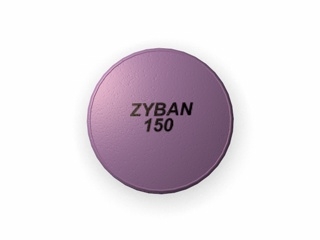
Zyban is a brand of bupropion used to help people stop smoking. It works in the brain to reduce cravings and withdrawal symptoms. This guide explains how Zyban works, how it is taken, common interactions, safety considerations, and what to expect. It is written for information purposes and is not a substitute for advice from a healthcare professional.
1) Basic product information
| Item | Details |
|---|---|
| Medicine | Zyban (bupropion) |
| Common use | Smoking cessation (helping you quit) |
| How it’s taken | Oral tablets (usually sustained/extended-release formulations) |
| Key benefit | Reduces cravings and withdrawal symptoms |
| Important note | Not suitable for everyone; some medical conditions and medicines increase risk |
In Australia, Zyban is available through standard pharmacy channels. Availability, pack size, and formulation may vary.
2) How Zyban works (mechanism of action)
Zyban contains bupropion, an antidepressant-related medicine that also helps with nicotine dependence. While the exact way it reduces smoking is complex, its main actions involve brain chemical pathways that influence reward, craving, and withdrawal.
- Noradrenaline (norepinephrine) reuptake inhibition: helps modulate brain circuits involved in motivation and attention.
- Dopamine reuptake inhibition: can reduce reward-related cravings and support the quitting process.
- Lowering the reinforcing effects of nicotine: may make cigarettes feel less “rewarding,” reducing the urge to smoke.
Unlike nicotine replacement therapies, Zyban is not nicotine itself. It is designed to change brain responses over time so quitting is more manageable.
3) Pharmacokinetics (how your body handles it)
Pharmacokinetics refers to what happens after you take a dose—absorption, distribution, metabolism, and elimination.
- Absorption: bupropion is absorbed after oral administration, with peak blood levels occurring a few hours after dosing (exact timing depends on formulation).
- Metabolism: it is primarily metabolised in the liver.
- Active metabolites: bupropion is converted into metabolites, including one called hydroxybupropion (and others). These contribute to the overall effect.
- Elimination: mainly cleared via metabolism and excretion pathways through the body.
- Time to steady effect: the medicine is not usually expected to “work instantly.” Many people feel benefits over the first 1–2 weeks, while full support for quitting develops with consistent dosing.
Practical takeaway: Zyban requires planning. Starting it before your quit date helps the brain adapt so you’re supported when you stop smoking.
4) Typical use and indications
Indication in Australia
Zyban is used to help stop smoking in people who want to quit. It may be recommended as part of a broader quit plan, which can include behavioural strategies and counselling.
Not for everyone
Because of safety considerations (particularly seizure risk and interactions), a healthcare professional will check that Zyban is appropriate for you. People with certain health histories or who use certain medicines may need alternative approaches.
5) Timing: when to start and when to quit
Zyban is usually started before your target quit date so its effects can build up.
- Start date: begin taking Zyban about 1–2 weeks before the planned quit date (follow the schedule given to you).
- Quit date: after the initial period, stop smoking on your planned quit date.
- Continuation: continue the treatment for the planned course length so cravings and withdrawal are addressed during the critical early weeks.
Tip: Choose a specific quit day, remove cigarettes and smoking triggers from your environment, and plan what you will do when cravings hit.
6) Dosing (general information)
Dosing should be individualised. Always follow the dosing plan provided with your medication. Below is general guidance commonly used for bupropion formulations intended for smoking cessation.
- Typical course: gradual titration may be used at the beginning to improve tolerability.
- Maximum daily dose: should not be exceeded. Your prescriber/pharmacist will calculate the safest option for you.
- Swallowing tablets: follow instructions on the pack. Do not crush, chew, or split tablets unless the label specifically allows it.
Missed dose: If you miss a dose, do not take a double dose. Take the next dose at the usual time unless your healthcare professional advises otherwise.
Special situations: dose adjustments may be necessary for people with certain medical conditions (for example, liver impairment) or for those taking interacting medicines.
7) Food interactions and what to eat
Food is generally not a major issue with bupropion. In many cases, Zyban can be taken with or without food. However, for comfort and consistency:
- Take it at the same times each day.
- If you experience nausea or stomach upset, taking it with a light meal may help.
- Avoid very high-fat meals immediately before dosing if it affects your tolerability (response varies between people).
Consistency matters: keeping dosing times stable helps maintain more predictable drug levels.
8) Alcohol and medicine interactions
Alcohol
Alcohol requires extra caution with bupropion. Combining alcohol with Zyban can increase the risk of:
- Seizures (especially with heavy drinking, binge drinking, or abrupt changes in alcohol intake)
- Sleep and nervous system side effects such as dizziness or impaired coordination
If you drink alcohol, discuss how much is safe for you. Some people are advised to limit or avoid alcohol during treatment—particularly during the initial weeks or if they have risk factors.
Medicine interactions (important)
Certain medicines can raise seizure risk, increase bupropion levels, or create other safety concerns. Examples include:
- Other medicines that lower the seizure threshold (for example some antidepressants, antipsychotics, stimulants, and certain antibiotics—your pharmacist can screen your list)
- Medicines that affect liver enzymes used to metabolise bupropion
- Medicines that affect dopamine/noradrenaline systems may increase side effects
- Some antiarrhythmics or other neurological medicines may require review
Always tell your pharmacist about:
- All prescription medicines
- Over-the-counter medicines
- Herbal supplements (including St John’s wort)
- Recreational substances
Additionally, if you take medicines for depression, anxiety, attention, or sleep, a careful interaction check is essential.
Nicotine products and caffeine
Using nicotine replacement (such as patches or gum) may be considered in some quit plans. Caffeine isn’t usually a direct interaction risk, but both quitting smoking and medication effects can influence sleep and anxiety—so moderation may help.
9) Safety profile: who should be cautious
Zyban is generally well tolerated by many people when used correctly, but it has important safety considerations.
Key risks to be aware of
- Seizures: the most serious risk. Risk can increase with higher doses, eating disorders, certain medical conditions, or interaction with other seizure-threshold–lowering medicines.
- Neuropsychiatric effects: some people may experience agitation, mood changes, or unusual behaviour.
- Blood pressure/heart rate effects: monitoring may be needed, especially in those with cardiovascular conditions.
- Allergic reactions: rare but potentially serious. Stop use and seek urgent help if you develop swelling, rash with breathing difficulty, or severe skin reactions.
- Insomnia: may occur, particularly if taken too late in the day.
Conditions that may affect suitability
Zyban may not be suitable for some individuals, including those with:
- History of seizures or conditions that increase seizure risk
- Current or past eating disorders (such as bulimia or anorexia nervosa)
- Significant liver impairment (needs careful assessment)
- Certain neurological disorders
- Use of interacting medicines (must be reviewed)
Pregnancy and breastfeeding: discuss with a healthcare professional if you are pregnant, planning pregnancy, or breastfeeding. Smoking itself carries health risks, but medicine choice should be individualised.
10) Practical use tips for quitting smoking
Zyban works best when it’s part of a plan. The following practical strategies can improve success:
- Create a quit plan (set a quit date, identify triggers like stress, alcohol, driving, or social situations).
- Prepare for cravings: cravings often peak within minutes and fade. Have a “craving script” (e.g., drink water, chew sugar-free gum, take a short walk, do breathing exercises).
- Use reminders: keep tablets visible and use alarms for doses.
- Protect sleep: take doses earlier in the day if insomnia occurs (follow label and dosing schedule).
- Stay supported: counselling, support lines, or group programs can significantly increase quit success.
- Track progress: note smoke-free days and celebrate milestones.
- Plan for slips: a slip doesn’t equal failure. If you smoke once, restart immediately and review triggers.
Do not increase your dose to “catch up” if you miss a day. If side effects occur or you feel the treatment isn’t suiting you, seek advice—dose changes or alternative approaches may be needed.
11) Alternative options for smoking cessation
There are several alternatives or add-ons to Zyban. Your best option depends on your history, other medicines, preferences, and any medical conditions.
Common alternatives
- Nicotine replacement therapy (NRT): patches, gum, lozenges, inhalators, and sprays. Often used to reduce cravings and withdrawal.
- Varenicline: a prescription medicine that targets nicotine receptors to reduce cravings and withdrawal and decrease the “reward” from smoking.
- Behavioural support: counselling and structured quit programs (pharmacist support, GP support, Quitline services).
- Combination approaches: some people benefit from combining NRT products or using NRT together with other medicines (only if advised by a healthcare professional).
Choosing an option: If you’ve tried quitting before, the reason it didn’t stick (cravings, mood, weight concerns, triggers) can guide the next step.
12) Market and legal context for Australia
In Australia, smoking cessation medicines are regulated by the Therapeutic Goods Administration (TGA). Healthcare professionals and pharmacies must dispense medicines in line with Australian rules and the approved product information.
Because bupropion has important safety considerations—particularly seizure risk and drug interactions—Australian guidance typically emphasises:
- Appropriate screening before starting therapy
- Adherence to dosing instructions
- Review of current medicines and medical history
- Monitoring for side effects, especially during the early weeks
Quit support resources in Australia (including national counselling services) are widely encouraged alongside medication where appropriate.
13) Recent guidance and what to expect during treatment
While individual circumstances differ, Australian clinical practice generally focuses on:
- Starting before the quit date so cravings and withdrawal are anticipated
- Regular follow-up early in treatment to check tolerability and progress
- Monitoring mood and behaviour for any unusual changes
- Clear advice about alcohol and interacting medicines
- Combining medication with support for higher success rates
If you experience significant side effects or worsening mood, speak with a healthcare professional promptly.
14) Delivery and availability (online pharmacy)
In Australia, pharmacies may offer delivery for medicines subject to applicable regulations, identity verification, and relevant dispensing requirements. Availability can vary by:
- Stock on hand
- Pack size and formulation
- Prescribing and supply requirements under local regulations
Delivery tips:
- Check estimated delivery times at checkout.
- Ensure your delivery address allows safe receipt (and that you’ll be available if signature is required).
- Store tablets as directed on the pack (usually at controlled room temperature, away from moisture and heat).
If Zyban is temporarily unavailable, ask your pharmacist about alternatives such as NRT options or other cessation medicines that may be in stock.
15) FAQ
How long does it take for Zyban to help?
Many people notice some benefit within the first 1–2 weeks, but the goal is to start before your quit date so the medicine is working when you stop smoking. The strongest support typically comes as you continue the treatment consistently.
What’s the best time of day to take Zyban?
Often, it’s taken earlier in the day to reduce the chance of insomnia. Follow the schedule on your pack and the instructions given to you. If you feel overly alert or cannot sleep, contact your pharmacist for advice on timing.
Can I smoke while starting Zyban?
Yes—typically you begin Zyban before your planned quit date and keep smoking during the initial period. Then you stop on your quit date. If you feel unwell or cravings change significantly, seek advice rather than altering your plan without guidance.
Can I use nicotine patches or gum with Zyban?
Some people use NRT alongside other cessation approaches. Whether this is suitable for you depends on your situation and should be discussed with a healthcare professional.
Is Zyban safe with antidepressants?
Some antidepressants can interact with bupropion, and both medicine types can affect seizure threshold and neurotransmitter systems. Tell your pharmacist about every medicine you take so they can screen for interactions and safety.
What should I avoid while on Zyban?
It’s important to avoid alcohol excess and to avoid starting new medicines or supplements without checking for interactions. Also follow dosing instructions and avoid exceeding the recommended dose.
What side effects are common?
Common side effects can include insomnia, dry mouth, headache, nausea, or dizziness. These often improve as your body adjusts, but if they are severe or persistent, contact a healthcare professional.
When should I get urgent help?
Seek urgent medical care if you have symptoms suggesting a severe allergic reaction (such as swelling of the face/lips, difficulty breathing, widespread rash), seizures, or severe mood changes.
What if I miss a dose?
Take it when you remember unless it’s close to the next dose. Do not take a double dose to make up for a missed one. If you often forget doses, consider using alarms or a pill organiser.
Are there alternatives if Zyban isn’t suitable for me?
Yes. Depending on your health profile and preferences, options may include nicotine replacement therapy, varenicline, or counselling-based approaches (sometimes combined). Your pharmacist can help you compare options.
Important reminder: Quit attempts are personal and can involve setbacks. If you’re considering Zyban, discussing your medical history and current medicines with a healthcare professional can make treatment safer and more effective.