Xylocaine (Lidocaine) – Patient Guide (Australia)
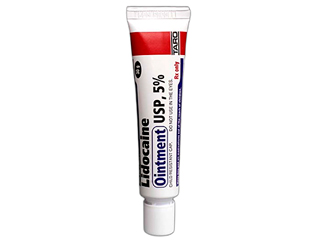
Xylocaine is a brand name for lidocaine, a locally acting medicine used to reduce pain and discomfort by temporarily numbing the area where it is applied or injected. Depending on the product form (for example, gel, spray, cream, patch, or injection), Xylocaine may be used for minor procedures, painful conditions, and specific medical treatments.
This guide explains how Xylocaine works, how quickly it acts, how it is used, and important safety considerations for people in Australia.
1. Basic product information
- Active ingredient: Lidocaine
- Brand: Xylocaine
- Common forms: topical gel/cream, spray, patch, and injectable formulations (varies by product)
- Therapeutic use: local anaesthetic (numbing) and anti-arrhythmic in selected hospital settings (for injectable use)
- Manufacturer/availability: Brand products are available through medical and pharmacy supply channels in Australia, subject to product and supply variations
Note: Different Xylocaine products have different strengths and dosing schedules. Always follow the instructions on the specific pack you have.
2. How Xylocaine works (mechanism of action)
Lidocaine blocks voltage-gated sodium channels in nerve cells. This prevents the generation and transmission of nerve impulses responsible for pain and sensation. The result is a temporary numbness in the treated area.
Depending on the route:
- Topical/local use: numbs superficial nerves (e.g., skin or mucous membranes).
- Injected use (by trained clinicians): numbs deeper tissues or blocks nerve pathways.
Lidocaine does not usually treat the underlying cause of pain. Instead, it reduces discomfort to help procedures or symptoms feel more manageable.
3. Pharmacokinetics (how the body handles it)
Pharmacokinetics can vary significantly based on the formulation, site of application, and skin or mucous membrane condition (intact skin vs. broken skin, inflamed tissue, etc.). In general terms:
- Absorption: Topical lidocaine can be absorbed through mucous membranes and broken/inflamed skin. Absorption is generally lower from intact skin.
- Onset of action: Can be fast for topical products, often within minutes; patches and creams may take longer depending on thickness and placement.
- Distribution: Lidocaine binds moderately to plasma proteins.
- Metabolism: Primarily metabolised by the liver.
- Elimination: Mainly excreted by the kidneys as metabolites.
Why this matters: Because lidocaine is metabolised by the liver, people with liver impairment may need extra caution to avoid excessive blood levels. Also, use on larger areas, more frequent dosing, or higher strength products can raise the risk of side effects.
4. Typical uses
Xylocaine (lidocaine) is used to relieve pain or reduce sensation in several situations, depending on the specific product.
Common indications (examples)
- Minor procedures and local anaesthesia in healthcare settings
- Temporary relief of pain associated with minor skin irritation or small superficial conditions (where a topical local anaesthetic is appropriate)
- Dental or oral discomfort when a product is designed for oral mucosal use (often via gel/spray)
- Urethral or medical instrumentation (typically clinician-administered)
- Musculoskeletal discomfort when used as part of an approved treatment approach (product-specific)
Important: The correct indication depends entirely on the specific formulation and the approved product instructions. Always check your pack label and leaflet.
5. Timing: when Xylocaine starts to work
Timing varies by product type and the area treated.
General expectations
- Topical gel/cream/spray: often begins to work within minutes.
- Patch: may take longer to reach full effect as it releases lidocaine gradually.
- Injected lidocaine: works relatively quickly for procedural anaesthesia, with duration depending on the dose and whether a vasoconstrictor is used (clinician decision).
Duration: The numbing effect is usually temporary. If your symptoms do not improve as expected, or numbness lasts longer than expected, seek medical advice.
6. Food interactions
For most people using topical lidocaine, food interactions are unlikely because absorption into the bloodstream is generally limited. However, if lidocaine is used in higher systemic-dose contexts (for example, clinician-administered injections), interactions related to the liver’s processing can become relevant.
Practical advice: If you are using a topical product, you can generally take it with or without food. If you have liver disease or are using multiple medicines, discuss your situation with a pharmacist.
7. Alcohol interactions and medicine interactions
Alcohol
Alcohol may increase the risk of side effects, such as dizziness, drowsiness, or impaired coordination, particularly if lidocaine is absorbed more than expected (for example, over large areas, repeated application, or use on damaged skin).
- Recommendation: Avoid alcohol until you know how you respond to the product.
- Extra caution: If you are also taking medicines that affect the nervous system.
Medicine interactions
Lidocaine can interact with certain medicines, especially when systemic absorption is high. Tell your pharmacist about all medicines you use, including:
- Other local anaesthetics (increases risk of excessive lidocaine levels)
- Medicines affecting liver enzymes (can change lidocaine metabolism)
- Anti-arrhythmic medicines and some cardiac medicines (mainly relevant for injectable/clinical use)
- CNS medicines (sedatives or other drugs that can increase dizziness)
- Medicines that affect bleeding or skin sensitivity (not direct lidocaine interactions, but relevant for safe product use)
Topical caution: If you are using lidocaine on extensive areas or under occlusion (covering with tight dressings), absorption may rise and interactions become more relevant.
8. Indications: who may benefit and what to expect
Xylocaine is indicated for numbness and pain reduction where local anaesthesia is appropriate. Depending on the clinical context, it may be used for:
- Procedural pain (e.g., numbing for examinations or minor interventions)
- Symptomatic relief for local discomfort when recommended for that specific condition and product type
- Management plans for certain types of nerve-related pain where topical approaches are suitable (product-specific)
Not suitable for everyone: Lidocaine products are not appropriate for all types of pain. If pain is severe, new, associated with fever, swelling, injury, or spreading rash, you should seek clinical assessment rather than relying on numbing alone.
9. Dosing: general guidance
Follow your product label and the instructions provided with your specific Xylocaine formulation. Dosing varies by strength, route, and the body area being treated.
Because incorrect dosing can lead to serious side effects, the following sections provide general guidance rather than exact dosing instructions.
Typical dosing principles
- Use the smallest amount that achieves the desired effect.
- Apply to the correct area only (avoid eyes and large mucosal surfaces unless specifically instructed for that product).
- Allow enough time between applications for the effect to develop and wear off.
- Do not exceed the maximum daily dose stated on the pack leaflet.
- Do not apply more frequently than recommended.
Children and elderly
- Children: Dosing must be appropriate for age and weight. Use only if the product and strength are specifically indicated for children, and follow pharmacist guidance.
- Elderly: Generally similar dosing may be used, but caution is advised if kidney or liver function is reduced.
Special caution (site and skin condition)
- Damaged skin / inflamed tissue: absorption may increase.
- Large treated area: higher absorption increases risk.
- Occlusion (covering): can increase absorption—avoid unless your pack instructions allow it.
If you think you may have used too much: contact a healthcare professional immediately or call the Poisons Information Centre (Australia: 131 126), especially if you notice symptoms such as ringing in the ears, metallic taste, light-headedness, seizures, or difficulty breathing.
10. Safety profile: side effects and when to seek help
Most people tolerate lidocaine well when used correctly. However, side effects can occur—especially if too much is applied, if applied too frequently, or if used on areas where absorption is higher.
Common local side effects (topical)
- Temporary numbness or reduced sensation beyond the expected area
- Mild burning or stinging at the application site
- Redness or irritation
- Dryness or minor skin reactions
Serious side effects (seek urgent help)
Serious reactions may indicate systemic toxicity (excess lidocaine absorbed) or an allergic reaction.
- Signs of allergy: swelling of the face/lips, hives, wheezing, trouble breathing
- Signs of excessive lidocaine: dizziness, confusion, blurred vision, ringing in the ears, metallic taste, tremor, severe drowsiness
- Severe toxicity: seizures, fainting, slow/irregular heartbeat, breathing difficulties
If any severe symptoms occur, seek urgent medical assistance immediately.
Who needs extra caution
- Liver disease (reduced metabolism)
- Heart rhythm problems or serious cardiac conditions (especially relevant for clinician-administered use)
- Pregnancy and breastfeeding: discuss with a pharmacist/doctor to ensure the product is appropriate and used correctly
- People with multiple medication use (higher chance of interactions)
11. Practical use tips for safer, more effective results
How to use topical Xylocaine safely
- Wash hands before and after applying.
- Use a clean application method (for example, a gloved finger or a clean applicator if required).
- Apply a thin layer unless your specific product instructs otherwise.
- Avoid eyes and use care around sensitive areas.
- Do not apply to broken, infected, or weeping skin unless the product leaflet allows it and a clinician has advised you.
- Do not cover with airtight dressings unless directed.
- Monitor the area—numbness can lead to accidental injury (e.g., burns or bites).
Aftercare
- Once numbness fades, re-check the area for persistent irritation.
- If you have ongoing pain that worsens, redness spreads, or there is discharge, stop and seek advice.
What to avoid while numb
- Be careful with hot drinks, heating pads, or friction—numb skin can burn without noticing.
- Avoid shaving or aggressive rubbing of the numbed area until sensation returns.
12. Alternative options
Depending on the pain cause and the product form, alternatives may include other topical local anaesthetics or different classes of pain relief.
Potential alternatives (examples)
- Other topical anaesthetics: for example products containing benzocaine or prilocaine (where available and appropriate)
- Oral analgesics: paracetamol or ibuprofen may be considered for general pain (if suitable for you)
- Non-drug approaches: cold packs for acute inflammation (when appropriate), rest, physiotherapy, and nerve pain strategies
- Prescription options in clinical care: for nerve pain, some medicines target nerve signalling rather than local numbness
Best choice depends on: the specific condition, location of pain, age, other medical problems, and the formulation you have access to.
13. Xylocaine in the Australian market: regulatory and legal context
In Australia, medicines are regulated to ensure quality, safety, and appropriate use. The availability of Xylocaine products may vary by strength and form and whether the product is supplied through general pharmacy channels or via clinician administration.
Key points for customers:
- Always check the Consumer Medicine Information (CMI) or product leaflet included with your specific item.
- Follow label directions closely, especially regarding maximum doses and treatment area.
- Ask a pharmacist if you are unsure about the correct product for your symptoms.
Recent guidance note: Because regulatory and product availability can change over time, it’s recommended to refer to the most current leaflet supplied with your product and any safety updates communicated by health authorities or the manufacturer.
14. Delivery and availability in Australia
Availability of Xylocaine varies depending on the specific product type (gel, spray, patch, or injection) and strength. Some formulations may be kept in pharmacy stock, while others may require ordering.
Delivery considerations
- Cold-chain requirements: Most lidocaine topical products do not require refrigeration. However, always confirm storage instructions on the label.
- Packaging: Ensure the product arrives in intact packaging and has not exceeded expiry date.
- Order accuracy: Double-check the strength and form (gel/cream/spray/patch) before use.
If you need help choosing the right product form or strength for your use, a pharmacist can guide you.
15. FAQ
How fast does Xylocaine work?
Topical lidocaine products often start working within minutes. Patches may take longer to reach maximum effect. The exact timing depends on the formulation and the area treated.
How long will the numbing last?
Duration varies by product type and the site of application. In general, topical numbness is temporary and wears off gradually after use.
Can I use Xylocaine on broken skin?
Absorption can be higher through broken or inflamed skin, increasing the risk of side effects. Use only if the product leaflet specifically allows it and you’ve been advised it’s appropriate.
Can I drive after using Xylocaine?
Topical use is unlikely to impair driving for most people. However, if you experience dizziness, light-headedness, unusual drowsiness, or blurred vision, do not drive or operate machinery until you feel normal.
What are the signs I may have used too much?
Possible signs include dizziness, ringing in the ears, metallic taste, confusion, tremor, severe sleepiness, or breathing difficulty. If severe symptoms occur, seek urgent medical help. For suspected overdose, contact the Poisons Information Centre (Australia: 131 126).
Is Xylocaine safe for children?
Safety depends on the specific product and dosing instructions. Children may be more sensitive to absorption. Use only as directed for the child’s age and weight, and seek pharmacist advice when unsure.
Can I use Xylocaine during pregnancy or breastfeeding?
Some lidocaine uses may be considered when benefits outweigh risks, but the decision depends on the form, area, and frequency. Speak with a pharmacist or healthcare professional to ensure it’s appropriate.
Are there interactions with other pain medicines?
Topical lidocaine generally has fewer interactions than oral medicines. Still, tell your pharmacist about all medicines you take, especially other local anaesthetics or medicines that affect liver metabolism.
Does food affect Xylocaine?
Food interactions are generally not expected for topical use. If lidocaine is used in clinical settings with systemic exposure, liver metabolism can become more relevant, so medical advice is important.
Can I drink alcohol with Xylocaine?
It’s best to avoid or limit alcohol until you know how the product affects you. Alcohol may increase dizziness or other side effects if systemic absorption occurs.
What if my pain does not improve?
If pain persists, worsens, or you notice signs of infection (e.g., increasing redness, swelling, warmth, fever, pus), seek medical advice rather than relying on continued numbing.
Summary
Xylocaine (lidocaine) provides temporary local numbness by blocking nerve signals. When used correctly, it can reduce pain and discomfort for appropriate conditions and procedures. Always use the correct product form and strength, apply only to the intended area, and follow maximum dosing instructions. If you experience severe symptoms or signs of an allergy, seek urgent medical help.
Have questions about the right product or how to use it safely? Contact your pharmacist for personalised advice tailored to your situation.