

Urispas (Flavoxate Hydrochloride) — Patient Information Guide (Australia)
Urispas is a medicine used to relieve symptoms of the urinary tract, particularly bladder discomfort that may involve urgency, frequency, and painful spasms. This guide explains what Urispas is, how it works, how it’s taken, and what to consider to use it safely and effectively in Australia.
Always read the Consumer Medicine Information (CMI) supplied with your medicine. If you are unsure whether Urispas is suitable for you, speak with a qualified healthcare professional.
Quick Facts
- Medicine name: Urispas
- Active ingredient: Flavoxate hydrochloride
- What it helps: Relief of bladder spasm-related urinary symptoms
- Common symptoms targeted: Urgency, frequent urination, discomfort/burning linked to bladder irritation (not always infection)
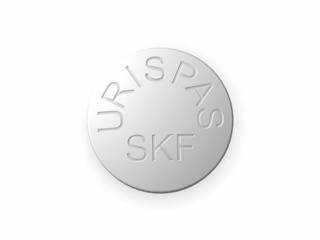
- Common form: Tablets (strength varies by product presentation)
What is Urispas?
Urispas contains flavoxate hydrochloride, an antispasmodic medicine. It is intended to help ease bothersome urinary symptoms related to bladder spasms and irritation of the urinary tract.
In simple terms, Urispas aims to reduce the abnormal contractions (spasms) that can trigger urgency and frequent urination. It does not replace treatment for conditions such as bacterial bladder infection (cystitis), kidney stones, or more serious causes of urinary symptoms.
How Urispas Works (Mechanism of Action)
Flavoxate acts mainly on the urinary tract:
- Antispasmodic effect: Helps relax smooth muscle in the bladder, reducing spasms.
- Symptom relief: By reducing involuntary bladder contractions, it can reduce urgency, frequency, and discomfort.
- Not an antibiotic: It does not kill bacteria, so it won’t treat infections by itself.
Important: If symptoms are due to infection, you may need an antibacterial medicine and/or medical assessment.
Pharmacokinetics (What the Body Does to the Medicine)
Pharmacokinetics describes how the body absorbs, distributes, metabolises, and eliminates a medicine.
- Absorption: After oral dosing, flavoxate is absorbed from the gastrointestinal tract.
- Distribution: The medicine circulates in the body and reaches the urinary tract to exert its effect.
- Metabolism: Flavoxate is metabolised primarily in the body (the exact pathways and proportions can vary).
- Excretion: Metabolites are eliminated largely via the kidneys, contributing to urinary tract exposure.
Individual factors such as age, kidney function, and other medicines can influence the intensity and duration of effects.
What is Urispas Used For? (Indications)
Urispas is commonly used for urinary symptoms associated with bladder spasm and irritation, such as:
- Urinary urgency
- Increased frequency of urination
- Bladder discomfort related to spasms
- Lower urinary tract symptoms where spasm/irritation is suspected
Not a cure for: bacterial urinary tract infections, kidney infection, kidney stones, or other serious urinary conditions.
Timing & When to Take It
How quickly you notice relief can vary. Some people experience improvement within hours, while others may need consistent dosing for symptom control across the day.
Typical timing approach:
- Take Urispas at the times recommended on the product packaging or CMI.
- Try to maintain an even schedule across the day to keep symptom control steadier.
- If you miss a dose, take it when you remember unless it is close to the next dose. Do not double up.
Seek urgent advice if: symptoms worsen quickly or you develop fever, flank/back pain, blood in urine, or severe pain.
Dosing — How Much to Take
Dose depends on the age group and the specific strength of the tablet. Always follow the dosing instructions on your product label or CMI.
General guidance (adult use):
- Commonly taken multiple times daily for symptom relief.
- Do not exceed the maximum daily dose stated in the product documentation.
Children: Urispas dosing in children must be guided by the product label/CMI and a healthcare professional where appropriate. Use caution with paediatric dosing.
Special populations:
- Older adults: may be more sensitive to side effects (e.g., dizziness). Start cautiously if recommended.
- People with kidney impairment: ask a clinician/pharmacist for advice before using, as drug handling may be affected.
For exact dose and frequency, check the Urispas pack you have (strength and regimen can differ).
Food Interactions & Taking With Meals
Food interactions with flavoxate are generally not considered major for most users. However, for best tolerance:
- You may take Urispas with or without food if the product instructions allow.
- If you experience stomach upset, taking it with a light meal or after food may reduce discomfort.
- Stay well hydrated unless your doctor has restricted fluids.
Tip: Keep a consistent routine (for example, take doses after meals) to make timing easier.
Alcohol and Medicine Interactions
Alcohol can worsen urinary symptoms and may also increase the chance of side effects such as dizziness or drowsiness.
- Avoid or limit alcohol while using Urispas, especially if you notice light-headedness.
- If you combine alcohol with other medicines that cause sedation, side effects may be more noticeable.
When to be cautious: If you regularly drink alcohol or take other medications that affect the nervous system, talk to a pharmacist about potential interactions.
Other Medicine Interactions
Drug interactions can vary depending on your specific medicines and health conditions. The main safety approach is to review your medicine list with a pharmacist.
Consider extra caution if you take:
- Other antispasmodic/anticholinergic medicines (which can affect bladder, digestion, or cause dryness/drowsiness).
- Medicines that cause drowsiness (sedatives, some antihistamines, certain pain medicines).
- Medicines for urinary issues that also alter bladder muscle activity.
Practical advice: Tell your pharmacist about all prescription and non-prescription products you use, including vitamins, herbal remedies, and “as needed” medications.
Safety Profile — Side Effects and Warnings
Most people tolerate Urispas well, but like all medicines it can cause side effects. The severity and likelihood vary between individuals.
Common or mild side effects
- Dizziness
- Nausea or stomach discomfort
- Dry mouth (in some people)
- Headache
Seek medical advice urgently if you develop
- Allergic reaction (swelling of face/lips, hives, difficulty breathing)
- Severe or persistent symptoms not improving after a short trial
- Signs of kidney infection: fever, chills, back/flank pain, feeling very unwell
- Blood in urine or severe pain
Driving and machinery: If you feel dizzy, avoid driving or operating machinery until you know how you respond.
Who should be extra cautious?
- People with glaucoma or urinary retention risk (speak with a pharmacist/doctor).
- Those with heart rhythm issues or other serious chronic conditions should check suitability.
- Pregnancy or breastfeeding: safety guidance depends on your specific situation—discuss with a clinician.
Practical Use Tips
Following these tips can help you get the best symptom control and avoid common pitfalls.
- Hydrate appropriately: Unless you’ve been told to restrict fluids, drink water regularly.
- Don’t ignore infection red flags: Fever, burning with high pain, cloudy urine with strong odour, or flank pain may suggest infection.
- Track your symptoms: note urgency/frequency changes and any triggers (caffeine, dehydration, cold exposure).
- Avoid bladder irritants: caffeine (coffee/tea/energy drinks), alcohol, and very acidic drinks can worsen bladder irritation.
- Maintain good toileting habits: respond when you feel the urge rather than “holding” if that worsens discomfort.
- Use for the right purpose: if symptoms are mainly due to infection, pain control and hydration may help while you arrange appropriate medical assessment.
When to See a Doctor (Important)
While Urispas may relieve symptoms of bladder spasm, it cannot determine the cause of urinary symptoms. Consult a healthcare professional if:
- Symptoms do not improve within a few days of starting therapy (or as directed by the CMI).
- You have recurrent urinary symptoms.
- You suspect urinary infection (e.g., burning with urination, fever, worsening pain).
- You are pregnant, have diabetes, or are immunocompromised.
- You experience blood in urine or severe lower abdominal pain.
Alternative Options
If your symptoms aren’t improving, or if Urispas isn’t suitable for you, there may be other approaches depending on the underlying cause.
Symptom-focused options
- Hydration and bladder comfort strategies (warm fluids, avoid irritants)
- Urinary analgesics/comfort measures where appropriate (ask a pharmacist about options in Australia)
Cause-based options
- If symptoms are due to infection, appropriate antibacterial treatment may be needed.
- If there are signs of stones or other conditions, medical evaluation is essential.
Professional guidance matters: The best alternative depends on whether your issue is spasms, infection, stones, or another bladder/urinary condition.
Market & Legal Context in Australia
Medicines available in Australia must meet regulatory requirements set by Australian health authorities. Availability and classification (how medicines are supplied) can change over time.
In general:
- Your pharmacy will provide medicines according to their regulatory status (e.g., whether they are available for general sale or through specific supply pathways).
- Many urinary symptom medicines are accessible via pharmacies, but guidance may differ based on strength, pack size, and indications.
- Always ensure you’re buying from a reputable supplier and that packaging is appropriate for Australia.
For the most current regulatory status, check the product packaging or ask your pharmacist.
Recent Guidance & Practical Clinical Considerations
Over recent years, clinicians and health authorities have increasingly emphasised accurate assessment of urinary symptoms. Key themes include:
- Don’t assume every urinary symptom is infection: bladder spasm/irritation can mimic infection symptoms.
- Identify “red flags” early: fever, back/flank pain, and blood in urine should prompt urgent assessment.
- Use symptom relief appropriately: medicines like Urispas can help discomfort when spasm is suspected, but persistent symptoms still require review.
Good practice: If symptoms keep returning, ask a healthcare professional about testing (e.g., urine analysis/culture) and possible triggers or risk factors.
Delivery & Availability (Australia)
Urispas is typically available through pharmacies and approved online pharmacy services in Australia, depending on supply, stock levels, and regulatory requirements at the time of purchase.
- Order processing: Many online pharmacies dispatch once payment is confirmed and stock is checked.
- Delivery times: Shipping timelines vary by state/territory and courier services.
- Cold chain: Urispas tablets are generally not temperature-sensitive like some biologics; however, always follow product storage instructions on the pack.
- Returns: Return policies for medicines are commonly restricted for safety and hygiene reasons. Check the store’s policy.
Storage: Keep tablets in the original packaging, protected from moisture and heat, and out of reach of children. Follow the storage conditions on the label.
FAQ
1. Is Urispas the same as an antibiotic?
No. Urispas (flavoxate) is used for symptom relief related to bladder spasms. It does not treat bacterial infections. If you suspect infection, you may need other treatment and medical advice.
2. How long does Urispas take to work?
Some people notice symptom improvement within hours. For others, effective symptom control may take a short period with regular dosing as directed. If there is no improvement after a few days, seek medical advice.
3. Can I take Urispas with food?
Usually yes. If you have a sensitive stomach, taking it after food may help. Follow the instructions on your pack or CMI.
4. What symptoms suggest I should get medical help instead of relying on Urispas?
Seek medical advice urgently if you develop fever, chills, back/flank pain, blood in urine, severe pain, or if symptoms worsen rapidly. Also consult if symptoms persist or keep returning.
5. Can I drink alcohol while taking Urispas?
It’s best to limit or avoid alcohol while using Urispas. Alcohol can worsen urinary symptoms and may increase dizziness or other side effects.
6. Are there age restrictions?
Urispas may be used in adults and sometimes in children, but dosing and suitability can differ. Check your product label/CMI and ask a pharmacist for advice for children.
7. What should I do if I miss a dose?
If you remember soon after, take it. If it’s close to the next scheduled dose, skip the missed dose. Do not take a double dose.
8. What side effects should I watch for?
Possible side effects include dizziness, nausea, dry mouth, or headache. Seek urgent help for allergic reactions or severe/persistent symptoms.
9. Can Urispas be used for frequent urination at night?
Urispas may help if night-time symptoms are related to bladder spasms/irritation. However, frequent urination at night can also have other causes (e.g., infection, prostate-related issues in men, sleep and fluid patterns). If it’s persistent, get medical advice.
10. Are there non-medicine measures that can help?
Yes. Hydration, avoiding bladder irritants (especially caffeine and alcohol), and observing triggers can reduce irritation. Warm fluids and comfort measures can also help some people.
Product Summary
Urispas (flavoxate hydrochloride) is designed to relieve urinary symptoms associated with bladder spasm and irritation. It works by relaxing smooth muscle in the bladder to reduce urgency and frequency. While it can provide symptom relief, it is not an antibiotic and should not delay medical assessment if symptoms suggest infection or other serious causes.
If you’d like, tell us your age group and the main urinary symptoms you’re experiencing (e.g., urgency, frequency, burning, fever). We can help you find information on whether symptom-relief options are likely appropriate and what warning signs to watch for.