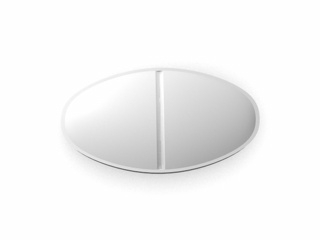
Uniphyl Cr (Theophylline) – Patient Guide (Australia)
Uniphyl Cr contains theophylline in a controlled-release (Cr) formulation. It is used to help improve breathing in certain chronic lung conditions by relaxing airway muscles and improving airflow.
This guide explains what Uniphyl Cr is, how it works, how to take it safely, key food and medicine interactions, and what to expect in everyday use.
1. Basic product information
- Brand: Uniphyl Cr
- Active ingredient: Theophylline
- Formulation: Controlled-release (Cr)
- Medicine type: Bronchodilator (xanthine derivative)
- Common strengths: Varies by pack (ask your pharmacist or refer to your label)
- Who it may suit: People with chronic symptoms where long-term bronchodilation is needed
Uniphyl Cr is designed to release theophylline slowly, helping maintain steadier levels in the blood compared with immediate-release forms.
2. What it does: mechanism of action
Theophylline helps open airways (bronchodilation) and can reduce airway inflammation-related effects. Its actions include:
- Relaxing smooth muscle in the airways, making breathing easier.
- Phosphodiesterase (PDE) inhibition, which increases levels of cyclic AMP (cAMP) in cells involved in airway tone.
- Anti-inflammatory effects and potential reduction in bronchial responsiveness in some patients.
- Improving diaphragmatic function in some situations (indirect functional benefits).
The overall result is improved airflow and fewer or less severe symptoms such as wheeze, breathlessness, and chest tightness.
3. Pharmacokinetics (how the body handles it)
Pharmacokinetics describes absorption, distribution, metabolism, and excretion.
- Absorption: Controlled-release theophylline is absorbed gradually to maintain blood concentrations.
- Distribution: Theophylline distributes throughout body tissues, including the lungs.
- Metabolism: Mainly metabolised in the liver (notably via cytochrome P450 enzymes). This is a major reason why drug interactions can be important.
- Elimination: Excretion occurs largely via the kidneys.
- Therapeutic range: Theophylline has a narrower margin between effective and potentially harmful effects. Blood levels may be monitored in some patients.
Factors that can change theophylline levels include age, liver function, smoking status, and certain medicines.
4. Typical use and timing
What it’s used for
Uniphyl Cr (theophylline) is commonly used as an add-on medicine for chronic lung conditions where ongoing bronchodilation is helpful—particularly in people with persistent symptoms despite other therapies.
In Australia, theophylline may be used in conditions such as:
- Chronic asthma (in selected patients, depending on severity and response to other options)
- Chronic obstructive pulmonary disease (COPD) and chronic bronchitis symptoms
Your healthcare team will decide if Uniphyl Cr is appropriate based on your symptoms, current treatments, and risk of interactions.
When it starts working
- Controlled-release forms typically begin working after absorption, with effects building over time.
- Some people notice symptom relief within hours, while others require several days to assess the steady effect.
How to time doses (general guidance)
- Follow the dosing schedule on your label.
- Do not adjust dosing frequency or amount without advice.
- Try to take doses at consistent times each day to help maintain steady levels.
Because Uniphyl Cr is controlled-release, it should generally be taken to keep blood concentrations stable rather than “as-needed.”
5. Indications (when doctors may consider Uniphyl Cr)
Uniphyl Cr may be considered for patients who need ongoing support for breathing symptoms, such as:
- Prevention of recurring wheeze and breathlessness related to chronic airway narrowing
- Support for bronchodilation in persistent asthma or COPD symptoms
- Adjunct therapy when other controller or reliever strategies alone may not provide adequate symptom control
Theophylline is not suitable for everyone. It may be avoided or used with extra care in certain situations (for example, higher interaction risk, significant heart rhythm history, or certain liver issues).
6. Dosing: what to know
Dose varies widely between individuals because theophylline blood levels can be affected by metabolism and interactions. For that reason, dosing is commonly individualised.
General principles
- Use the dose written on your label.
- Uncontrolled dose changes can increase the risk of side effects.
- When starting or changing dose, the prescriber may consider theophylline blood monitoring for safety.
How to take Uniphyl Cr
- Swallow whole with water.
- Do not crush or chew the controlled-release tablet/capsule unless your product instructions specifically say otherwise.
- If you miss a dose, follow label instructions or ask your pharmacist for advice—avoid taking extra doses to “catch up.”
Important: If you are unsure about how to take your specific Uniphyl Cr formulation (tablet vs capsule) and instructions for splitting or swallowing, check the package or speak with a pharmacist.
7. Food interactions and lifestyle
Food can affect how theophylline is absorbed and how quickly levels change. For most people, the key is consistency.
General food guidance
- Be consistent with meal timing (take doses at similar times each day).
- Take with water; the medicine may be taken with or after food if advised to reduce stomach upset.
- Unexpected nausea or reflux may occur—if so, discuss timing with your pharmacist.
Avoid sudden changes
Certain foods and dietary patterns may influence metabolism (especially if they change your overall intake of key nutrients or if you also use other interacting medicines). Avoid major dietary changes around the time you start or adjust therapy unless your healthcare team advises.
8. Alcohol interactions
Alcohol may increase the risk of theophylline side effects (such as nausea, dizziness, headaches, and palpitations) and can affect liver metabolism.
- Limit alcohol where possible.
- Avoid binge drinking.
- If you regularly drink alcohol or have liver disease, discuss theophylline suitability with your clinician.
9. Medicine interactions (very important)
Theophylline levels can be altered by many medicines—especially those that affect liver enzymes. This can lead to reduced effectiveness or increased risk of toxicity.
Common interaction categories to discuss with your pharmacist
- Macrolide antibiotics (e.g., clarithromycin, erythromycin)
- Fluoroquinolone antibiotics (e.g., ciprofloxacin)
- Antifungal medicines (some azoles can raise theophylline levels)
- Some heart rhythm or cardiac medicines (theophylline may affect heart rate)
- Anti-seizure medicines (some can lower levels; others may change risk)
- Smoking and nicotine products (smoking can increase theophylline metabolism, lowering levels)
- Other bronchodilators (your regimen may be adjusted to avoid excessive side effects)
- Stimulants and some cold/flu products
What you should do
- Keep an updated list of all medicines, including over-the-counter and herbal products.
- Tell your pharmacist before starting new medicines, including antibiotics and antifungals.
- If you stop smoking or start smoking, inform your prescriber/pharmacist—levels may change.
If you have been given a new antibiotic or antifungal, it’s especially important to check interaction risk promptly.
10. Safety profile: side effects and when to seek help
Like all medicines, Uniphyl Cr may cause side effects. Many are dose-related and more likely if levels become too high. Theophylline can have effects on the gastrointestinal tract, heart rate, and the nervous system.
Common or mild side effects
- Nausea or stomach discomfort
- Heartburn or reflux
- Headache
- Tremor (mild)
- Sleep disturbance
- Feeling jittery
Serious side effects (seek urgent medical help)
Seek urgent medical attention if you experience signs that theophylline levels may be too high or your body is reacting strongly, such as:
- Severe or persistent vomiting
- Fainting or severe dizziness
- Very fast, irregular, or pounding heartbeat
- Seizures
- Severe agitation, confusion, or significant worsening tremor
Who needs extra caution
- Older adults (may have slower clearance)
- People with liver impairment
- People with a history of seizures
- People with certain heart rhythm conditions
- Anyone taking interacting medicines
Never double up on doses to make up for missed tablets. If side effects occur, consult your pharmacist or clinician for dosing review.
11. Practical use tips
Make it easier to take consistently
- Use a daily routine (e.g., with breakfast and evening meal at consistent times).
- Consider a pill organiser if your dose schedule is stable.
- Set a reminder to avoid missed doses.
Controlled-release handling
- Keep tablets/capsules in their original packaging.
- Store as directed on the label (commonly at room temperature away from moisture).
- Do not alter the tablet/capsule shape or release characteristics (don’t crush/chew) unless instructed.
Monitoring and follow-up
Because theophylline has potential toxicity at higher blood concentrations, your clinician may consider blood tests in certain situations, such as:
- Starting therapy
- Dose changes
- Symptoms suggesting excess levels
- New interacting medicines
- Reduced kidney or liver function
12. Alternative options (depending on your condition)
If Uniphyl Cr isn’t suitable or isn’t effective enough, your healthcare team may consider other asthma or COPD medicines. Options may include:
- Inhaled corticosteroids (ICS) for inflammation control in asthma and COPD (where appropriate)
- Long-acting beta2-agonists (LABA) for bronchodilation
- Long-acting muscarinic antagonists (LAMA) for COPD symptom relief
- Short-acting relievers such as salbutamol for quick symptom relief
- Leukotriene receptor antagonists in certain asthma patterns
- Other xanthines (if clinically considered, though theophylline remains a common choice)
Alternatives depend on your diagnosis, severity, symptom pattern, and existing treatment plan. Always discuss changes with a pharmacist or clinician.
13. Market and legal context for Australia
In Australia, medicines are regulated under the Therapeutic Goods Administration (TGA). Availability and prescribing requirements depend on the product’s scheduling, approved indications, and safety requirements.
Uniphyl Cr is an established medicine used under clinical guidance for appropriate patients. Theophylline has interaction and safety considerations, which is why careful review of medicines and patient factors is important.
For the most accurate information for your specific product pack, refer to:
- the consumer medicine information (CMI) supplied with the medicine
- your pharmacist’s counselling
- the TGA database via official sources
14. Recent guidance (general trends in asthma/COPD care)
While treatment protocols vary, recent years have seen an overall emphasis on:
- Optimising inhaled therapy (technique, adherence, and appropriate controller medications)
- Personalising add-on treatments rather than relying on older systemic bronchodilators for many patients
- Reducing adverse effects by monitoring interaction risk and using the lowest effective dose when systemic bronchodilators are needed
Theophylline remains an option for selected patients, but due to its narrower safety margin and interaction profile, it’s important that clinicians weigh the benefits against risks for each individual.
15. Delivery and availability (Australia)
Availability of Uniphyl Cr can vary by strength and formulation. In an online pharmacy setting, stock may depend on supplier timelines and dispensing schedules.
- Delivery areas: Typically across Australia, subject to service coverage
- Processing time: May vary based on prescription/dispensing requirements and verification processes
- Packaging: Medicines are usually packed securely with protective labelling
- Cold-chain: Uniphyl Cr is generally not a cold-chain product unless otherwise stated on your specific pack
If you need Uniphyl Cr urgently or you’re concerned about stock availability, contact customer support so they can check current timelines.
16. Uniphyl Cr FAQ
How many times a day should I take Uniphyl Cr?
It depends on your prescribed regimen and your pack strength. Always follow the dosing directions on your label. Controlled-release products are not usually taken more frequently than instructed.
Can I take Uniphyl Cr “as needed” when I feel short of breath?
Uniphyl Cr is typically used as a regular, long-term medicine for symptom prevention and ongoing bronchodilation. For quick relief during sudden symptoms, you should use your reliever (often a fast-acting inhaler) as directed by your asthma/COPD action plan.
What if I miss a dose?
If you miss a dose, take it only if you are close to the next dose timing. Do not take extra doses to compensate. If you’re unsure, ask your pharmacist for advice based on your schedule.
Should I avoid caffeine?
Caffeine can act as a stimulant and may worsen side effects like jitteriness, tremor, or sleep problems in some people. Because theophylline is related to xanthines, it’s wise to keep caffeine intake consistent and discuss high caffeine use with your pharmacist or clinician.
Can I drink alcohol while taking Uniphyl Cr?
It’s best to keep alcohol limited. Alcohol may increase the risk of side effects and can affect liver metabolism. If you drink regularly or have liver disease, discuss this with your healthcare professional.
Are there foods I should avoid?
You generally don’t need strict food avoidance, but consistency is helpful. Sudden large dietary changes or changes in meal timing may affect symptoms in some people. If you get stomach upset, taking doses with food may help—ask your pharmacist about your options.
What medicines commonly interact with theophylline?
Many medicines can interact, especially certain antibiotics, antifungals, anti-seizure medicines, and some cardiac medications. Always check with your pharmacist before starting any new medicine, including over-the-counter products and herbal supplements.
Why is monitoring sometimes recommended?
Theophylline can be effective at specific blood levels, but higher levels can increase the risk of side effects. Monitoring may be used when starting therapy, changing dose, or when interaction risks change.
What side effects suggest my dose might be too high?
Symptoms that can suggest higher levels include significant nausea/vomiting, severe headache, tremor, marked restlessness, palpitations, irregular heartbeat, or confusion. If you experience severe symptoms or signs like seizures, seek urgent medical help.
Is Uniphyl Cr safe for everyone?
Not necessarily. Extra caution is needed for people with liver problems, heart rhythm issues, seizure history, older age, or those taking interacting medicines. Your healthcare team will assess your risk and benefits before use.
Quick reference: key safety reminders
| Topic | What to remember |
|---|---|
| Controlled-release | Swallow whole; don’t crush/chew unless instructed for your specific product. |
| Consistency | Take at consistent times daily; keep meal timing fairly regular. |
| Interactions | Tell your pharmacist about all medicines, antibiotics, antifungals, OTC products, and herbal items. |
| Smoking/caffeine | Smoking can affect theophylline levels; caffeine may worsen side effects for some people. |
| Alcohol | Limit alcohol; increased side effects and metabolism changes are possible. |
| Seek urgent help | Severe vomiting, fainting, severe palpitations/irregular heartbeat, seizures, or severe confusion. |
If you have questions about your Uniphyl Cr dosing schedule, interactions with current medicines, or how to manage side effects, your pharmacist is the best first point of contact.