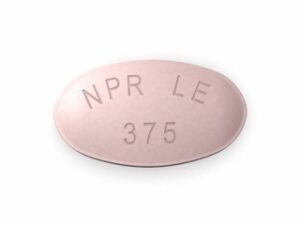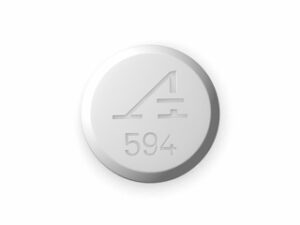

Toradol (Ketorolac) – Patient Information (Australia)
Toradol is a brand of ketorolac, a medicine from the group known as NSAIDs (non-steroidal anti-inflammatory drugs). It is used to treat short-term, moderate to severe pain, often when fast pain relief is needed.
This page explains how Toradol works, how it is used, what to expect, and the main safety considerations—tailored for readers in Australia.
Quick facts
- Active ingredient: Ketorolac (NSAID)
- What it’s used for: Short-term treatment of moderate to severe pain
- How it works: Reduces pain and inflammation by lowering prostaglandins
- Typical duration: Usually up to 5 days total (depending on form and local advice)
- Common cautions: Stomach/intestinal bleeding, kidney effects, and increased cardiovascular risk—especially in higher-risk people
Basic product information
Toradol contains ketorolac tromethamine. In Australia, Toradol may be supplied in different formulations depending on availability (commonly tablets and/or injections, depending on supply channel and clinical setting).
Important: Product strength, dosing instructions, and how to take it can vary by formulation and by your individual circumstances. Always follow the instructions provided with your product and any healthcare advice you receive.
How Toradol works (mechanism of action)
Ketorolac provides pain relief mainly through its effect on prostaglandins—chemicals in the body that contribute to pain, fever, and inflammation.
It works by inhibiting cyclo-oxygenase (COX) enzymes, particularly COX-1 and COX-2. This reduces prostaglandin production, which in turn:
- lowers pain sensitivity
- reduces inflammation
- may reduce fever
Note: Toradol is a strong NSAID for short-term pain. It is not typically used for long-term arthritis or chronic pain conditions.
Pharmacokinetics (what the body does with ketorolac)
Pharmacokinetics describes how ketorolac is absorbed, distributed, metabolised, and eliminated. While individual responses vary, the following patterns are typical for ketorolac:
- Absorption: After oral dosing, ketorolac is absorbed through the gastrointestinal tract. Food may affect the speed of absorption, but not always the overall amount absorbed.
- Peak levels: Blood levels generally rise to a maximum within hours after dosing (exact timing can vary by formulation and individual).
- Distribution: Ketorolac distributes throughout tissues and reaches sites where pain signals originate.
- Metabolism: The body metabolises ketorolac mainly in the liver.
- Elimination: Ketorolac and its metabolites are eliminated primarily via the kidneys. This is why kidney function is a key safety consideration.
- Half-life: Ketorolac has an elimination half-life that supports short-term, limited dosing schedules.
Why this matters for you: Because ketorolac is eliminated through the kidneys and can affect kidney function, lower doses and shorter durations are often needed in people with reduced kidney function or higher risk factors.
What Toradol is used for (indications)
Toradol is used for short-term management of moderate to severe pain. It is commonly used in settings where rapid pain control is required, such as:
- acute pain episodes
- post-procedural pain (depending on clinical context)
- pain requiring NSAID-level analgesia for a limited period
It is not intended for long-term treatment of chronic pain conditions.
Typical dosing and timing
Follow your product label and healthcare advice. Dosing depends on age, kidney function, pain severity, and whether you are using oral and/or injection forms. Some general principles apply:
- Use the lowest effective dose for the shortest possible duration.
- Total duration is usually limited (often up to 5 days overall).
- Do not combine with other NSAIDs (for example ibuprofen, naproxen, diclofenac) unless specifically advised.
General timing guidance
- Take Toradol at the times prescribed.
- If you miss a dose, do not take an extra dose to “catch up.” Instead, take the next scheduled dose.
- Try to space doses evenly if multiple daily doses are prescribed.
Dose adjustments and higher-risk groups
Dose requirements may differ for:
- Older adults (often increased sensitivity to NSAID side effects)
- People with kidney impairment
- People with history of stomach ulcers or GI bleeding
- People taking certain interacting medicines (see interactions section)
If you are unsure about what dose applies to you, check the packaging or ask your pharmacist.
How to take Toradol (practical use tips)
- Take with water. Swallow tablets whole.
- Use regularly as directed during the period you need pain control.
- Stop and seek advice if you develop warning symptoms (see “When to get urgent help”).
- Do not exceed the maximum daily or total duration noted for your product.
Food and stomach protection
Food can influence how quickly ketorolac starts to work. In many people, taking NSAIDs with food may help reduce stomach discomfort.
- If your stomach feels sensitive, consider taking it with or after food (unless your product instructions say otherwise).
- Avoid lying down immediately after dosing if you get reflux or heartburn.
Food interactions
Toradol’s interaction with food is mainly about tolerability and absorption speed, rather than a major “chemical” interaction.
General advice:
- Taking with food may reduce nausea and stomach upset.
- Empty stomach may increase the chance of indigestion or gastritis-like symptoms for some people.
Note: Avoid taking ketorolac with other ulcer-irritating substances (for example excessive alcohol) because they can increase the risk of stomach problems.
Alcohol and medicine interactions
Alcohol
It is generally recommended to avoid alcohol while taking Toradol. Alcohol can increase the risk of:
- stomach irritation
- gastrointestinal bleeding
- kidney strain (especially if you are dehydrated)
Important medicine interactions
Some medicines can increase the risk of bleeding, kidney injury, or other adverse effects when used with ketorolac. Tell a healthcare professional or pharmacist if you take:
- Other NSAIDs (e.g. ibuprofen, naproxen, aspirin used for pain, diclofenac) – increases GI and kidney risk
- Blood thinners (e.g. warfarin; some medicines for clot prevention) – increased bleeding risk
- Antiplatelets (e.g. clopidogrel, some aspirin regimens) – increases bleeding risk
- Corticosteroids (e.g. prednisolone) – higher GI bleeding risk
- SSRIs/SNRIs (e.g. sertraline, fluoxetine, venlafaxine, duloxetine) – may increase bleeding risk
- Diuretics (“water tablets”) and blood pressure medicines affecting kidneys (ACE inhibitors/ARBs)
- Lithium – NSAIDs may increase lithium levels
- Methotrexate (especially at higher doses) – NSAIDs may increase toxicity
- Probenecid – can reduce ketorolac clearance
Herbal and “OTC” products: Some supplements can also affect bleeding risk (for example, certain products like fish oil at high doses may have mild antiplatelet effects). Check before combining.
Safety profile (what to watch for)
Like other NSAIDs, Toradol can cause side effects. Many people tolerate it well when used correctly for a short time, but some risks are important—particularly around the stomach, kidneys, and cardiovascular system.
Common side effects
- nausea, indigestion
- stomach discomfort
- headache, dizziness
- fluid retention (in some people)
Serious risks
The following risks are uncommon but important. Seek medical advice promptly if symptoms occur.
-
Gastrointestinal (GI) bleeding, ulcers, or perforation:
- may occur at any time during use
- warning signs can include black/tarry stools, vomiting blood, severe abdominal pain, or unexplained dizziness/fainting
-
Kidney problems:
- higher risk if you are dehydrated, have kidney disease, or take certain interacting medicines
- signs may include reduced urination, swelling, or unusual fatigue
-
Allergic reactions:
- rash, swelling of the face/lips, wheezing, or trouble breathing
-
Cardiovascular risk:
- NSAIDs can increase risk of heart attack or stroke in some people, particularly at higher doses and with longer use
-
Blood pressure increase:
- NSAIDs can raise blood pressure for some people
-
Bleeding tendency:
- risk increases when combined with blood thinners or antiplatelet medicines
Who should use extra caution
Be particularly careful if you:
- have a history of stomach ulcers or bleeding
- have kidney disease or are dehydrated
- have uncontrolled high blood pressure, heart failure, or significant cardiovascular disease
- have asthma triggered by NSAIDs
- are older (increased susceptibility)
- are taking medicines that increase bleeding or affect kidneys
When to get urgent help
Seek urgent medical assistance immediately if you experience:
- vomiting blood or material that looks like coffee grounds
- black/tarry stools or blood in stools
- severe or worsening abdominal pain
- shortness of breath, wheezing, facial/lip swelling, or signs of anaphylaxis
- chest pain, weakness on one side of the body, difficulty speaking (possible stroke/heart problem)
- fainting or severe dizziness
- marked reduction in urine or sudden swelling
Alternatives for pain relief
Depending on the type of pain and your health history, alternatives may include:
Other pain options
- Paracetamol (acetaminophen): Often used for mild to moderate pain and tends to have less GI bleeding risk than NSAIDs (but must be used within recommended limits).
- Other NSAIDs (e.g. ibuprofen, naproxen, diclofenac): may be used in some circumstances, but still carry similar NSAID risks (stomach, kidney, cardiovascular).
- Non-drug approaches: rest, ice/heat, physiotherapy, or techniques such as stretching and relaxation may help certain pain types.
Important: Do not combine Toradol with other NSAIDs unless explicitly directed by a healthcare professional.
Market and legal context in Australia
In Australia, medicines are supplied according to the national medicines classification system (commonly described as Schedule 2, 3, 4, etc.) and state/territory pharmacy requirements. Toradol (ketorolac) is generally considered a medicine requiring appropriate clinical risk assessment due to its strength and safety profile.
Availability can vary between suppliers and may include different formulations or pack sizes. Always ensure you are buying from a legitimate Australian pharmacy and that the product you receive matches the listing.
Regulatory note: If a product is not appropriate for you, do not proceed without advice from a pharmacist or doctor. Safety screening is especially important for NSAIDs due to GI, kidney, and cardiovascular risks.
Recent guidance and current best practice (general)
Ongoing clinical guidance internationally and in Australia continues to emphasise key principles for NSAID medicines such as ketorolac:
- Short duration: limit to the shortest time needed.
- Lowest effective dose: reduce dose where possible.
- Risk screening: check kidney function, history of ulcers/bleeding, and cardiovascular risk.
- Avoid duplication: do not combine with other NSAIDs.
- Use with caution in older adults and high-risk groups and consider stomach protection strategies if advised.
Because recommendations can evolve, always confirm the most relevant instructions for your product and your health situation.
Delivery and availability (online pharmacy)
When ordering Toradol online in Australia, availability may depend on supplier stock and formulation. Reputable pharmacies use secure packaging and provide product information with your order.
Delivery considerations:
- Delivery time varies by location (metropolitan vs regional/remote areas).
- Products should be stored according to label directions (typically at room temperature unless stated otherwise).
- Check packaging integrity upon arrival.
If you need urgent pain relief: contact the pharmacy to confirm dispatch times and stock before ordering.
Practical “do’s and don’ts”
Do
- Use Toradol exactly as directed for your prescribed timeframe.
- Tell your pharmacist about all medicines and supplements you use.
- Stay hydrated (unless you have been told to restrict fluids).
- Take with food if your stomach is sensitive.
Don’t
- Don’t take it alongside other NSAIDs.
- Don’t drink alcohol while using ketorolac.
- Don’t exceed recommended dose or total duration.
- Don’t ignore warning signs such as black stools, vomiting blood, or reduced urination.
Dosing overview (for quick reference)
The exact dose depends on your age, kidney function, and the formulation you receive. Below is a high-level overview of how dosing is commonly managed:
| Factor | What it means for dosing |
|---|---|
| Time needed | Toradol is intended for short-term use; follow the total duration limit given for your product. |
| Kidney function | Because ketorolac is cleared by the kidneys, lower doses or avoidance may apply in kidney impairment. |
| Age | Older adults may require lower dosing and closer monitoring for side effects. |
| Other medicines | Medicines affecting bleeding or kidney function may require dose changes or avoiding ketorolac. |
| Formulation | Oral and injection dosing schedules can differ; never mix dosing based on assumptions. |
Always check your specific instructions. If you are unsure, ask a pharmacist to help interpret the label.
FAQ about Toradol (Ketorolac)
1) How quickly does Toradol work?
Ketorolac usually begins to relieve pain within a relatively short time after dosing, with peak effect occurring a few hours later. Exact timing varies by formulation and whether it is taken with food.
2) Can I take Toradol with paracetamol?
Paracetamol may be used for pain relief in combination with many NSAIDs, but the safest approach depends on your health conditions and current regimen. Check with a pharmacist to confirm whether combination therapy is appropriate for you.
3) Can I take Toradol if I’ve had an ulcer before?
Caution is important. A history of ulcer or GI bleeding may significantly increase the risk of serious complications with NSAIDs. Talk to a pharmacist or doctor before use.
4) Is it safe to use Toradol for more than a few days?
Toradol is intended for short-term pain control. Longer use increases the risk of stomach bleeding, kidney issues, and other adverse effects. Do not extend beyond the recommended total duration for your product.
5) What should I do if I accidentally take too much?
Contact Poisons Information Centre (Australia) or seek urgent medical care immediately. If possible, have the product packaging available. Overdose can be serious, especially for kidneys and the gastrointestinal system.
6) Who should avoid Toradol?
People at higher risk of NSAID complications may need to avoid ketorolac—especially those with significant kidney disease, active stomach ulcer/bleeding, certain asthma reactions to NSAIDs, or those taking medicines that markedly increase bleeding risk. A pharmacist can help assess suitability.
7) Can I take Toradol while breastfeeding or pregnant?
NSAIDs are generally avoided or used with caution in pregnancy and breastfeeding depending on timing and individual factors. Check with a pharmacist or doctor for advice specific to your situation.
8) Does Toradol affect driving or machinery?
Some people may experience dizziness or headache. If you feel unwell, avoid driving or operating machinery until you know how it affects you.
9) What symptoms mean I should stop Toradol and get help?
Stop and seek urgent medical advice for warning signs of bleeding (black stools, vomiting blood), severe stomach pain, allergic reaction (swelling, wheezing), chest pain, stroke-like symptoms, or reduced urination/swelling.
10) Can I take other cold/flu medicines?
Many cold/flu products contain ingredients that may overlap with NSAIDs or other pain relievers. Check labels carefully to avoid duplication. Ask a pharmacist if you are unsure.
Need help choosing a pain treatment?
If you’re unsure whether Toradol is suitable, or if you’re deciding between Toradol and another option (such as paracetamol or a different NSAID), consult a pharmacist. They can help you consider your medical history, current medications, and the safest way to manage your pain in Australia.