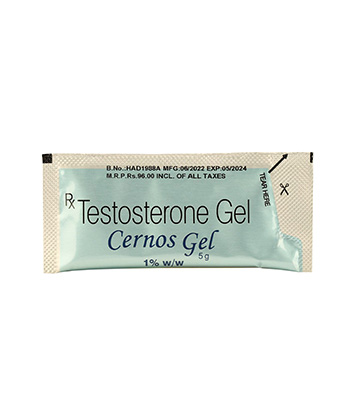
Testosterone Topical (Cream/Gel) — Patient Information (Australia)
This patient-friendly guide explains how testosterone topical works, how it’s used, what to expect, and key safety information. It’s written for people in Australia and is suitable for general education. Always follow the instructions provided with your product and any healthcare guidance you receive.
Quick Overview
- What it is: A medicine applied to the skin to replace testosterone.
- Common forms: Topical gels, creams, or solutions (brand names vary).
- Who it’s for: Typically used to treat testosterone deficiency in appropriately selected adults.
- How it works: Testosterone is absorbed through the skin into the bloodstream.
- How long it takes: Improvements are often seen over weeks; full benefits may take several months.
- Important precautions: Keep clothing/skin coverage to prevent transfer to others (especially women and children).
Basic Product Information
Testosterone topical is a hormone replacement therapy. The active ingredient is testosterone, delivered through the skin. Different products may use different formulations and concentrations (for example, gels or creams).
Key features
- Route: Skin application (topical/dermal).
- Formulation: Gel or cream depending on brand.
- Typical dosing frequency: Often once daily (varies by brand and strength).
- Monitoring: Testosterone levels and symptom response may be assessed by a clinician.
What Is Testosterone and Why Replace It?
Testosterone is the main male sex hormone. It plays an important role in:
- Sexual health (libido and sexual function)
- Energy and wellbeing
- Muscle mass and strength
- Bone density
- Red blood cell production
When testosterone levels are low due to an underlying cause, symptoms may develop. Topical testosterone can help restore levels to a more normal range and reduce symptoms.
Mechanism of Action
After application to intact skin, testosterone is absorbed into the bloodstream. It then:
- Acts directly on androgen receptors in tissues such as muscle and skin
- Is converted to other active hormones:
- Dihydrotestosterone (DHT) via 5-alpha-reductase, influencing hair follicles and prostate-related tissues
- Estradiol via aromatase, influencing bone and other functions
- Helps normalize hormone-related functions over time, which may reduce symptoms of testosterone deficiency
Pharmacokinetics (How the Body Handles It)
Pharmacokinetics (PK) describes what the body does with a medicine—absorption, distribution, metabolism, and elimination. For topical testosterone:
Absorption
- Skin absorption: Testosterone enters the bloodstream through the skin.
- Steady exposure: Many topical formulations are designed to provide a relatively stable hormone level with once-daily dosing.
- Product and site matter: Absorption can vary depending on the formulation, application site, skin condition, and how the gel/cream is applied.
Distribution
- In the blood, testosterone binds partly to sex hormone–binding globulin (SHBG) and albumin, with a small fraction remaining free/active.
Metabolism
- Testosterone is metabolised mainly in the liver and other tissues.
- Metabolites are further processed and cleared from the body.
Elimination
- Metabolites are eliminated primarily via urine and faeces.
Note: Exact PK results may differ between specific brands and strengths. If you have product-specific instructions or lab targets, your healthcare team can tailor guidance.
Typical Use (Indications in Plain Language)
Testosterone topical is generally used to treat testosterone deficiency in adults where low testosterone is associated with specific clinical features and confirmed by appropriate evaluation.
Potential benefits include improvement in:
- Low libido
- Erectile dysfunction related to low testosterone (where appropriate)
- Energy levels and fatigue
- Loss of muscle mass and reduced strength
- Bone density over time
- Wellbeing and mood in some people
It may not be effective for every cause of symptoms. For example, low libido can have many contributors (psychological factors, medications, relationship issues, vascular problems). Discuss persisting symptoms with a healthcare professional.
Dosing: How Much and How Often
Dosing depends on the specific product and your response. Many topical testosterone medicines are used once daily with a dose adjusted based on testosterone blood levels and symptom improvement.
General principles (follow your product label)
- Start dose: The dose provided on your product packaging or recommended by your clinician.
- Adjustment: Dose may be increased or decreased to reach target testosterone range.
- Consistency: Use at the same time each day.
- Do not change the dose without clinical guidance.
What “dose” means for topical products
Topical testosterone products are not dosed in the same way as tablets. They often have:
- Measured volumes (e.g., pumps of gel)
- Pre-measured sachets (where applicable)
- Specific application areas (for example, upper arms/shoulders/abdomen depending on the brand)
Always apply exactly as directed—the application area and technique can influence absorption.
Timing: When to Apply and What to Expect
When to apply
- Once daily: Many people apply testosterone topical in the morning to match natural testosterone rhythms.
- Choose a consistent routine: Apply at the same time each day where possible.
How soon you may feel changes
- Sexual symptoms: May improve over several weeks.
- Energy/mood: Often noticeable in weeks, but can take longer.
- Muscle/bone effects: Typically longer term (months).
- Lab values: Testosterone levels may change quickly after steady use, with blood tests used to confirm dosing adequacy.
Steps for daily application (practical routine)
- Check your skin: Apply to clean, intact skin only. Avoid broken, irritated, or freshly shaved skin unless the product instructions allow it.
- Wash hands thoroughly after application.
- Apply the right amount and spread it according to the product instructions.
- Allow it to dry before dressing.
- Cover the area with clothing once dry to reduce transfer risk.
- Prevent transfer: Avoid skin-to-skin contact with others until the product has fully dried and the recommended waiting period has passed.
Food Interactions
Because topical testosterone is absorbed through the skin, food interactions are generally unlikely compared with oral medicines. However, maintaining overall health and nutrition supports treatment outcomes.
Still, keep in mind: If you have liver conditions or take medications that affect liver enzymes, discuss your overall medication list with a healthcare professional.
Alcohol and Medicine Interactions
Alcohol
- Moderation is advised. Heavy or chronic alcohol use may worsen hormonal health, liver function, and overall wellbeing.
- Alcohol-related risk varies by individual. If you have liver disease, ask a clinician before using hormone therapy.
Medicine interactions
Topical testosterone can interact indirectly through hormonal effects and, for some products, through metabolism pathways. Important interaction considerations include:
- Anticoagulants (blood thinners) such as warfarin: Testosterone may change bleeding risk; close monitoring (e.g., INR) may be needed.
- Corticosteroids: Combining androgen therapy with steroids can increase fluid retention in some people.
- Insulin and diabetes medicines: Testosterone may improve insulin sensitivity in some individuals, potentially affecting blood glucose control.
- Opioids and other medicines that affect hormones: These can affect the hormone environment and symptom overlap.
- Medicines affecting liver enzymes: While topical delivery reduces first-pass liver exposure, metabolism still occurs; interactions may still be relevant depending on the medicine and your health status.
Tell your healthcare provider and pharmacist about all medicines, vitamins, and supplements you take, including over-the-counter products.
Safety Profile: Side Effects and Warnings
All medicines have potential side effects. Not everyone will experience them. The most important testosterone topical safety topics include:
Common side effects
- Skin reactions at the application site (redness, irritation, rash, itching)
- Headache
- Fluid retention or swelling in some people
- Acne or oily skin
- Mood changes in some individuals
- Breast tenderness or enlargement
- Changes in libido (improvement in low libido; sometimes imbalance)
Serious risks (when to seek urgent help)
Seek urgent medical attention if you experience symptoms that could indicate serious complications, such as:
- Shortness of breath, chest pain, sudden weakness, or signs of stroke
- Severe leg swelling with pain (possible clot)
- Allergic reaction (swelling of face/lips, trouble breathing, widespread rash)
Important monitoring concerns
- Raised red blood cell count (erythrocytosis/polycythaemia): Testosterone can increase red blood cells. This may require periodic blood tests.
- Prostate-related symptoms: People with existing prostate disease should be carefully assessed and monitored. Symptoms may include urinary hesitancy, frequent night urination, or weak urine stream.
- Sleep apnoea: Testosterone may worsen sleep apnoea in some people.
- Fertility changes: Testosterone therapy may affect sperm production in some men and could reduce fertility while on treatment.
- Gynecomastia: Breast tissue enlargement can occur.
Key skin transfer warning: Testosterone topical can transfer to others through skin contact. This may cause unwanted hormone effects in those exposed, including possible virilisation in children or feminising effects in women. Follow transfer prevention steps carefully (see “Practical Use Tips” below).
Practical Use Tips (How to Use Safely and Effectively)
Transfer prevention (very important)
To reduce the risk of transfer:
- Apply to recommended areas only, as stated in the product instructions.
- Allow the product to dry before dressing.
- Wash hands after application.
- Keep the area covered with clothing after it has dried.
- Avoid skin-to-skin contact with others on the application site until the recommended waiting period has passed.
- Keep bedding and clothing clean and change as recommended if product could contact fabric.
How to apply for better absorption
- Use consistent skin condition: Avoid applying to broken or inflamed skin.
- Do not rub excessively: Spread as directed, but avoid vigorous rubbing that may alter absorption and increase irritation.
- Do not apply heat sources: Avoid applying under heating pads or with external heat that may increase absorption.
Bathing, swimming, and sweat
- Follow product-specific guidance on showering and swimming timing.
- After sweating heavily, check the product instructions; you may need to reapply only if the manufacturer states it is required.
If you miss a dose
General advice is often:
- Apply as soon as you remember if it’s within the same day.
- If it’s close to the next dose, skip the missed dose and return to your schedule.
Always check your specific product label because instructions can differ.
Alternative Options
If topical testosterone isn’t suitable (for example, due to skin sensitivity, transfer concerns, or convenience), there may be other testosterone replacement options depending on your situation and local availability.
Common alternative approaches
- Injectable testosterone (given at intervals, often in healthcare settings or with trained self-administration)
- Oral testosterone alternatives (availability varies and may not be suitable for everyone)
- Other hormone therapies for selected causes of low testosterone (e.g., treatments that stimulate the body to produce hormones rather than supplying testosterone directly)
Alternative options should be discussed with a healthcare professional—choice depends on symptom goals, lab results, fertility plans, skin tolerance, and lifestyle.
Market and Legal Context for Australia
In Australia, testosterone-containing medicines are regulated under the Therapeutic Goods Administration (TGA). Products must be approved and supplied according to applicable legislative requirements and scheduling.
Availability through pharmacies online may depend on:
- The product’s regulatory classification
- Whether it is supplied through pharmacy channels
- Your eligibility and any required assessment steps
Always choose a legitimate, regulated supplier and confirm that the product matches what you intended to purchase. Be cautious of counterfeit or unlabelled products.
Recent Guidance and Ongoing Monitoring (Australia-Relevant)
Across Australia, testosterone therapy should generally be managed with a structured approach:
- Appropriate diagnosis: Testosterone deficiency should be confirmed with clinical assessment and blood testing.
- Baseline and follow-up monitoring: Many clinicians monitor symptoms and testosterone levels, and also check safety parameters such as blood count (haematocrit/haemoglobin), prostate-related assessments where relevant, and overall wellbeing.
- Dose individualisation: Treatment often involves starting at an appropriate dose and adjusting based on lab results and symptom response.
If you’re already on therapy, keep up with scheduled follow-up and report new symptoms promptly.
Delivery and Availability
Availability of testosterone topical products may vary by brand and stock levels. If offered by an online pharmacy, delivery is typically arranged after the order is processed and product availability is confirmed.
What to expect
- Packaging: Products should arrive in original, labelled packaging.
- Storage: Follow the storage instructions on the label (commonly room temperature, away from heat and sunlight, but check your specific product).
- Timeframes: Delivery times depend on your location and courier service.
- Returns: Hygiene and product handling rules may limit returns of opened or temperature-sensitive items.
Tip: If your medicine requires refrigeration or has special storage conditions (less common for many topical formulations), ensure you can receive it promptly.
FAQ (Frequently Asked Questions)
1) How do I know the gel/cream is working?
Many people notice symptom improvements (such as libido, energy, or wellbeing) over weeks. Blood tests are used to confirm that testosterone levels are in the desired range and to guide dose adjustments.
2) Can women or children be exposed to testosterone from the gel/cream?
Yes, transfer can occur through skin-to-skin contact with the application site. Use clothing to cover the area after the medicine dries and avoid contact with others until the recommended waiting period has passed. If transfer is suspected, seek medical advice.
3) What should I do if someone else accidentally touches the treated area?
Wash the skin of the exposed person with soap and water as soon as possible. Contact a healthcare professional if any concerns arise (for example, symptoms of hormonal effects).
4) Can I shower or swim after applying?
This depends on the specific product instructions. Many products require a drying period and may specify how long to wait before showering. Check the label for the correct timing.
5) Is testosterone topical safe if I have acne?
Testosterone can sometimes worsen acne or oily skin. If you experience flare-ups, speak with a healthcare professional for management options and possible dose adjustments.
6) What if I get a rash or irritation?
Mild skin irritation may occur. If you develop persistent redness, blistering, severe itching, or swelling, stop using the product and seek medical advice. Switching application sites or product formulation may be considered in some cases.
7) Will testosterone therapy affect fertility?
It can. Testosterone replacement may reduce sperm production in some men while on therapy. If fertility planning is important, discuss options with a healthcare professional before continuing treatment.
8) Can I use testosterone topical with my other medications?
Some medicines can interact or require extra monitoring (for example, blood thinners like warfarin or medicines affecting blood sugar). Provide your complete medicine list to a pharmacist or clinician to check compatibility.
9) What are the signs that my dose may be too high?
Possible signs include acne/worsening skin, increased mood irritability, fluid retention, breast tenderness, or changes that concern you. Abnormal blood test results may also indicate the need for dose adjustment.
10) Should I stop suddenly?
Do not stop without advice. If you need to pause or stop due to side effects or concerns, a healthcare professional can guide you on the safest approach and follow-up monitoring.
Product Information Summary Table
| Topic | What to know |
|---|---|
| Medicine type | Topical testosterone for hormone replacement |
| Route | Applied to skin (gel/cream/solution; brand varies) |
| How it works | Absorbed through skin; testosterone acts on androgen receptors and is converted to active metabolites |
| Typical dosing | Often once daily, dose and site follow product instructions |
| When to apply | Commonly morning; keep to a consistent routine |
| Expected effects | Often weeks for symptoms; longer for muscle/bone changes |
| Food interaction | Generally unlikely with topical medicines |
| Alcohol | Moderation advised; consider liver health and overall risks |
| Key safety issue | Skin transfer to others—cover and prevent contact |
| Monitoring | Testosterone levels and safety labs (and prostate-related checks where relevant) |
When to Contact a Healthcare Professional
Contact a healthcare professional promptly if you experience:
- Severe or persistent skin reactions at the application site
- Symptoms of possible blood thickening (e.g., unusual headaches, dizziness) or complications
- Urinary changes that worry you
- Breathing problems, chest pain, sudden weakness, or severe leg swelling
- Concerns about exposure of a partner/child to the application site
Remember: Testosterone therapy works best when it is used correctly, with appropriate monitoring and careful attention to transfer safety.
Disclaimer: This information is general and not a substitute for personalised medical advice. Product instructions can vary by brand—always read the specific patient information leaflet included with your medicine.