Super Pack (Australia) — Comprehensive Patient Guide
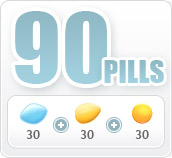
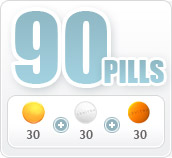
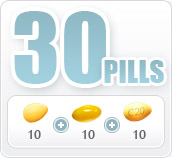
Super Pack is a convenient “bundle” of wellness and performance-focused supplements designed to support everyday health. People commonly choose Super Pack to help maintain healthy energy levels, support normal immune function, and contribute to overall wellbeing as part of a balanced routine.
This page explains how Super Pack works, how it’s typically used, what to consider around meals and alcohol, and practical safety information for users in Australia. Always read the product label carefully, as ingredients and directions may vary by batch and specific pack format.
Basic product information
| Category | Details |
|---|---|
| Product type | Multi-supplement “pack” (wellness and support supplements) |
| Common format | Multiple supplement components taken together as a daily routine |
| Typical use | Ongoing daily support (not intended as a treatment for disease) |
| Who it may suit | Adults seeking general health and lifestyle support |
| Where available | Online pharmacies and authorised supplement retailers in Australia (where permitted) |
What’s inside Super Pack?
Super Pack generally contains several complementary supplement ingredients (for example, vitamins, minerals, and/or plant-derived nutrients). The exact blend can differ depending on the product version.
- Check the label for the specific ingredient list and amounts per serving.
- If you are using other supplements (multivitamins, magnesium, vitamin D, omega-3, etc.), compare labels to avoid duplicating ingredients.
How Super Pack works (mechanism of action)
The “mechanism of action” for Super Pack depends on which ingredients are included. In general, multi-supplement packs work by supporting normal biological processes rather than producing an immediate pharmacological effect. Typical mechanisms may include:
- Cellular energy support: Certain B-vitamins and related micronutrients assist with the normal conversion of food into energy.
- Immune and antioxidant support: Ingredients such as vitamins C and E and select minerals can help support normal immune function and protect cells from oxidative stress.
- Muscle and nervous system support: Some minerals (e.g., magnesium) contribute to normal muscle function and normal nerve function.
- Overall wellbeing: Nutrients may support healthy metabolism, recovery, and daily resilience.
Important note: Supplements do not “cure” conditions. Their role is to help fill nutritional gaps and support healthy function as part of a balanced diet and lifestyle.
Pharmacokinetics (how the body handles the ingredients)
“Pharmacokinetics” describes how nutrients are absorbed, distributed, metabolised, and eliminated. Because Super Pack is a combination of multiple supplements, exact pharmacokinetic behaviour varies by each ingredient. However, common patterns include:
- Absorption: Many water-soluble vitamins are absorbed in the small intestine and may be better tolerated with food. Fat-soluble nutrients (e.g., vitamins A, D, E, K) may be absorbed more effectively with a meal containing fat.
- Distribution: Nutrients circulate in the bloodstream and are taken up by tissues depending on body needs and transport mechanisms.
- Metabolism: The liver and other tissues metabolise certain vitamins and compounds. Some forms are converted into active metabolites.
- Elimination: Water-soluble vitamins are often cleared via the kidneys, while fat-soluble vitamins may be stored in body tissues and cleared more slowly.
If your Super Pack includes ingredients with higher potency, you may be advised to follow the label closely to avoid excessive intake over time.
Typical use and timing
Most customers use Super Pack as a daily routine, often to coincide with a consistent time of day. The most suitable timing depends on the ingredients and your personal tolerance.
When to take it
- Morning or early afternoon: Many people prefer taking it in the morning, especially if it includes energy-supporting vitamins.
- With meals: Taking with food can improve comfort and absorption for many nutrients.
- Split dosing (if recommended on label): If your product directions suggest dividing doses, follow them to reduce stomach discomfort.
How long it takes to notice effects
Some changes (like improved routine support) may be noticed within days, but for vitamins and minerals, benefits—when they occur—often become more apparent after 2–8 weeks of consistent use. Individual results vary depending on diet, baseline nutrient status, sleep, stress, and lifestyle.
Indications (what Super Pack is commonly used for)
In Australia, the use of supplements is generally focused on maintaining health and supporting normal body functions rather than treating medical conditions. Typical indications include:
- Supporting normal energy metabolism (depending on included B-vitamins or related nutrients)
- Supporting immune health (depending on included vitamins/minerals)
- Contributing to antioxidant protection (e.g., via vitamins like C/E)
- Supporting normal muscle and nerve function (where relevant minerals are present)
- Promoting general wellbeing alongside diet and lifestyle
If you have a diagnosed condition, are pregnant or breastfeeding, or take regular medicines, it’s wise to check with a healthcare professional to ensure the specific ingredient combination is appropriate for you.
Dosing guidance (how to take Super Pack)
Always follow the dosing instructions on the product label. The “right dose” can differ between different versions of Super Pack. As a general approach for packs, customers usually take:
- Adults: Typically one daily serving, or as directed on the label.
- Children: Generally not recommended unless the product label specifies paediatric use and a suitable dose.
Practical dosing tips
- Use a consistent time each day.
- Do not exceed the stated serving size.
- If you miss a dose, take it when you remember unless it is near the next dose—then skip and continue normally.
- Keep track if you also take other supplements to avoid excessive totals (especially vitamin A, D, iron, zinc, and selenium—if present).
Food interactions and absorption
Food can affect how well certain nutrients absorb. A few common rules of thumb:
- Fat-soluble ingredients: If your pack includes fat-soluble vitamins (commonly A, D, E, K), taking with a meal containing some fat can improve absorption.
- Water-soluble ingredients: Many water-soluble vitamins can be taken with or without food, though taking with food may reduce stomach upset.
- Iron-containing components (if present): Avoid taking with calcium, milk, tea/coffee, or antacids close by, as these can reduce absorption.
For personalised guidance, refer to the specific ingredient list on your Super Pack label.
Alcohol and medicine interactions
Alcohol and Super Pack
Occasional alcohol use is not known to directly “cancel” most standard vitamin/mineral supplements. However, alcohol may:
- increase the risk of stomach irritation for some users,
- worsen sleep and recovery, which can indirectly affect how you feel,
- affect nutrient status (especially in people with heavier or frequent alcohol intake).
As a practical approach, consider taking Super Pack with food earlier in the day and keep alcohol intake within Australian drinking guidelines. If you notice nausea or discomfort after combining them, separate the timing and reduce alcohol.
Interactions with medicines
Interactions can occur when supplements affect absorption, metabolism, or blood levels of medicines—or when medicines influence nutrient status. This is particularly relevant if your pack contains minerals such as magnesium, zinc, iron, or calcium, and if your medicines affect stomach acid or absorption.
Examples of medicine categories that may require extra caution (check the label and consider professional advice):
- Thyroid medication: Some supplements can interfere if taken at the same time.
- Antacids and acid reducers: May affect absorption of some nutrients.
- Antibiotics (tetracyclines/quinolones): Certain minerals like magnesium, calcium, iron, or zinc can reduce absorption. Separation in time is often recommended.
- Blood thinners: If vitamin K is present, it can be relevant for people on warfarin. Check ingredient list carefully.
- Diuretics: These can influence electrolyte balance; caution may be relevant with magnesium/potassium (if present).
If you take regular medicines, the safest approach is to:
- check ingredient amounts on the label,
- confirm with a pharmacist if you’re unsure, and
- separate doses when appropriate (for example, between certain antibiotics and mineral-containing supplements).
Safety profile
Super Pack is generally designed for healthy adults when taken as directed. However, safety depends on the specific ingredients and your health situation.
Common considerations
- Stomach discomfort: Some people experience nausea, bloating, or constipation depending on the ingredient combination.
- Allergy concerns: Check for non-medicinal ingredients (such as gelatin, allergens, or flavourings) if you have sensitivities.
- Excess intake: Taking more than the label dose increases the risk of adverse effects, particularly with fat-soluble vitamins or trace minerals.
When to seek advice
Stop using the pack and seek advice if you develop an allergic reaction (e.g., rash, swelling, wheezing) or persistent side effects. Speak with a pharmacist or doctor if:
- you are pregnant or breastfeeding,
- you have liver or kidney disease,
- you are undergoing surgery or have a chronic condition,
- you are taking multiple medicines or multiple supplements.
Age and special populations
The suitability of Super Pack for children, teenagers, pregnant people, and people with chronic medical conditions depends on the exact ingredients and doses. Use only if the label indicates it is appropriate, and seek professional advice if unsure.
Practical use tips (getting the best results)
- Take it consistently: Supplements are most effective when taken regularly.
- Pair with a meal: If you have a sensitive stomach, take with breakfast or lunch.
- Keep a checklist: If you take multivitamins or single-ingredient supplements, check for overlap.
- Hydration matters: Drink adequate water, particularly if you’re active.
- Look at your diet: Supplements support, but they don’t replace a balanced intake of vegetables, fruit, protein, and healthy fats.
- Review after a few weeks: If you feel no benefit and have side effects, reassess with a healthcare professional.
Alternative options
Depending on your goals, you may consider alternatives to a combined “pack.” Options can include:
- Single-ingredient supplements: Choose one or two targeted nutrients (e.g., vitamin D, magnesium, zinc) based on diet and lifestyle.
- Targeted blends: If your main aim is immune support, you may select a product formulated specifically for that goal.
- Food-first approach: Nutrients can be improved through diet—e.g., fatty fish for omega-3, citrus/berries for vitamin C, nuts/seeds for minerals.
- Lifestyle adjustments: Sleep, stress management, hydration, and exercise often improve wellbeing outcomes alongside supplements.
If you’re unsure which alternative fits you best, a pharmacist can help you compare ingredients and dosing.
Super Pack in the Australian market: legal and regulatory context
In Australia, supplement products are regulated differently from medicines. Many wellness supplements are supplied under the Australian regulatory framework and are expected to comply with applicable requirements around ingredients, safety, labelling, and permitted health claims.
On online pharmacy sites, products may be offered subject to eligibility and consumer protections. Always:
- buy from reputable providers,
- review the label and product details carefully,
- be cautious with products that make unrealistic medical claims.
Recent guidance and best-practice reminders
Guidance in Australia commonly emphasises:
- Reading labels: to understand ingredient forms, amounts, and serving sizes.
- Avoiding duplication: especially where multiple supplements contain similar vitamins/minerals.
- Not relying on supplements alone for medical concerns.
- Seeking advice if you are pregnant, breastfeeding, have a chronic condition, or take regular medicines.
In addition, reputable sources encourage transparent manufacturing practices and quality assurance, including batch testing where available.
Delivery and availability in Australia
Super Pack is typically available through online pharmacies and authorised retailers in Australia (availability can vary by product version). Delivery options vary by provider and may include standard and express shipping depending on your location.
What to expect
- Packaging: Items are usually dispatched in sealed packaging to help protect product quality.
- Dispatch times: Dispatch can depend on stock levels and order cut-off times.
- Delivery updates: Many orders include tracking information.
- Stock changes: Popular wellness products can sell out, so availability may update frequently.
For the most accurate delivery timeframe and current availability, check the product page and shipping section on the online pharmacy at checkout.
FAQ
1) Is Super Pack suitable for everyone?
Super Pack is generally intended for adults seeking everyday health support. Suitability depends on the specific ingredient amounts and your health situation. Pregnant or breastfeeding people, children, and people with chronic conditions should check the label and consider advice from a pharmacist.
2) How soon will I see results?
Some people notice improvements in wellbeing within days, but nutrient-related benefits typically develop over weeks. A consistent routine for 2–8 weeks is often needed to judge effects.
3) Should I take Super Pack with food?
Many users find taking with food improves comfort and may improve absorption for certain ingredients. Follow the label directions for the best approach.
4) Can I take it with coffee or tea?
Coffee and tea can reduce absorption of certain minerals (for example, iron or zinc) if taken at the same time. If your Super Pack includes these nutrients, consider taking it with breakfast or another meal and keep coffee/tea separate.
5) Is it okay to drink alcohol while taking Super Pack?
Occasional alcohol is not usually a direct issue for standard supplements, but it can affect how you feel and may increase stomach irritation. If you notice discomfort, separate timing and follow Australian drinking guidelines.
6) Will Super Pack interact with my medications?
It may. Interactions are possible, particularly with medicines that depend on absorption or with blood clotting considerations where relevant nutrients are present. If you take regular medicines, ask a pharmacist to review your specific products.
7) What if I miss a dose?
Take it when you remember unless it’s close to your next dose. Do not double up. Continue your regular routine.
8) Can I take Super Pack alongside other supplements?
Yes, but check for overlapping ingredients. Too much of certain vitamins and minerals can be harmful. Compare labels carefully and seek advice if you’re unsure.
9) How should Super Pack be stored?
Store according to the label instructions, typically in a cool, dry place away from moisture and direct sunlight. Keep out of reach of children.
10) What’s the difference between Super Pack and a multivitamin?
A multivitamin is usually broader and single-product, while a “pack” may combine several targeted supplements designed for specific lifestyle support. Ingredients and dosing vary, so compare labels to determine what’s included.
Disclaimer: This information is general and educational. It does not replace advice from a healthcare professional. Always read the product label for exact ingredients, directions, and warnings.