
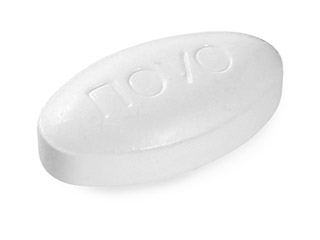
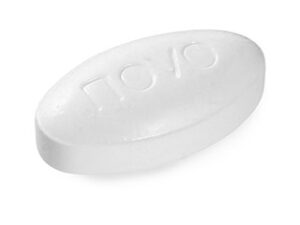
Rybelsus (Semaglutide) — Patient-Friendly Guide (Australia)
Rybelsus is a prescription medicine containing semaglutide, a glucagon-like peptide-1 (GLP-1) receptor agonist. It is taken by mouth once daily and is used to improve blood glucose control in adults with type 2 diabetes, and in some circumstances as part of a broader cardiovascular risk management plan. This guide explains how Rybelsus works, how to take it, key interactions, safety considerations, and what to expect.
Note: Medicines should be used only as directed by your healthcare professional. Information below is for education and general guidance.
Basic product information
- Brand name: Rybelsus
- Active ingredient: Semaglutide
- Medicine type: GLP-1 receptor agonist
- Route: Oral tablet (by mouth)
- Dosing frequency: Once daily
- Common tablet strengths: 3 mg, 7 mg, 14 mg (strength depends on local availability and treatment plan)
How Rybelsus works (mechanism of action)
Semaglutide mimics the action of an intestinal hormone called GLP-1. In people with type 2 diabetes, it helps lower blood glucose in several complementary ways:
- Increases insulin release when blood glucose is elevated (glucose-dependent effect).
- Reduces glucagon secretion (another hormone that raises blood glucose), especially when glucose levels are high.
- Slows gastric emptying, which can reduce the speed at which glucose enters the bloodstream after meals.
- Promotes satiety (feeling fuller), which may support weight management over time in some individuals.
Because it works in a glucose-dependent manner, the risk of hypoglycaemia (low blood sugar) is generally lower when semaglutide is used without insulin or sulfonylureas. However, the overall risk depends on your full diabetes regimen.
Pharmacokinetics (how the body handles semaglutide)
Pharmacokinetics (PK) describes how a medicine is absorbed, distributed, metabolised, and eliminated. For semaglutide tablets:
- Absorption: Oral absorption is influenced by food. Taking Rybelsus with food or too close to meals can reduce absorption substantially.
- Time to effect: Blood glucose improvements can be seen over days to weeks, with fuller effects typically taking several weeks as doses are adjusted.
- Half-life: Semaglutide has a long duration of action, which supports once-daily dosing.
- Metabolism & excretion: Semaglutide is metabolised and cleared primarily through normal biochemical pathways; it is not typically eliminated unchanged to a major extent.
Your prescriber may start you on a lower dose and increase gradually to improve tolerability and achieve therapeutic effect.
Typical use in Australia
Rybelsus is used to treat type 2 diabetes in adults. Depending on your individual circumstances, it may be prescribed to:
- Improve blood glucose levels (HbA1c).
- Support weight management as an additional benefit.
- In some patients, form part of a strategy to reduce cardiovascular risk where appropriate and supported by clinical evidence.
Your healthcare professional will consider your medical history, current medications, kidney function, cardiovascular risk, and personal preferences when deciding whether Rybelsus is suitable.
Indications (what it is used for)
In Australia, Rybelsus (semaglutide) is indicated for the treatment of:
- Adults with type 2 diabetes to improve glycaemic control, typically as part of a diabetes management plan including diet, physical activity, and other medicines when needed.
- In appropriate patients, it may be used to help reduce risk of major cardiovascular events (where this is included in the approved product information and clinical context).
Important: Indications and approved use can vary based on product information updates and regulatory decisions. Always refer to the current Consumer Medicine Information (CMI) and talk to your healthcare professional for the latest guidance for your situation.
How to take Rybelsus (timing, dose, and practical steps)
When to take it
Rybelsus works best when taken on an empty stomach. For most patients, the recommended routine is:
- Take your tablet once daily.
- Take it in the morning, on waking.
- Take it with a small amount of water as directed (do not take with more or with other beverages unless advised).
- Wait before eating: Do not eat for at least 30 minutes after taking Rybelsus.
- Swallow whole: Do not crush, split, or chew the tablet.
If you miss a dose, follow the guidance provided in the product information or by your healthcare professional. In general, if you realise later in the day, do not double up—ask your pharmacist what to do in your specific case.
Typical dosing approach (titration)
Rybelsus is often started at a lower dose and increased stepwise to improve tolerability and effectiveness. A common titration pattern used in clinical practice may include:
- Start low: A starter strength (often 3 mg daily) to allow your body to adjust.
- Increase gradually: Move to 7 mg daily, then potentially to 14 mg daily depending on response and side effects.
Your clinician will tell you your exact strength and timing. Do not change the dose unless instructed.
Food interactions (what to avoid and why)
Food can significantly affect the absorption of oral semaglutide. To help ensure the medicine works as intended:
- Take on an empty stomach.
- Wait at least 30 minutes before your first meal or snack.
- Avoid taking it with coffee, tea, milk, juice, or any drinks other than water.
- Maintain consistency—try to take your daily dose at the same time each morning.
If you regularly take it with breakfast or within 30 minutes of eating, you may get less benefit and your glucose levels may not improve as expected.
Alcohol and medicine interactions
Alcohol
Alcohol can affect blood glucose. It may:
- Increase the risk of low blood sugar in some people, particularly if alcohol causes delayed eating or if used alongside other glucose-lowering medicines.
- Aggravate stomach irritation, nausea, or reflux—side effects that can overlap with GLP-1 medicines.
As a practical approach, consider limiting alcohol and discussing a safe amount with your healthcare professional.
Other medicines (general interaction considerations)
Because Rybelsus slows gastric emptying, it may influence how quickly some oral medicines are absorbed. This is especially relevant for medicines that require rapid absorption or have a narrow therapeutic range.
Tell your pharmacist or doctor about all medicines you take, including:
- Other diabetes medicines (such as insulin or sulfonylureas)
- Warfarin and other anticoagulants (blood-thinning medicines)
- Thyroid medicines (levothyroxine)
- Oral contraceptives
- Blood pressure medicines and diuretics
- Any stomach medicines or antacids
Your clinician may adjust doses, recommend closer glucose monitoring, or change the timing of certain medicines.
Medication interactions: key issues to know
Below are common interaction themes. This is not a complete list.
- Hypoglycaemia risk: If you use Rybelsus with insulin or sulfonylureas, the risk of low blood sugar can increase. Your clinician may reduce the dose of the other medicine to help prevent hypoglycaemia.
- Gastric emptying: Slower gastric emptying may delay absorption of some medicines, potentially changing their effect.
- Oral medications with specific requirements: Medicines where timing and absorption are critical may need careful monitoring.
- Dehydration risk: If you experience vomiting or diarrhoea, dehydration can affect kidney function and the safety of some medicines (e.g., certain blood pressure tablets and diuretics).
Always check for interactions with your pharmacist, especially if starting Rybelsus or increasing the dose.
Safety profile: common and serious side effects
Common side effects
Like other GLP-1 receptor agonists, Rybelsus can commonly cause gastrointestinal effects, particularly during dose increases:
- Nausea
- Diarrhoea
- Constipation
- Vomiting
- Abdominal discomfort or bloating
- Decreased appetite
These effects often lessen over time, especially after gradual titration and with careful meal timing and portion sizes.
Serious warnings and important precautions
Contact a healthcare professional urgently if you experience:
- Severe or persistent abdominal pain (especially if it may radiate to the back), with or without vomiting. This could indicate pancreatitis.
- Signs of an allergic reaction (swelling of face/lips, breathing difficulty, widespread rash).
- Symptoms of dehydration (dizziness, fainting, very reduced urination) from ongoing vomiting or diarrhoea.
- Symptoms of gallbladder problems (right upper abdominal pain, fever, yellowing of skin/eyes).
Your clinician will assess your history for risk factors before and during treatment.
Low blood sugar (hypoglycaemia)
Low blood sugar is more likely if Rybelsus is combined with medicines that also lower glucose, such as:
- Insulin
- Sulfonylureas (e.g., gliclazide, glimepiride)
If you use these, ask your clinician about target glucose ranges and whether your other medicine needs adjustment.
Kidney considerations
Acute kidney injury can occur in the context of dehydration from vomiting or diarrhoea. Seek medical advice if you cannot keep fluids down or have persistent gastrointestinal symptoms.
Practical use tips (to improve tolerability and results)
- Follow the empty-stomach rule: take Rybelsus in the morning, with plain water, and wait at least 30 minutes before eating.
- Eat smaller portions: if nausea occurs, try smaller meals and avoid very large or greasy foods.
- Hydrate: drink water throughout the day, especially if you have mild nausea.
- Go slowly with dose increases: if side effects are troublesome, discuss timing and whether the dose increase can be managed.
- Monitor glucose more closely initially: particularly if you also take insulin or sulfonylureas.
- Recognise “stop and seek help” signs: severe abdominal pain, persistent vomiting, or dehydration symptoms require prompt medical attention.
Alternative options (other medicines and approaches)
If Rybelsus is not suitable, not tolerated, or not available, several alternatives may be considered by your healthcare professional.
Other GLP-1 medicines
- Injectable GLP-1 receptor agonists (different brands, different dosing schedules)
- Oral or injectable options within the GLP-1 class (availability varies)
Other glucose-lowering therapies
- Metformin (often first-line, if tolerated)
- DPP-4 inhibitors
- SGLT2 inhibitors (often considered in patients with appropriate cardiovascular or kidney profiles)
- Insulin (when needed)
- Other combinations depending on diabetes severity and comorbidities
Lifestyle and supportive measures
- Dietary changes tailored to your needs
- Regular physical activity
- Weight management strategies
- Blood glucose monitoring as recommended
Your clinician can help determine the most appropriate option based on your risks, preferences, and goals.
Market and legal context in Australia (availability and responsibilities)
In Australia, semaglutide products such as Rybelsus are regulated by the TGA (Therapeutic Goods Administration) and are supplied according to Australian medicine scheduling and prescribing rules. Availability may vary depending on pharmacy stock, prescriber preference, and current supply conditions.
As an online pharmacy, responsible dispensing includes confirming:
- That the product strength is correct
- That the supply meets regulatory and safety requirements
- That you receive accurate product information and guidance
Where medicine access is time-sensitive, pharmacists can often advise about alternatives or expected delivery timelines.
Recent guidance and updates to know
Medicine guidance evolves as new clinical evidence and safety information becomes available. In Australia, updates may come from:
- Product information (PI) and Consumer Medicine Information (CMI)
- TGA safety communications
- Clinical guidelines issued by relevant Australian diabetes and cardiovascular bodies
Before starting or changing therapy, it’s wise to re-check the latest CMI supplied with your medicine and ask your pharmacist if there are any recent safety or dosing updates relevant to Rybelsus.
Delivery and availability
Rybelsus availability can vary by strength. When you order online, your pharmacy typically confirms stock and dispatch schedules. Delivery timeframes depend on your location and courier service.
- In-stock items: are usually dispatched quickly during business hours.
- Limited stock: may require pre-order or substitution with an alternative strength if clinically appropriate (only if authorised and confirmed).
- Cold chain: Rybelsus tablets generally do not require cold storage, but store as directed on the packaging.
Storage reminder: Keep tablets in their original packaging, protect from moisture, and store at the recommended temperature range on the label.
Dosing summary table
| Topic | What to know |
|---|---|
| How often | Once daily |
| Best time | Morning on waking |
| With food? | No—take on an empty stomach |
| Wait before eating | At least 30 minutes after taking the tablet |
| Tablet handling | Swallow whole; do not crush or chew |
| Titration | Often starts at a lower dose and increases gradually based on response and tolerability |
FAQ (Frequently Asked Questions)
1) What is Rybelsus used for?
Rybelsus (semaglutide) is used in adults with type 2 diabetes to improve blood glucose control. In selected patients, it may also help reduce cardiovascular risk as outlined in the approved product information and clinical guidance.
2) How quickly will it work?
Some people notice changes in appetite and digestion early. Blood glucose improvements generally develop over days to weeks, while the full effect on HbA1c typically becomes clearer after several weeks and with appropriate dose titration.
3) Why must I take it on an empty stomach?
Food can reduce the absorption of oral semaglutide. Taking it correctly helps ensure you receive the intended dose and effect.
4) Can I take Rybelsus with coffee or tea?
It’s recommended to take Rybelsus with plain water only as directed. Avoid taking it with other drinks because they may affect absorption.
5) What should I do if I miss a dose?
Follow the advice in the product information or ask your pharmacist. In many cases, you should not double up. The correct action depends on how late you are and your dosing schedule.
6) Does Rybelsus cause weight loss?
Some people lose weight while using semaglutide, partly due to increased satiety and reduced appetite. Weight changes vary between individuals.
7) Am I at risk of low blood sugar?
The risk of hypoglycaemia is generally lower with semaglutide alone. However, the risk increases when combined with insulin or sulfonylureas. Your clinician may adjust your other diabetes medicines to reduce this risk.
8) What side effects are most common?
Common side effects include nausea, diarrhoea, constipation, and vomiting. These often improve as your body adapts, especially after gradual dose increases.
9) When should I seek urgent medical help?
Seek urgent advice for severe or persistent abdominal pain (possibly indicating pancreatitis), signs of allergic reaction, dehydration from ongoing vomiting/diarrhoea, or symptoms of serious gallbladder problems.
10) Can I drink alcohol while taking Rybelsus?
Alcohol may worsen stomach symptoms and can affect blood glucose. If you choose to drink, consider limiting intake and monitor how you feel—especially if you are also using insulin or sulfonylureas.
11) Are there any medicines that interact with Rybelsus?
Interactions can occur with other diabetes medicines, anticoagulants, and oral medications where absorption timing matters. Always share your full medication list with your pharmacist for tailored advice.
12) Is Rybelsus available everywhere in Australia?
Availability can vary by strength and supply. Online pharmacies may offer delivery across Australia, with dispatch timelines depending on stock levels.
When to talk to your pharmacist or doctor
Contact your healthcare professional if you have concerns about side effects, your blood sugar levels, or how to adjust other medicines. It’s especially important to seek advice if you experience significant gastrointestinal symptoms, symptoms of dehydration, or any signs of a serious adverse reaction.
By taking Rybelsus as instructed—particularly the morning empty-stomach timing—you can help maximise absorption and improve the chance of achieving your diabetes treatment goals.