
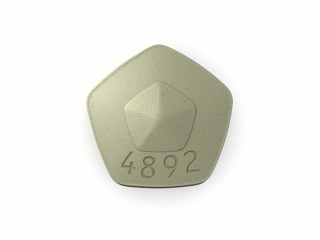


Requip (Ropinirole) – Patient-Friendly Medicine Information (Australia)
Requip contains ropinirole, a medicine used to treat certain movement disorders. It works by mimicking the effects of a natural brain chemical (dopamine) that helps control movement and coordination.
This page is designed to help you understand how Requip works, how it’s commonly used, and what to consider for safe, practical use. It does not replace advice from your doctor or pharmacist.
Quick facts
- Active ingredient: Ropinirole
- Brand name: Requip
- Medicine type: Dopamine agonist
- Common uses: Restless legs syndrome, Parkinson’s disease
- How it’s taken: Oral tablets (dose schedule depends on condition and product strength)
- Important considerations: Start low and increase gradually to reduce side effects
Basic product information
Requip is available in multiple strengths and formulations depending on the Australian market. Your pharmacy can confirm the exact pack/strength you’re purchasing.
| Category | Information |
|---|---|
| Generic name | Ropinirole |
| Brand | Requip |
| Drug class | Dopamine agonist |
| Typical administration | By mouth, once or multiple times daily (depending on your regimen) |
| Common effects | Nausea, dizziness, sleepiness, changes in movement control |
How Requip works (mechanism of action)
In many movement disorders, parts of the brain that control movement become less responsive to dopamine. Dopamine is a chemical messenger involved in coordinating movement and regulating signals between nerve cells.
Ropinirole is a dopamine agonist. This means it binds to dopamine receptors and activates them, helping to replace or enhance dopamine signalling. The result is improved control of symptoms such as restlessness, tremor, rigidity, or slowness of movement (depending on the condition being treated).
Pharmacokinetics (how the body processes it)
Understanding how ropinirole moves through the body can help you take it correctly and anticipate effects.
Absorption
After a dose is swallowed, ropinirole is absorbed from the gastrointestinal tract. Food can influence absorption (see “Food interactions” below).
Distribution
Ropinirole distributes throughout the body and crosses into the brain to exert its effect on dopamine receptors.
Metabolism
Ropinirole is primarily metabolised in the liver. Medicines that affect liver enzymes may change ropinirole levels (and therefore side effects or effectiveness).
Elimination
The medicine is cleared from the body mainly via metabolism and excretion. Your prescriber may adjust dose based on your response and tolerability.
Onset and duration
Many people notice symptom improvement over days to weeks as doses are adjusted. Because Requip is often started at a low dose and increased gradually, effects typically build with dose titration.
Typical use in Australia
Requip is commonly used for the following conditions (depending on individual circumstances and local prescribing practices):
- Restless legs syndrome (RLS): Helps reduce uncomfortable sensations and the urge to move the legs, especially in the evening or at night.
- Parkinson’s disease: Used to reduce motor symptoms and improve movement in certain stages of the disease (often as part of a broader treatment plan).
Your pharmacist or doctor can explain which condition your specific regimen is intended to treat and why a particular dosing schedule was chosen.
Timing: when to take Requip
Timing depends on the condition being treated and the exact product regimen you were given. Common principles include:
- Restless legs syndrome: Dosing is commonly aligned with the evening/night when symptoms worsen.
- Parkinson’s disease: Doses may be split across the day to provide symptom control.
- Consistency matters: Take it around the same time(s) each day to maintain steadier symptom control.
If you miss a dose: Follow the advice given by your prescriber or pharmacist. In general, taking an extra dose to “catch up” can increase side effects. If you’re unsure, contact your pharmacy for guidance.
Food interactions
Food can affect the absorption of ropinirole. This can influence how quickly the medicine starts working and how strong the effect feels.
- General guidance: Many medicines like ropinirole are taken with or without food depending on the specific product instructions. If your label or instructions say to take it with food, follow that advice consistently.
- Consistency helps: If you change from taking with food to taking on an empty stomach (or vice versa), your symptom control may change.
If you have been advised to take Requip with food, it may also help reduce nausea or stomach upset.
Alcohol interactions
Alcohol can worsen some common adverse effects of dopamine agonists, including:
- Sleepiness and dizziness
- Impaired judgement
- Increased risk of falls
It’s best to keep alcohol intake modest and discuss your personal situation with your doctor or pharmacist—especially if you feel drowsy or have had falls.
Interactions with other medicines
Ropinirole metabolism can be affected by other medicines, which may alter ropinirole levels. Also, combining medicines that affect the brain (such as sedatives) can increase risk of dizziness or drowsiness.
Medicines that may interact
- Medicines that affect liver enzymes (for example, some treatments for infections or seizures)
- Antipsychotics or medicines used for nausea that block dopamine receptors (may reduce effect)
- Sedatives, sleeping tablets, and opioids (may increase drowsiness and risk of impaired coordination)
- Metoclopramide (can affect dopamine-related pathways)
- Other Parkinson’s medicines (your prescriber will coordinate dosing to balance benefits and side effects)
Always tell your pharmacist about all medicines you take, including:
- Prescription medicines
- Over-the-counter products
- Herbal supplements
- Occasional or “as needed” medicines
Don’t start or stop abruptly
If your regimen needs changing due to interactions or side effects, dose changes are usually done gradually and under supervision.
Indications: what Requip is used for
In Australia, Requip (ropinirole) is used to manage:
- Restless legs syndrome (RLS): reducing uncomfortable sensations and sleep disturbance.
- Parkinson’s disease: improving movement symptoms. It may be used alone or in combination with other therapies.
Suitability depends on your medical history, symptom pattern, and other medications you take.
Dosing: general principles and how titration works
Dosing for Requip is individualised. A common approach is to start low and increase gradually to reduce side effects such as nausea, dizziness, and sleepiness.
Typical dosing approach
- Start with a low dose for the first days/weeks.
- Increase gradually until symptom control is achieved.
- Maintain the dose that gives the best balance between benefits and side effects.
Your label will provide your exact dose and schedule. Do not change the dose unless your doctor instructs you to.
Dosing schedule examples (for understanding only)
The exact schedule depends on your condition and your specific tablet strength. The examples below illustrate how regimens may differ, not what you should take.
| Condition | How dosing timing may look | What to expect |
|---|---|---|
| Restless legs syndrome | Often taken in the evening or before symptoms typically begin | Symptoms often improve as the right dose is reached |
| Parkinson’s disease | May be split across the day to cover symptom control | Dose changes may be made over time to optimise balance |
Special situations
- Kidney impairment: Your prescriber may adjust dosing based on kidney function.
- Liver impairment: Dose adjustments and close monitoring may be needed.
- Older adults: Starting doses are often lower and increases slower to reduce dizziness and falls.
Safety profile: side effects and what to do
Like all medicines, Requip may cause side effects. Many are dose-related and improve when doses are adjusted. It’s important to be aware of common and serious effects.
Common side effects
- Nausea
- Dizziness or light-headedness
- Sleepiness or tiredness
- Fatigue
- Headache
- Low blood pressure when standing (may cause faintness)
- Swelling in some people
- Constipation
Important warnings (seek medical advice promptly)
- Sudden onset sleepiness or sleep attacks: Some people may become unusually drowsy. Avoid driving or dangerous activities until you know how Requip affects you.
- Hallucinations or confusion: Report new or worsening mental changes promptly.
- Unusual behaviour or impulse-control problems: Tell your doctor if you notice increased gambling urges, compulsive spending, binge eating, or other urges that are out of character.
- Severe allergic reactions: Seek urgent help for swelling of face/lips, breathing difficulty, or widespread rash.
- Persistent or severe dizziness/falls: This may signal low blood pressure or other effects—review your dose and timing with a clinician.
Long-term considerations
In Parkinson’s disease, ongoing dopamine agonist treatment may sometimes be associated with changes such as dyskinesias (involuntary movements). In RLS, symptom patterns can change over time in some people. Your doctor may periodically reassess benefits and risks.
Practical use tips (getting the best results safely)
- Take as directed: Follow the exact dose and schedule on your label.
- Start-up period matters: During dose increases, side effects can be more noticeable. Move slowly when standing up and rise gradually from sitting/lying positions.
- Track symptom response: Note how symptoms change (timing, severity, sleep quality). This helps your prescriber adjust dosing efficiently.
- Be cautious with driving: If you feel sleepy, dizzy, or “not quite yourself,” avoid driving and contact your healthcare team.
- Stay hydrated and monitor blood pressure: Dizziness can be worse when dehydrated.
- Report behavioural changes: If you (or family members) notice unusual urges or behaviour, report it early.
- Don’t stop suddenly: Stopping abruptly can cause problems. If you need to discontinue, your doctor will usually taper.
Alternative options for restless legs syndrome and Parkinson’s disease
Treatment depends on the condition and individual factors such as other health problems, age, kidney function, and medication tolerability. Below are common alternative categories you may discuss with your doctor.
For restless legs syndrome (RLS)
- Alpha-2-delta calcium channel ligands (e.g., pregabalin or gabapentin-type options) – often used when appropriate.
- Iron supplementation when iron deficiency is present (this is a key approach if ferritin is low).
- Lifestyle measures such as regular sleep routine, reducing caffeine, and reviewing contributing medications.
- Other dopamine agonists depending on response and tolerability.
For Parkinson’s disease
- Levodopa/carbidopa (often central to treatment)
- Other dopamine agonists in certain cases
- MAO-B inhibitors
- COMT inhibitors (in combination with levodopa for some patients)
- Non-medicine options such as physiotherapy and, in selected cases, device-based therapies
Your doctor can help decide what’s suitable based on your symptoms, your medical history, and potential interactions.
Market and legal context in Australia
In Australia, the availability, use, and dispensing of medicines like Requip are governed by the Therapeutic Goods Administration (TGA) and related regulations.
- Quality and registration: Medicines marketed in Australia must comply with TGA requirements for safety, quality, and efficacy.
- Pharmacy supply: Many prescription medicines are dispensed through licensed pharmacies under Australian rules.
- Information requirements: Pharmacists must provide appropriate medication information and ensure the medicine is suitable for the customer.
- Ongoing monitoring: In Australia, adverse event reporting helps improve medicine safety information over time.
If you have questions about product availability, pack sizes, or the specific formulation, your pharmacy can provide current details.
Recent guidance and clinical practice notes
Clinical guidance can evolve as new evidence becomes available. In practice, healthcare teams often emphasise:
- Individualised dosing and gradual titration to reduce side effects.
- Monitoring for impulse-control symptoms and unusual behaviours in people taking dopamine agonists.
- Care with sleepiness and driving risk, especially when starting or increasing dose.
- Reassessment over time in RLS and Parkinson’s disease to ensure benefits continue to outweigh risks.
- Iron status review in RLS (where clinically indicated), since low iron can worsen symptoms and may require treatment.
Your prescriber will base decisions on your symptoms and current clinical recommendations.
Delivery, ordering and availability (Australia)
Online pharmacies in Australia typically process orders through secure systems and dispense medicines via licensed channels. Availability can vary depending on formulation and strength.
- Stock levels: Packs may sell out; check estimated availability times.
- Packaging: Medicines are usually supplied in original manufacturer packaging with clear labelling.
- Delivery: Delivery times depend on your location and courier arrangements.
- Customer support: A pharmacist is typically available to answer medicine and dosing questions.
For the most accurate timing and current availability of Requip in your area, check the delivery and shipping information on the online pharmacy website you’re using.
FAQ – Common questions about Requip (ropinirole)
1) What is Requip used for?
Requip (ropinirole) is used to treat conditions such as restless legs syndrome and Parkinson’s disease, depending on your diagnosis and treatment plan.
2) How long does it take to work?
Some people notice improvement within days, but full benefit often develops over weeks as the dose is gradually increased. If you don’t feel any benefit, speak with your pharmacist or doctor rather than changing dose yourself.
3) Can I take Requip with food?
Food may influence absorption. Follow the directions on your label. If you were told to take it with food, do so consistently. If you were told to take it on an empty stomach, keep the timing consistent.
4) What if I miss a dose?
Follow the advice on your medication label or provided instructions. In many cases, you should not double up. If you’re uncertain, contact your pharmacist for guidance.
5) Does Requip make you sleepy?
Yes, sleepiness and dizziness can occur, especially when starting or increasing dose. Until you know how you respond, avoid driving and be cautious with tasks that require alertness.
6) Is alcohol safe with Requip?
Alcohol can increase dizziness and sleepiness and may raise fall risk. Limit alcohol and discuss your situation with your healthcare team, particularly if you feel drowsy.
7) Are there serious side effects I should watch for?
Seek prompt medical advice for hallucinations, confusion, severe dizziness/fainting, unusual behaviour/impulse-control issues, signs of allergic reaction, or any severe or unexpected symptoms.
8) Will I need dose adjustments over time?
Many people require gradual dose adjustments for best symptom control and tolerability. Your doctor may review your response and modify dosing as needed.
9) What should I tell my pharmacist before starting?
Tell them about all medicines and supplements you use, including sedatives, sleeping tablets, opioids, anti-nausea medicines, seizure treatments, and any herbal products. Also mention any history of low blood pressure, fainting, hallucinations, or impulse-control problems.
10) What are common alternatives if Requip isn’t suitable?
Alternatives depend on the condition. For RLS, options may include medicines from the alpha-2-delta class and iron treatment when indicated. For Parkinson’s disease, treatment may involve levodopa or other classes of medicines. Your clinician will guide choice.
When to get urgent help
Contact emergency services or seek urgent medical attention if you experience:
- Difficulty breathing, swelling of face/lips, or widespread rash
- Severe fainting, chest pain, or severe confusion
- Any sudden, severe reaction after taking your medicine
For non-urgent side effects, contact your pharmacist for advice on whether dose timing adjustments or review is appropriate.
Important: Always read the Consumer Medicine Information (CMI) provided with your product and follow the instructions on your prescription label and packaging. If you have any doubts about how to take Requip, speak with a pharmacist.