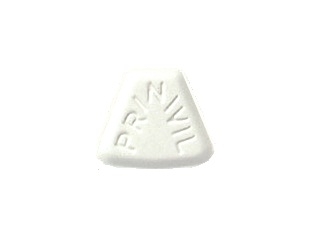


Prinivil (Lisinopril) – Patient Information (Australia)
Prinivil contains lisinopril, a medicine from the ACE inhibitor (angiotensin-converting enzyme inhibitor) group. It is commonly used to treat high blood pressure and certain heart and kidney conditions. This guide explains how Prinivil works, how it’s typically taken, what to expect, and what to consider for safe use.
Important: Always follow the directions provided by your healthcare professional. If you have questions about your specific treatment, seek advice before making changes.
Basic product information
| Item | Details |
|---|---|
| Medicine name | Prinivil (Lisinopril) |
| Drug class | ACE inhibitor |
| Common forms | Tablets in various strengths (availability may vary by supplier) |
| How it’s used | Treatment of hypertension and certain cardiovascular/renal conditions |
| Typical dosing schedule | Usually once daily (dose varies by condition and patient factors) |
How Prinivil works (mechanism of action)
Lisinopril lowers blood pressure and improves heart function by blocking ACE (angiotensin-converting enzyme). ACE normally helps form angiotensin II, a substance that constricts blood vessels and increases salt and water retention.
By inhibiting ACE, lisinopril:
- Relaxes blood vessels, reducing resistance the heart must pump against
- Reduces aldosterone effects, helping the body excrete excess salt and water
- May support kidney function in certain conditions by reducing pressure within kidney filters
Over time, these effects can reduce the workload on the heart and help prevent complications such as heart failure worsening or stroke risk in people with appropriate indications.
Pharmacokinetics (how the body handles lisinopril)
Understanding pharmacokinetics can help you anticipate when doses start working and why regular use matters.
- Absorption: Lisinopril is absorbed after oral administration. Food has minimal effect on the overall amount absorbed.
- Onset of action: Blood pressure improvements may be seen within hours, with fuller effects developing over days to weeks.
- Peak concentration (Tmax): The maximum effect in the bloodstream typically occurs within a few hours after dosing.
- Distribution: It circulates in the bloodstream and acts on the renin–angiotensin system.
- Metabolism: Lisinopril is not extensively metabolised by the liver.
- Elimination: The medicine is primarily excreted by the kidneys. Dose adjustments may be needed in reduced kidney function.
- Half-life: Its biological activity can last long enough to support once-daily dosing for many people.
Typical use in Australia
Prinivil (lisinopril) is used to treat conditions such as:
- High blood pressure (hypertension)
- Heart failure (often as part of combination therapy)
- After a heart attack in certain patients to improve outcomes
- Kidney disease in selected people (particularly where diabetes is involved or where protein in urine is present)
The exact indication and target dose depend on your health history, blood pressure readings, kidney function, and blood tests (particularly potassium).
When to take Prinivil (timing and routine)
Many people take Prinivil once daily, at the same time each day, to maintain steady medicine levels.
- Consistency helps: Try to take it at a similar time daily.
- Morning vs evening: Some people prefer mornings to better monitor daytime blood pressure effects. Others find evening dosing helpful if they feel drowsy or dizzy. Follow your clinician’s advice.
- If you miss a dose: Take it when you remember unless it is close to the next dose. Do not take a double dose to make up for a missed one.
If you experience dizziness when starting treatment, your clinician may recommend taking the first doses at bedtime.
Food interactions
Food generally has little clinically significant effect on lisinopril absorption. This means you can usually take Prinivil with or without food.
To make taking your medicine easier, choose a routine that you can keep consistently—for example, with breakfast or at a set time in the evening.
Alcohol interactions (and practical cautions)
Alcohol can increase the chance of side effects such as dizziness or light-headedness, particularly when beginning Prinivil or when the dose is increased.
- Limit alcohol if you notice you feel faint or have low blood pressure.
- Be extra cautious when standing up quickly after drinking.
- Avoid heavy or binge drinking, as it may worsen dehydration and affect kidney function.
If you have liver disease, advanced heart failure, or episodes of fainting, discuss alcohol use with your healthcare professional.
Medicine interactions (important)
Several medicine groups can affect how lisinopril works or change the risk of side effects. Always inform your pharmacist and doctor about all medicines you take, including over-the-counter products and supplements.
Higher risk combinations
- Other medicines affecting potassium: Examples include potassium supplements, potassium-containing salt substitutes, and some “water tablets” (potassium-sparing diuretics such as spironolactone or eplerenone). These may increase the risk of high potassium (hyperkalaemia).
- Diuretics (water tablets): Using lisinopril with diuretics can further lower blood pressure and may increase the risk of dehydration or kidney strain, especially soon after starting or if doses change.
- NSAIDs (pain/inflammation medicines): Ibuprofen, naproxen and similar NSAIDs can reduce the blood pressure effect of ACE inhibitors and increase kidney risk, particularly in people who are older, dehydrated, or have kidney disease. Use caution and ask for advice.
- Renin–angiotensin system blockers: Combining an ACE inhibitor with certain other drugs that block the same pathway may increase risks. Use caution and follow clinician guidance.
- Diabetes medicines: Some diabetes treatments can interact indirectly with blood pressure effects and kidney function. Monitoring may be needed.
Other medications to mention
- Lithium: ACE inhibitors can raise lithium levels; close monitoring may be necessary.
- Immunosuppressants (in some cases) and certain chemotherapy agents may affect blood counts and kidney function.
- Trimethoprim (an antibiotic) can increase potassium in some people.
Your pharmacist can check interactions if you provide the names of all your medicines. If you start a new medicine, confirm it is compatible with Prinivil.
Indications (when Prinivil is used)
In Australia, lisinopril is used for several approved or guideline-supported indications. Your doctor may choose it based on your individual situation. Common indications include:
- Hypertension: To lower blood pressure and reduce risk of cardiovascular events.
- Heart failure: To improve symptoms and support long-term management (often alongside other heart medications).
- After myocardial infarction (heart attack): In certain stable patients, to improve outcomes.
- Diabetic kidney disease or proteinuric kidney disease: To help protect kidneys and reduce progression in selected patients.
Not every patient with these conditions can take lisinopril, and alternatives may be considered based on your kidney function, potassium level, blood pressure, and past reactions.
Dosing (general guidance)
Dosing of Prinivil varies widely. Your starting dose and adjustments depend on:
- Reason for treatment (hypertension, heart failure, post–heart attack, kidney disease)
- Your blood pressure and response
- Your kidney function (often measured by serum creatinine / estimated GFR)
- Your potassium level
- Whether you take diuretics and other interacting medicines
- Age and overall health
Typical approach: Clinicians often start at a lower dose and adjust gradually to reach an effective target while minimising side effects. Because lisinopril is cleared by the kidneys, those with reduced kidney function may need smaller doses or less frequent adjustments.
How to take your prescribed dose
- Take the tablets with water.
- Do not change your dose without professional advice.
- If you feel unwell or dizzy after a dose, contact your healthcare professional for guidance.
- Attend recommended blood test monitoring (commonly kidney function and potassium) especially after starting or changing dose.
Note: This website provides general information only. Exact dosing should follow your clinician’s instructions.
Safety profile (common and serious side effects)
Like all medicines, Prinivil can cause side effects. Many people experience few or no problems, but it’s important to recognise both common and urgent symptoms.
Common side effects
- Dizziness, especially when standing up (orthostatic hypotension)
- Dry cough (a known ACE inhibitor effect)
- Headache
- Fatigue or feeling weak
- Nausea or stomach upset
Monitoring-related concerns
ACE inhibitors can affect blood chemistry. Your healthcare professional may request blood tests to monitor:
- Potassium: High potassium can be dangerous and may require dose adjustment or changes to other medicines.
- Kidney function: Kidney blood flow changes can cause a rise in creatinine in some patients, particularly after starting or increasing dose or if dehydrated.
- Blood counts: Rarely, changes such as low white blood cells may occur.
Seek urgent medical attention if you have
- Swelling of the face, lips, tongue, or throat (possible angioedema)
- Difficulty breathing or swallowing
- Fainting or severe dizziness
- Signs of high potassium (for example, unusual weakness or irregular heartbeat—often detectable on tests)
- Severe or persistent fever, sore throat, or unusual infections (rare blood cell effects)
Who should be extra cautious
- People with kidney disease or reduced kidney function
- People with high potassium or at risk of it
- People who are dehydrated (for example, from vomiting/diarrhoea)
- People taking medicines that affect potassium or kidney function
- People with a history of ACE inhibitor–related angioedema
Practical use tips for safer, smoother treatment
1) Start and adjust thoughtfully
- When initiating or increasing the dose, be mindful of dizziness. Stand up slowly.
- Stay hydrated unless you were told to restrict fluids.
2) Keep up with blood tests
- Follow the monitoring schedule recommended by your clinician.
- These tests help ensure your potassium and kidney function remain within safe ranges.
3) Manage the cough if it happens
- A dry, persistent cough can occur with ACE inhibitors.
- If the cough is bothersome or persistent, speak to your healthcare professional—an alternative may be suggested.
4) Be careful with “salt substitutes”
- Some salt substitutes contain potassium.
- Use only if your clinician approves and your potassium levels are monitored.
5) During illness (vomiting/diarrhoea or dehydration)
Dehydration can increase the risk of kidney problems with ACE inhibitors. If you become unwell, seek advice promptly. Some people may be advised to temporarily withhold certain medicines during severe dehydration—follow personalised guidance from your clinician.
Alternative options
If Prinivil is not suitable due to side effects, interactions, or medical reasons, doctors may consider other medicines for the same conditions. Alternatives depend on the indication and your health profile.
Common alternatives include
- ARBs (angiotensin receptor blockers): e.g., losartan, valsartan (often used if ACE inhibitor cough occurs)
- Other antihypertensives: e.g., calcium channel blockers, thiazide-like diuretics, beta-blockers (depending on your condition)
- Diuretics: for volume management in selected heart failure patients
Switching between medicine classes should only be done with clinician guidance, since starting doses and monitoring requirements may differ.
Market and legal context for Australia
In Australia, medicines are regulated by the Therapeutic Goods Administration (TGA). Access to cardiovascular medicines like lisinopril depends on the product’s classification and prescribing requirements in Australia.
Prinivil brands and formulations may vary by availability. If you’re purchasing online, ensure you choose an Australian-registered pharmacy and that the product listing aligns with the medicines you can access legally and safely.
Always check:
- The medicine strength and pack size
- The expiry date and storage conditions
Recent guidance and safety updates (general themes)
Guidance for ACE inhibitors like lisinopril focuses on safe prescribing and monitoring to minimise rare but serious risks. While exact recommendations can change, common themes in ongoing clinical guidance include:
- Monitoring kidney function and potassium after starting or changing dose
- Recognising ACE inhibitor cough and considering alternatives when persistent
- Awareness of angioedema risk and urgent action if symptoms occur
- Caution with interacting medicines (especially NSAIDs and potassium-altering agents)
- Individualised dosing in older adults and those with kidney impairment
For the most current and official recommendations in Australia, your healthcare professional can refer to local guidelines and product information.
Delivery and availability (what to expect when ordering online)
Availability of Prinivil may vary depending on manufacturer supply and product strength. When ordering online in Australia, it’s typical to expect:
- Secure packaging to protect tablets during transit
- Order processing times that may be longer if a strength is temporarily out of stock
- Delivery options depending on your location (metro vs regional)
- Tracking for many delivery services
If you need a specific strength or a particular dosing schedule, consider allowing extra time for delivery and plan ahead for refills.
FAQ about Prinivil (Lisinopril)
1) What is Prinivil used for?
Prinivil (lisinopril) is used for conditions including hypertension (high blood pressure) and certain heart and kidney problems. Your healthcare professional will confirm the specific reason for your treatment.
2) How quickly does Prinivil start working?
Some blood pressure lowering can occur within hours, but the full effect may take days to weeks. Continue taking it as directed even if you don’t feel an immediate change.
3) Can I take Prinivil with food?
Yes. Food generally has minimal effect on lisinopril absorption, so you can take it with or without meals.
4) Will I feel different after taking it?
Some people notice dizziness when they first start or after a dose increase, due to blood pressure changes. Others feel nothing. If you feel unwell, contact your clinician for advice.
5) Does Prinivil cause a cough?
A dry, persistent cough can occur with ACE inhibitors such as lisinopril. If the cough is troublesome, discuss it with your healthcare professional. Alternatives may be considered.
6) Is it safe to drink alcohol while taking Prinivil?
Moderate alcohol may be tolerated by some people, but it can worsen dizziness and affect blood pressure. If you notice light-headedness, keep alcohol low or avoid it and seek advice.
7) What blood tests are needed?
Typically, your clinician will monitor kidney function (creatinine/eGFR) and potassium levels, especially after starting or changing dose. The exact schedule varies by patient risk.
8) Can I take ibuprofen or other NSAIDs with Prinivil?
NSAIDs can affect kidney function and reduce the antihypertensive effect in some cases. Ask a pharmacist or clinician for advice before regular NSAID use, especially if you have kidney disease, are dehydrated, or take diuretics.
9) What should I do if I miss a dose?
Take it when you remember unless it’s nearly time for your next dose. Do not take a double dose to make up for a missed one.
10) Who should not take lisinopril?
People with a history of ACE inhibitor–related angioedema, or those who have been advised not to take ACE inhibitors, should avoid lisinopril. Discuss suitability with your healthcare professional, especially if you have kidney disease or high potassium.
11) What are the signs of a serious allergic reaction?
Seek urgent care if you develop swelling of the face, lips, tongue, or throat, or have trouble breathing or swallowing.
12) Are there alternatives if Prinivil doesn’t suit me?
Yes. Depending on your condition, doctors may prescribe ARBs or other blood pressure/heart failure medicines. The best option depends on your medical history and side effect profile.
Summary
Prinivil (lisinopril) is a widely used ACE inhibitor for managing high blood pressure and certain heart and kidney conditions. It works by relaxing blood vessels and influencing hormones that regulate salt, water, and vascular tone. Because it can affect kidney function and potassium, safe use relies on appropriate dosing, monitoring, and awareness of interactions—particularly with potassium-containing products and NSAIDs.
If you have concerns about side effects, missed doses, or drug interactions, speak with your healthcare professional or pharmacist for personalised guidance.