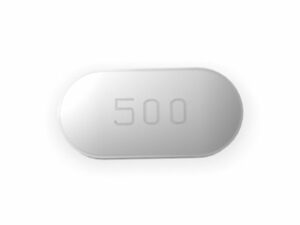

Prandin (Repaglinide) – Patient Guide (Australia)
Prandin is a prescription medicine used to help control blood glucose in adults with type 2 diabetes. It belongs to a group of medicines known as meglitinides. Prandin works by stimulating the pancreas to release insulin in response to meals, helping to reduce the rise in blood sugar after eating.
This page explains how Prandin works, how it’s typically taken, important safety considerations, and what to expect in day-to-day use. Always follow the instructions given by your doctor and the product information for your specific situation.
Basic product information
| Category | Details |
|---|---|
| Generic name | Repaglinide |
| Brand name | Prandin |
| Medicine type | Oral blood glucose–lowering medicine (meglitinide) |
| How it’s usually used | With meals to reduce post-meal blood glucose |
| Common side effect | Low blood glucose (hypoglycaemia) |
| Availability in Australia | Dispensed via pharmacies under Australian medicines regulatory arrangements |
How Prandin works (mechanism of action)
Prandin (repaglinide) lowers blood glucose mainly by increasing insulin secretion from pancreatic beta cells. It does this by binding to specific receptors on the beta cell surface (ATP-sensitive potassium channels), which helps trigger insulin release.
Because Prandin is taken around mealtimes, the insulin release is targeted to the time when blood glucose levels rise after eating. This can be particularly helpful for controlling post-prandial (after-meal) glucose.
- Meal-related action: Helps reduce the glucose rise after meals.
- Shorter acting than some other options: Designed to be taken before/with meals rather than on a fixed schedule independent of meals.
- Not a substitute for lifestyle: Diet, exercise, weight management, and glucose monitoring remain essential.
Pharmacokinetics (how the body handles it)
Pharmacokinetics describes how the medicine is absorbed, distributed, metabolised, and eliminated. The key practical points for Prandin are:
- Absorption: Repaglinide is absorbed quickly after oral dosing, allowing it to begin acting around mealtimes.
- Onset and duration: It has a relatively rapid onset and a shorter duration of effect compared with some other diabetes tablets. This supports dosing with meals.
- Metabolism: Primarily metabolised by the liver. This influences how it interacts with other medicines.
- Elimination: Metabolites are excreted mainly via the biliary/faecal route (with some renal contribution depending on context).
Because repaglinide depends heavily on liver metabolism, your prescriber may adjust doses and monitor carefully if you have liver impairment or take medicines that affect liver enzymes.
Typical use in type 2 diabetes
Prandin is used to improve blood glucose control in adults with type 2 diabetes. It is often considered when:
- There is a need to manage post-meal glucose levels
- Your current regimen does not provide adequate control
- There is an opportunity to tailor dosing to meals rather than using a long-acting fixed schedule
In many treatment plans, it may be used:
- Alone (monotherapy) in selected people
- In combination with other diabetes medicines (commonly depending on your overall treatment plan and clinical factors)
Indications (what it’s used for)
Prandin is indicated for the management of type 2 diabetes mellitus as part of a comprehensive diabetes care plan. It helps lower blood glucose levels, particularly in relation to meals.
Your personal eligibility depends on your health status, other medicines you take, and how well your diabetes is controlled.
How to take Prandin (timing and dosing basics)
Correct timing is critical with Prandin because it is designed to work around eating. A common approach is to take it before meals so it can cover the glucose rise from food.
When to take it
- Take Prandin before meals, typically within a period recommended by your clinician or the product information.
- If you skip a meal, you will typically be advised to skip that Prandin dose to reduce the risk of low blood glucose.
Typical dosing approach
Dosing is individual. Your prescriber may start at a lower dose and adjust based on:
- Your blood glucose monitoring results
- Your HbA1c targets
- How your body responds and your risk of hypoglycaemia
- Liver function and interactions with other medicines
Typical dosing schedules in clinical use often involve taking it several times daily, tied to the number of meals you eat. The exact number of doses per day will depend on your meal routine and your clinician’s instructions.
Missed dose guidance
- If you miss a dose, follow your prescriber’s guidance.
- Do not take extra doses to make up for a missed dose.
- If a meal is missed or delayed, dosing plans usually need adjustment to avoid hypoglycaemia.
Food interactions and meal considerations
Prandin is specifically related to meals. This is both an advantage and a practical responsibility.
Eating patterns
- Regular meals: Helps the medicine align with insulin release needs.
- Irregular meals: Increases the risk of mismatch between insulin stimulation and available carbohydrates.
- Skipping meals: Dosing often needs to be skipped with the meal (to reduce hypoglycaemia risk).
Diet composition
While there are no common “forbidden foods,” blood glucose can vary significantly with: carbohydrate amount, meal size, and composition. Monitoring can help you learn how your usual meals affect your blood glucose response.
Alcohol and medicine interactions
Alcohol and diabetes tablets
Alcohol can affect blood sugar levels and increase the risk of hypoglycaemia, especially if you drink without eating or if your overall food intake is reduced. Alcohol may also impair your ability to recognise early symptoms of low blood sugar.
- Limit alcohol if you notice it lowers your blood glucose.
- Discuss safe alcohol limits with your healthcare team.
- Avoid drinking heavily or binge drinking.
Important medicine interactions
Repaglinide is metabolised mainly by the liver and may interact with medicines that affect liver enzymes. Some interactions can significantly change repaglinide levels, increasing the risk of side effects or reducing effectiveness.
Tell your pharmacist or doctor about all medicines you take, including over-the-counter products, vitamins, herbal supplements, and any recent changes.
- Antifungal medicines and certain other medicines that affect liver enzyme activity may require avoidance or careful monitoring.
- Some antibiotics and anti-seizure medicines can alter how repaglinide is broken down.
- Other blood glucose medicines can increase or decrease hypoglycaemia risk depending on the combination.
Your healthcare professional may review your medication list to reduce interaction risk and may recommend extra blood glucose monitoring when starting or stopping interacting medicines.
Safety profile and side effects
Like all diabetes medicines, Prandin can cause side effects. The most important risk is hypoglycaemia (low blood glucose). Other side effects can occur, though many are mild and manageable.
Serious risks
- Hypoglycaemia: Low blood sugar can be dangerous. Risk is higher with missed meals, inconsistent eating, increased exercise without reducing carbohydrates, or in combination with other glucose-lowering medicines.
- Severe allergic reactions (rare): Seek urgent medical help if you experience swelling of the face/lips, difficulty breathing, or widespread rash.
- Liver concerns: Because repaglinide is metabolised in the liver, worsening liver function may require reassessment of treatment.
Common side effects
- Low blood glucose symptoms (may include shakiness, sweating, hunger, dizziness, headache, irritability, or confusion)
- Nausea or stomach discomfort
- Headache
Recognising and managing hypoglycaemia
Symptoms vary between people, and some may not feel warning signs. If you develop symptoms of low blood glucose, treat promptly.
- Use a fast-acting carbohydrate source (e.g., glucose tablets or sugary drink) as recommended by your diabetes plan.
- Recheck your blood glucose if possible and follow up with a snack or meal if needed.
- If symptoms are severe, unconscious, or you cannot swallow, this is an emergency—seek urgent assistance.
Practical use tips for everyday life
- Match doses to meals: Take Prandin before the meal you’re about to eat; if you skip the meal, dosing often needs to be skipped too.
- Keep a consistent eating routine: Irregular meals increase the risk of low blood sugar.
- Monitor glucose: Regular self-monitoring can show whether your timing and dose align with your meals.
- Carry quick sugar: Having glucose available can help manage unexpected hypoglycaemia.
- Discuss driving and work safety: If you’ve had hypoglycaemia before, talk to your healthcare team about prevention strategies.
- Be medication-alert: If you change medicines (especially antibiotics/antifungals or liver enzyme–affecting medicines), ask your pharmacist about interaction risk.
Alternative options (other treatments for type 2 diabetes)
Treatment is individual. Alternatives depend on your current HbA1c, meal pattern, kidney function, cardiovascular risk, weight goals, and tolerability. Some common categories your doctor may consider include:
- Metformin (often first-line in many guidelines)
- Sulfonylureas (another class that stimulates insulin release, with different hypoglycaemia and timing profiles)
- DPP-4 inhibitors (generally lower risk of hypoglycaemia compared with insulin secretagogues)
- GLP-1 receptor agonists (injectable; may support weight management and cardiovascular considerations)
- SGLT2 inhibitors (oral; can be beneficial for certain patients, including specific heart/kidney considerations)
- Basal insulin or other insulin regimens (for more advanced disease or when oral options are insufficient)
If Prandin doesn’t suit you, your healthcare professional can discuss benefits and trade-offs of each option, including how they affect weight, hypoglycaemia risk, and monitoring needs.
Market and legal context for Australia
In Australia, diabetes medicines are regulated under the Therapeutic Goods framework. Medicines like Prandin are supplied through standard pharmacy channels and are generally managed under prescription supply arrangements consistent with Australian regulatory and clinical practices.
Availability can vary by strength and supply arrangements. Your local pharmacy can confirm current stock status and assist with suitable alternatives if a specific pack is temporarily unavailable.
Recent guidance and how to stay updated
Diabetes care guidance evolves with new evidence. In Australia, clinical practice commonly emphasises:
- Individualised HbA1c targets based on age, comorbidities, and risk of hypoglycaemia
- Minimising hypoglycaemia risk where possible
- Considering cardiovascular and kidney benefits for some medicine classes
- Regular review of therapy effectiveness and side effects
Because treatment goals and medicine choices may change, it’s important to have periodic medication reviews—especially if you experience recurrent low blood glucose, changes in diet, illness, or changes to other medicines.
Delivery and availability (online pharmacy)
Online pharmacies in Australia typically arrange delivery within Australia using standard couriers or tracked shipping options. Availability depends on:
- The specific strength and pack size requested
- Current supplier and distribution schedules
- Whether alternative strengths or generic equivalents are suitable
For the smoothest delivery experience, ensure your contact and delivery details are correct. If a medicine is temporarily unavailable, the pharmacy may contact you to discuss options such as substitutions (where clinically appropriate) or alternative ordering arrangements.
FAQ
1) What is Prandin used for?
Prandin (repaglinide) is used to improve blood glucose control in adults with type 2 diabetes, particularly by reducing blood sugar increases after meals.
2) How do I know when to take it?
Take Prandin before meals according to your clinician’s instructions. Because it is meal-related, dosing may be skipped when a meal is skipped. If you’re unsure about timing for your day-to-day routine, ask your pharmacist or diabetes educator.
3) Can I take Prandin if I don’t eat?
Usually, if you skip a meal, the corresponding dose is also skipped to reduce the risk of low blood glucose. Follow your healthcare professional’s guidance for your specific plan.
4) What should I do if I miss a dose?
Don’t double up. Follow the advice provided by your healthcare professional or pharmacist. In many cases, the missed dose is skipped—especially if the meal was missed.
5) What are the main side effects?
The most significant risk is hypoglycaemia. Other possible side effects include headache, nausea, and stomach discomfort. Seek urgent help for severe allergic reactions or severe hypoglycaemia.
6) Can Prandin cause low blood sugar?
Yes. Prandin stimulates insulin release, so low blood sugar can occur—especially with missed meals, increased exercise without adjusting food intake, or when combined with other glucose-lowering medicines.
7) Are there foods I must avoid?
There are no single universally prohibited foods, but meal timing and carbohydrate intake matter. Keeping consistent eating patterns and monitoring how meals affect your glucose is helpful.
8) Is it safe to drink alcohol?
Alcohol can increase the risk of low blood glucose and may make symptoms harder to recognise. If you drink alcohol, do so carefully and with food, and discuss safe limits with your clinician.
9) What medicines interact with Prandin?
Repaglinide may interact with medicines that affect liver metabolism, and with other diabetes medicines. Tell your pharmacy about all medicines and supplements so your pharmacist can check interaction risks.
10) What if I have liver problems?
Because repaglinide is metabolised in the liver, liver impairment may require dose adjustment or closer monitoring. Discuss your liver health with your prescriber.
11) Are there alternatives to Prandin?
Yes. Depending on your situation, alternatives may include other oral agents (e.g., metformin, DPP-4 inhibitors, SGLT2 inhibitors) or other classes such as GLP-1 receptor agonists or insulin. Your clinician will recommend the best option based on your goals and risk factors.
Important: This guide is general information and doesn’t replace personalised medical advice. If you have questions about whether Prandin is suitable for you or how to adjust dosing during illness, travel, exercise, or changes in meal patterns, speak with your pharmacist or diabetes care team.