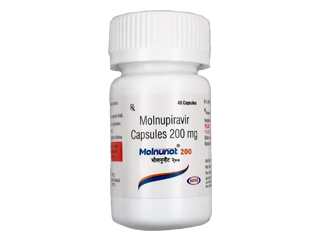

Molnunat (Molnupiravir) — Patient Information (Australia)
Molnunat is a brand of molnupiravir, an antiviral medicine designed to reduce the risk of progression to severe disease in certain adults with COVID-19. This page explains how it works, how it’s used, and important safety and interaction information in a clear, patient-friendly way.
Please note: guidance for COVID-19 treatment can change as new evidence emerges. Always follow the advice of your healthcare professional and the most up-to-date Australian public health guidance. If you have questions about whether Molnunat is suitable for you, speak with a qualified clinician.
Basic product information
| Item | Details |
|---|---|
| Medicine | Molnunat (molnupiravir) |
| Medicine class | Direct-acting antiviral (small molecule RNA polymerase inhibitor) |
| Target condition | COVID-19 (mild to moderate in high-risk adults, under specific circumstances) |
| Common regimen | Oral medicine taken for a short course (see “Dosing” below) |
| Route | By mouth |
How Molnunat works (mechanism of action)
Molnupiravir is a prodrug of a ribonucleoside analogue. After it is taken, it is converted inside the body into its active form. The active metabolite interferes with the way the virus copies its genetic material by acting on the viral RNA polymerase.
In practical terms, Molnunat promotes errors in viral replication. This makes it harder for the virus to multiply effectively, which can reduce viral load and lower the risk of disease worsening in certain patients.
Molnupiravir is intended for use early in the course of infection, when the virus is actively replicating.
Pharmacokinetics (what happens in the body)
Pharmacokinetics (PK) describes how the body absorbs, distributes, metabolises, and eliminates a medicine. While individual results vary, the overall behaviour of molnupiravir in the body can be summarised as follows:
- Absorption: After oral dosing, molnupiravir is absorbed and converted to an active metabolite.
- Metabolism: The medicine is processed through pathways that activate it to the pharmacologically active form.
- Excretion: Metabolites are eliminated primarily via renal and other routes depending on the specific metabolite.
- Timing matters: Because antiviral activity is highest early in infection, the treatment course is time-sensitive.
If you have kidney or liver conditions, your clinician may consider additional factors when determining suitability and monitoring.
Typical use and who it may be for
Molnunat is used as an oral antiviral option for COVID-19 in certain adult patients at higher risk of becoming seriously ill. Eligibility is based on clinical assessment and the presence of risk factors.
It is commonly considered for people who:
- have confirmed COVID-19 infection
- are within the early phase of illness
- are at higher risk of deterioration (for example, due to age or certain medical conditions)
- can start the course promptly when appropriate
Molnunat is designed to work against the replication process of SARS‑CoV‑2. It is not a substitute for urgent medical care if you develop warning signs.
Indications (when it’s used)
In Australia, molnupiravir has been authorised/used for COVID-19 treatment in line with evolving national and clinical guidance. Typically, it is reserved for situations where other options may be unsuitable or not available, based on clinical judgement.
Common indication themes:
- Mild to moderate COVID-19 early in the illness in adults at increased risk of progression
- Use where the patient and clinical team judge benefit outweighs risks
Because recommendations and eligibility criteria may change, check current Australian guidance or ask your clinician for the most relevant information for your situation.
Timing: when to start Molnunat
Timing is essential for antivirals. Molnunat is generally intended to be started as early as possible after symptoms begin. Many protocols use a short window (commonly within several days of symptom onset) to maximise benefit.
- Start promptly: Don’t wait for symptoms to worsen.
- Early testing helps: A rapid test or confirmed result can help with timely decision-making.
- Complete the full course: Even if you start to feel better, finish as directed.
Your clinician will advise the appropriate timing for your specific circumstances.
Dosing (typical regimen)
Standard regimens are based on adult dosing and are designed as a short course. Always follow the dosing instructions provided with your medicine and your healthcare professional’s advice.
Typical adult dosing approach (commonly used):
- Duration: usually 5 days
- Frequency: taken by mouth multiple times per day
- Example form: follow the exact tablet strength and schedule given for your product
If you are unsure about your exact dose, check your label or the instructions supplied by the pharmacy. Do not adjust the dose unless a clinician advises you.
How to take Molnunat (practical use tips)
- Take at regular times: Spacing doses evenly can help maintain consistent levels.
- Don’t skip doses: Missing doses may reduce effectiveness.
- Use a pill organiser: Helpful if you’re taking multiple medications.
- Stay hydrated: If you have fever or reduced appetite, fluids can help.
- Monitor symptoms: If you worsen, contact medical services promptly.
Many people find it easier to tie doses to daily routines (e.g., morning and evening meals) if that aligns with the prescribed schedule.
Food interactions (with meals and absorption)
Food interactions can affect how quickly medicines are absorbed. For molnupiravir, food may influence absorption slightly, but it is generally considered acceptable to take it with or without food depending on the instructions provided.
Patient-friendly guidance:
- If the product instructions allow either option, you may take it with food to improve stomach comfort.
- Try to be consistent each day (e.g., always with meals) unless advised otherwise.
- Follow any specific directions on your medicine label.
If you have nausea, vomiting, or difficulty eating, let a clinician or pharmacist know—timely advice may help.
Alcohol and medicine interactions
While there isn’t a universally required alcohol prohibition for molnupiravir in all contexts, it’s generally wise to avoid or limit alcohol during COVID-19 illness. Alcohol can worsen dehydration, reduce sleep quality, and interact with other medicines you may be taking (such as pain relievers, cough medicines, or medicines for chronic conditions).
Practical recommendations:
- Limit alcohol: Consider avoiding alcohol during the treatment course.
- Check other medications: If you’re taking multiple medicines, ask a pharmacist about interaction risks.
- Be cautious with sedating medicines: Some cold/flu products may contain ingredients that cause drowsiness.
If you’re unsure about alcohol in your specific situation, speak with your pharmacist.
Safety profile: common side effects and what to watch for
Like all medicines, Molnunat can cause side effects. Most people experience mild to moderate effects, and symptoms often resolve after the course is completed. However, you should seek urgent help if you develop severe symptoms.
Common side effects
- Nausea
- diarrhoea
- Dizziness or headache
- General fatigue
Less common but important
- Allergic reaction signs (e.g., rash, swelling of face/lips, wheezing, trouble breathing)
- Severe or persistent vomiting/diarrhoea leading to dehydration
- Worsening health or new breathing difficulty
When to seek urgent medical care
In Australia, you should seek urgent advice or call emergency services (000) if you have danger signs such as:
- trouble breathing or shortness of breath at rest
- chest pain or pressure
- blue-tinged lips or face
- confusion, severe drowsiness, or inability to stay awake
- rapidly worsening symptoms
Don’t wait until your treatment course is finished if symptoms are severe.
Safety considerations (pregnancy, breastfeeding, and fertility)
Special safety considerations apply to molnupiravir, particularly in relation to pregnancy. This is important even if you feel well.
- Pregnancy: Molnupiravir may carry risk considerations for an unborn baby based on how the drug works. Discuss options promptly with a clinician if you are pregnant or trying to conceive.
- Breastfeeding: Discuss breastfeeding considerations with a clinician.
- Contraception: Because of potential reproductive considerations, your clinician may advise contraception measures during and after treatment.
If any of these apply to you, tell your healthcare professional before starting Molnunat so they can choose the most appropriate option.
Drug interactions (general guidance)
Before starting Molnunat, it’s important to review your other medicines and supplements. While significant interactions are not always expected, medicines can still interact in complex ways.
To reduce risk:
- Keep a list of all medicines (including over-the-counter products and supplements).
- Include doses and how often you take them.
- Ask your pharmacist about interactions.
If you are taking medicines for chronic conditions (e.g., blood pressure, diabetes, epilepsy, mental health), seek professional advice for the safest plan.
Renal and liver considerations
People with kidney or liver impairment may need additional consideration depending on the severity of impairment and other clinical factors. Your clinician may review history, current laboratory results, and overall risk profile before advising Molnunat.
If you have known liver disease or significant kidney disease, ensure you tell the person assessing your treatment suitability.
Practical “day-of-care” checklist
- Confirm timing: Start the course within the recommended early window after symptom onset.
- Prepare your schedule: Set reminders for each dose.
- Plan hydration and food: Eat small meals if appetite is low.
- Know the warning signs: If breathing worsens, seek urgent care.
- Keep symptom notes: Write down temperature, oxygen readings (if you have a monitor), and symptoms.
Alternative options for COVID-19 treatment
Treatment options for COVID-19 can vary by availability, patient factors, and evolving clinical guidance. Depending on your circumstances, alternative antiviral or supportive treatments may be considered by clinicians.
Examples of common alternative pathways (high-level):
- Other antivirals that may be preferred in some circumstances (based on suitability and timing)
- Monoclonal antibodies (where applicable in certain eras and guidance frameworks)
- Supportive care such as fever/pain relief, hydration, and monitoring
- Hospital-based treatments for more severe disease (if needed)
Your clinician can explain which option is most appropriate for you, considering risk factors, drug interactions, and timing.
Australia: market, legal, and prescribing context
In Australia, medicines are regulated through the appropriate national systems and are supplied based on current approvals and clinical guidance. The availability and recommended use of specific COVID-19 antivirals can change over time depending on evidence and public health policies.
Key points for patients in Australia:
- Availability may vary depending on local stock and clinical criteria.
- Pharmacy supply processes are designed to ensure safe dispensing and correct patient identification.
- Current guidance may be updated by Australian health authorities as new information becomes available.
If you’re unsure whether Molnunat is available in your area or suitable for your situation, contact a healthcare provider or pharmacist for guidance.
Recent guidance (how to stay up to date)
COVID-19 recommendations can evolve as variants change and treatment evidence is updated. When deciding on treatment, clinicians and pharmacists typically consider:
- current Australian health authority advice
- the timeframe since symptom onset
- your risk factors for severe disease
- drug interactions and medical history
- current local availability of antivirals
Always check the latest advice from reputable Australian sources (such as public health agencies) or ask your pharmacist for the most current information relevant to you.
Delivery and availability (online pharmacy information)
Online pharmacies aim to make COVID-19 treatments easier to obtain promptly. Availability may depend on stock levels, courier timelines, and eligibility verification processes.
Common delivery considerations:
- Fast dispatch: Many orders are processed quickly to help you start treatment within the recommended time window.
- Address accuracy: Provide a correct delivery address (including postcode) to avoid delays.
- Cold/ambient storage: Follow storage instructions on the packaging; most tablets are stored at room conditions.
- Shipping times vary: Rural and remote locations may take longer.
If timing is critical, contact customer support to discuss dispatch options. In urgent situations or if symptoms worsen, seek medical care immediately.
FAQ — Molnunat (molnupiravir)
1) How do I know if Molnunat is right for me?
Molnunat may be considered for adults with confirmed COVID-19 who are at higher risk of severe disease and who can start treatment early. A clinician should assess your risk factors, current symptoms, timing, and medicine interactions.
2) When should I start taking Molnunat?
Start as early as possible after symptom onset and confirm you’re within the recommended early treatment window. The exact window can differ by guidance and clinical decision-making—your pharmacist or clinician will provide the correct timeframe.
3) Can I take Molnunat with food?
In many cases, molnupiravir can be taken with or without food. Taking it with food may be easier if you experience nausea. Follow your label instructions or the advice provided by your pharmacist.
4) What if I miss a dose?
If you miss a dose, follow the instructions on your medicine label or ask your pharmacist for advice. Avoid doubling up unless you are specifically instructed to do so.
5) Can I drink alcohol while taking Molnunat?
It’s generally best to limit alcohol during illness. Alcohol can worsen dehydration and may interact with other medicines you’re using. If you have questions, ask your pharmacist about your specific medication list.
6) What side effects should I expect?
Common side effects can include nausea and diarrhoea, along with headache or dizziness. Contact a healthcare professional urgently if you develop signs of an allergic reaction or severe symptoms.
7) What should I do if my symptoms get worse?
Seek urgent medical advice if you develop danger signs such as breathing difficulties, chest pain, severe confusion, or rapidly worsening symptoms. Don’t wait for the treatment course to end.
8) Who should avoid Molnunat?
Suitability depends on age, medical history, pregnancy/breastfeeding status, and medicine interactions. Discuss these factors with a clinician before using Molnunat.
9) Are there alternatives if Molnunat isn’t suitable?
Yes. Depending on timing, risk profile, and availability, clinicians may consider other antiviral options or supportive treatment strategies. Ask your pharmacist or healthcare provider about the most appropriate pathway.
10) How should I store Molnunat?
Store the tablets according to the instructions on the packaging (typically at room temperature, away from moisture and heat). Keep out of reach of children.
Disclaimer: This information is intended to be patient-friendly and general. It does not replace advice from a healthcare professional. If you have questions about your medical situation or drug interactions, speak with a pharmacist or clinician.