Androgel® (Testosterone topical) – Patient Information (Australia)
Androgel is a testosterone medicine applied to the skin. It is used to treat certain conditions where the body does not make enough testosterone. This page explains how Androgel works, how it is used, what to expect, and important safety information—written for a patient-friendly understanding in the Australian setting.
Quick facts
- Active ingredient: Testosterone
- Dosage form: Topical gel applied to the skin
- Common reasons for use: Male hypogonadism (low testosterone due to the testes not producing enough testosterone)
- How it works: Testosterone absorbed through skin into the bloodstream
- Key safety issue: Avoid transfer to others—especially women and children—by covering the application area and following hygiene steps
Basic product information
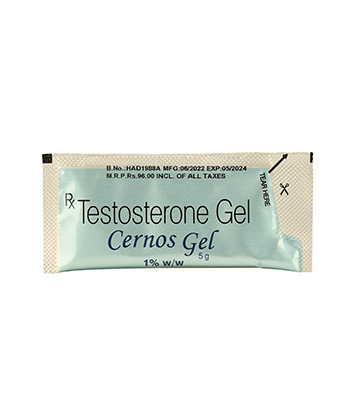
Androgel® contains testosterone in a gel formulation designed for once-daily skin application. Unlike injections, it provides a continuous daily supply of testosterone when used correctly.
Brand availability in Australia: Androgel is an established testosterone gel brand. Availability may vary by strength and pharmacy supply, but it is generally available via Australian pharmacies through supply chains and wholesalers.
What testosterone is and why it matters
Testosterone is a hormone mainly produced in the testes. It supports:
- Sexual function (libido and erectile function)
- Production of sperm
- Maintenance of muscle mass and strength
- Bone density
- Energy levels and mood
- Secondary sexual characteristics
When testosterone levels are consistently low (and the cause is appropriate), replacing testosterone can improve symptoms and help restore more normal hormone levels.
Mechanism of action
After Androgel is applied to the skin, testosterone is absorbed into the bloodstream. Testosterone then:
- Activates androgen receptors in target tissues
- Helps regulate gene expression related to muscle, bone, red blood cell production, and sexual function
- Can be converted into estradiol (via aromatase) in some tissues, which also influences bone health and other functions
- Can be converted into dihydrotestosterone (DHT) (via 5α-reductase) in tissues such as the prostate and skin
The effect is gradual and depends on achieving adequate blood testosterone levels over time.
Pharmacokinetics (how the body handles it)
Absorption: Testosterone from the gel is absorbed through the skin into systemic circulation. Absorption is influenced by:
- Application technique and amount used
- Where it is applied (typical areas include shoulders/upper arms and/or abdomen, depending on product instructions)
- Skin condition (broken skin can increase absorption)
- Whether the area is washed or covered too early
- Environmental factors (for example, sweating soon after application)
Onset and steady state: Testosterone levels rise over the day after application. With daily use, levels reach a relatively stable “steady state” after several days (commonly about a week, depending on individual factors and dosing).
Distribution and metabolism: Testosterone circulates in the blood, and some binds to proteins such as sex hormone-binding globulin (SHBG). It is then metabolised in the liver and other tissues to inactive metabolites.
Elimination: Metabolites are excreted mainly via urine and faeces.
Important practical point: Because Androgel is designed for daily use, missing doses can cause testosterone levels to drop. Monitoring and dose adjustments are typically guided by symptoms and blood testosterone results.
Typical uses (indications)
In Australia, testosterone replacement therapy is generally used for adult men with confirmed hypogonadism due to primary testicular failure or certain forms of central (pituitary/hypothalamic) hypogonadism, where low testosterone is present on blood testing and symptoms suggest androgen deficiency.
Testosterone therapy is not intended for:
- General fatigue or ageing-related low energy without confirmed hypogonadism
- Use in women or children
- Management of infertility as a stand-alone treatment (testosterone can suppress sperm production)
Dosing and timing (what to expect)
Androgel is typically used once daily at the prescribed dose. The dose may be adjusted based on blood testosterone levels and symptom response.
General dosing principles
- Apply at the same time each day to maintain stable levels.
- Use the exact prescribed amount. Do not increase or decrease without guidance.
- Let the gel dry fully before getting dressed.
- Wash hands after application.
- Avoid skin-to-skin contact with others until the area is covered (see “Practical use tips” below).
When blood tests may be checked
Clinicians commonly check blood testosterone at specific times relative to application (for example, a trough level before the next dose or a peak level after application, depending on local practice). Your prescriber or pharmacist will advise the timing for your situation.
Note: The goal is usually to achieve mid-normal male testosterone levels while minimising side effects.
Timing considerations
Morning vs evening
Many patients apply Androgel in the morning, but the best time is the one that fits your routine and allows consistent daily absorption. If your schedule changes (for example, shift work), discuss it with your healthcare professional—timing can affect measured levels.
After application
- Allow the gel to dry before covering with clothing.
- Follow product-specific guidance on when the application area can be washed or showered.
- Do not apply other skin products to the same area unless instructed.
Food interactions
Because Androgel is absorbed through the skin, food interactions are usually less relevant than for oral testosterone formulations. There are generally no specific dietary restrictions required.
However, testosterone therapy can influence:
- Body composition (more muscle, changes in fat distribution)
- Metabolic health in some patients
Maintaining a balanced diet and monitoring any conditions such as diabetes or lipid levels remain important as part of comprehensive care.
Alcohol and medicine interactions
Alcohol
There is no direct “gel interaction” with alcohol because Androgel is topical. Nonetheless, heavy or frequent alcohol intake can affect:
- Hormone balance and liver health
- Cardiovascular risk
- Sleep and mood
- Adherence to daily routines
General advice: Keep alcohol within recommended limits for general health, and seek medical advice if you have liver disease or alcohol-related health concerns.
Medicine interactions (important examples)
Testosterone therapy may interact with other medicines indirectly through hormone effects. Always inform your healthcare professional about all medicines, including supplements.
Examples to discuss with a pharmacist/doctor include:
- Blood thinners (e.g., warfarin): testosterone can alter the effect of anticoagulants. Monitoring of blood clotting (INR) may be needed.
- Diabetes medicines: testosterone can improve insulin sensitivity in some people, potentially affecting glucose control.
- Corticosteroids: combined use may increase fluid retention; monitor as advised.
- Medicines affecting metabolism (liver enzymes): while topical absorption bypasses some pathways, overall hormone levels and side-effect risk can still change. Your clinician can advise based on your exact regimen.
Also important: Some medicines affect the prostate or blood counts. Testosterone therapy can increase red blood cell count (haematocrit), which may matter if you have conditions that increase clotting risk.
Safety profile and side effects
As with all hormone therapies, Androgel has potential benefits and risks. The aim is to use it safely at the lowest effective dose that achieves target testosterone levels.
Common side effects
- Skin irritation at application site (dryness, redness, itching)
- Headache
- Acne or oily skin
- Fluid retention (may cause mild swelling)
- Changes in libido
- Mood changes in some people
Serious risks (seek medical advice promptly)
- Erythrocytosis (increased red blood cells): can increase blood viscosity and potentially clot risk. Blood tests are usually monitored.
- Prostate-related symptoms: increased urinary frequency, weak stream, or worsening benign prostate enlargement symptoms. Men should be assessed for prostate health before and during therapy.
- Breast swelling or tenderness (gynaecomastia) due to hormone balance.
- Worsening sleep apnoea in some patients (loud snoring, daytime sleepiness).
- Allergic reactions to gel components (rash, swelling, trouble breathing).
- Unwanted transfer of testosterone to others (family members or partners), which can lead to hormonal effects in women and children.
Fertility considerations
Exogenous testosterone can suppress the signals from the brain that stimulate sperm production. This may reduce fertility while on therapy. If fertility is a goal, discuss options with a healthcare professional before starting treatment.
Practical use tips (how to apply safely)
Correct application helps achieve the intended effect and reduces transfer risk.
Before you start
- Confirm you know the dose and application sites described for your product.
- Plan your day so you can let the gel dry and avoid washing the area too soon after application.
- Keep gels away from children and pets.
How to apply (general steps)
- Wash and dry your skin where the gel will be applied.
- Apply the gel evenly to the recommended areas.
- Let it dry fully before dressing.
- Wash your hands after application.
- Allow enough time before showering/bathing per product instructions.
Preventing transfer to others (very important)
Testosterone can transfer from the skin to someone else through direct contact. To reduce this risk:
- Cover the application area with clothing after the gel has dried.
- Avoid skin-to-skin contact with others where the gel is applied until it is properly covered.
- If clothing gets damp or you sweat heavily, take extra care to keep the area covered.
- If contact is unavoidable, ensure the area is well-covered and avoid prolonged direct contact.
Special note: Extra caution is recommended around women (especially pregnant women) and children due to potential hormonal effects. If accidental transfer is suspected, contact a healthcare professional for advice.
When not to apply (common situations)
- Do not apply to broken or irritated skin unless your healthcare professional advises otherwise.
- Avoid applying to areas that will be rubbed by tight clothing immediately after application.
- Do not mix with other topicals on the same area.
What to monitor during treatment
Ongoing monitoring supports both effectiveness and safety. Common monitoring may include:
- Blood testosterone levels (timed relative to gel application)
- Full blood count (especially haematocrit/haemoglobin)
- Lipid profile and metabolic health as appropriate
- Prostate health assessment (based on age and risk factors)
- Symptom review: libido, energy, mood, sleep, urinary symptoms, and any adverse effects
Tell your pharmacist or doctor about new symptoms such as headaches, shortness of breath, leg swelling, or sudden changes in mood or sleep.
Alternative options (depending on your needs)
Testosterone therapy can be delivered in several ways. The best option depends on your symptoms, lifestyle, monitoring preferences, and tolerance.
Common alternatives
- Other testosterone gels (different formulations/strengths)
- Testosterone injections (e.g., short-interval vs longer-interval—may cause level fluctuations)
- Testosterone patches (skin-based, different absorption pattern)
- Oral testosterone undecanoate (where available—has different dosing and food requirements)
- Other hormonal or fertility-preserving approaches for selected patients (e.g., medications that stimulate the body’s own testosterone production), depending on the underlying cause
If fertility is important, if you need a different dosing schedule, or if skin irritation occurs, discuss alternatives with a healthcare professional.
Australia market and legal context
In Australia, testosterone products are regulated medicines. Testosterone replacement therapy requires appropriate medical assessment and follow-up due to potential risks and the need for monitoring.
Many Australian pharmacies can supply medicines according to national and state/territory regulations and pharmacy processes. Availability can vary by:
- Strength and pack size
- Prescribing and supply criteria in your area
- Manufacturer supply cycles
Recent guidance and considerations: Clinical practice typically emphasises confirmation of hypogonadism through symptoms plus blood tests, careful review of contraindications, and structured monitoring (including haematocrit and prostate-related monitoring where appropriate). Local professional recommendations may be updated over time; always rely on the most current advice from healthcare providers.
Delivery and availability (online pharmacy)
When ordering Androgel from an online pharmacy in Australia, availability depends on stock levels and supplier delivery schedules. Typical considerations include:
- Packaging: Supplied in sealed product packaging
- Shipping: Delivery to your nominated address; timeframes vary by courier and location
- Cold chain: Testosterone gels are generally not stored frozen; follow storage instructions on the pack (usually room temperature with protection from heat and direct sunlight)
If a product is temporarily out of stock, pharmacies may offer similar alternatives (same active ingredient) or suggest waiting for the next delivery, depending on regulatory and supply circumstances.
Safety checklist (when to seek advice)
Seek prompt medical advice if you experience:
- Symptoms of blood thickening/clot risk (e.g., unexplained shortness of breath, chest pain, severe headache, swelling in one leg)
- New or worsening urinary symptoms
- Signs of allergic reaction (hives, swelling of face/lips, trouble breathing)
- Signs of unwanted transfer (unexpected hair growth, acne, or other androgenic effects in someone who came into contact with the gel area)
FAQ
1) How long does it take for Androgel to work?
Some effects (such as libido or energy) may improve within weeks, while other outcomes (muscle changes, bone health) take longer. Testosterone levels stabilise after consistent daily use, typically over several days, and your clinician may reassess symptoms and blood levels during the first few months.
2) What happens if I miss a dose?
Take the gel as directed when you remember. If it is close to the next scheduled dose, skip the missed one and resume your usual routine. Do not apply extra gel to “catch up” without advice.
3) Can I shower or swim after applying?
You should follow the product instructions for when showering/swimming is safe after application. In general, you should allow enough time for the gel to dry and remain on the skin as directed before washing the area.
4) How do I prevent testosterone transfer to my partner or children?
Let the gel dry fully, wash your hands, and keep the application area covered with clothing. Avoid direct skin-to-skin contact with others until the area is covered. Extra caution is needed around pregnant women and children.
5) Will Androgel affect fertility?
It can. Exogenous testosterone may reduce sperm production and temporarily affect fertility while you are taking testosterone. If you are trying to conceive or want to preserve fertility, discuss options with a healthcare professional before starting or while on treatment.
6) Does Androgel cause acne?
Acne or oily skin can occur, particularly in people prone to it. If skin irritation or acne becomes bothersome, speak to your healthcare professional for advice on managing skin symptoms and whether dose adjustments are needed.
7) Is Androgel safe for everyone?
No. Testosterone therapy is not suitable for all people. Your clinician will consider conditions such as prostate-related issues, haematocrit/erythrocytosis risk, sleep apnoea, certain cardiovascular risks, and other medical factors.
8) What blood tests are usually monitored?
Common monitoring includes testosterone levels, full blood count (haematocrit), and prostate-related monitoring where appropriate. Your schedule may vary depending on your health and dose.
9) Can I use other lotions or creams on the application site?
It’s usually recommended to avoid applying other products to the same area unless advised by your pharmacist or doctor. Additional creams may affect absorption and irritation risk.
10) Are there any specific food interactions?
Because Androgel is applied to the skin, food interactions are generally minimal compared with oral testosterone products. Focus on overall health, and follow your clinician’s recommendations.
Summary
Androgel is a topical testosterone gel used to treat confirmed testosterone deficiency in appropriate adult men. It works by delivering testosterone through the skin and can improve symptoms over time. Safe use involves correct daily application, preventing transfer to others through skin contact, and regular monitoring to support effectiveness and reduce risks.
Always read the product information leaflet provided with your medicine and seek advice from a healthcare professional if you have questions about suitability, dosing, or side effects.