Acetazolamide (Acetazolamide) — Patient Information
Acetazolamide is a medicine used for a range of conditions involving fluid balance, the eyes, and certain medical emergencies. It works by changing how your kidneys handle acids and salts, which can help reduce excess fluid and alter body chemistry. This guide is designed to be patient-friendly and specific to an Australian audience, including practical use tips and common safety considerations.
Important note: If you have been advised to take acetazolamide, follow your healthcare professional’s directions. Dosing may vary depending on the reason you’re taking it and your personal medical history.
Basic product information
- Medicine name: Acetazolamide
- Common uses: Glaucoma (certain types), altitude sickness prevention and treatment, and other specialist uses such as specific oedema states and episodic neurological conditions (as directed by clinicians)
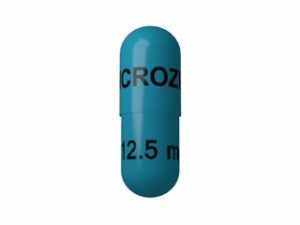
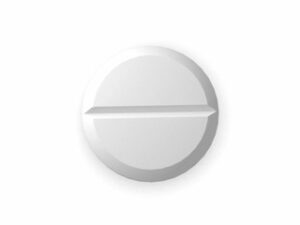
- How it is taken: Usually tablets by mouth (forms and strengths can vary by brand)
- Medicine class: Carbonic anhydrase inhibitor
Acetazolamide is available in Australia through pharmacy supply channels. Brand availability and strengths may differ. Your pharmacist can confirm the product you’re purchasing and how to use it correctly.
How acetazolamide works (mechanism of action)
Acetazolamide belongs to a group called carbonic anhydrase inhibitors. Carbonic anhydrase is an enzyme found in many parts of the body, including the kidneys and within the eye.
By blocking this enzyme, acetazolamide:
- Reduces reabsorption of bicarbonate in the kidney’s tubules, leading to increased excretion of bicarbonate (and usually sodium/potassium changes as well).
- Promotes a mild “acidifying” effect on the urine and can influence overall body pH.
- Decreases production of certain fluids (including in the eye), which can help lower intraocular pressure in some types of glaucoma.
- Encourages ventilation changes in altitude settings by affecting acid–base balance, which may reduce the risk and severity of altitude illness for some people.
Pharmacokinetics (how the body handles it)
Pharmacokinetics describes what the body does to a medicine—absorption, distribution, metabolism, and elimination.
- Absorption: Acetazolamide is absorbed after oral dosing, with effects typically developing within hours.
- Distribution: It can distribute into body tissues and may cross into ocular tissues where it helps reduce fluid production.
- Metabolism: Acetazolamide is not extensively metabolised.
- Elimination: The medicine is primarily excreted by the kidneys. Reduced kidney function can increase levels in the body and raises the chance of side effects.
- Duration of action: Effects can vary by indication; many regimens are scheduled in divided or daily doses depending on the reason it’s used.
Kidney function matters: Because acetazolamide is largely cleared through the kidneys, clinicians often adjust dose or avoid use in severe kidney impairment.
Typical use in Australia
Acetazolamide has several clinical roles. Commonly, it is used for:
- Prevention and treatment of acute altitude sickness (in selected adults, following medical advice)
- Glaucoma (particularly certain acute or specialist situations, including when rapid pressure reduction is needed)
- Other specialist indications such as certain fluid-related conditions or neurological presentations where clinicians choose acetazolamide for its effect on acid–base balance and fluid dynamics
The exact dose and schedule depend strongly on the indication. Always use the dose your healthcare professional provides.
When to take acetazolamide (timing)
Timing depends on why you’re taking it. General principles:
- Altitude sickness prevention: For some travellers, it is started before ascent and continued for a short period during early ascent. Your clinician/pharmacist can advise the best start time based on your itinerary.
- Glaucoma or other medical uses: The dose may be scheduled multiple times per day. Try to take it at consistent times.
- If you miss a dose: Take it when you remember unless it is near your next dose. Do not double up.
Tip: Use a daily reminder (phone alarm or calendar) to help maintain consistent dosing.
Indications (what conditions it’s used for)
Acetazolamide may be indicated for:
- Acute mountain sickness (AMS) prevention in selected people and/or treatment of established symptoms (as advised)
- Raised intraocular pressure in certain glaucoma scenarios (specialist-directed)
- Selected oedema-related or acid–base related conditions where a clinician chooses a carbonic anhydrase inhibitor
- Other conditions where the benefits outweigh risks, guided by medical assessment
Not every person is suitable for acetazolamide. Your medical history—especially kidney health, electrolyte levels, and sulfonamide allergy history—can affect safety.
Dosing: typical approaches (what’s usually done)
Dosing must be individualised. Below are general dosing patterns commonly used for patient information. Your prescriber’s instructions take priority.
1) Altitude sickness (prevention/treatment)
- Prevention: Often started shortly before ascending to higher altitude and continued for the early days of exposure.
- Treatment: Used when symptoms of acute altitude sickness are present, usually alongside measures such as rest and descent if needed.
2) Glaucoma
- Doses are typically divided because acetazolamide’s effects may not last the entire day at higher requirements.
- In acute ophthalmic situations, clinicians may use additional therapies and monitoring.
3) Other indications
- For specialist uses, dosing can vary widely based on the condition, severity, and kidney function.
Important: Because acetazolamide is renally cleared, a dose adjustment may be needed for people with reduced kidney function. Ask your pharmacist if your kidney function affects your dosing.
How to take acetazolamide safely
General guidance:
- Take with water. You may take it with or without food unless your clinician advised otherwise.
- Maintain hydration. Adequate fluid intake is important, especially when taking the medicine during travel or in hot climates.
- Expect urine colour changes. Acetazolamide can cause urine to look yellow or bright yellow. This is usually harmless.
- Do not stop suddenly without advice if you are taking it for glaucoma or a time-critical medical reason.
Food interactions (and what to know)
Acetazolamide is not commonly described as having a severe “food interaction.” However, diet can influence electrolyte balance and acid–base status.
Key points:
- Maintain consistent eating patterns. If you experience stomach upset, taking it with food may improve tolerance (if allowed for your specific product instructions).
- Electrolytes matter. Acetazolamide may affect potassium and sodium balance. Consistent intake of foods and fluids supports stability.
- Avoid extreme dietary changes. Very low carbohydrate or fasting regimens can increase the risk of metabolic complications in susceptible people.
If you have diabetes, heart failure, kidney disease, or are on fluid or electrolyte-restricting diets, ask your pharmacist for tailored advice.
Alcohol interactions
There isn’t a single universal “hard stop” that applies to all people, but caution is important.
- Alcohol may worsen side effects such as dizziness, drowsiness, or fatigue.
- During altitude travel or dehydration (hot weather, strenuous activity), alcohol can increase dehydration risk, which may make side effects more likely.
- Risk of electrolyte imbalance can be relevant when alcohol intake is heavy or when combined with vomiting/poor intake.
Practical approach: If you drink alcohol, keep it moderate, ensure you’re well hydrated, and avoid heavy drinking, especially when travelling or ill.
Interactions with other medicines
Acetazolamide can interact with other medicines—particularly those that affect kidney function, electrolytes, or acid–base balance. It may also change how the body handles other drugs due to urine chemistry changes.
Common interaction themes include:
- Other diuretics (including thiazides, loop diuretics): can increase electrolyte disturbances (low potassium or other imbalances).
- Electrolyte-affecting medicines: medicines that influence potassium or sodium levels may require monitoring.
- High-dose aspirin or salicylates: in some situations, acetazolamide may change acid–base balance and influence salicylate levels or toxicity risk.
- Some antiseizure medicines: carbonic anhydrase inhibition may affect metabolic pathways and seizure medicines may require monitoring or adjustments.
- Kidney-related medicines (including certain blood pressure medicines or drugs that impact renal blood flow): may increase risk if kidney function declines.
- Lithium: caution is needed with drugs cleared by the kidneys; electrolyte and kidney changes can influence lithium levels.
Always tell your pharmacist about all medicines and supplements you use, including over-the-counter products. This is especially important if you take:
- Diuretics (“water tablets”)
- Potassium supplements
- Blood pressure medicines
- Diabetes medicines
- Medicines for epilepsy
Safety profile: who should be careful
Like all medicines, acetazolamide can cause side effects. Many are mild and dose-related, but some require urgent medical attention.
Common side effects
- Tingling or numbness in hands/feet (often related to electrolyte changes)
- Increased urination
- Fatigue, weakness or a feeling of reduced energy
- Nausea or stomach discomfort
- Altered taste (sometimes reported)
- Bright yellow urine (usually harmless)
Less common but important risks
- Electrolyte disturbances (e.g., low potassium), which can affect muscles and heart rhythm
- Metabolic acidosis (a shift toward too much acid in the body) especially with high doses or kidney impairment
- Kidney stones in some people
- Severe allergic reactions including reactions in people sensitive to sulfonamide-type medicines
- Blood cell changes are rare but serious—seek medical advice if you develop unusual infections, bruising, or persistent fever
Seek urgent medical help if
- You develop swelling of the face/lips, difficulty breathing, or widespread rash (possible allergy)
- You have severe or persistent vomiting, confusion, or severe weakness
- You have chest pain, fainting, or palpitations (possible electrolyte/heart rhythm issue)
- You develop signs of severe dehydration (especially during travel)
Who should avoid or be especially cautious
Acetazolamide may not be suitable for everyone. Extra caution is needed if you have:
- Kidney disease or reduced kidney function
- History of severe allergy to sulfonamide medicines
- Liver disease or significant metabolic disorders (individualised guidance required)
- Low sodium or low potassium or conditions predisposed to electrolyte imbalance
- Electrolyte- or acid–base disorders already present
If you are pregnant or breastfeeding, discuss suitability with your healthcare professional, as the risk/benefit depends on the situation.
Practical use tips (especially for travel)
Whether you’re using acetazolamide for altitude or another condition, these tips can help you get the best results and reduce complications.
- Start and stop as advised: Altitude prevention strategies often rely on timing. Follow the recommended start date before ascent and stop date after risk passes.
- Hydrate: Drink regularly. In dry or hot climates, dehydration increases side effects risk.
- Go slow on ascent: Acetazolamide can help, but it does not replace safe altitude practices such as gradual ascent and resting.
- Monitor how you feel: If symptoms worsen despite taking the medicine, seek medical attention. Descent and emergency evaluation may be necessary in severe altitude illness.
- Be mindful of dizziness: If the medicine makes you feel light-headed, avoid activities requiring full alertness until you know how it affects you.
- Watch for tingling: Tingling can be mild, but if it becomes severe or accompanied by weakness or palpitations, contact a clinician.
- Keep a medication list: Useful if you travel or need medical assessment.
Alternative options
Alternatives depend on the reason you’re taking acetazolamide. In altitude medicine, clinicians may recommend different preventive strategies; for eye conditions, other treatments may be used depending on the type and severity of glaucoma.
Examples of alternatives by indication include:
- Altitude: Gradual ascent and rest are foundational. Some people may use other strategies directed by clinicians; do not self-switch without advice.
- Glaucoma: Eye drops and other oral medications may be used depending on the glaucoma subtype.
- Other specialist indications: Treatment may include different diuretics, other carbonic anhydrase inhibitors, or entirely different approaches based on diagnosis.
In Australia: Your pharmacist can explain what alternatives might be available locally and whether they are appropriate for your circumstances.
Market and legal context in Australia
Medicines in Australia are regulated under the Therapeutic Goods Administration (TGA). Supply classification (e.g., whether a medicine is prescription-only or can be supplied by a pharmacist) depends on the product, strength, and indication.
For acetazolamide products, availability may be influenced by local prescribing and dispensing rules, brand formulation, and clinical need. Online pharmacies must follow Australian legal requirements for dispensing and patient safety checks, including identity and suitability screening.
Recent guidance note: Australian safety practices and clinical guidance continue to emphasise careful patient selection—especially for people with kidney impairment, electrolyte disorders, or allergy histories—and the importance of monitoring where indicated.
Recent safety and monitoring themes (Australia-focused)
While guidance can evolve, current best practice commonly includes:
- Assessing kidney function prior to starting, or ensuring suitability for those with renal impairment
- Reviewing allergy history, including prior reactions to sulfonamide-type medicines
- Considering electrolyte monitoring for longer courses or higher-risk patients
- Ensuring correct altitude safety plans (medicine is supportive; safe ascent and symptom monitoring remain essential)
Your pharmacist or doctor can provide the most up-to-date, condition-specific recommendations for your situation.
Delivery and availability (online pharmacy)
Acetazolamide availability can vary based on brand, strength, and dispensing requirements. When ordering online in Australia, the pharmacy may:
- Verify your details and suitability information
- Confirm any required dose and dosing instructions
- Arrange payment and shipping according to Australian regulations
Shipping: Delivery times depend on location (metropolitan vs regional/remote), stock availability, and courier service. Some orders may be dispatched within 1–2 business days when stock is available (exact timelines vary).
Storage: Keep tablets in the original packaging, protected from moisture and away from excess heat, and store out of reach of children.
FAQ — Acetazolamide
1) What is acetazolamide used for?
Acetazolamide is used for conditions such as acute altitude sickness prevention/treatment and certain glaucoma situations, among other specialist uses. The reason you’re taking it determines the dose and timing.
2) How long does it take to work?
Many effects begin within hours after a dose. For altitude prevention, starting at the right time before ascent is important. For eye conditions, the timing depends on the clinical scenario and other treatments being used.
3) Can I take acetazolamide with food?
Food interactions are not typically severe. Taking it with food may help if you experience stomach upset. Follow the instructions supplied with your specific product.
4) Why is my urine bright yellow?
Bright yellow urine is a common, usually harmless effect of acetazolamide. It can look vivid or neon-yellow.
5) Will acetazolamide help with altitude sickness if I’m already feeling sick?
Acetazolamide may be used for treatment, but altitude illness management also includes rest and—if severe—medical assessment and descent. If symptoms worsen, seek urgent medical advice.
6) Are there serious side effects?
Serious side effects are uncommon, but important warning signs include severe allergic reactions, significant weakness or confusion, chest symptoms, or signs of dehydration. Seek urgent care if these occur.
7) Who should avoid acetazolamide?
People with significant kidney disease, those with certain allergy histories, and those with specific metabolic conditions may need to avoid or use it only under close medical supervision.
8) Can I drink alcohol while taking it?
Moderate alcohol may be tolerated by some people, but caution is recommended. Alcohol can worsen dizziness or dehydration risk and may increase side effects—especially during travel or hot conditions.
9) What medicines should not be taken with acetazolamide?
Several medicine classes may interact, especially those affecting electrolytes, kidney function, or acid–base balance. Tell your pharmacist about all medicines and supplements you take so they can check for interactions.
10) What should I do if I miss a dose?
If you miss a dose, take it when you remember unless it’s close to the next dose. Do not take double doses. If you’re unsure, ask your pharmacist.
Summary
Acetazolamide is a carbonic anhydrase inhibitor used for specific medical conditions including altitude sickness and certain glaucoma scenarios. It works by altering acid–base balance and fluid dynamics, which can lower intraocular pressure and support acclimatisation at altitude for suitable individuals.
Because it is cleared by the kidneys and can affect electrolytes, careful attention to kidney health, hydration, allergies, and interacting medicines is important. If you have any concerns—especially new symptoms or worsening illness—seek medical advice promptly.
Always refer to the specific instructions provided with your product and consult a healthcare professional for personalised guidance.