Uroxatral (Alfuzosin) – Patient Information (Australia)
Uroxatral is a medicine used to treat urinary symptoms caused by benign prostatic hyperplasia (BPH)—an enlargement of the prostate that commonly affects men as they get older. It works by relaxing specific muscles in and around the prostate and bladder outlet, helping urine flow more easily.
This guide is written to be clear and patient-friendly. It covers how Uroxatral works, how the body handles the medicine, typical use and timing, important food/alcohol interactions, safety information, and practical tips for everyday use in Australia.
Basic product information
- Brand name: Uroxatral
- Generic name: Alfuzosin
- Drug class: Alpha-1 (α1) adrenergic blocker
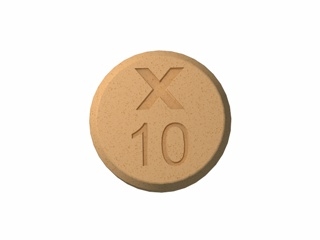
- Common form: Extended-release tablets (once-daily regimen)
- Typical therapeutic goal: Improve urine flow and reduce BPH-related symptoms
In Australia, brand availability and pack size can vary. Your local pharmacy can confirm which strengths and presentations are currently stocked.
How Uroxatral works (mechanism of action)
BPH involves both prostate enlargement and increased muscle tone in the prostate and the area where the bladder empties (the bladder outlet). Alfuzosin selectively blocks α1-adrenergic receptors in smooth muscle.
By relaxing this smooth muscle, Uroxatral helps to:
- Reduce resistance at the bladder outlet
- Improve urine flow (reduce hesitancy and weak stream)
- Decrease the urge to urinate urgently or frequently
- Improve overall lower urinary tract symptoms (LUTS) due to BPH
What symptoms is Uroxatral used for?
Uroxatral is used for the treatment of urinary symptoms associated with BPH. Typical symptoms include:
- Weak urine stream
- Difficulty starting urination
- Dribbling or incomplete bladder emptying
- Frequent urination
- Urgency (a sudden strong need to urinate)
- Night-time urination (nocturia)
It is important to note that Uroxatral does not shrink the prostate as directly as some other medication classes. It mainly improves symptom flow by relaxing muscle tone.
Indications (what it is approved/used for)
In practical clinical use, alfuzosin (Uroxatral) is indicated for:
- Symptomatic relief of lower urinary tract symptoms in men with benign prostatic hyperplasia (BPH)
When does Uroxatral start working? (timing)
Many people notice improvement within the first days to a couple of weeks. However, symptom response can be gradual and may take several weeks to become fully apparent.
- Typical onset: within days (varies)
- Full benefit: often after a few weeks of consistent use
If you do not notice any improvement after the period advised by your healthcare professional, seek advice—sometimes the dose, adherence, or the underlying cause of symptoms may need review.
Typical dosing and how to take Uroxatral
Dosage can depend on individual factors such as age, kidney or liver function, and other medicines. Always follow the dosing instructions provided with your product supply.
Common adult regimen
- Once daily dosing is typical for Uroxatral extended-release formulations.
- Tablets are usually taken after the same meal each day (see food interactions below).
Swallow whole: Do not crush, split, or chew extended-release tablets, as this can affect how the medicine is released and may increase side effects.
Missed dose
- If you miss a dose, take it when you remember if it is close to the next scheduled dose.
- If it is near your next dose, skip the missed dose and return to your routine.
- Do not take a double dose to make up for a missed tablet.
Mechanism-related pharmacokinetics (how the body handles alfuzosin)
Pharmacokinetics describe how a drug is absorbed, distributed, metabolised, and eliminated. Understanding these features helps explain practical instructions such as taking with food and avoiding certain interactions.
Absorption
- Alfuzosin is absorbed after oral administration.
- Food can significantly affect absorption, which is why taking Uroxatral with meals is usually recommended for the extended-release form.
Distribution
- Alfuzosin distributes into tissues, with high binding to plasma proteins.
Metabolism
- Alfuzosin is extensively metabolised, mainly in the liver.
- Certain liver conditions or liver-metabolising drug interactions can raise alfuzosin levels.
Elimination
- Alfuzosin and its metabolites are eliminated mainly via the kidneys and/or through metabolism-dependent pathways.
- Kidney impairment can influence overall exposure; dose and safety considerations may be needed.
Because alfuzosin undergoes liver metabolism and works as an alpha-blocker, drug interactions and medical history (especially liver issues) are important.
Food interactions: what to eat and when
Taking Uroxatral with food is usually recommended to support consistent absorption and reduce fluctuations in alfuzosin levels.
Practical guidance
- Take the tablet after the same meal each day (for example, after breakfast or after dinner, as instructed on your product label).
- Try to avoid taking it on an empty stomach unless your product-specific instructions explicitly allow it.
If you have questions about timing around meals due to shift work, irregular eating, or other health conditions, speak with a pharmacist for personalised advice.
Alcohol and medicine interactions
Alcohol
Alcohol may worsen dizziness or lightheadedness caused by alfuzosin and may increase the risk of falls, especially when starting treatment or after dose changes.
- Use caution with alcohol, particularly during the first days of therapy.
- If you notice dizziness, reduce or avoid alcohol.
Other medicines that can interact
Alfuzosin can interact with several medication types that affect blood pressure or alfuzosin metabolism. These interactions may increase side effects (such as low blood pressure) or change effectiveness.
Important interaction categories:
- Other alpha-blockers: combining can increase the risk of blood pressure lowering.
- Blood pressure medicines: may add to the chance of dizziness or fainting.
- Nitrates (for angina): can increase hypotension risk.
- Medicines affecting liver enzymes (CYP3A4 inhibitors/inducers): may raise or lower alfuzosin levels, affecting safety.
If you’re taking medicines for infections (some antibiotics), fungal infections (some antifungals), HIV treatments, or other long-term conditions, check with your pharmacist to confirm compatibility with alfuzosin.
Safety profile and side effects
Like all medicines, Uroxatral can cause side effects. Most people tolerate it well, but some effects are more important to recognise early.
Common side effects
- Dizziness or lightheadedness
- Headache
- Fatigue
- Low blood pressure symptoms, such as feeling faint (particularly after standing)
- Low energy or general weakness
- Nausea
Serious but less common risks (seek urgent help if these occur)
- Severe dizziness, fainting, or collapse
- Allergic reaction (swelling of face/lips, breathing difficulty, widespread rash)
- Chest pain or new severe cardiovascular symptoms
- Persistent or painful erection (rare; requires urgent medical attention)
Postural hypotension (low blood pressure when standing)
Alpha-blockers can cause a drop in blood pressure, especially when starting therapy. This can lead to dizziness, falls, or fainting.
- Be careful when standing up from sitting or lying down.
- Rise slowly, especially in the morning.
- If you feel dizzy, sit or lie down immediately.
Practical use tips (making treatment safer and easier)
- Take it consistently with food: follow the meal timing on your product instructions.
- Stand up safely: especially after your first doses and after any dose change.
- Hydration matters: staying hydrated can help reduce blood pressure fluctuations for some people.
- Review all medicines: include over-the-counter drugs and supplements.
- Plan falls prevention: if you’re at risk of dizziness, remove trip hazards and avoid driving if you feel lightheaded.
- Monitor symptom changes: track urinary flow, urgency, and night-time urination to see whether benefits are occurring.
If you have planned eye surgery or have eye symptoms such as blurred vision, tell your surgeon that you take alfuzosin. Alpha-blockers can be relevant to certain cataract/eye procedure considerations.
When to contact a healthcare professional urgently
Seek urgent medical advice if you experience:
- Fainting or severe dizziness
- Signs of an allergic reaction
- Chest pain or worsening cardiovascular symptoms
- Priapism (a prolonged painful erection)
- Sudden inability to urinate, fever, or severe back/flank pain
Alternative options for BPH symptoms (discuss with your clinician)
Treatment options for BPH-related symptoms vary depending on the severity of symptoms, prostate size, and patient preference. Alternatives may include one or more of the following:
Common medication classes
- Other alpha-1 blockers: such as tamsulosin or silodosin (different dosing schedules and interaction profiles).
- 5-alpha reductase inhibitors: like finasteride or dutasteride (often used when prostate enlargement is significant; may take longer to work).
- Combination therapy: alpha-blocker plus a 5-alpha reductase inhibitor for selected patients.
- Antimuscarinics and beta-3 agonists: for overactive bladder-type symptoms (urgency/frequency), sometimes in combination.
Non-medicine approaches
- Fluid timing strategies (reduce fluids in the evening)
- Reducing caffeine and alcohol (may improve urgency)
- Bladder training and double voiding techniques
- Managing constipation (can worsen urinary symptoms)
Your clinician may recommend additional evaluation if symptoms worsen, if there are red flags (such as blood in urine), or if treatment response is inadequate.
Market and legal context in Australia
In Australia, alfuzosin-containing products are supplied under the national medicines framework. Availability may depend on product scheduling and pharmacy supply rules. For online pharmacy customers, orders are typically fulfilled according to Australian regulatory requirements and individual eligibility checks.
BPH medicines are widely used in Australia, and Uroxatral is recognised within clinical practice for LUTS due to BPH. As with all medicines, supply must align with Australian product information and current prescribing/supply processes.
Note: Product availability, brand presentation, and specific supply pathways can vary across states and pharmacies. If you cannot see your exact strength online, contact support—an alternative pack or strength may be available.
Recent guidance and updates (what to pay attention to)
Guidance for BPH management commonly emphasises:
- Individualised symptom assessment: choosing therapy based on symptom severity, prostate size, and comorbidities.
- Cardiovascular safety: monitoring for dizziness and hypotension, especially in older patients or those taking blood pressure-lowering medicines.
- Interaction checks: careful review of medicines that may increase alfuzosin exposure.
- Eye surgery awareness: relevant disclosure to eye surgeons for cataract procedures in patients taking alpha-blockers.
Product-specific instructions (including tablet strength, meal timing, and safety warnings) may also be updated over time. Always refer to the information supplied with your specific Uroxatral pack.
Delivery and availability (Australia)
Online pharmacies in Australia often provide:
- Home delivery or pickup options depending on the supplier
- Tracked shipping for customer confidence
- Stock confirmation prior to dispatch when supply is limited
Availability can fluctuate due to distributor supply cycles and changes in packaging. If Uroxatral is temporarily out of stock, many pharmacies can offer:
- Alternative strengths/packs
- Equivalent generic alfuzosin brands (where appropriate)
- Alternative medication classes for discussion with your clinician
To help ensure you receive the correct product, include details such as tablet strength if your pharmacy requests it during checkout.
What to do if you miss a dose or stop taking Uroxatral
- Missed dose: follow the instructions above (avoid double dosing).
- Stopping: do not stop suddenly without advice, particularly if symptoms are severe. Symptoms may return as the medication effect wears off.
- Persistent side effects: if dizziness or other adverse effects occur, contact a healthcare professional for guidance.
Comparison table: Key practical information
| Topic | What patients commonly need to know |
|---|---|
| Purpose | Improves urinary symptoms of BPH by relaxing smooth muscle at the bladder outlet |
| How it works | Blocks α1-adrenergic receptors |
| Timing of effect | May start within days; fuller benefit often takes a few weeks |
| How to take | Extended-release tablets are usually taken once daily after a meal; swallow whole |
| Food interaction | Taking with food supports consistent absorption |
| Alcohol | May increase dizziness/low blood pressure risk—use caution |
| Main safety focus | Dizziness and postural hypotension, especially when starting |
| Drug interactions | Other alpha-blockers, blood pressure medicines, nitrates, and certain liver enzyme modulators may interact |
FAQ – Uroxatral (Alfuzosin)
1) Is Uroxatral the same as alfuzosin?
Yes. Uroxatral is a brand name that contains the active ingredient alfuzosin.
2) How long does it take to work?
Many people notice improvement within days. Full symptom improvement can take several weeks with regular use.
3) What happens if I take it without food?
For extended-release alfuzosin, absorption can be less consistent when not taken with food. Follow the meal instructions on your pack or from your pharmacist.
4) Can I drive or operate machinery?
If you feel dizzy—especially when starting—avoid driving or hazardous activities until you know how you respond.
5) What are the most important side effects to watch for?
The most important are symptoms of low blood pressure (dizziness, lightheadedness, fainting). Seek urgent help for severe reactions such as allergic symptoms or collapse.
6) Does Uroxatral shrink the prostate?
Uroxatral mainly relaxes the muscle at the bladder outlet to improve urine flow. Some other medicines can reduce prostate size more directly, depending on the cause and prostate enlargement.
7) Can I take Uroxatral with blood pressure tablets?
It may be possible, but combined medicines can increase the risk of dizziness or low blood pressure. Tell your pharmacist and clinician about all medicines you take so they can check for interactions.
8) Are there any eye-related precautions?
If you are planning cataract or other eye surgery, inform your surgeon that you take alfuzosin. Alpha-blockers can be relevant to surgical planning.
9) What if I drink alcohol while taking Uroxatral?
Alcohol can worsen dizziness and increase fall risk. Use caution, and avoid alcohol if you notice lightheadedness after taking your dose.
10) What are common alternatives if alfuzosin isn’t suitable?
Alternatives may include other alpha-blockers, 5-alpha reductase inhibitors, or therapies targeted to overactive bladder symptoms. The best option depends on your symptom pattern and medical history.
Summary
Uroxatral (alfuzosin) is widely used in Australia to relieve urinary symptoms from BPH by relaxing the muscles that control urine flow. For best results, take it consistently—often once daily after a meal—and watch for dizziness, especially at the beginning of treatment. If you’re unsure about interactions with other medicines or alcohol, speak with a pharmacist for tailored guidance.