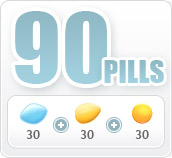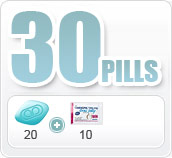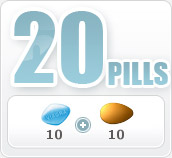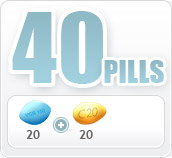
Professional Pack-40 (40 mg) — Patient-Friendly Guide
Professional Pack-40 is a medicine commonly supplied in Australia in a “professional pack” format. This guide explains, in plain language, how it works, what it’s used for, how it’s usually taken, and important safety and interaction information. Always follow the instructions provided by your healthcare professional and the product packaging.
Note: “Professional Pack-40” may refer to a specific branded presentation or bundled supply format. The active ingredient and exact dosing instructions should be confirmed on your specific product label and consumer medicines information (CMI). If you are unsure, check the pack details or ask your pharmacist.
Basic product information
| Category | What you’ll find on the pack |
|---|---|
| Medicine name | Professional Pack-40 |
| Strength | 40 mg (as indicated on the pack) |
| Common form | Tablets or capsules (confirm on your label) |
| Pack type | Professional pack (often designed for longer supply) |
| Who it’s for | People prescribed/approved to use the medicine for an indicated condition |
- Check the active ingredient: The “40 mg” strength refers to the amount of the active ingredient per unit (tablet/capsule). The active ingredient is what determines the mechanism, interactions, and side effects.
- Confirm your directions: Dose timing and duration vary depending on the condition, your age, kidney/liver function, and other medicines.
How Professional Pack-40 works (mechanism of action)
The precise mechanism depends on the active ingredient. In general, medicines supplied in 40 mg strengths are formulated to deliver a consistent therapeutic effect. Many medicines at this strength are designed to:
- Target a specific pathway: They may reduce unwanted activity in the body (such as inflammation, acid production, neurotransmitter imbalance, or abnormal cell signalling—depending on the medicine).
- Improve symptoms and underlying condition: By acting on the relevant biological pathway, they may help reduce symptoms and improve long-term outcomes.
- Maintain steady effects: Some formulations are taken once daily (or in a set schedule) to keep drug levels within a therapeutic range.
Tip: For the most accurate explanation, look at the “Active ingredient” section of your pack or CMI and match the mechanism to that ingredient. Your pharmacist can also summarise it for you.
Pharmacokinetics (how your body handles it)
Pharmacokinetics describes what happens to the medicine after you take it. While exact values depend on the active ingredient and formulation, typical features include:
- Absorption: The medicine is absorbed from the gastrointestinal tract into the bloodstream. Factors such as food may alter how much drug is absorbed.
- Distribution: The medicine circulates and may distribute into tissues where it exerts its effect.
- Metabolism: Many medicines are metabolised (broken down) primarily by the liver.
- Elimination: Excretion occurs via the kidneys and/or bile. Reduced kidney or liver function can increase exposure and the risk of side effects.
What this means for you: If you have kidney or liver problems, are older, or take interacting medicines, your clinician may adjust the dose or monitoring plan.
Typical uses (indications)
Professional Pack-40 is used for conditions where the active ingredient has proven benefit. Common indication types for medicines in this strength category include (depending on the active ingredient):
- Management of chronic symptoms where regular dosing helps maintain control.
- Treatment of an ongoing medical condition that requires continued therapy for symptom relief and risk reduction.
- Prevention of flare-ups in certain conditions under a maintenance plan.
Important: Always rely on the indication written on your specific prescription/medicine documentation and the CMI for the exact approved uses.
How to take it: timing, schedule, and missed doses
Timing
Many 40 mg medicines are taken:
- Once daily (common), or
- Twice daily (less commonly, depending on the active ingredient).
Follow the schedule on your label. If your medicine is intended for once-daily use, taking it at the same time each day helps maintain consistent effects.
With or without food
Some medicines can be taken with food to reduce stomach upset; others may be affected by food. See the Food interactions section below for key guidance.
Missed dose
- If you miss a dose, take it as soon as you remember unless it is close to the time of your next dose.
- If you’re near the next scheduled dose, skip the missed dose.
- Do not double up to make up for a missed dose, unless your doctor specifically told you to.
Stopping the medicine
Do not stop suddenly unless your prescriber advises it. Some medicines require tapering or a step-down plan to avoid rebound symptoms or withdrawal effects (depending on the active ingredient).
Dosing: what “40 mg” usually means
“40 mg” indicates the strength of the active ingredient per tablet/capsule. Your dose is determined by:
- Your condition
- Your age
- Kidney and liver function
- Whether you take other interacting medicines
- Your treatment goals and response
General guidance (not personal medical advice):
- Use the dose on your label. Never increase or decrease your dose without advice.
- Do not exceed the recommended maximum.
- If you feel the medicine is not working or side effects are troublesome, speak with your pharmacist or doctor—adjustments may be possible.
If you’d like, tell us the active ingredient name (exactly as shown on your pack) and we can tailor the timing/food interaction guidance more precisely for that ingredient.
Food interactions
Food can influence how much drug is absorbed or how quickly it acts. The relevant advice depends on the active ingredient and formulation. Common examples include:
- Some medicines: are better taken with food to reduce nausea or stomach irritation.
- Others: may have reduced or increased absorption when taken with certain foods (e.g., high-fat meals).
- For medications involving pH changes: acid-reducing products (antacids, PPIs, H2 blockers) may also affect absorption.
Practical approach: If the CMI says “take with food” or “take on an empty stomach,” follow it consistently. If the label is unclear, ask your pharmacist whether food changes the effect of your specific active ingredient.
Alcohol interactions
Alcohol can worsen side effects for many medicines, including dizziness, drowsiness, nausea, and increased strain on the liver. Depending on the active ingredient, alcohol may also:
- Increase sedation or impair judgement
- Increase the risk of stomach irritation
- Alter drug metabolism, changing exposure levels
Guidance for safer use:
- Avoid alcohol if you notice increased side effects after drinking.
- If you drink, keep it moderate and discuss with your pharmacist whether alcohol is discouraged for your specific medicine.
- Do not drive or operate machinery if you feel drowsy or unwell after taking your dose.
Other medicine interactions (including common examples)
Interactions can occur when medicines compete for metabolic enzymes, change stomach pH, affect blood clotting, or increase side-effect risks. Always tell your pharmacist about all medicines you use, including:
- Prescription medicines
- Over-the-counter products
- Herbal supplements (e.g., St John’s wort)
- Vitamins and minerals
Common interaction themes to watch for:
- Blood thinners/antiplatelets: may raise bleeding risk depending on the medicine.
- Sedatives: may increase drowsiness or impaired coordination.
- Antacids/acid reducers: can affect absorption for some medicines.
- Anticonvulsants and some antibiotics/antifungals: can change liver enzyme activity.
- NSAIDs (ibuprofen, naproxen, etc.): may increase gastrointestinal risk with some medicines.
Safety tip: If you start any new medicine (including OTC products), check whether a spacing schedule is needed. Your pharmacist can help you plan timing to reduce interaction risk.
Safety profile: what to expect and when to seek help
All medicines can cause side effects. Many people experience no problems, while others may experience mild or moderate effects. Side effects depend on the active ingredient, your health, and other medications.
Common side effects
Depending on the medicine, possible common side effects may include:
- Nausea or stomach discomfort
- Headache
- Dizziness
- Fatigue
- Changes in sleep (either sleepiness or insomnia)
Less common but important risks
- Allergic reactions (rash, swelling, breathing difficulty)
- Significant mood changes (if relevant to the medicine)
- Worsening heart rhythm symptoms (for medicines known to affect QT or similar parameters)
- Liver-related issues (rare, but important—especially if you have pre-existing liver disease or drink alcohol)
Seek urgent medical attention if
- You develop swelling of the face/lips, wheeze, or severe rash
- You feel faint, have severe dizziness, chest pain, or shortness of breath
- You have severe or persistent vomiting or black/tarry stools (if GI irritation is possible for your medicine)
- You develop yellowing of the skin/eyes (jaundice)
- Any symptom that feels serious, unusual, or rapidly worsening
Pregnancy and breastfeeding: Discuss with a clinician before use. Some medicines have specific risks and may require alternatives.
Practical use tips for best results
- Take it consistently: If it’s once daily, pick a routine time (e.g., morning with breakfast or evening with your meal) and stick with it.
- Use a pill organiser: Helps reduce missed doses.
- Track side effects: Note timing and severity. This helps your pharmacist adjust the plan if needed.
- Avoid “as-needed” guessing: Take as instructed even if you feel better—many conditions require ongoing control.
- Check expiry and storage: Store as directed (often cool, dry place; keep in the original packaging). Keep out of reach of children.
Alternative options
If Professional Pack-40 isn’t suitable, there may be alternative therapies depending on the active ingredient, your condition, and your response. Alternatives can include:
- Different strengths of the same active ingredient
- Different formulations (e.g., immediate-release vs. modified release)
- Alternative active ingredients in the same treatment category
- Non-medicine options (lifestyle measures, physiotherapy, behavioural strategies, or other supportive therapies—depending on the indication)
Discuss before switching: Do not change dose or medicine type without clinician guidance, especially if you’re switching due to side effects or lack of effect.
Australia: market and legal context (overview)
In Australia, medicines are regulated under the Therapeutic Goods Administration (TGA). Product availability, labelling requirements, and prescribing/dispensing processes depend on classification and approval status.
- TGA-approved medicines: Only products with appropriate registration and compliance can be supplied.
- Online pharmacy requirements: Legitimate online pharmacy services must follow Australian legal and regulatory standards for supply, identification of the product, and customer safety.
- Patient safety: Pharmacies typically provide guidance about correct use, interactions, and what to do if side effects occur.
Good to know: Regulations and guidance can change. Your local pharmacist can confirm the most current compliance information for purchasing and dispensing.
Recent guidance and safety updates (how to stay current)
Although specific “recent guidance” depends on the active ingredient, Australian healthcare safety updates generally focus on:
- Updated product information (CMI/PI changes due to new evidence)
- Revised interaction warnings as new data emerges
- Safety monitoring recommendations for certain risk groups
- Supply chain and formulation changes (e.g., pack appearance, strength, or presentation)
Recommended practice: If you’ve used the medicine before, always check the latest packaging and CMI included with your current supply.
Delivery and availability in Australia
Online pharmacies in Australia typically provide:
- Home delivery (delivery times vary by location and courier service)
- Order tracking once dispatched
- Secure packaging to protect the product during transit
Availability: Supply can vary due to wholesaler availability, packaging size, and regulatory requirements. If your exact pack size or strength isn’t immediately available, the pharmacy may offer an alternative option or advise expected dispatch timing.
Before you order: Confirm you’re selecting the correct strength (40 mg) and check that the active ingredient matches what your clinician intended.
FAQ — Common questions about Professional Pack-40
1) What is Professional Pack-40 used for?
It’s used for the approved condition(s) related to the active ingredient at 40 mg. The specific indication should be stated on your product information and medicine documentation. If you tell us the active ingredient name from your label, we can help explain the intended use more precisely.
2) How long does it take to work?
Many medicines start improving symptoms within days, but full benefit may take longer (often one to several weeks) depending on the condition and formulation. If you don’t notice improvement within the expected timeframe, contact your pharmacist or doctor.
3) Can I take it with food?
Some versions can be taken with food, while others should be taken on an empty stomach or consistently the same way each day. Follow the instructions on your label/CMI. If you’re unsure, ask your pharmacist—food timing can matter for certain medicines.
4) What happens if I miss a dose?
Take it when you remember unless it’s close to your next dose. Don’t double up. If you miss multiple doses, seek advice from your pharmacist.
5) Can I drink alcohol while taking Professional Pack-40?
It’s often recommended to minimise or avoid alcohol because it can worsen side effects and affect how your body handles the medicine. If you want to drink, ask your pharmacist whether alcohol is discouraged for your specific active ingredient.
6) Are there interactions with other medicines?
Yes. Interactions can occur with OTC products, herbal supplements, and other prescription medicines. Tell your pharmacist about everything you take so they can check interaction risk and advise on timing adjustments.
7) What side effects should I watch for?
Common effects (like nausea or headache) can occur. Seek urgent help for allergic reactions, severe symptoms, breathing difficulty, fainting, severe rash, or signs of liver problems (such as yellowing eyes/skin).
8) Who should be extra careful before using it?
Extra care may be needed if you have kidney or liver disease, are pregnant or breastfeeding, are elderly, have a history of medication allergies, or take multiple medicines with potential interactions. Your pharmacist can guide you on suitability and monitoring.
9) Can I switch to another medicine if I don’t tolerate it?
Often there are alternatives, but switching requires professional advice. Some medicines require tapering or careful conversion to avoid rebound symptoms or side effects.
10) How should I store Professional Pack-40?
Store according to the label (commonly at room temperature, away from moisture and heat). Keep out of reach of children and in the original packaging when possible.
Need help choosing the right option? If you share the active ingredient name and your intended dosing schedule, your pharmacist can help confirm whether Professional Pack-40 is appropriate and review interactions with your current medicines.