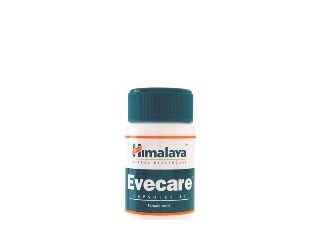

Evecare (Patient Information for Australia)
Evecare is an oral medicine used to prevent and treat certain fungal infections. This page provides general information to help you understand how it works, how it’s typically used, and what to watch for. Always follow the instructions given by your healthcare professional or the directions on your product label.
| Topic | What you’ll find on this page |
|---|---|
| Basic product information | What Evecare is used for and common strengths/forms |
| How it works | Mechanism of action against fungal cells |
| How your body handles it | Pharmacokinetics overview (absorption, distribution, metabolism, elimination) |
| Typical use & timing | When to take it, typical course duration, and practical tips |
| Food & alcohol interactions | What to consider with meals and alcohol |
| Safety & precautions | Common side effects and important warnings |
| Dosing guidance | General adult dosing patterns (always confirm your prescribed direction) |
| Alternatives | Other antifungal options you may discuss with a clinician |
| Australia context | Regulatory availability and how guidance may evolve |
1) Basic product information
Evecare is an antifungal medicine. Depending on the specific product you purchase, Evecare commonly contains an active ingredient in the azide/azole antifungal class (often the active ingredient is econazole or another azole, depending on formulation and local product naming). Because brand names and strengths can vary between retailers and batches, please check the active ingredient, strength, and form (for example, tablets or topical preparations) on the packaging or product listing.
This information is designed to be patient-friendly and does not replace advice from a doctor, pharmacist, or other authorised healthcare professional.
- Active ingredient: Check your specific pack/label for the exact ingredient and strength.
- Medicine type: Antifungal (azole class in many Evecare products)
- Common uses: Certain skin, nail, or mucosal fungal infections (depending on product formulation)
- Availability: May be listed through pharmacy channels depending on formulation and Australian regulatory status
2) How Evecare works (mechanism of action)
Most Evecare formulations belong to the azole antifungal family. Azoles work by interfering with an essential component of fungal cell membranes.
In practical terms, azole antifungals typically:
- Reduce or block fungal cell membrane formation by inhibiting a fungal enzyme involved in making ergosterol (a key membrane component).
- Stop fungal growth and allow the immune system to clear the infection.
- Can be fungistatic (slows/halts growth) at lower exposure levels, and may become fungicidal for some organisms at adequate exposure.
Results often improve before the infection is fully cleared, especially with skin fungal infections. For nail infections, clearing typically takes longer because nails grow slowly.
3) Pharmacokinetics (how the body handles Evecare)
Pharmacokinetics describes how a medicine is absorbed, distributed, metabolised, and eliminated. Exact values depend on the formulation (oral vs topical), the specific active ingredient, and individual factors.
General overview
- Absorption: Oral antifungals are absorbed through the gastrointestinal tract; the degree of absorption can vary with food and individual digestive factors. Topical products act locally, with minimal systemic absorption.
- Distribution: Systemically absorbed medication can distribute into body tissues, where it can reach infection sites. Some formulations may concentrate in certain tissues.
- Metabolism: Many azole antifungals are metabolised in the liver via enzyme pathways. This is important for drug–drug interactions.
- Elimination: The medicine and its metabolites are cleared primarily through the liver and then eliminated via bile/urine depending on the specific compound.
Why this matters
Understanding pharmacokinetics helps explain:
- Why liver safety is important for systemic antifungals.
- Why interactions can occur with other medicines metabolised in the liver.
- Why infection clearance may take time, especially for nails.
4) Indications: what Evecare is typically used for
Evecare is used for fungal infections caused by susceptible organisms. The exact “indications” depend on the product’s active ingredient and whether it is oral or topical.
Common examples of fungal infections that azole antifungals may treat include:
- Skin infections such as tinea (ringworm) and other dermatophyte infections
- Yeast infections (for example, candidal infections of certain body sites depending on formulation)
- Groin and body fungal rashes (intertrigo due to fungal overgrowth)
- Some nail fungal infections (onychomycosis) may be treated with certain antifungal medicines depending on severity and duration
If you’re unsure whether Evecare is appropriate for your symptoms, check the label directions and speak with a pharmacist—accurate diagnosis matters, because not all rashes are fungal.
5) Typical use and timing
The best timing depends on the formulation (oral vs topical) and the specific infection being treated. Below are patient-friendly general principles. Always follow your product label or clinician instructions.
General timing guidance
- Take it at the same time each day if it’s an oral course.
- Complete the course even if symptoms improve quickly.
- Be patient with nail infections—improvement may take weeks to months as the nail regrows.
- Use topical preparations consistently and continue for the recommended duration to prevent recurrence.
How soon you may notice improvement
- Skin infections: often start improving in several days, but complete clearance usually requires the full course.
- Groin/athlete’s foot: may improve over 1–2 weeks depending on severity.
- Nails: may require longer treatment; visible changes can lag behind fungal eradication.
6) Dosing: general adult guidance (confirm your specific product directions)
Dosing differs between specific antifungal agents, strengths, and infection sites. Because Evecare may have multiple formulations, the most accurate dosing information is always found on your particular pack or in your healthcare professional’s advice.
Always follow the instructions on the label. The following is general guidance only.
Common dosing patterns (examples)
- Oral antifungal courses: commonly taken once daily or divided doses depending on the specific ingredient and infection type.
- Topical antifungal products: typically applied once or twice daily to clean, dry affected areas.
If you miss a dose
- Oral doses: take it when you remember if it’s close to the next dose time; otherwise skip and continue your normal schedule.
- Topical doses: apply as soon as you remember unless it’s nearly time for the next application; do not apply extra to “catch up.”
Do not stop early
Stopping early can lead to incomplete eradication and recurrence. If symptoms worsen or do not improve as expected, seek advice.
7) Food interactions
Whether food affects Evecare depends on whether your product is taken orally and which exact azole antifungal it contains. Many oral antifungals can be taken with or without food, but certain formulations may be better absorbed with food or require avoidance of specific dietary factors.
Practical advice:
- Check the label for instructions such as “with meals” or “on an empty stomach.”
- If you’re unsure, take it the way your pharmacist instructs and keep the routine consistent.
- If stomach upset occurs, asking a pharmacist whether it’s okay to take with food can help.
Food interactions are usually less significant for topical products, since systemic absorption is limited.
8) Alcohol and medicine interactions
Alcohol
Moderate alcohol may not directly interact with all antifungals, but because many azole medicines are processed by the liver, it’s sensible to avoid heavy or frequent alcohol intake during treatment.
If you drink alcohol, consider:
- Limiting alcohol while you’re taking Evecare
- Seeking advice if you develop symptoms such as unusual fatigue, nausea, dark urine, or yellowing of the skin/eyes (possible liver-related symptoms)
Medicine interactions (important)
Azole antifungals can interact with other medications by affecting liver enzymes involved in drug metabolism. This can change blood levels of other medicines and increase side effects or reduce effectiveness.
Tell your pharmacist or doctor if you take any of the following (not an exhaustive list):
- Warfarin or other blood thinners
- Certain anti-epileptic medicines
- Immunosuppressants (for transplant/autoimmune conditions)
- Certain cholesterol-lowering medicines (statins) depending on which one
- Some heart rhythm medicines
- Other antifungals or antibiotics
- Some antidiabetic medicines
- Herbal supplements (especially St John’s wort can alter medicine levels)
If you’re taking multiple medicines, your pharmacist can check interaction risk and suggest safe timing.
9) Safety profile: what to expect and when to get help
Like all medicines, Evecare can cause side effects. Many people experience none or only mild effects. If you experience severe symptoms, seek medical attention promptly.
Common side effects
- Mild gastrointestinal upset (for oral products): nausea, abdominal discomfort, diarrhoea
- Headache or dizziness
- Skin irritation (for topical products): redness, burning, itching at the application site
- Temporary changes in taste or appetite (occasionally)
Serious but less common warnings
Seek urgent advice if you have signs of a severe allergic reaction or liver-related problems.
- Allergic reaction signs: swelling of face/lips, difficulty breathing, widespread rash, severe itching
- Possible liver issues: yellowing of skin/eyes, dark urine, pale stools, severe persistent nausea, right upper abdominal pain, unusual bruising/bleeding
- Severe skin reactions: blistering, peeling skin, mouth ulcers
Who should take extra care
- People with a history of liver disease
- People taking multiple medicines with known interaction potential
- Pregnant or breastfeeding individuals—discuss suitability with a clinician
- Children—dosing and suitability must be confirmed for age/weight
- Older adults—may have higher risk of side effects due to multiple medicines
10) Practical use tips (get the best results)
- Confirm it’s fungal: If rash appears unusual, painful, or weeping, it may not be fungal.
- Keep the area dry: Moisture helps fungi grow. Dry well after showering.
- Use hygienic routines: Change socks/underwear daily; wash towels regularly.
- Apply topicals correctly (if applicable): wash hands before and after; apply to clean, dry skin; avoid eyes and broken skin unless instructed.
- Don’t share towels: reduces spread and reinfection.
- Finish the course: even if symptoms improve.
- Check footwear: for foot fungal infections, treat or rotate shoes to reduce reinfection.
- Consider treating related areas: athlete’s foot can contribute to nail fungus; ask a pharmacist about prevention strategies.
If there is no improvement after the recommended timeframe, or symptoms worsen, seek advice—this may indicate incorrect diagnosis, resistance, or a need for a different treatment strategy.
11) Alternative options (what you might discuss)
Alternative antifungals exist, and the best choice depends on the infection type, location, severity, and your health profile. Depending on which specific Evecare formulation you are considering, alternatives might include:
- Other topical azoles (for skin/yeast infections)
- Allylamines (commonly used for dermatophyte infections such as athlete’s foot)
- Oral antifungals for more extensive or stubborn infections (requires careful interaction and safety checks)
- Nail-specific options such as topical nail treatments or systemic therapy, depending on severity
- Adjunct measures like antifungal washes, drying agents, and hygiene steps
A pharmacist can help compare options based on product availability in Australia, your infection site, and potential interactions with your current medicines.
12) Market and legal context in Australia (what to expect)
In Australia, medicines are regulated by the Therapeutic Goods Administration (TGA). Availability can differ depending on whether a product is classified as prescription-only, pharmacist-only, or over-the-counter (depending on the active ingredient and formulation).
- TGA-approved supply: Products sold legally in Australia must comply with regulatory requirements.
- Pharmacy channels: Many antifungal treatments are available through pharmacies, and some formulations may require pharmacist review depending on risk factors and the active ingredient.
- Always use Australian-approved packaging: Buying from reliable suppliers helps ensure correct labelling, storage, and dosing information.
If you are unsure about the classification of Evecare you’re considering, review the product page details or ask a pharmacist before purchasing.
13) Recent guidance and evolving recommendations
Antifungal treatment guidance can evolve based on emerging resistance patterns, updated safety monitoring recommendations, and new evidence on efficacy for specific infection types (especially for nail and recurrent infections).
As a patient, the most important “current guidance” to follow is:
- Use the correct formulation for the infection site (skin vs nail vs mucosal surfaces).
- Follow recommended treatment durations to prevent recurrence.
- Take interaction risk seriously if you take other medicines.
- Seek review if symptoms don’t improve or if infection keeps returning.
14) Delivery and availability (online pharmacy in Australia)
Evecare may be available for delivery through Australian online pharmacies depending on stock levels, product classification, and state/territory requirements. Availability can vary for different strengths, pack sizes, and formulations.
Delivery expectations
- Dispatch: Many pharmacies dispatch within 1–2 business days (subject to stock availability).
- Shipping: Delivery time depends on your location and chosen shipping option.
- Tracking: Most orders include tracking so you can monitor progress.
- Packaging: Medicines are typically packed to protect the product during transport.
If your order is urgent, check the estimated delivery time on the checkout page or contact customer service.
15) FAQ (Frequently Asked Questions)
Is Evecare the right treatment for all fungal infections?
Evecare is used for fungal infections caused by susceptible organisms, but the correct product depends on the infection type (skin, nail, mucosal) and the active ingredient. If you’re uncertain, ask a pharmacist—treating the wrong condition can delay recovery.
How long does Evecare take to work?
Skin infections often begin to improve within days, but clearing can take longer. Nail infections generally improve more slowly because the nail grows gradually. Always complete the recommended course.
Can I stop when symptoms improve?
It’s best not to stop early. Completing the course reduces the risk of recurrence and treatment failure.
Can I take Evecare with food?
It depends on the specific formulation and active ingredient. Check your label instructions. If it doesn’t specify, keeping a consistent routine (with or without food) is usually helpful.
Are there food restrictions I should follow?
Most azole antifungals do not require major dietary restrictions, but always check the label for specific warnings. If you have dietary concerns or conditions affecting digestion, ask a pharmacist.
Is it safe to drink alcohol while using Evecare?
Limiting or avoiding alcohol is generally a cautious approach, especially if the medicine is taken orally and processed by the liver. Avoid heavy drinking, and seek advice if you develop symptoms such as yellowing skin/eyes or dark urine.
What medicines commonly interact with Evecare?
Several medicines can interact with azole antifungals, particularly those metabolised by liver pathways. Examples can include blood thinners (such as warfarin), some anti-epileptic medicines, immunosuppressants, certain heart rhythm medicines, and some cholesterol medicines. Tell your pharmacist what you take.
What should I do if I miss a dose?
Take it when you remember if it’s close to your scheduled time. If it’s near the next dose, skip the missed dose and continue as normal. Do not double up. For topical products, don’t apply extra—just resume your usual schedule.
Can Evecare cause liver problems?
Serious liver problems are uncommon, but risk may be higher with systemic (oral) antifungals and in people with existing liver disease or interacting medicines. Contact a healthcare professional urgently if you develop symptoms suggestive of liver injury.
What if my symptoms don’t improve?
If there is no improvement within the recommended timeframe, or symptoms worsen, you should seek advice. You may need confirmation of the diagnosis, a different treatment, or assessment for contributing factors.
Is Evecare safe for children, pregnancy, or breastfeeding?
Safety depends on the specific active ingredient, formulation, and dose. Discuss with a pharmacist or clinician before use in children or if you are pregnant or breastfeeding.
How should I store Evecare?
Store according to the product label (commonly at room temperature and away from direct sunlight and moisture). Keep out of reach of children.
Summary
Evecare is an antifungal medicine used to treat fungal infections, with effectiveness depending on the infection type and consistent use. Its azole-based mechanism helps disrupt fungal cell membrane formation. For best outcomes, use it as directed, complete the full course, and watch for side effects—especially if you take other medicines or have liver-related risk factors.
If you’d like, share the exact Evecare product name/strength and whether it’s oral or topical, and your infection location (e.g., feet, groin, skin, nails). A pharmacist-style overview of typical timing and precautions can then be tailored to that specific situation.