Cystone (Australian Online Pharmacy Information)
Cystone is a traditional herbal medicine used to support urinary tract health and help relieve discomfort associated with mild urinary issues. It is commonly chosen for its urinary-directed ingredients and soothing action.
This page provides patient-friendly, general information about Cystone, including how it works, typical use, timing, food and medicine interactions, safety considerations, and practical tips for getting the most from your treatment. Always follow the product label instructions and speak with a pharmacist or doctor if you have questions—especially if symptoms persist or you have complex health conditions.
Quick Overview
| Category | Herbal medicine / urinary support |
|---|---|
| Common uses | Helps support urinary tract function; may relieve mild urinary discomfort |
| How to take | Usually by mouth, with water; timing depends on the specific product instructions |
| Onset | Some people notice symptom relief within days; complete improvement may take longer |
| Key considerations | Seek medical advice for severe symptoms, fever, blood in urine, or persistent problems |
| Australia availability | Available through online pharmacies (availability may vary) |
Basic Product Information
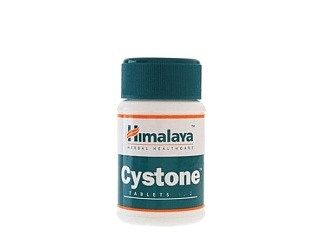
Cystone is an oral herbal product formulated to support the urinary tract. Formulations can vary by brand or packaging, so it’s important to check the label for the exact active ingredients and strength.
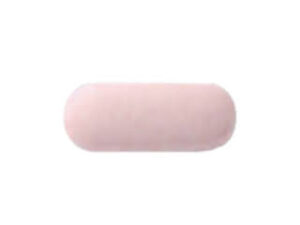
- Dosage form: Oral tablets/capsules or similar solid dosage (check your pack)
- Typical ingredients: Cystine-related herbal constituents (verify on your specific box or leaflet)
- Who may use it: Adults and, in some cases, adolescents—follow label guidance
If you are unsure whether Cystone is suitable for your situation (e.g., pregnancy, breastfeeding, kidney conditions, recurrent UTIs), ask a pharmacist for advice.
How Cystone Works (Mechanism of Action)
Cystone’s approach is primarily supportive. Herbal urinary medicines are generally thought to work through a combination of effects, such as:
- Supporting urine flow: Ingredients may help maintain comfortable urinary function.
- Soothing urinary tract tissues: Some herbal components may ease irritation and discomfort.
- Helping reduce the “back-and-forth” discomfort: By supporting healthy urinary conditions, the body may be better able to clear irritants.
The exact mechanism depends on the specific herbal blend in your Cystone product and may vary between manufacturers and formulations. Always refer to the product leaflet for detailed ingredient information.
Pharmacokinetics (What the Body Does to the Medicine)
For many herbal urinary products, comprehensive pharmacokinetic studies (absorption, distribution, metabolism, and excretion) may be limited compared with conventional medicines. In practice, these products are typically used to exert local or supportive effects in the urinary tract.
Generally, herbal compounds may:
- Be absorbed to varying degrees
- Undergo metabolism in the body
- Be excreted in urine, where they may contribute to urinary support
If you need more specific pharmacokinetic information for your particular Cystone version, consult the package insert or talk to your pharmacist.
Typical Use and Indications
Cystone is commonly used for:
- Support for mild urinary discomfort (e.g., burning sensation or irritation associated with mild urinary tract symptoms)
- Supporting healthy urinary function as part of urinary comfort routines
- Adjunct support alongside hydration and general urinary health measures
Important: If you have symptoms suggestive of a complicated urinary tract infection (UTI)—such as fever, flank/back pain, feeling very unwell, or blood in urine—seek urgent medical assessment rather than relying on supportive products alone.
Who Should Not Use It / When to Seek Medical Advice
Do not use Cystone as a substitute for professional medical care if you have any of the following:
- Severe symptoms or symptoms worsening quickly
- Fever, chills, or sickness
- Back/flank pain (pain in the side or lower back)
- Blood in urine
- Recurrent UTIs or known urinary tract abnormalities
- Suspected kidney involvement
- Pregnancy or breastfeeding (discuss with your pharmacist/doctor first)
Because herbal products can interact with other conditions and medicines, it’s safest to check first if you take regular medications or have chronic illness.
Dosing: How to Take Cystone
Dosage can differ by product strength and formulation. Follow the instructions on the package or product leaflet. If you’re unsure, ask your pharmacist.
Typical adult dosing (general guidance)
Many urinary herbal products are taken multiple times daily. In practice, typical instructions may look like:
- Common schedule: Often 2–3 times daily
- With water: Swallow whole with a full glass of water
- Finish the course: Continue for the duration stated on the pack, even if symptoms improve
Children: Use only if the product label specifically allows it and you have professional guidance. Herbal medicines may not be appropriate for younger ages.
If you miss a dose
- Take it when you remember if it’s not close to the next dose.
- If it’s near the next dose, skip the missed dose—do not double up.
Timing: Best Time to Take Cystone
To make it easier to maintain consistency, choose a routine that fits your day. Many people find it helpful to take Cystone:
- Regularly at set times (e.g., morning and evening)
- With water, rather than on a completely empty stomach if you feel any nausea
If the product leaflet provides specific timing advice (for example, after meals), follow that guidance.
Food Interactions: Can You Take Cystone With Food?
Herbal urinary products are generally considered compatible with normal food intake, but individual ingredients can cause digestive sensitivity in some people.
- With or after meals: Often preferred if you experience stomach upset.
- Hydration matters: Drink adequate water to support urinary comfort.
If your leaflet suggests fasting or specific timing around meals, follow it. Otherwise, taking Cystone with water and a routine that suits your stomach is usually practical.
Alcohol Interactions
There is no universal rule that herbal urinary medicines must be avoided with alcohol. However, alcohol can affect hydration and may worsen urinary irritation in some people.
- General approach: Consider limiting alcohol while you’re experiencing urinary discomfort.
- Hydration: Ensure you drink sufficient water.
If you notice symptoms worsen after alcohol, avoid it during your course and speak to a pharmacist.
Medicine Interactions (Including Common Medicines)
Herbal products may interact with other medicines, either by affecting absorption, metabolism, or by influencing urinary/renal handling. Because formulations can vary, check your Cystone label for ingredient details and discuss with a pharmacist if you use medicines regularly.
Speak to a pharmacist before combining with:
- Diuretics (“water tablets”) or medicines that increase urine output
- Medicines for kidney or bladder conditions
- Blood-thinning medicines (e.g., warfarin) or medicines with narrow safety margins
- Regular antibiotics if you’re treating a suspected infection and symptoms are significant
- Immunosuppressants or complex chronic therapies
If you’re already taking other therapies for urinary symptoms, don’t stop or replace them without professional advice. Cystone may be used as supportive care, but the right plan depends on your diagnosis and severity.
Safety Profile: Side Effects and Precautions
Herbal medicines are not risk-free. Most people tolerate Cystone well when taken as directed, but side effects can occur.
Possible side effects
- Mild stomach upset (nausea, discomfort)
- Diarrhoea or loosened stools in some people
- Headache (uncommon)
- Allergic reactions (rare)
Stop and seek help urgently if
- Rash, swelling of face/lips, severe itching, or difficulty breathing
- Severe abdominal pain
- Symptoms of a worsening urinary problem (fever, back pain, blood in urine)
Precautions
- Allergies: Check ingredients and avoid if you have known sensitivities.
- Kidney disease: Get professional advice before use.
- Pregnancy and breastfeeding: Ask your pharmacist or doctor first.
- Long-term recurrent symptoms: Persistent urinary symptoms should be assessed to rule out underlying causes.
Practical Use Tips (How to Get the Best Results)
- Stay hydrated: Water helps support urinary comfort and flushing.
- Don’t “hold on”: Empty your bladder regularly.
- Consider hygiene habits: Gentle cleansing and wiping front-to-back can help reduce irritation.
- Avoid bladder irritants: Some people find caffeine and fizzy drinks worsen discomfort.
- Track symptoms: Note when discomfort starts, how it changes, and any triggers.
- Give it a fair trial: If symptoms improve, continue as directed by the label; if not, seek advice.
If symptoms don’t improve within a few days or keep returning, it’s important to consult a healthcare professional. Recurring symptoms may require targeted evaluation.
Alternative Options
Depending on your symptoms and underlying cause, alternative approaches may be suitable. Some options include:
- Other urinary herbal products: Different formulations may include other supportive ingredients.
- Conventional medications: If a true infection is suspected, healthcare professionals may recommend appropriate treatment rather than only supportive care.
- Non-medicine measures: Hydration, bladder routine changes, and reducing irritants can help mild discomfort.
A pharmacist can help you compare options based on symptom pattern, your medical history, and current medications.
Australia Market & Legal Context (Patient-Friendly)
In Australia, products like Cystone are generally regulated under the Therapeutic Goods framework. Many herbal medicines are supplied as listed or registered therapeutic goods, depending on the level of evidence and regulatory requirements.
Online pharmacies in Australia typically supply only products that meet local legislative requirements. Always check:
- Product name and ingredients on the label
- Active constituents and dosage instructions
- Expiry date and batch/lot information
- Warnings and contraindications
Because listings and formulations can change, ensure you review the leaflet within your specific pack.
Recent Guidance and Safety Notes
General guidance for urinary symptoms in Australia emphasises:
- Early assessment if severe symptoms occur (e.g., fever, back pain, blood in urine).
- Not delaying care for complicated or recurrent urinary conditions.
- Checking interactions when using multiple medicines or if you have chronic disease.
- Following label instructions and discontinuing if adverse effects occur.
Herbal medicines can be part of supportive care, but they should not mask signs of a more serious problem. If your symptoms worsen or persist, seek professional advice.
Delivery and Availability in Australia
Cystone may be available through selected online pharmacies across Australia. Stock levels can vary by location and season.
What to expect when ordering
- Packaging: Delivered in secure, labelled packaging
- Dispatch times: Typically within business days (varies by supplier)
- Shipping: Australia-wide delivery (availability may vary by suburb/postcode)
- Temperature sensitivity: Most oral herbal products are stable at room temperature—store as directed on the label
For the most accurate delivery estimate, check the shipping and dispatch information at checkout on the online pharmacy site.
Storage Instructions
- Store below 25°C or as specified on the label.
- Keep in the original packaging to protect from moisture.
- Keep out of reach of children.
- Do not use after the expiry date.
FAQ: Common Questions About Cystone
1. What is Cystone used for?
Cystone is used as a supportive herbal medicine to help maintain urinary comfort and function. It’s often chosen for mild urinary discomfort, alongside hydration and good urinary health habits.
2. How quickly should I feel better?
Some people notice improvement within a few days. If symptoms do not improve or worsen, stop relying on self-care and speak to a pharmacist or doctor to rule out infection or other causes.
3. Can I take Cystone with food?
Many people can take herbal urinary medicines with water and normal meals. If your product leaflet provides specific meal timing, follow it. If you experience stomach upset, consider taking it after food.
4. Does Cystone interact with other medications?
Herbal products can interact with certain medicines or health conditions. Tell your pharmacist about all medicines you’re taking, including diuretics, kidney/bladder medicines, blood thinners, and any regular prescriptions or supplements.
5. Can I drink alcohol while taking Cystone?
Alcohol isn’t universally forbidden, but it may worsen dehydration and urinary irritation for some people. For best comfort, consider limiting alcohol and staying well hydrated.
6. Is Cystone safe for everyone?
Not necessarily. People with kidney disease, those who are pregnant or breastfeeding, or those on multiple medicines should ask a pharmacist for personalised advice before using Cystone.
7. What if my urinary symptoms come back?
Recurrent symptoms should be assessed. A pharmacist can help you decide whether you need further evaluation. If symptoms are frequent, persistent, or severe, seek medical advice.
8. When should I seek urgent medical help?
Seek urgent help if you have fever, back/flank pain, blood in urine, severe pain, or you feel seriously unwell. Don’t wait for supportive herbal treatment to work in these situations.
9. How do I use Cystone practically?
Take it regularly as stated on your label, with plenty of water. Maintain a bladder-friendly routine (don’t hold urine), reduce possible irritants like caffeine if they trigger symptoms, and monitor changes over time.
10. Are there alternatives to Cystone?
Yes. Alternatives include other urinary herbal products and, when appropriate, conventional treatments for diagnosed infections. The best option depends on the pattern and severity of your symptoms—ask a pharmacist for tailored guidance.
Final Reminder
Cystone may help support urinary comfort and function when used as directed. However, urinary symptoms can have different causes. If you experience severe symptoms, fever, back pain, or blood in urine—or if symptoms persist— seek professional medical assessment promptly.