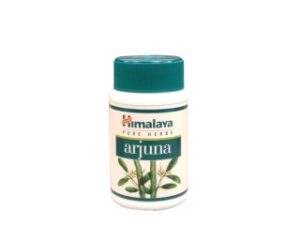
Abana (Herbal Tonic) — Patient Information for Australia
Abana is an oral herbal medicine commonly used in Australia as a supportive treatment for urinary tract and general digestive wellbeing. This page explains what Abana is, how it works, when to take it, and what to consider for safe and effective use. It is written to be patient-friendly and practical for everyday decision-making.
Note: Herbal medicines can still affect the body and interact with other products. Always read the label and consider professional advice if you are unsure, especially if you are pregnant, breastfeeding, have chronic conditions, or take regular medicines.
Basic product information
| Category | Details |
|---|---|
| Product name | Abana |
| Type | Herbal oral medicine / traditional medicine product |
| Route | Oral (swallowed as directed) |
| Common purpose | Supportive care for urinary tract comfort and general wellbeing |
| Typical form | Often supplied as a liquid (or as capsule/tablet depending on brand variant) |
The exact ingredients and concentration can vary between brands and regions. For the most accurate information, check the Supplement Facts / Active ingredients section on your specific Abana pack.
What is Abana used for?
Abana is usually used as an adjunct for people seeking supportive herbal care where urinary tract comfort and digestive balance may be relevant. Many users choose it for day-to-day wellness rather than for emergency relief.
Common indications (typical label uses may include):
- Support for urinary tract comfort
- Support for digestive wellbeing (e.g., after meals or to support normal digestion)
- General supportive care where a traditional herbal approach is desired
If you have symptoms such as fever, severe lower back pain, blood in urine, or worsening discomfort, seek medical care promptly. Persistent urinary symptoms can indicate infection or other conditions that require assessment.
How Abana works (mechanism of action)
“Mechanism of action” for herbal medicines is often described in terms of the combined effects of plant constituents. The precise mechanisms can differ depending on the product’s exact ingredients.
Typical proposed actions include:
- Antispasmodic and soothing effects: Some herbal constituents may help relax smooth muscle in the urinary tract, supporting comfort.
- Anti-inflammatory support: Certain plant compounds may contribute to reducing mild inflammatory responses.
- Aqueous (diuretic-like) supportive effects: Increased urine flow can help flush the urinary tract, which may be useful for comfort in some people.
- Digestive support: Herbal formulations may stimulate digestive processes or help maintain normal gut function.
Because herbal preparations have complex compositions, the overall benefit is usually best considered as supportive, consistent with traditional use and label directions.
Pharmacokinetics (how your body processes it)
Formal pharmacokinetic data (absorption, distribution, metabolism, and excretion) for individual herbal components can be limited, and results may vary by formulation, dose, and patient characteristics.
In general terms, herbal constituents:
- Absorb: Some active compounds can be absorbed from the gastrointestinal tract after oral dosing.
- Metabolise: Many phytochemicals undergo metabolism in the liver and gut.
- Excrete: Metabolites may be eliminated via the kidneys and in bile.
Practical implication: Because absorption and metabolism may differ between people, the time to feel benefits can vary. For best results, follow the schedule on your label and give the product a reasonable trial period unless symptoms worsen.
When to take Abana (timing)
Timing depends on the intended use and your specific product’s instructions. Many people find it easiest to take Abana consistently each day as directed on the label.
Common timing guidance:
- With or after food: Often recommended for products intended to support digestion or to improve gastrointestinal comfort.
- Before meals: Sometimes suggested if the label indicates it supports digestive processes prior to eating.
- Separate from other medications: If you take other medicines, consider spacing doses to reduce the chance of absorption or timing issues.
If your label says a specific schedule (e.g., morning and evening), follow that schedule. If instructions differ, use the pack directions as the primary guide.
Food interactions
Food interactions with herbal medicines can occur, but they are often less predictable than interactions with single active drugs. In many cases, taking Abana with meals can reduce stomach upset and may improve tolerability.
Practical considerations:
- Take with food if you get nausea: If your stomach feels sensitive, taking the dose after a meal may help.
- Avoid taking it at the exact same time as iron or thyroid medicines (if applicable): While not always required for Abana, spacing by 2–4 hours is a cautious approach for many oral supplements.
- Watch for specific dietary patterns: If the product uses sweeteners, alcohol-based extracts, or strong flavourings, these may matter to people with dietary restrictions.
For a tailored approach, consider asking your pharmacist—especially if you take multiple daily medications or have a complex health profile.
Alcohol interactions
Alcohol interactions depend on whether your particular Abana product contains alcohol in the liquid preparation. Many liquid herbal medicines may contain some alcohol as a solvent, while others may be alcohol-free.
To reduce risk:
- Check the ingredient list: Look for “ethanol,” “alcohol,” or similar terms.
- If alcohol is present: Avoid heavy alcohol intake on the days you take Abana, and avoid combining with other alcohol-containing products.
- Use caution with liver conditions: People with liver disease should seek professional advice before using alcohol-containing herbal preparations.
If you are unsure whether your product contains alcohol, check the label or contact the supplier.
Medicine interactions (other products)
Herbal products can interact with conventional medicines. While not every interaction is expected, it’s wise to consider the major categories.
Important interaction scenarios to discuss with a pharmacist:
- Diuretics (“water tablets”): Abana’s supportive urinary effects may add to diuretic action in some people.
- Diabetes medicines: If Abana affects blood sugar in any way (varies by ingredients), monitor glucose closely.
- Blood thinning medicines (anticoagulants/antiplatelets): Herbal ingredients can sometimes affect bleeding risk.
- Heart rhythm or blood pressure medicines: If Abana influences fluid balance, blood pressure may shift.
- Lithium: Herbal diuretic-like effects may influence lithium levels.
Always bring your current medication list to your pharmacist if you’re considering Abana alongside other therapies. If you’ve recently changed medicines, get advice before continuing.
Dosing and how to take Abana
Dose must follow your product label because Abana can come in different strengths and forms. The guidance below provides general, patient-friendly principles rather than replacing the label.
General dosing principles:
- Adults: Typically taken in divided doses across the day depending on the formulation and label instructions.
- Children: Use in children should be assessed carefully—always follow label age guidance and seek professional advice.
- Consistency: Take it at the same times each day to maintain routine and support adherence.
- Adjustments: Do not increase beyond the label to “speed up” results.
If your label provides a specific dose (e.g., X mL or X capsules per day): use that exact amount.
Duration of use
Many people use herbal medicines for a defined period and reassess. For urinary tract comfort, improvement (if it occurs) is often noticed within days, but this varies.
- If symptoms improve, you may continue for the duration stated on the label.
- If symptoms persist beyond a reasonable trial, worsen, or new symptoms appear, discontinue and seek advice.
- For ongoing wellness, periodic use may be appropriate, but it’s best to discuss a plan with a pharmacist or GP.
Safety profile and side effects
Abana is generally considered well tolerated when used as directed. However, herbal medicines can still cause side effects and are not suitable for everyone. Safety depends on your health status, other medicines, dose, and product formulation.
Possible side effects
Side effects are not guaranteed, but may include:
- Gastrointestinal effects: nausea, mild stomach discomfort, diarrhoea or constipation (less commonly).
- Headache or dizziness: occasionally reported with some herbal preparations.
- Allergic reactions: rash, itching, swelling, or breathing difficulties (rare but serious).
When to stop and seek urgent help
Stop using Abana and seek urgent medical care if you experience:
- Swelling of the face, lips, tongue or throat
- Difficulty breathing or wheezing
- Severe rash or hives
- Severe or persistent vomiting, severe abdominal pain
- High fever or worsening urinary symptoms
Who should seek advice before using Abana
- Pregnant or breastfeeding (discuss with your clinician first)
- Children (confirm age suitability and dosing)
- People with kidney disease, liver disease, or recurrent urinary infections
- People taking multiple medicines, especially those affecting blood pressure, blood clotting, or fluid balance
- Anyone with a history of allergies to herbal ingredients
Practical use tips for best results
- Follow label directions exactly: Use the correct number of mL/capsules and frequency.
- Stay hydrated: Drink adequate water to support normal urinary function and comfort.
- Track symptom changes: Note whether urinary discomfort improves and how quickly.
- Allow a fair trial: If you don’t notice any change within the timeframe implied by label use, stop and ask a pharmacist.
- Be careful with “stacking” herbal products: Avoid combining multiple urinary/digestive herbal products unless advised.
- Check the expiry date: Herbal products can lose potency over time.
Alternative options (depending on your goal)
If you’re considering Abana, alternatives include both other herbal products and supportive non-medicine approaches. The best option depends on the symptoms you’re aiming to manage.
Supportive measures for urinary comfort
- Hydration: Regular water intake can support urinary tract comfort.
- Urinary hygiene habits: avoid prolonged holding of urine and maintain good personal hygiene.
- Heat therapy: warm compresses for pelvic discomfort may help some people.
Other category options
- Other urinary herbal blends: may include ingredients such as bearberry, uva ursi, or D-mannose products (availability varies).
- Non-herbal OTC symptom relief: depending on country classification and symptom type (ask a pharmacist for suitable options).
- Clinical evaluation if recurrent: frequent urinary symptoms may require targeted assessment.
Because “urinary support” can mean different things, speak with a pharmacist to match your product choice to your symptoms and health history.
Abana in the Australian market: legal and quality context
Australia regulates complementary medicines through a national system that includes standards for manufacturing, labelling, and advertising. Many herbal products available to consumers are supplied under the complementary medicines framework.
What this typically means for customers:
- Products must meet labelling and safety requirements.
- Claims on packaging are generally limited to those permitted for the product type.
- Serious medical conditions require assessment by a qualified health professional.
For the most current regulatory information on specific products, check the pack and the supplier’s documentation, or consult your pharmacist. Availability may vary by brand, batch, and stock levels.
Recent guidance and “what to watch for”
Guidance for complementary medicines commonly emphasises:
- Read the label: follow the dose and indications exactly as stated.
- Seek medical advice when symptoms are severe or persistent: especially fever, pain in the back/flank, pregnancy, or recurrent infections.
- Be cautious with interactions: herbal medicines can interact with conventional medicines.
- Report adverse reactions: if you experience unexpected side effects.
If you’re using Abana alongside other treatments, keep a medication list and regularly check that your product remains appropriate for your current health situation.
Delivery, availability, and how to order in Australia
Online pharmacies in Australia typically supply Abana subject to stock availability and supplier deliveries. Delivery timelines can vary depending on location (metro vs. regional), courier service, and order processing time.
What you can expect:
- Secure packaging: medicines are usually packed to protect the product and prevent leakage.
- Tracking: many shipments include tracking information.
- Stock-dependent availability: if a product is temporarily out of stock, the website may show an estimated restock date.
- Quality checks: reputable pharmacies source products from approved suppliers.
Before ordering, confirm:
- Product form (liquid vs capsules/tablets)
- Active ingredient details listed on the exact product page
- Expiry date (where shown)
FAQ — Frequently asked questions about Abana
1) Is Abana suitable for everyone?
Not necessarily. People who are pregnant or breastfeeding, children, those with kidney or liver conditions, or those taking multiple medicines should seek advice before use. Always check the label and ingredient list for age and safety instructions.
2) How quickly will I feel the effects?
It varies. Some people notice changes in comfort within a few days, while others may take longer. If symptoms worsen or do not improve within the timeframe suggested by the label, seek pharmacist or doctor advice.
3) Can I take Abana with food?
Often yes, and many people prefer taking it with or after meals to improve tolerability. Follow your specific product’s label directions for the safest and most effective schedule.
4) Does Abana interact with other medicines?
Potential interactions can occur with other oral medicines, especially those affecting fluid balance, the kidneys, blood clotting, blood pressure, or diabetes management. If you take regular medicines, ask your pharmacist for guidance and consider spacing doses.
5) Can I drink alcohol while taking Abana?
If your Abana product contains alcohol (common in some liquid preparations), it’s best to limit alcohol intake. If you have liver disease or want to avoid alcohol completely, check the label for alcohol content or speak with a pharmacist.
6) What should I do if I miss a dose?
Take it when you remember if it’s not close to the next scheduled dose. If it is near the next dose, skip the missed dose and continue as normal. Do not double up unless the label instructs otherwise.
7) When should I stop using Abana?
Stop and seek advice if you experience allergic symptoms, severe side effects, or if urinary symptoms become severe, persistent, or accompanied by fever or back/flank pain. For unclear results, consult a pharmacist for assessment.
8) Is Abana the same as other herbal urinary products?
Not always. Herbal products can differ in ingredient composition, strength, and dosing instructions. Always compare the specific active ingredients and follow the label for the product you are using.
9) Can I take Abana long-term?
Long-term use should be discussed with a pharmacist or clinician, particularly if symptoms recur or you have chronic health conditions. Many people use herbal supportive products in defined periods and reassess benefits and any side effects.
10) What if my urinary symptoms keep coming back?
Recurrent symptoms can indicate issues that may need targeted evaluation. Seek medical assessment if you have repeated episodes, blood in urine, fever, or significant pain.
Important: This information is general and may not cover every situation. Always refer to the label instructions for your exact Abana product and consult a pharmacist if you have questions, take other medicines, or have underlying medical conditions.