
Rogaine (Minoxidil) — Patient Guide (Australia)
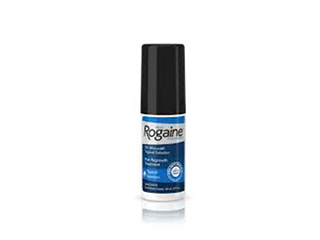
Rogaine is a well-known brand of minoxidil, a medicine used to treat hair loss. It is available in several strengths and forms, including topical solutions and foams. Many people use it to help improve hair growth and to slow thinning over time. Results vary from person to person, and consistent use is important.
This guide explains how Rogaine works, how to use it safely, what to expect, and practical tips to get the best chance of success. It also covers interactions (including with alcohol and other medicines), common side effects, and what options may be suitable if you decide not to continue.
Basic product information
| Feature | What to know |
|---|---|
| Active ingredient | Minoxidil |
| Brand | Rogaine |
| How it’s used | Topical application to the scalp |
| Common strengths (varies by product) | 5% (often for men and some women) and 2% (often for women) |
| Typical forms | Solution (liquid) and foam |
| Where it’s applied | Scalp areas with thinning (not for use on brows/beard) |
Note: Product formulations differ by brand/strength and may change. Always follow the instructions provided with your specific Rogaine product.
How minoxidil works (mechanism of action)
Minoxidil is a topical hair-growth medicine. While its exact hair-growth mechanism is not fully understood, it is believed to:
- Increase blood flow to the hair follicles (partly through effects on potassium channels and blood vessels).
- Enlarge miniaturised follicles in androgenetic alopecia (also known as pattern hair loss), which may shift follicles toward the “growing” phase.
- Prolong the anagen (growth) phase of the hair cycle, supporting thicker, longer hairs over time.
Minoxidil is not a “quick fix.” It works gradually, and stopping treatment usually leads to loss of the gains within a few months.
Pharmacokinetics (absorption and how the body handles it)
When used on the scalp, minoxidil is absorbed through the skin to a limited extent. The amount absorbed varies depending on factors such as:
- Strength (e.g., 5% vs 2%)
- Skin condition (irritation, inflammation, or broken skin may increase absorption)
- Amount applied and whether scalp is wet or covered right after
- How often you apply it
Once absorbed, minoxidil is distributed in the body and is mainly eliminated by the kidneys. With correct scalp use at recommended doses, blood levels are generally low, but systemic effects are still possible—particularly if too much is applied, if the product spreads beyond the scalp, or if large areas are treated.
Typical use and who it helps
Rogaine is commonly used for:
- Androgenetic alopecia (male-pattern or female-pattern hair loss)
- Thinning at the crown or receding hairline (where appropriate for the specific product)
- Maintaining and improving hair density over time
It is intended for scalp hair only. It is not a treatment for sudden hair shedding due to illness, scalp infections, nutritional deficiencies, hormonal conditions, or scarring hair loss.
Important: If you have patchy hair loss, scalp pain, scaling/sores, or scarring, seek medical advice before starting.
Indications (what Rogaine is used for)
Minoxidil is indicated for:
- Male androgenetic alopecia (pattern thinning)
- Female pattern hair loss
Product labeling may differ by strength and region. In Australia, availability may include specific pack strengths and directions. Always check your exact product instructions.
Dosing: how much to use and how often
Dosing depends on your product strength and gender-specific labeling. Typical directions for topical minoxidil include:
- Usually 2 times daily for many 5% and 2% regimens.
- Some people may be advised to start with once daily depending on tolerance and the specific product guidance.
To improve outcomes and reduce side effects, use the exact measured amount provided by the applicator or package instructions.
Men (common approach)
- Often 5% minoxidil solution or foam applied to the affected scalp areas.
- Common regimens are twice daily.
Women (common approach)
- Often 2% minoxidil or 5% depending on product labeling and clinician guidance.
- Common regimens are twice daily or sometimes once daily with foam/solution variations.
Do not exceed the recommended dose. Higher amounts do not necessarily mean faster results and can increase risk of side effects.
Timing: when to apply and when results appear
Best time of day
- Apply at times that are consistent (e.g., morning and evening).
- Use the same schedule daily to maintain steady exposure.
How long to wait for results
Hair growth typically progresses in phases:
- First signs: may occur around 3–4 months for some people.
- More noticeable improvement: often around 6–12 months.
- Ongoing benefit: continues with continued use; results can plateau after about a year.
Shedding phase: Some people experience increased shedding in the first few weeks. This can be a sign that minoxidil is moving hairs from resting to growth phases. If shedding is severe, persistent, or accompanied by scalp irritation, stop and seek advice.
What happens if you stop?
If you discontinue minoxidil, any improvement usually fades and hair loss typically returns toward baseline over several months.
Practical use tips (step-by-step)
Follow these practical tips to improve effectiveness and reduce irritation:
- Start with a healthy scalp: avoid applying to broken skin.
- Apply to the thinning areas, not just the hair. Focus on the scalp where hair is thinning.
- Use the correct amount supplied with your product.
- Wash hands after applying to avoid accidental transfer to eyes, face, or other body areas.
- Allow it to dry before styling or going to bed. Follow package instructions for drying time.
- Let your scalp breathe: avoid tight hats or helmets immediately after application if it increases sweating/irritation.
- Don’t combine with harsh scalp treatments at the same site unless advised (for example, heavy chemical peels or strong medicated shampoos) because they may increase irritation.
If you miss a dose: apply it when you remember unless it’s close to the next dose. Do not apply double.
Food interactions
Because Rogaine is applied to the scalp, food interactions are not expected in typical use. Minoxidil is not taken by mouth, and dietary factors generally do not directly change absorption.
However, if you have conditions affecting circulation or kidneys, your healthcare professional may recommend monitoring. If you experience dizziness, palpitations, or swelling, contact a clinician.
Alcohol interactions
In usual topical use, alcohol does not have a direct interaction with minoxidil in the way it might with oral medicines. Still, consider these safety points:
- Some Rogaine formulations contain alcohol as part of the solvent system (especially solutions), which may contribute to scalp dryness or irritation.
- If you drink alcohol heavily, you may be more likely to experience symptoms that can overlap with side effects such as dizziness or light-headedness.
- If you notice unusual dizziness, faintness, or fast heartbeat, seek advice.
Practical tip: If you get significant irritation with solution (often more drying), some people tolerate foam better because it may be gentler on the scalp.
Interactions with other medicines
Topical minoxidil is usually well tolerated at recommended doses, but interactions can occur—especially if systemic absorption increases or if you have cardiovascular conditions. Key considerations include:
Medications that may raise risk
- Blood pressure medicines (antihypertensives): minoxidil can theoretically lower blood pressure. If you take antihypertensive medicines, monitor for dizziness, especially during the first weeks.
- Other treatments that affect the cardiovascular system: discuss with a clinician if you take medicines for heart rhythm, fluid retention, or circulation.
Scalp treatments and irritation risk
- Using strong topical products (e.g., harsh exfoliants, very medicated shampoos, or other irritants) on the same scalp area may increase irritation, potentially increasing absorption and side effects.
- If you use a corticosteroid, anti-dandruff, or other medicated scalp products, spacing them may help reduce irritation. Ask your pharmacist for tailored advice.
When to seek urgent help
Stop use and seek immediate medical attention if you experience:
- Chest pain
- Fainting
- Severe dizziness
- Swelling of the face, lips, or tongue (allergic reaction)
For non-urgent symptoms, contact a healthcare professional for guidance.
Safety profile: common and serious side effects
Rogaine is generally considered safe when used correctly. The most common issues are related to the scalp or—less commonly—systemic effects.
Common side effects (often scalp-related)
- Scalp irritation (redness, itching, burning)
- Dryness or flaking
- Headache
- Increased shedding in the early phase
- Unwanted hair growth if the product spreads to other areas (face, forehead, neck)
Less common systemic side effects
These are rare with proper topical dosing but may occur if more is absorbed than expected:
- Light-headedness or dizziness
- Palpitations (awareness of heartbeat)
- Swelling (oedema), especially hands/feet
- Changes in blood pressure
Allergic reactions (seek medical help)
- Rash, hives
- Swelling of the face/lips
- Trouble breathing
Who should be extra cautious?
- People with heart disease or low blood pressure
- People with kidney disease
- Those taking medicines that may affect blood pressure
- Anyone with a sensitive or irritated scalp
Pregnancy and breastfeeding: minoxidil use in pregnancy and breastfeeding requires careful consideration. Discuss options with a healthcare professional before use.
Food, lifestyle, and hair-care considerations
Rogaine works best as part of an overall hair-loss plan. Consider these lifestyle factors:
- Be realistic: it may improve density but may not recreate a completely original hairline.
- Consistency matters: missing doses repeatedly can reduce results.
- Gentle scalp care: use mild shampoos and avoid aggressive scrubbing during early treatment.
- Hair styling: avoid heavy gels or dyes immediately after applying if they worsen irritation. Always let the product dry fully first.
Alternative options to Rogaine
If minoxidil isn’t suitable, results are limited, or you experience intolerable side effects, alternatives may include:
Other topical hair-loss treatments
- Different minoxidil formulations (solution vs foam, different strengths where appropriate)
- Some regions offer combination products (e.g., with other agents), though availability and suitability vary
Oral or procedural options
- Oral therapies for androgenetic alopecia may be options for some people (discuss with a clinician).
- Low-level laser therapy (devices may help some users).
- Microneedling may improve results when used correctly alongside proven therapies.
- Hair transplantation is an advanced option for selected cases.
Supportive measures
- Check for contributing causes (iron, vitamin D, thyroid issues, stress-related shedding).
- Wearing/using gentle hair care products to reduce breakage can improve appearance even while treatments work.
The best approach depends on your pattern of hair loss, scalp condition, and personal preferences.
Market and legal context for Australia
In Australia, products containing minoxidil may be supplied in different ways depending on formulation, strength, and regulatory status at the time of sale. Many hair-loss topical products are available through pharmacies or approved retailers.
Key points for shoppers:
- Buy from reputable sources to ensure you receive the correct formulation and strength.
- Always check the packaging for expiry date, directions, and ingredient list.
- Follow local labeling and pharmacy advice for safe use.
Recent guidance: Product use guidance commonly emphasises consistent daily application, managing early shedding expectations, monitoring for scalp irritation, and considering medical advice if systemic symptoms (such as dizziness or palpitations) occur. Ongoing healthcare guidance also highlights that hair loss can have multiple causes, so persistent or atypical patterns should be assessed.
For the most current regulatory details, consult your pharmacist or check the product label and Australian health authority updates.
Delivery and availability (online pharmacy)
Availability of Rogaine minoxidil products can vary by strength, form, and current stock levels. When ordering online in Australia, you can typically expect:
- Secure packaging to protect the product
- Tracked delivery options (where offered)
- Clear product labeling including strength and instructions
- Delivery timeframes that depend on your location and courier service
Storage: Store at room temperature as directed on the label. Keep away from heat and out of reach of children. Minoxidil is a liquid/foam product—avoid exposure to open flames and do not puncture aerosol containers (if applicable).
Practical do’s and don’ts
Do
- Use minoxidil exactly as directed for your specific product.
- Apply to the scalp (not only the hair strands).
- Allow it to dry before styling or sleeping.
- Be patient and give it time (typically 6–12 months for best assessment).
- Monitor for irritation and adjust gently (for example, consider switching from solution to foam if dryness occurs).
Don’t
- Don’t apply more than recommended.
- Don’t apply to broken, infected, or severely inflamed skin.
- Don’t let it run onto the face/eyebrows or other areas you don’t want hair growth.
- Don’t stop early due to minor early shedding—unless side effects are concerning.
FAQ (Frequently asked questions)
1) How long does it take to see results with Rogaine?
Many people notice changes after 3–4 months, with more visible improvement often around 6–12 months. Consistency is essential.
2) Will Rogaine stop hair loss?
Rogaine may help slow progression and improve density for many users. However, results vary depending on the pattern and duration of hair loss.
3) I started and my hair is shedding more—should I stop?
Early shedding can occur as part of the hair cycle response. If shedding is mild and you are not getting significant scalp irritation, it may settle. If shedding is severe, persists, or you have burning/itching/rash, stop and seek advice.
4) Can I use Rogaine if I have dandruff?
It depends on the cause. If you have dandruff or scalp inflammation, treat the scalp condition first or manage it carefully to reduce irritation. Ask your pharmacist for suitable scalp products that won’t worsen dryness.
5) Is Rogaine safe to use with other hair products?
Generally, yes, but avoid applying harsh or irritating products at the same time. Let Rogaine dry fully before using styling products or hair dyes. If you develop irritation, simplify your routine.
6) Does minoxidil interact with alcohol?
There is no common direct interaction from drinking alcohol, but your Rogaine formulation may contain alcohol as part of the solvent and can irritate some scalps. If you notice dizziness or palpitations, stop and seek medical advice.
7) Can I use Rogaine with blood pressure medication?
Because systemic absorption is usually low but not zero, caution is important. Minoxidil can theoretically affect blood pressure. Talk to a healthcare professional if you take antihypertensive medicines or have cardiovascular conditions.
8) What if Rogaine gets on my face or eyebrows?
Accidental spread can cause unwanted facial hair growth. Wash the area with water if it happens and avoid applying too close to the hairline/face. Wash hands thoroughly after each application.
9) Can I stop after I see improvement?
If you stop, the benefits typically diminish over time and hair loss may return toward baseline. Most users require ongoing treatment to maintain results.
10) Is foam or solution better?
Both can be effective when used correctly. Some people prefer foam because it may cause less scalp wetness and may be less irritating/drying than certain solutions. Choose based on comfort and your product availability.
11) Can Rogaine be used by everyone?
Not necessarily. People with certain heart or kidney conditions, those who are pregnant or breastfeeding, or anyone with significant scalp problems should seek advice before use. If you are unsure, consult a pharmacist.
12) When should I seek medical help urgently?
Seek urgent medical care if you experience chest pain, fainting, severe dizziness, significant swelling, or signs of an allergic reaction (such as face/lip swelling or trouble breathing).
Final note: Rogaine (minoxidil) can be a helpful option for androgenetic alopecia, especially when started early and used consistently. If you have questions about suitability, dosing, or side effects, your pharmacist can help you choose the right approach for your situation.