

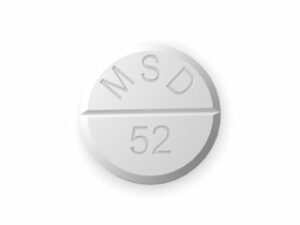
Cyproheptadine (often sold as cyproheptadine hydrochloride) — Patient Guide
Cyproheptadine is an antihistamine medicine commonly used to help relieve allergy symptoms and other conditions where histamine and certain nerve pathways are involved. This guide explains how cyproheptadine works, what it’s used for, how to take it safely, and what to know about interactions and side effects for people in Australia.
Basic product information
| Topic | Information |
|---|---|
| Generic name | Cyproheptadine (commonly as cyproheptadine hydrochloride) |
| Medicine type | First-generation antihistamine (with anticholinergic effects) |
| How it may be supplied | Tablets and/or oral liquid (brand and strength vary by supplier) |
| Common uses | Allergic symptoms such as itching, hives (urticaria), runny nose; sometimes used for appetite stimulation or other clinician-directed indications |
| Common effects | Drowsiness, dry mouth, and increased appetite can occur (varies by person) |
How cyproheptadine works (mechanism of action)
Cyproheptadine is an antihistamine. In allergies, the body releases histamine, which contributes to symptoms such as itching, sneezing, and swelling. Cyproheptadine blocks histamine at H1 receptors, reducing these allergy symptoms.
Cyproheptadine also has additional activity that may contribute to some of its effects:
- Anticholinergic (antimuscarinic) activity: can cause dry mouth, constipation, blurred vision, and drowsiness.
- Serotonin receptor effects: may explain why it can sometimes influence appetite and certain other conditions.
Pharmacokinetics (what the body does to the medicine)
“Pharmacokinetics” describes how the body absorbs, distributes, metabolises, and eliminates a medicine. While exact values can vary by individual and formulation, the following general patterns are important:
- Absorption: cyproheptadine is absorbed after oral dosing.
- Onset of action: effects may begin within a relatively short period after taking a dose, but full symptom relief can take some time.
- Metabolism: the medicine is metabolised in the liver.
- Elimination: metabolites and drug are cleared from the body over time, primarily through excretion.
Because cyproheptadine is a first-generation antihistamine, it tends to cross into the central nervous system more than some newer “non-drowsy” antihistamines—so drowsiness is relatively common.
Typical uses in practice
The most common uses relate to allergy. Cyproheptadine may be used to relieve symptoms such as:
- Itching associated with allergic skin reactions
- Hives (urticaria) and other itch-related rashes
- Hay fever symptoms such as sneezing and runny nose (depending on the person’s pattern of symptoms)
In addition, cyproheptadine has been used in some settings where clinicians assess whether its effects on appetite and other pathways could be beneficial. Use for non-allergy reasons should always be discussed with a qualified healthcare professional.
When to take cyproheptadine (timing and routine)
The best timing depends on the reason it’s being used and how sensitive you are to drowsiness. Many people choose dosing times that fit around their daily schedule.
- If it makes you sleepy: consider taking it in the evening or before bed.
- If you need symptom control during the day: you may still be able to take it earlier, but avoid driving or operating machinery until you know how you respond.
- Consistency: if symptoms are regular (for example, seasonal allergies), taking it at the same times each day may help maintain symptom control.
Follow the directions provided with your specific product. If the label indicates “when required” use for allergy symptoms, you can take it at the start of symptoms. If it’s intended for regular use, take it as scheduled.
Food interactions and what to eat/drink
Food is not usually considered a major issue with cyproheptadine. However, practical points can make dosing easier and help you manage side effects:
- Take with or after food if it upsets your stomach.
- Hydration: since anticholinergic effects can cause dry mouth, drink water regularly.
- Alcohol-wise planning: see below—alcohol can increase drowsiness.
If you notice that certain foods worsen reflux or constipation, you may prefer to take cyproheptadine with a light meal and monitor effects.
Alcohol interactions
Alcohol can increase drowsiness and impair coordination when used with antihistamines like cyproheptadine. For safety, it’s generally recommended to avoid alcohol while you are adjusting to cyproheptadine or if you feel sleepy.
- Avoid driving or doing risky tasks if you have any drowsiness.
- Be cautious even at low alcohol intake, because individual sensitivity varies.
Medicine interactions (including common categories)
Cyproheptadine can interact with medicines that also cause sedation or have anticholinergic effects. Always tell your healthcare professional or pharmacist what you take (including over-the-counter and herbal products).
Medicines that may increase drowsiness
- Sedatives and sleeping tablets
- Opioid pain medicines
- Some antidepressants
- Some anti-anxiety medicines
- Other antihistamines
Medicines with anticholinergic activity
Combining cyproheptadine with other anticholinergic medicines may increase side effects such as dry mouth, constipation, and blurred vision.
Glaucoma and urinary retention related medicines
If you have narrow-angle glaucoma or problems passing urine (such as an enlarged prostate), anticholinergic effects may be more problematic. Seek medical advice before using cyproheptadine.
Important note
Interaction risk depends on your personal medicines and health conditions. If you are unsure, ask a pharmacist—especially if you take multiple medicines daily.
Indications (what cyproheptadine is used for)
The exact approved indications can vary by product and by Australian regulatory listing. In everyday practice, cyproheptadine is used for:
- Allergic conditions where relief of itching and histamine-related symptoms is needed
- Urticaria (hives) and other histamine-mediated rashes
- Symptoms of allergic rhinitis such as sneezing and runny nose (depending on individual response)
- Other uses: in selected cases, clinicians may consider cyproheptadine for non-allergy indications. These decisions depend on the patient’s history and the risk–benefit balance.
Dosing (general guidance)
Dosing varies by age, indication, and the formulation (tablet strength or oral liquid concentration). Always use the dosage instructions provided for your product. The points below are general information to help you understand how dosing is commonly approached.
Adults
- Adults typically start at a dose determined by the product label and their symptoms.
- Because drowsiness is common, some people are advised to start at the lower end of the dosing range or at night.
Children
Dosing for children must be carefully matched to age and weight and should follow the product label exactly. If the dose is unclear, consult a pharmacist to avoid errors (especially with oral liquids).
Missed dose
- If you miss a dose, take it when you remember unless it’s close to the next dose.
- Do not double up to make up for a missed dose.
Duration of use
For seasonal allergies, cyproheptadine may be used during high-symptom periods. For hives or itch, short-term use may be enough—depending on the cause. If symptoms persist or worsen, seek medical advice.
Safety profile: common and serious side effects
Like all medicines, cyproheptadine can cause side effects. Many people experience mild effects that settle as the body adjusts, but some effects require prompt attention.
Common side effects
- Drowsiness or fatigue
- Dry mouth
- Dizziness
- Constipation
- Blurred vision
- Increased appetite
- Urinary retention (less common but important)
Less common but important to know
- Paradoxical excitation (more energy, restlessness), especially in some children
- Increased sensitivity to sedative effects in older adults
Seek urgent medical help if
- Signs of an allergic reaction: swelling of face/lips, trouble breathing, severe rash
- Severe confusion, fainting, or extreme drowsiness
- Severe constipation with abdominal pain or inability to pass urine
- Uncontrolled agitation, hallucinations, or severe behaviour changes
Who should be extra cautious
Extra caution is advised for people who:
- Are elderly (higher risk of sedation, falls, confusion, constipation)
- Have glaucoma, especially narrow-angle glaucoma
- Have urinary retention, prostate enlargement, or difficulty passing urine
- Have severe constipation or bowel obstruction
- Have liver impairment (metabolism may be affected)
Practical use tips (how to take cyproheptadine more safely)
- Check your label: confirm the strength and dosing instructions for your specific product.
- Start at a safe time: if drowsiness is likely, take your first dose at night and avoid driving the next morning until you know your response.
- Prevent dehydration: dry mouth can be managed with regular sips of water and sugar-free sweets.
- Manage constipation risk: maintain fibre and fluids; consider a stool softener only if recommended by a pharmacist.
- Avoid stacking antihistamines: many cold/flu products contain antihistamines—read labels to avoid doubling up.
- Keep out of reach of children: antihistamines can be dangerous if taken accidentally.
Alternative options (for allergy symptoms and itch)
If cyproheptadine doesn’t suit you due to drowsiness or side effects, there may be alternatives. Availability and suitability depend on your condition, age, and other health factors.
Common alternative antihistamines
- Non-drowsy (second-generation) antihistamines often used for hay fever and chronic urticaria (examples include cetirizine, loratadine, fexofenadine—product availability varies).
- Other first-generation antihistamines (may also cause drowsiness).
Other non-medicine approaches
- Allergen avoidance: reduce exposure to triggers such as dust mites, pollen, and pet dander.
- Nasal saline for rhinitis symptoms.
- Skin care and itch relief: moisturisers, cool compresses, and gentle soaps for itchy skin.
If symptoms are persistent, recurrent, or severe, a clinician may recommend additional treatments such as nasal corticosteroids or other therapies depending on the diagnosis.
Market and legal context in Australia (overview)
In Australia, medicines are supplied under a classification system that may vary by product brand, strength, and indication. Some antihistamines and allergy medicines may be available over the counter, while others may be scheduled depending on formulation. For cyproheptadine, supply status can differ by product and intended use.
Always check the specific product listing and packaging for the correct category and directions. If you’re unsure whether a particular product is suitable for your situation, speak with a pharmacist.
Recent guidance and practical considerations
Allergy management guidance generally emphasises:
- Using the lowest effective dose for the shortest necessary duration.
- Reviewing the need for ongoing antihistamine use if symptoms improve.
- Considering non-drowsy antihistamines for daytime symptoms or for people who must drive or work at safety-sensitive roles.
- Checking for anticholinergic side effects (dry mouth, constipation, urinary retention), especially in older adults.
For people who have recurrent hives, frequent hay fever, or symptoms not responding to standard therapy, clinicians may investigate triggers and consider stepwise treatment adjustments.
Delivery and availability (Australia)
Cyproheptadine may be available through Australian pharmacy channels and online pharmacy suppliers (subject to stock, product formulation, and supply rules). Delivery options, dispatch times, and courier services depend on the supplier and your location.
- Stock availability: may vary; backorders can occur for certain pack sizes.
- Delivery timeframes: depend on your postcode and dispatch schedule.
- Packaging: medicines should arrive in sealed packaging with clear labelling.
When ordering, ensure the product is the correct strength and dosage form (tablet vs liquid) for your intended use. If you are using it for a child, confirm the concentration for accurate measuring.
FAQ about cyproheptadine
1) Will cyproheptadine make me sleepy?
Yes, drowsiness is common with first-generation antihistamines. Many people find taking it in the evening reduces disruption to daytime activities. Avoid driving or operating machinery until you know how it affects you.
2) Can I take cyproheptadine every day?
Some people use antihistamines on a regular basis during allergy seasons or for ongoing symptoms, but the appropriate duration and dosing depends on your situation. Follow the directions on your product and consult a pharmacist if symptoms persist.
3) What should I avoid while taking it?
Avoid alcohol and be careful with other medicines that cause sedation or have anticholinergic effects. Also avoid driving or risky tasks if you feel sleepy or dizzy.
4) Can I take it with food?
Usually, yes. Taking it with or after food can help if it causes stomach discomfort.
5) Are there long-term risks?
Long-term use may increase the likelihood of side effects such as constipation or dry mouth, and may be more problematic in older adults. If you need ongoing treatment, it’s best to review your plan with a pharmacist or clinician.
6) What if I miss a dose?
Take it when you remember unless it’s close to the next scheduled dose. Do not double up.
7) Who should not use cyproheptadine without advice?
People with narrow-angle glaucoma, urinary retention, significant constipation, or those who are elderly should seek guidance before using cyproheptadine. If you’re pregnant or breastfeeding, discuss suitability with a healthcare professional.
8) Is cyproheptadine the same as “non-drowsy” antihistamines?
No. Cyproheptadine is a first-generation antihistamine and more commonly causes drowsiness than many second-generation antihistamines.
9) Can I combine cyproheptadine with other allergy medicines?
Combining antihistamines can increase side effects. Check labels for overlapping ingredients (including those in cold and flu products) and ask a pharmacist if you’re unsure.
10) When should I seek medical advice?
Seek medical advice if symptoms are severe, persistent, recurrent, or you develop signs of an allergic reaction to the medicine. If hives last for weeks or you experience swelling (especially around the lips/eyes) or breathing difficulties, get urgent help.
Summary
Cyproheptadine is an antihistamine used for allergy-related symptoms such as itching and hives, with the additional possibility of appetite-related effects in some cases. Its main limitation for many people is that it can cause drowsiness and anticholinergic side effects such as dry mouth and constipation. By taking it at appropriate times, avoiding alcohol, and watching for side effects—especially if you’re older or have related conditions—you can use cyproheptadine more safely and comfortably.